
Crematogaster agniae
- Bilimsel Adı
- Crematogaster agniae
- Oymak (Tribe)
- Crematogastrini
- Alt Familya
- Myrmicinae
- Yazar (Tanımlayan)
- Karavaiev, 1935
- Dağılım
- 0 ülkede bulundu
Giriş
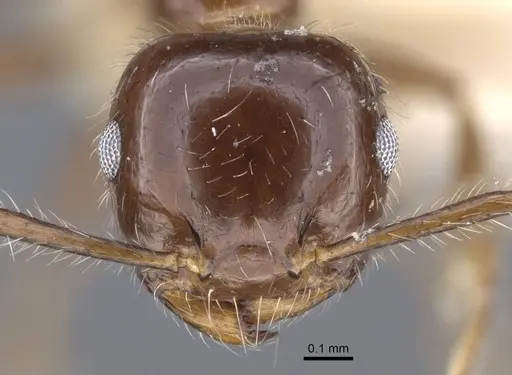
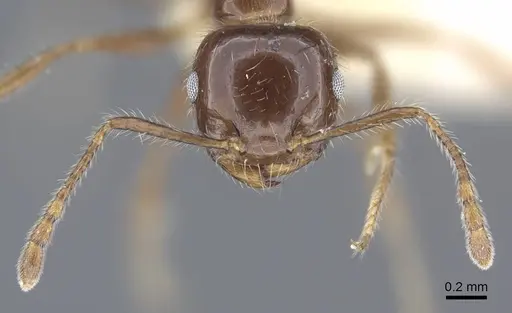
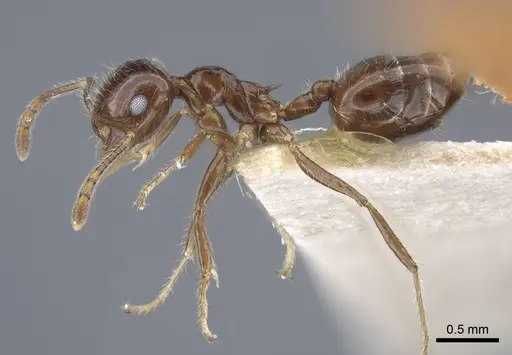
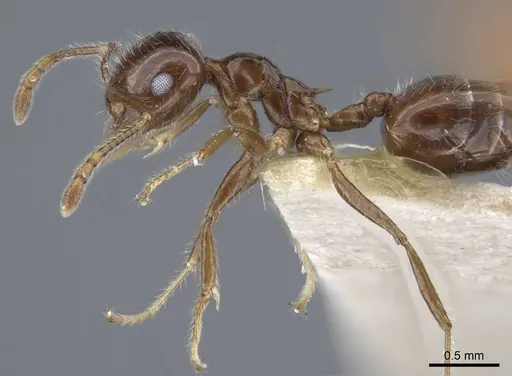
Crematogaster agniae is a small myrmicine ant species described from central Vietnam. Workers are tiny ants, typical of the genus, with a distinctive heart-shaped abdomen that they raise like an acrobat when threatened - giving them the common name 'acrobat ants'. The species was described in 1935 by Karavaiev from specimens collected near the Hai Van Pass in Hue Province [AntWiki]. As a tropical Vietnamese species, it inhabits forested areas and displays typical Crematogaster behaviors including arboreal nesting and tending honeydew-producing insects. The genus is known for their defensive posture where they raise their abdomen overhead, making them appear to be doing a handstand.
Quick Summary
- Difficulty: Medium
- Origin & Habitat: Central Vietnam (Hue Province, near Hai Van Pass/Lien Chieu). This is a tropical region with warm temperatures year-round and high humidity. The type locality is at the base of Col de Nuage (Hai Van Pass), suggesting they inhabit forested mountain slopes [1][2].
- Colony Type: Colony type is unconfirmed for this species. Based on typical Crematogaster patterns, likely monogyne (single queen), though some species in the genus can be polygyne.
- Size & Growth:
- Queen: Size data unavailable, inferred from Crematogaster genus patterns (~6-8mm)
- Worker: Size data unavailable, inferred from Crematogaster genus patterns (~2-3mm)
- Colony: Up to several hundred workers, estimated from related Vietnamese Crematogaster species
- Growth: Moderate, tropical species typically develop faster than temperate ants
- Development: Development time is unconfirmed. Based on typical Crematogaster development, expect 4-6 weeks at optimal tropical temperatures (25-28°C). (Development is faster in warm conditions typical of their tropical habitat)
- Antkeeping:
- Temperature: Keep at 24-28°C. As a tropical Vietnamese species, they need warm conditions year-round. A heating cable on one side of the nest creates a gradient allowing workers to self-regulate.
- Humidity: High humidity (70-80%). Mist the outworld regularly and keep nest material moist but not waterlogged. These forest-dwelling ants need consistent moisture.
- Diapause: No, tropical species do not require hibernation. Keep temperatures stable year-round.
- Nesting: In captivity, they do well in Y-tong (AAC) nests, plaster nests, or naturalistic setups with dead wood or twigs. They prefer tight, humid chambers. Test tube setups work for founding colonies if kept humid.
- Behavior: Crematogaster agniae is an arboreal species that likely nests in dead wood, hollow twigs, or under bark. Workers are active foragers that tend honeydew-producing insects and hunt small prey. They have a distinctive defensive behavior, when disturbed, they raise their abdomen overhead in an 'acrobat' pose and may smear venom onto enemies using their flattened stinger. They are not aggressive but will defend their nest vigorously. Escape prevention is important as they are small and agile.
- Common Issues: tropical species needs constant warmth, cold drafts can kill colonies, small size means escape prevention must be excellent with fine mesh barriers, high humidity requirements can lead to mold if ventilation is poor, overfeeding can attract mold in the outworld, remove uneaten food promptly, wild-caught colonies may have parasites that cause problems in captivity
Housing and Nest Setup
Crematogaster agniae does well in several nest types. Y-tong (AAC) nests work excellently because they provide the dark, humid conditions these forest ants prefer. Plaster nests are another good option, they hold moisture well and allow you to create chambers sized appropriately for their small workers. For founding colonies, a test tube setup can work if you maintain high humidity by keeping the setup in a humid outworld or using a water reservoir. Naturalistic setups with pieces of dead wood, cork, or twigs mimic their natural arboreal nesting sites. Regardless of nest type, ensure there are no gaps larger than 1mm, these tiny ants can squeeze through surprisingly small openings. [2]
Feeding and Diet
In the wild, Crematogaster ants feed primarily on honeydew collected from aphids, scale insects, and other honeydew-producing insects. They also hunt small insects and arthropods for protein. In captivity, offer a consistent sugar source like sugar water, honey water, or diluted maple syrup. For protein, provide small prey items such as fruit flies, pinhead crickets, small mealworms, or other appropriately-sized insects. Feed protein 2-3 times per week, and keep sugar water available at all times. Remove any uneaten prey after 24 hours to prevent mold issues. [2]
Temperature and Humidity
As a tropical species from central Vietnam, Crematogaster agniae needs warm, humid conditions. Keep the nest area at 24-28°C year-round. A heating cable placed on top of the nest (never under it, as that can dry out the nest) helps maintain warmth while creating a gentle temperature gradient. Humidity should be maintained at 70-80%. The nest material should feel consistently moist but never waterlogged. Mist the outworld regularly and consider using a water reservoir in your test tube setup. Avoid placing the colony near air conditioning vents or cold windows. [2]
Behavior and Temperament
Crematogaster ants are named for their distinctive defensive behavior, when threatened, workers raise their abdomen overhead in an acrobat-like pose. This species uses a smear defense mechanism, wiping venom onto enemies rather than stinging. They are not particularly aggressive toward keepers but will defend their nest vigorously if threatened. Workers are active foragers that readily explore their outworld in search of food. They communicate using chemical trails and will quickly recruit nestmates to good food sources. Their small size makes them excellent escape artists, always use fine mesh on any ventilation holes and check for gaps in your setup regularly. [2]
Colony Growth and Development
A newly mated queen will seal herself into a small chamber and lay eggs. She feeds the first larvae from her own body reserves (claustral founding). The first workers, called nanitics, are smaller than mature workers but immediately begin expanding the nest and foraging for food. Colony growth is moderate, you can expect the first workers within 4-6 weeks under optimal conditions. Growth rate increases as the colony produces more workers. A mature colony may reach several hundred workers. Unlike some ants, Crematogaster colonies do not have extremely long lifespans, so continuous queen replacement is important for long-term colony survival. [2]
Frequently Asked Questions
How long does it take for Crematogaster agniae to produce first workers?
Expect first workers (nanitics) in about 4-6 weeks after the queen lays eggs, provided you keep the colony at optimal warm temperatures (24-28°C). Development is faster at warmer temperatures within this range.
What do Crematogaster agniae ants eat?
They need a balanced diet of sugar and protein. Offer sugar water, honey water, or maple syrup continuously. For protein, feed small insects like fruit flies, pinhead crickets, or small mealworms 2-3 times per week.
Do Crematogaster agniae ants need hibernation?
No, as a tropical Vietnamese species, they do not require hibernation. Keep temperatures stable at 24-28°C year-round. Cold temperatures can be fatal to these ants.
Can I keep Crematogaster agniae in a test tube?
Yes, test tubes work well for founding colonies. Keep the water reservoir filled and maintain high humidity by placing the test tube in a humid outworld or using a moist substrate. Move to a larger nest once the colony reaches 20-30 workers.
Do Crematogaster agniae ants sting?
They do not have a painful sting like some ants. Their primary defense is the acrobat behavior where they raise their abdomen overhead and smear venom onto predators using their flattened stinger.
Are Crematogaster agniae good for beginners?
This species is rated as medium difficulty. They require warm, humid tropical conditions and have small size which makes escape prevention important. They are rewarding to keep once you understand their humidity and temperature needs.
How big do Crematogaster agniae colonies get?
Based on related species, colonies likely reach several hundred workers. Growth is moderate, expect several months to a year to reach significant numbers.
Why do Crematogaster ants do a handstand?
This is their defensive behavior! When threatened, they raise their abdomen overhead (looking like an acrobat doing a handstand) and may smear venom onto predators. It's a warning display to deter predators.
Report an Issue
The current care sheet is based fully on literature. See inconsistencies, or something that's incorrect? Please , it will be resolved after review from an admin. Contributing to the blogs tab also helps providing information, to make us be able to further improve the caresheets. Thank you for your support!
References

Bu bakım rehberi şu lisans altındadır: CC BY-SA 4.0 .
Topluluk Blogları
CASENT0916978
AntWeb'de Görüntüle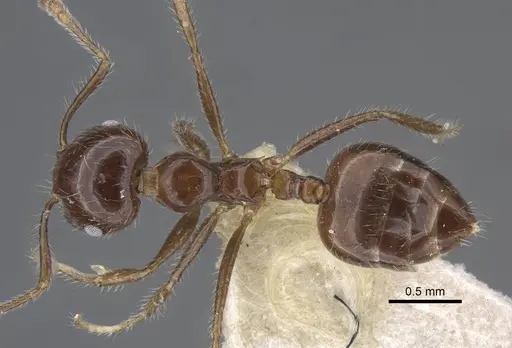
Literatür
Dağılım haritası yükleniyor...Ürünler yükleniyor...