
Cephalotes emeryi
- Bilimsel Adı
- Cephalotes emeryi
- Oymak (Tribe)
- Attini
- Alt Familya
- Myrmicinae
- Yazar (Tanımlayan)
- Forel, 1912
- Dağılım
- 0 ülkede bulundu
Giriş
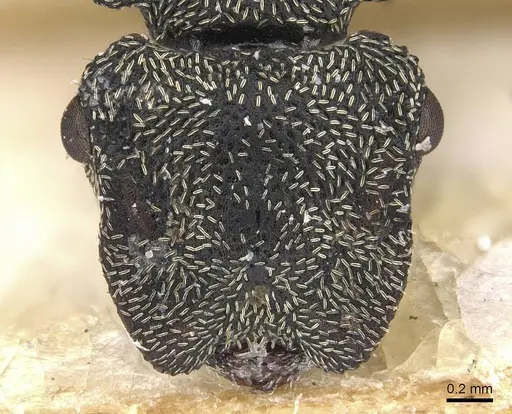
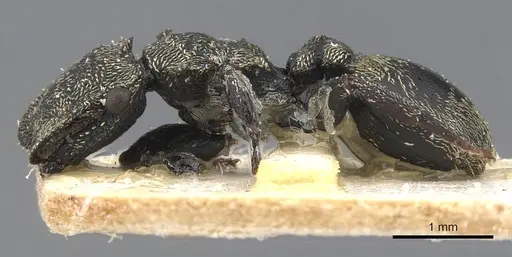
Cephalotes emeryi is a Neotropical ant species belonging to the emeryi clade, found throughout South America . These ants are part of the turtle ant genus, known for their uniquely flattened thoracic nodes that enable controlled gliding falls - an adaptation for arboreal life in forest canopies. Workers are typically dark in coloration and display the characteristic wedge-shaped head that helps seal nest entrances. This species nests naturally in hollow twigs, dead branches, and rotting wood in forest environments.
Quick Summary
- Difficulty: Medium
- Origin & Habitat: South America, found throughout tropical and subtropical regions of the continent [1]. In the wild, these ants are arboreal, nesting in hollow plant material including twigs, dead branches, and rotting wood in forest environments.
- Colony Type: Likely monogyne based on typical Cephalotes patterns, single queen colonies.
- Size & Growth:
- Queen: Size data unavailable, inferred from Cephalotes genus (~8-10mm)
- Worker: Size data unavailable, inferred from Cephalotes genus (4-7mm)
- Colony: Up to several hundred workers at maturity, inferred from genus patterns
- Growth: Slow
- Development: Estimated 8-12 weeks at optimal temperature based on genus patterns for tropical Cephalotes species (Development is slow, expect patience required during founding and early colony stages)
- Antkeeping:
- Temperature: Keep in the warm range, 24-28°C. Tropical species require consistent warmth. A heating cable on one side of the nest creates an appropriate gradient.
- Humidity: Moderate to high humidity (60-80%). These arboreal ants prefer humid conditions but need good ventilation to prevent mold. Keep nest substrate slightly moist but allow some drying between waterings.
- Diapause: No true diapause given their tropical distribution. Slight reduction in activity during cooler months may occur.
- Nesting: Arboreal specialists, they naturally nest in hollow twigs, branches, and dead wood. In captivity, they do well in Y-tong (AAC) nests, plaster nests with narrow chambers, or naturalistic setups with cork or wooden branches. Avoid large, open spaces, they prefer tight-fitting chambers scaled to their size.
- Behavior: Generally peaceful. Workers are slow-moving and docile compared to many ant species. They possess a functional stinger but it is less medically significant to humans than fire ant stings. Their primary defense is the gliding escape behavior enabled by their flattened nodes. Escape prevention is important as they can squeeze through small gaps, use fine mesh and tight-fitting lids. Foraging is typically slow and deliberate, with workers gathering honeydew from aphids and scale insects plus small insects.
- Common Issues: slow growth tests patience, colonies can take months to establish and years to reach significant size, escape risk is moderate due to small worker size, ensure all openings are sealed, colonies are sensitive to drying out, monitor humidity consistently, wild-caught colonies may harbor parasites that can devastate captive populations, limited availability in the antkeeping hobby makes this a challenging species to acquire
Housing and Nest Preferences
Cephalotes emeryi is an arboreal species with specific nesting needs that differ from ground-nesting ants. In nature, these ants excavate or occupy hollow spaces in twigs, dead branches, and rotting wood, typically in forest canopy environments [1]. For captive care, Y-tong (AAC) nests work well because they provide dark, enclosed chambers that mimic natural tree hollows. Plaster nests can also work if kept appropriately moist. Naturalistic setups with cork bark or wooden branches are excellent if you can maintain proper humidity. The key principle is to provide tight-fitting chambers rather than large open spaces, these ants feel secure in snug quarters. Test tubes can work for founding colonies but will need upgrading as the colony grows. Avoid overly wet conditions that could cause mold, but also ensure the nest never completely dries out.
Feeding and Diet
Like other Cephalotes species, C. emeryi is a generalist omnivore with a preference for carbohydrate sources. In captivity, offer sugar water, honey, or diluted maple syrup as a constant energy source. They also readily accept honeydew from kept aphids or scale insects if you maintain such setups. For protein, offer small insects including fruit flies, small crickets, and mealworms, though prey items should be appropriately sized to their worker caste. Some keepers report that Cephalotes prefer liquid or semi-liquid foods, so consider offering protein sources in crushed or pre-killed form. Feed protein roughly twice weekly, with sugar sources always available. Remove uneaten prey after 24-48 hours to prevent mold issues.
Temperature and Heating
Being a tropical South American species, Cephalotes emeryi requires warm conditions to thrive. Maintain temperatures in the range of 24-28°C for optimal colony health and development. Temperatures below 22°C can slow activity and potentially stress the colony, while anything above 32°C risks overheating. A heating cable placed on one side of the nest creates a gentle thermal gradient allowing workers to self-regulate their temperature preferences. Room temperature in most homes may be insufficient, consider using a small heat mat or cable specifically for the nest area. Monitor with a thermometer placed near the nest, not just room temperature.
Humidity and Water
Cephalotes emeryi requires moderate to high humidity, reflecting their arboreal forest habitat. Aim for 60-80% relative humidity in the nest area. The nest substrate should feel slightly moist but never waterlogged or dripping wet. Unlike some ants that need standing water, these arboreal species get most of their moisture from food and a moist substrate. Provide a water test tube with a cotton wick as a backup water source. Good ventilation is essential, stagnant, overly humid air promotes mold growth that can devastate colonies. If you see condensation constantly pooling in the nest, increase ventilation. If the substrate cracks and pulls away from edges, it's too dry.
Colony Growth and Development
Cephalotes colonies are notably slow-growing compared to many common ant species, and C. emeryi follows this pattern. Founding colonies may take 4-6 months to produce their first workers (nanitics), and significant growth to several hundred workers can take 2-3 years under good conditions. This slow pace requires patience from you. The colony will remain small during the founding phase, this is normal, not a sign of problems. Once established with a healthy worker force, growth accelerates somewhat but remains moderate. Colonies are polymorphic, meaning you'll see both smaller minor workers and larger major workers as the colony matures. Major workers develop later and serve as soldiers and food processors.
Behavior and Temperament
Cephalotes emeryi is among the more docile ant species, with workers that move slowly and show little aggression. They possess a functional stinger but their sting is less medically significant to humans than fire ant stings. Their primary defense mechanism is the unique gliding ability enabled by their flattened thoracic nodes. When disturbed, workers can spread these nodes and make controlled falls to escape predators. In the enclosure, they are peaceful inhabitants that won't stress out nearby humans or other pets. Workers are primarily foragers and nurses, with minimal aggressive behavior toward each other. They are not known for major escape attempts, but their small size means they can slip through gaps that larger ants couldn't, fine mesh and tight seals are still important.
Frequently Asked Questions
How long does it take for Cephalotes emeryi to produce first workers?
Expect 4-6 months from founding to first workers (nanitics). Cephalotes are among the slowest-developing ant genera, so patience is essential. The queen will remain sealed in her chamber raising brood until the first workers emerge.
What do Cephalotes emeryi ants eat?
They are generalist omnivores. Offer constant sugar sources (honey water, sugar water, maple syrup) and protein twice weekly (small insects like fruit flies, pinhead crickets, mealworms). They prefer liquid or soft foods over large prey items.
Can I keep multiple Cephalotes emeryi queens together?
This species is likely monogyne (single queen). Combining unrelated queens is not recommended and has not been documented as successful for this species. If you acquire a wild colony, it likely has only one functional queen.
What temperature do Cephalotes emeryi need?
Keep them warm at 24-28°C. Tropical species require consistent heat. A small heat mat or heating cable on part of the nest creates appropriate conditions. Avoid temperatures below 22°C or above 32°C.
Are Cephalotes emeryi good for beginners?
This species is rated as medium difficulty. While docile and interesting, their slow growth, specific humidity needs, and limited availability make them better suited for keepers with some experience rather than complete beginners.
What size nest do Cephalotes emeryi need?
Start with a test tube for founding, then upgrade to a Y-tong or small plaster nest as the colony reaches 50+ workers. They prefer snug chambers scaled to their size rather than large open spaces.
How big do Cephalotes emeryi colonies get?
Based on genus patterns, mature colonies likely reach up to several hundred workers. They are not among the largest ant species, expect a moderately sized colony rather than massive swarms.
Do Cephalotes emeryi need hibernation?
No, being tropical, they do not require true hibernation. However, slight reduction in activity during cooler months is normal. Simply maintain normal room temperatures and they will remain active year-round.
Why is my Cephalotes emeryi colony not growing?
Slow growth is normal for this genus. Ensure proper temperature (24-28°C), humidity (60-80%), and feeding. If the queen appears inactive or the colony stagnates, check for stress from temperature extremes, drying, or improper humidity. Wild-caught colonies may also carry parasites.
Report an Issue
The current care sheet is based fully on literature. See inconsistencies, or something that's incorrect? Please , it will be resolved after review from an admin. Contributing to the blogs tab also helps providing information, to make us be able to further improve the caresheets. Thank you for your support!
References

Bu bakım rehberi şu lisans altındadır: CC BY-SA 4.0 .
Topluluk Blogları
CASENT0909275
AntWeb'de Görüntüle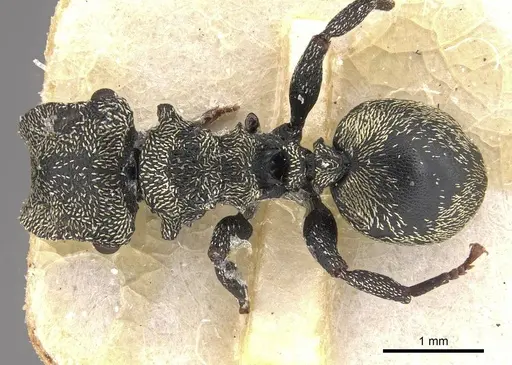
Literatür
Dağılım haritası yükleniyor...Ürünler yükleniyor...