
Cephalotes bohlsi
- Bilimsel Adı
- Cephalotes bohlsi
- Oymak (Tribe)
- Attini
- Alt Familya
- Myrmicinae
- Yazar (Tanımlayan)
- Emery, 1896
- Dağılım
- 0 ülkede bulundu
Giriş
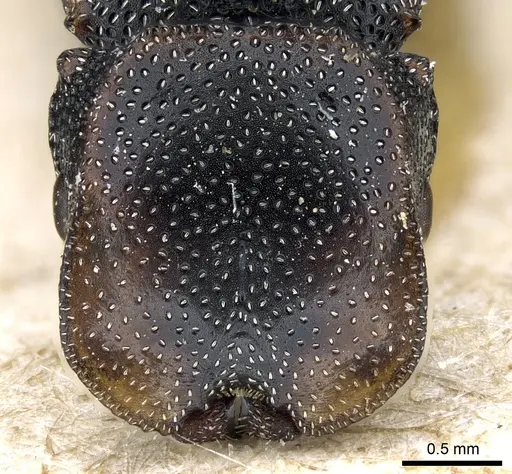
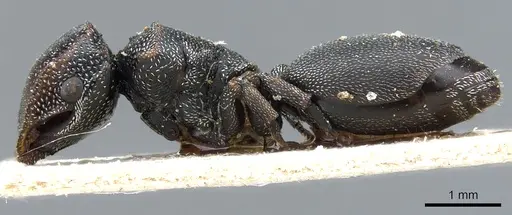
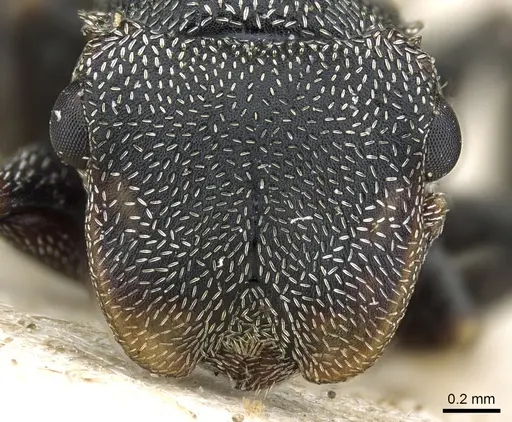
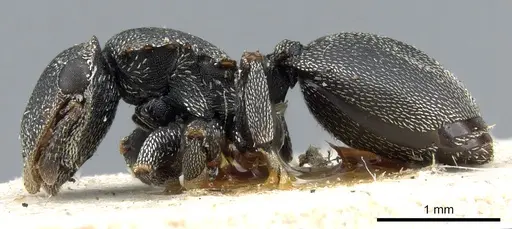
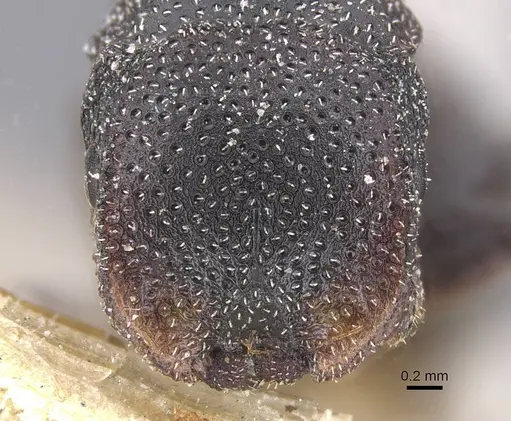
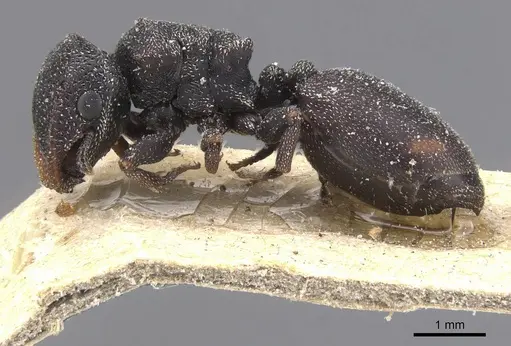
Cephalotes bohlsi is a Neotropical turtle ant species native to the Chacoan region of South America, found in Argentina, Brazil (Mato Grosso), and Paraguay. Workers measure approximately 4.5-5.0mm with a distinctive flattened, shield-like body profile typical of turtle ants, featuring lateral expansions on the head and mesosoma. The species has a well-developed soldier caste at approximately 7.5mm with a broad, disc-like head. This species belongs to the fiebrigi/bruchi group and is sister to Cephalotes bruchi. [AntWiki]
Quick Summary
- Difficulty: Medium
- Origin & Habitat: Native to the Chacoan region of South America, spanning Argentina, Brazil (Mato Grosso), and Paraguay. They inhabit tropical and subtropical forest environments where they typically nest in hollow twigs, branches, and decaying wood in the forest canopy or under bark. [1][2]
- Colony Type: Colony structure is unconfirmed. Like other Cephalotes species, they likely have single-queen colonies with a distinct soldier caste. Turtle ants typically form colonies in pre-existing cavities rather than excavating their own nests.
- Size & Growth:
- Queen: Size data unavailable, queen measurements have not been described in available literature
- Worker: ~4.5-5.0mm (workers), ~7.5mm (soldiers) [1]
- Colony: Colony size is unconfirmed for this species
- Growth: Growth rate is unconfirmed
- Development: Development timeline is unconfirmed for this species (Related Cephalotes species typically develop in 6-10 weeks at tropical temperatures, but specific data for C. bohlsi is not available.)
- Antkeeping:
- Temperature: Keep at 24-28°C, these are tropical ants from the Chacoan region. A gentle temperature gradient is recommended. Room temperature in most homes (20-24°C) may be slightly cool, consider a low-level heating cable on part of the nest.
- Humidity: Moderate to high humidity (60-80%). Turtle ants naturally inhabit humid forest environments. Keep nest substrate lightly moist but not waterlogged. Provide a water tube for drinking water.
- Diapause: No, as a tropical species from the Chaco region, they do not require hibernation. However, they may show reduced activity during cooler periods.
- Nesting: Turtle ants are arboreal nesters in nature, preferring hollow twigs, stems, and decaying wood. In captivity, they do well in Y-tong (AAC) nests or plaster nests with narrow chambers. Avoid overly compact setups, they prefer some vertical space. Provide small twigs or cork bark pieces in the outworld as enrichment.
- Behavior: Turtle ants are defensive but not aggressive toward keepers. Their primary defense is retreat, they quickly seal nest entrances when threatened. Soldiers use their large heads as living plugs to block nest entrances. They are slow-moving and not prone to biting. Escape risk is moderate, workers are 4-5mm so standard barrier methods work well, but they can climb smooth surfaces. They are primarily arboreal foragers, searching for honeydew and small prey in the canopy layer.
- Common Issues: colonies may fail if kept too cold, tropical species require consistent warmth above 24°C, stress from handling or relocation can cause colony decline, minimize disturbance during founding, poor escape prevention leads to losses, they can climb smooth surfaces despite their size, wild-caught colonies may carry parasites, quarantine and observe new colonies carefully, nesting material that is too wet or too dry will cause colony abandonment, monitor substrate moisture
Housing and Nest Setup
Cephalotes bohlsi does well in Y-tong (AAC) nests or plaster formicaria with appropriately sized chambers. The chambers should be sized to the worker size (4-5mm), avoid chambers that are too large as this can cause stress. Provide a water tube connected to a cotton reservoir for drinking water. Since they are arboreal nesters in the wild, adding small pieces of cork bark, twigs, or artificial plants in the outworld gives them natural foraging surfaces. A test tube setup works for founding colonies, use a small test tube (15mm diameter) with a water reservoir. The colony will need to move to a proper nest once the worker count reaches 15-20. [1]
Feeding and Diet
Like other turtle ants, Cephalotes bohlsi likely feeds on honeydew collected from sap-sucking insects (aphids, scale insects, mealybugs) in the wild, along with small insects and nectar. In captivity, offer sugar water or honey water (always available), and protein sources like small crickets, mealworms, or fruit flies 2-3 times per week. They are not aggressive foragers, so place food near nest entrances. Some Cephalotes species will also accept small pieces of fruit. Remove uneaten protein after 24-48 hours to prevent mold. [1]
Temperature and Seasonal Care
Maintain temperatures of 24-28°C year-round. These are tropical ants that do not experience cold winters in their native range. A heating cable or heating mat on one side of the nest creates a temperature gradient, allowing the colony to self-regulate. Place the heating element on top of the nest, not underneath, to avoid drying out the substrate. Room temperature (20-24°C) may be slightly cool, monitor colony activity. If workers cluster near the heated area, the temperature is appropriate. Reduced activity in winter is normal but should not involve true dormancy. [1]
Behavior and Defense
Cephalotes bohlsi has a well-developed soldier caste. Soldiers use their enlarged heads to block nest entrances as a defensive strategy, this is where the common name 'turtle ant' comes from, as they can 'retreat into their shell' by sealing the nest. They are not aggressive toward keepers and rarely bite. When threatened, the colony will retreat into the nest and seal the entrance. Workers are relatively slow-moving compared to many ants. They are primarily nocturnal or crepuscular foragers in the wild. In captivity, they may show activity patterns matching their light cycle. [1]
Colony Growth and Development
Specific development data for Cephalotes bohlsi is not available. Based on related species in the genus, expect 6-10 weeks from egg to first worker at optimal temperatures (24-28°C). Founding colonies will produce nanitic (first) workers that are smaller than normal workers. Growth is typically moderate. The soldier caste appears once the colony reaches a certain size threshold. Turtle ant colonies can live for several years with proper care. [1]
Frequently Asked Questions
How long does it take for Cephalotes bohlsi to produce first workers?
Development time is unconfirmed for this specific species, but based on related Cephalotes species, expect 6-10 weeks from egg to first worker at optimal temperatures of 24-28°C. The first workers (nanitics) will be smaller than normal workers.
What do Cephalotes bohlsi ants eat?
They likely accept sugar sources (honey water, sugar water) and protein (small crickets, mealworms, fruit flies). In the wild, they forage for honeydew from aphids and scale insects. Offer protein 2-3 times per week and keep sugar water available at all times.
What temperature do Cephalotes bohlsi need?
Keep them at 24-28°C. These are tropical ants from the Chacoan region of South America. A heating cable on part of the nest can help maintain optimal temperatures, especially in cooler rooms.
Are Cephalotes bohlsi good for beginners?
This species is rated as Medium difficulty. While beautiful and interesting, there is limited species-specific biological data available. They require warm, humid conditions and a proper arboreal-style nest setup. They are best suited for keepers with some experience who can provide appropriate conditions.
How big do Cephalotes bohlsi colonies get?
Colony size is unconfirmed for this species, but related Cephalotes species typically reach several hundred workers. They have a distinct soldier caste that develops as the colony grows.
Can I keep multiple Cephalotes bohlsi queens together?
Colony structure is unconfirmed for this species. Based on genus patterns, they likely form single-queen colonies. Combining unrelated queens is not recommended as it has not been documented for this species.
Do Cephalotes bohlsi need hibernation?
No, they do not require hibernation. As tropical ants from the Chacoan region, they need year-round warmth (24-28°C). They may show reduced activity during cooler periods but should not enter true diapause.
What type of nest is best for Cephalotes bohlsi?
Y-tong (AAC) nests or plaster formicaria with narrow chambers work well. They are arboreal nesters in nature, so setups that mimic hollow twigs or stems are ideal. Avoid overly large chambers, size them to fit 4-5mm workers.
Why is my Cephalotes bohlsi colony declining?
Common causes include: temperatures below 24°C, incorrect humidity (too dry or too wet), stress from disturbance, poor nutrition, or parasites from wild-caught colonies. Ensure warm, humid conditions and minimal disturbance during founding.
Report an Issue
The current care sheet is based fully on literature. See inconsistencies, or something that's incorrect? Please , it will be resolved after review from an admin. Contributing to the blogs tab also helps providing information, to make us be able to further improve the caresheets. Thank you for your support!
References

Bu bakım rehberi şu lisans altındadır: CC BY-SA 4.0 .
Topluluk Blogları
CASENT0904903
AntWeb'de Görüntüle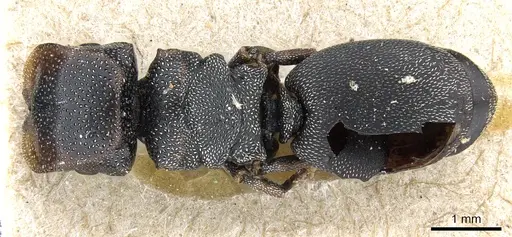
CASENT0904904
AntWeb'de Görüntüle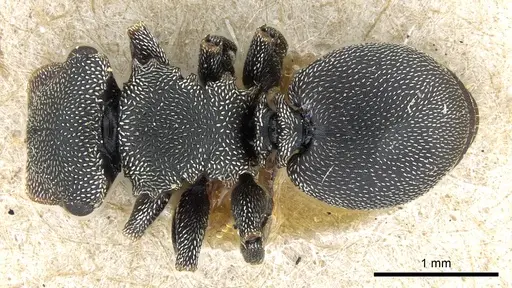
CASENT0912590
AntWeb'de Görüntüle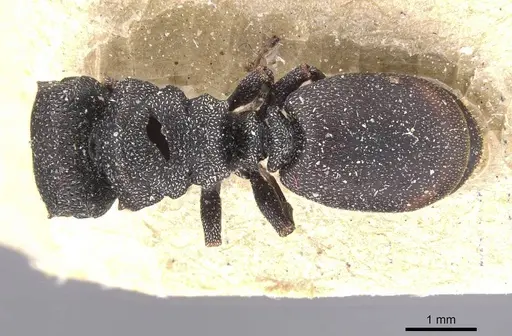
Literatür
Dağılım haritası yükleniyor...Ürünler yükleniyor...