
Carebara curvispina
- Bilimsel Adı
- Carebara curvispina
- Oymak (Tribe)
- Crematogastrini
- Alt Familya
- Myrmicinae
- Yazar (Tanımlayan)
- Xu, 2003
- Dağılım
- 0 ülkede bulundu
Giriş
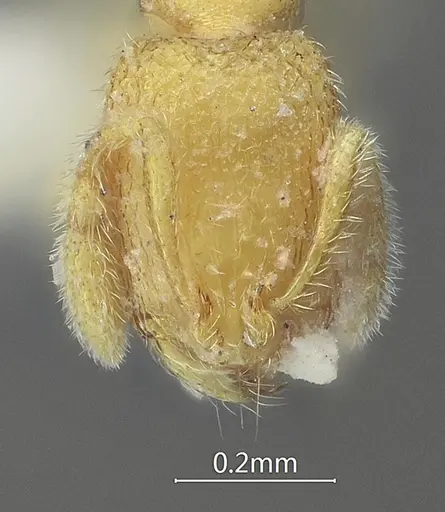
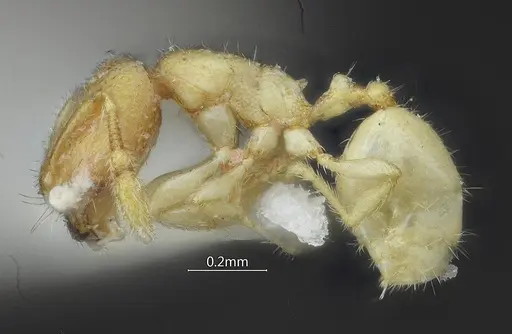
Carebara curvispina is a tiny yellow ant species native to southern China, specifically Yunnan Province. Major workers reach about 3.0-3.6mm in total length, while minor workers are only 1.3-1.4mm [AntWiki]. They have 11-segmented antennae with a 2-segmented club and distinctive downward-curving propodeal teeth. Notably, they lack eyes entirely - a common trait in Carebara species that live in dark microhabitats. The species was originally described in 2003 from specimens collected in a warm conifer forest at 1270m elevation in Jinghong County, Yunnan [AntWiki]. This species remains poorly documented in scientific literature. What makes C. curvispina interesting is its combination of very small size, eye-less morphology, and the presence of major workers with distinct propodeal spines that curve downward - a trait reflected in the species name 'curvispina' meaning 'curved spine' [AntWiki].
Quick Summary
- Difficulty: Unknown, likely Moderate due to small size and limited data
- Origin & Habitat: Yunnan Province, China. Type locality is a warm conifer forest at 1270m elevation in the Jinghong County region [1].
- Colony Type: Colony structure is unconfirmed. The genus Carebara typically forms single-queen colonies.
- Size & Growth:
- Queen: Unconfirmed, no queen specimens have been described in the original description [1].
- Worker: Major workers: 3.0-3.6mm, Minor workers: 1.3-1.4mm total length [1].
- Colony: Unknown, likely small to moderate based on genus patterns.
- Growth: Unknown, likely moderate based on typical Carebara development.
- Development: Unconfirmed for this species. (No direct development data exists for this species.)
- Antkeeping:
- Temperature: Based on the warm conifer forest habitat in Yunnan (subtropical China), aim for roughly 22-28°C. Room temperature in most homes should work well. Avoid temperatures below 18°C or above 32°C.
- Humidity: Keep the nest substrate moderately moist. These ants come from a forested area with likely moderate humidity. The substrate should feel damp but not waterlogged, with some drier areas available.
- Diapause: Unknown, Yunnan has mild winters, so they may not require a true diapause. Consider a cool period (15-18°C) for 2-3 months during winter if the colony shows reduced activity.
- Nesting: Use a test tube setup for founding colonies. For established colonies, a Y-tong (AAC) or plaster nest with small chambers works well given their tiny size. The small worker size (1.3-1.4mm) means chambers should be appropriately scaled.
- Behavior: Behavior is unconfirmed for this species. Based on genus patterns, they are likely generalist foragers that scavenge and may tend aphids for honeydew. Their tiny size and lack of eyes suggest they may be more active in dark spaces or near the soil surface. Major workers (soldiers) likely defend the colony. Escape prevention is critical due to their very small size, they can squeeze through standard test tube barriers. Use fine mesh and tight-fitting lids. As a Myrmicinae species, they have a smear defense mechanism where they wipe venom onto enemies rather than piercing flesh.
- Common Issues: very small size means escapes are likely without fine mesh barriers, lack of documented care means trial and error is required, wild-caught colonies may have parasites that are difficult to treat, test tube setups can flood if water reservoirs are too large for such tiny ants
Nest Preferences and Setup
Carebara curvispina is a very small ant species requiring appropriately scaled nesting spaces. For founding colonies, use a standard test tube setup with a cotton barrier and a small water reservoir, the tube should be narrow enough that the tiny workers can easily walk on the surface without falling into the water. Once the colony reaches 20-30 workers, you can upgrade to a small formicarium or Y-tong nest with chambers sized appropriately for their miniature stature. The nest material should retain some moisture but not become soggy. Given their origin in a warm conifer forest, they likely prefer darker, more enclosed spaces, avoid overly bright or open nest designs. Some keepers have success with plaster nests that allow for subtle humidity control. [1]
Feeding and Diet
Based on typical Carebara feeding habits, these ants are likely generalist scavengers that accept both protein and sugar sources. Offer small prey items like fruit flies, pinhead crickets (cut to appropriate size), mealworms, or other small insects. Due to their tiny size (minor workers are only 1.3-1.4mm), prey items should be very small, wingless fruit flies or small springtails are ideal. They will likely accept sugar water, honey, or diluted maple syrup as energy sources. Feed protein 2-3 times per week and keep a sugar source available at all times. Remove uneaten prey after 24-48 hours to prevent mold. The absence of eyes suggests they may rely more on chemical cues when foraging, so scent-rich foods may be particularly attractive.
Temperature and Seasonal Care
Carebara curvispina comes from Yunnan Province in subtropical China, where temperatures are warm year-round. Maintain nest temperatures between 22-28°C for optimal colony health and development. Room temperature (20-24°C) in most homes should be suitable, but you may need a heating cable or mat if your space runs cooler. Avoid temperatures below 18°C or above 32°C. Regarding winter dormancy, the data is unclear, Yunnan has mild winters, so a strict diapause may not be necessary. However, if your colony becomes less active in winter, you can provide a cool period at 15-18°C for 2-3 months. This cool period may help trigger spring activity but is not strictly required. Monitor your colony's behavior and adjust accordingly. [1]
Handling and Colony Dynamics
This species produces major workers (soldiers) alongside the smaller minor workers, a trait visible in the original type description where major workers measure 3.0-3.6mm while minors are only 1.3-1.4mm [1]. The majors have distinctive downward-curving propodeal teeth and a 6-toothed mandible, while minors have only 5 teeth [1]. Major workers likely serve for colony defense and may help process larger prey items. When handling this species, exercise extreme caution due to their tiny size, they can easily escape through the smallest gaps. Use fluon or similar barriers on test tube rims, and ensure all connections between outworld and nest are sealed. As Myrmicinae, they have a smear defense mechanism where they wipe venom onto attackers rather than stinging.
Frequently Asked Questions
How long does it take for Carebara curvispina to produce first workers?
The egg-to-worker timeline is unconfirmed for this specific species. Based on related tiny Myrmicinae development, expect several weeks from egg to first worker at warm temperatures (24-28°C). The queen will remain sealed in her founding chamber until the first workers emerge.
What do Carebara curvispina ants eat?
Based on typical Carebara feeding behavior, offer small protein sources like fruit flies, tiny crickets, mealworms, or springtails. They likely accept sugar water, honey, or maple syrup. Due to their tiny size (minor workers are only 1.3-1.4mm), prey must be very small. Feed protein 2-3 times weekly with sugar constantly available.
Are Carebara curvispina ants good for beginners?
This species is not ideal for beginners due to limited documented care information and their very small size requiring excellent escape prevention. If you're experienced with tiny ant species and can provide appropriate housing and escape barriers, they can be kept. However, more established species with known care requirements are recommended for those just starting out.
Do Carebara curvispina ants sting?
As a Myrmicinae species, they have a stinger but use a smear defense, they wipe venom onto enemies rather than piercing flesh. Given their tiny size (1.3-1.4mm for workers), the sting is unlikely to penetrate human skin. They are not considered dangerous to humans.
What temperature do Carebara curvispina ants need?
Based on their origin in warm subtropical Yunnan, aim for 22-28°C. Room temperature (20-24°C) is typically suitable. Avoid temperatures below 18°C or above 32°C.
How big do Carebara curvispina colonies get?
Colony size is unconfirmed for this species. Based on typical Carebara genus patterns, colonies likely reach several hundred workers at maximum. The presence of major workers suggests a well-developed caste system typical of larger Carebara colonies.
Can I keep multiple Carebara curvispina queens together?
The colony structure is unconfirmed for this species. The genus Carebara typically has single-queen colonies. Combining unrelated queens has not been documented and is not recommended, queens will likely fight. If you obtain a wild colony, it likely has one founding queen.
Why are my Carebara curvispina ants escaping?
Their tiny size (1.3-1.4mm for minor workers) makes them excellent escape artists. Standard test tube barriers may not contain them. Apply fluon or petroleum jelly to barrier surfaces, use fine mesh on any ventilation, and ensure all connections are tightly sealed. Check for gaps as small as 1mm.
Do Carebara curvispina ants need hibernation?
Diapause requirements are unknown. Given Yunnan's mild climate, a strict hibernation is likely not required. However, a cool period (15-18°C) for 2-3 months during winter may benefit colony cycling. Observe your colony's activity levels, if they naturally slow in winter, provide a mild cool period.
What size nest do Carebara curvispina ants need?
Use small, appropriately scaled nesting chambers. For founding colonies, standard test tubes work if sized appropriately. For established colonies, Y-tong nests or small plaster nests with narrow chambers work well. The key is chambers small enough that the tiny workers can navigate comfortably, oversized chambers can cause stress.
Report an Issue
The current care sheet is based fully on literature. See inconsistencies, or something that's incorrect? Please , it will be resolved after review from an admin. Contributing to the blogs tab also helps providing information, to make us be able to further improve the caresheets. Thank you for your support!
References

Bu bakım rehberi şu lisans altındadır: CC BY-SA 4.0 .
Topluluk Blogları
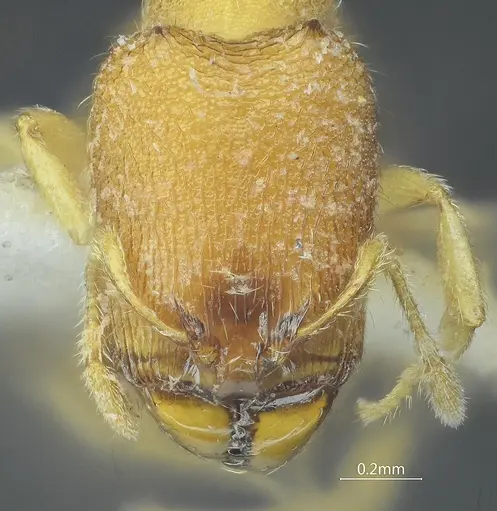
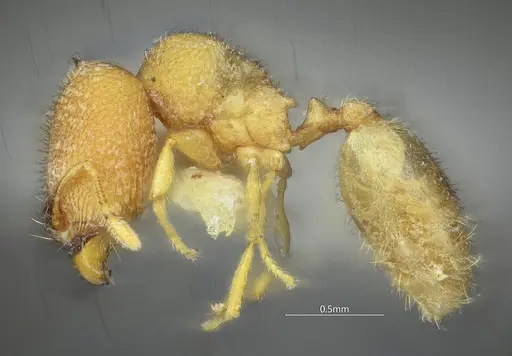
ANTWEB1060556
AntWeb'de Görüntüle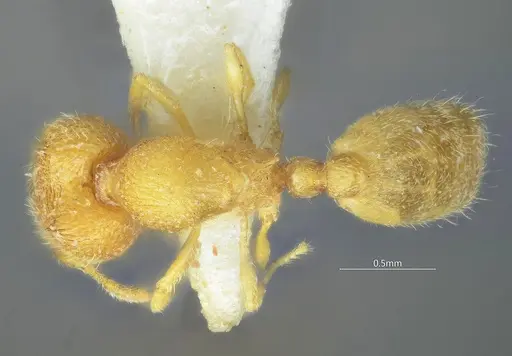
ANTWEB1060557
AntWeb'de Görüntüle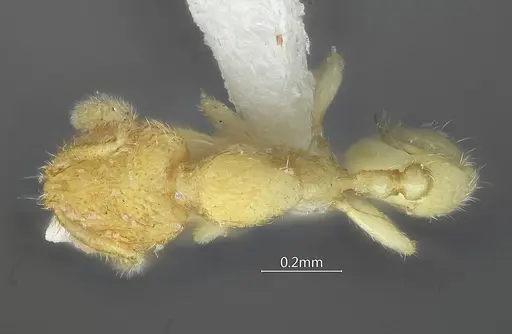
Literatür
Dağılım haritası yükleniyor...Ürünler yükleniyor...