
Cardiocondyla cristata
- Bilimsel Adı
- Cardiocondyla cristata
- Oymak (Tribe)
- Crematogastrini
- Alt Familya
- Myrmicinae
- Yazar (Tanımlayan)
- Santschi, 1912
- Dağılım
- 0 ülkede bulundu
Giriş
Cardiocondyla cristata is a tiny ant species endemic to Madagascar. Workers are small and slender, characteristic of the Cardiocondyla genus. The species was originally described from the Baly Bay region in western Madagascar . This is a poorly documented species with limited scientific study available. The genus Cardiocondyla is known for unusual reproductive behaviors, including ergatoid (wingless) males that can coexist with winged males in some species.
Quick Summary
- Difficulty: Medium
- Origin & Habitat: Endemic to Madagascar, specifically recorded from the Baly Bay region in the west [1]. As a tropical island species, they inhabit warm, humid forest environments.
- Colony Type: Colony structure is unconfirmed for this specific species. Many Cardiocondyla species are known to have single-queen colonies, though some can form multi-queen colonies.
- Size & Growth:
- Queen: Size data unavailable, no specific measurements exist for this species
- Worker: Size data unavailable, worker described in original 1912 description but no measurements provided [1]
- Colony: Unknown for this species
- Growth: Unknown, likely moderate based on genus patterns
- Development: Unknown, no species-specific studies exist (Development time is estimated from genus-level data since specific studies are lacking for this species)
- Antkeeping:
- Temperature: Keep at 24-28°C. These are tropical ants from Madagascar and need warm conditions. A heating cable on one side of the nest can create a gentle gradient.
- Humidity: Moderate to high humidity. Keep the nest substrate moist but not waterlogged. Cardiocondyla species typically prefer conditions that mimic damp forest floor microhabitats.
- Diapause: No, Madagascar is tropical with year-round warm temperatures. No diapause is required.
- Nesting: Natural nesting occurs in soil and small cavities under stones or in rotting wood. In captivity, test tubes work well for founding colonies. For established colonies, a small formicarium with moist substrate (like Y-tong or plaster nest) provides appropriate conditions.
- Behavior: Cardiocondyla cristata is likely a calm, non-aggressive species typical of the genus. Workers are small and may be overlooked by larger ants. They probably forage individually or in small groups for nectar, small insects, and honeydew. Escape prevention is critical due to their tiny size, use fine mesh and ensure all connections are sealed. They are not known to be particularly defensive.
- Common Issues: tiny size makes escape prevention critical, they can squeeze through very small gaps, limited documentation means care requirements are based on genus patterns rather than species-specific studies, humidity control is important, too dry causes desiccation, too wet promotes mold, slow colony growth can frustrate beginners, these are not fast-growing ants, wild-caught colonies may have parasites that are difficult to detect
Housing and Nest Setup
Cardiocondyla cristata can be started in a simple test tube setup. Use a small test tube with a water reservoir separated by a cotton plug. The queen will seal herself in a chamber and raise the first workers without leaving the nest. Once the colony reaches 15-20 workers, you can consider moving them to a small formicarium. A Y-tong or plaster nest with small chambers works well for these tiny ants. The chambers should be appropriately scaled, Cardiocondyla are small ants and don't need large spaces. Keep the nest substrate consistently moist but not flooded. A small outworld area allows workers to forage for food.
Feeding and Diet
Like most Cardiocondyla species, C. cristata likely accepts a varied diet. Offer sugar sources such as diluted honey or sugar water, these ants will readily consume sweet liquids. For protein, provide small prey items like fruit flies, pinhead crickets, or other tiny insects. In the wild, they probably forage for nectar and small arthropods. Feed small amounts every 2-3 days and remove any uneaten prey to prevent mold. A constant sugar water source is recommended for established colonies.
Temperature and Humidity
As a tropical species from Madagascar, these ants need warm conditions. Maintain temperatures between 24-28°C. A heating cable placed on one side of the nest can create a temperature gradient, allowing ants to regulate their own exposure to warmth. For humidity, aim for moderate to high levels, these are forest floor ants that prefer damp conditions. Mist the nest occasionally or use a water reservoir to maintain moisture. Avoid both excessive dryness and stagnant, overly humid conditions which promote mold growth.
Colony Development and Growth
Colony growth is expected to be moderate. The queen will remain sealed in her founding chamber, laying eggs and tending to the first brood. After several weeks, the first workers will emerge. These first workers are typically smaller than mature workers. The colony will grow gradually as more workers emerge and begin foraging. Full maturity may take several months to a year depending on conditions. Be patient, Cardiocondyla colonies are not fast growers compared to some genera like Lasius or Camponotus.
Behavior and Temperament
Cardiocondyla species are generally calm and not particularly aggressive. Workers are small and may form small foraging trails. They are not known for strong defensive behaviors and rarely sting. However, their small size means they can easily escape through tiny gaps. Excellent escape prevention is essential, use fine mesh (at least 0.5mm or smaller), seal all connections, and check for gaps regularly. The genus is known for interesting reproductive behaviors including ergatoid (wingless) males in some species, though this specific species is not well studied.
Defense Mechanism
Cardiocondyla cristata has a modified, flattened stinger used to wipe or smear venom onto enemies rather than piercing flesh. This is typical of the Crematogastrini tribe within Myrmicinae. The venom is primarily used for chemical defense rather than painful stings.
Frequently Asked Questions
How long does it take for Cardiocondyla cristata to have first workers?
Exact development time is unknown for this species. Based on genus patterns, expect first workers to emerge in approximately 6-8 weeks at optimal tropical temperatures (24-28°C).
What do Cardiocondyla cristata ants eat?
They accept sugar sources (honey, sugar water) and small protein prey like fruit flies, pinhead crickets, or other tiny insects. Feed small amounts every 2-3 days and provide a constant sugar water source.
Do Cardiocondyla cristata ants sting?
They are not known for stinging and are considered non-aggressive. Their small size means any sting would be negligible to humans.
What temperature do Cardiocondyla cristata need?
Keep them warm at 24-28°C. These are tropical ants from Madagascar and need consistently warm conditions to thrive.
Are Cardiocondyla cristata good for beginners?
They are moderate difficulty. The main challenges are their tiny size (requiring excellent escape prevention) and relatively slow growth compared to more common species. Their care requirements are based on genus patterns rather than species-specific studies.
How big do Cardiocondyla cristata colonies get?
Exact colony size is unknown for this species. Based on typical Cardiocondyla patterns, colonies likely reach several hundred workers at maximum.
Do Cardiocondyla cristata need hibernation?
No, as a tropical species from Madagascar, they do not require hibernation. Simply maintain warm temperatures year-round.
When should I move Cardiocondyla cristata to a formicarium?
Move them once the colony reaches 15-20 workers. Use a small formicarium with appropriately sized chambers scaled to their tiny body size.
Why are my Cardiocondyla cristata escaping?
Their tiny size allows them to squeeze through very small gaps. Use fine mesh (0.5mm or smaller), seal all connections thoroughly, and check enclosures regularly for any gaps or cracks.
Can I keep multiple Cardiocondyla cristata queens together?
This has not been documented for this specific species. Most Cardiocondyla are single-queen colonies. It is not recommended to combine unrelated queens.
Report an Issue
The current care sheet is based fully on literature. See inconsistencies, or something that's incorrect? Please , it will be resolved after review from an admin. Contributing to the blogs tab also helps providing information, to make us be able to further improve the caresheets. Thank you for your support!
References

Bu bakım rehberi şu lisans altındadır: CC BY-SA 4.0 .
Topluluk Blogları
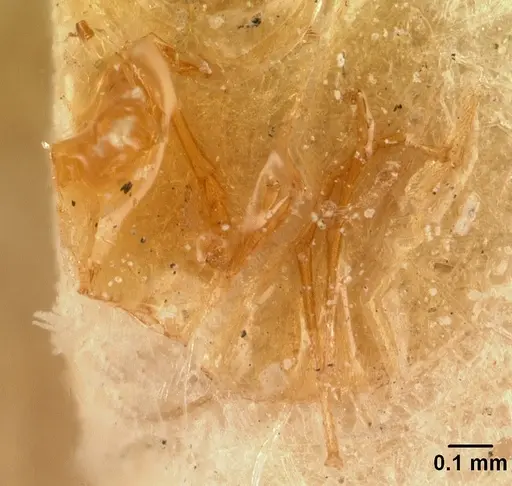
CASENT0101128
AntWeb'de Görüntüle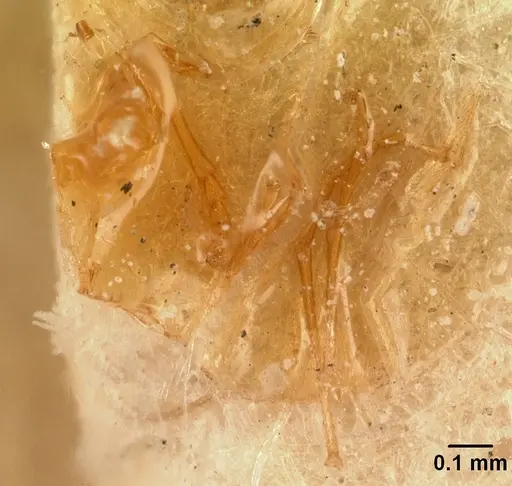
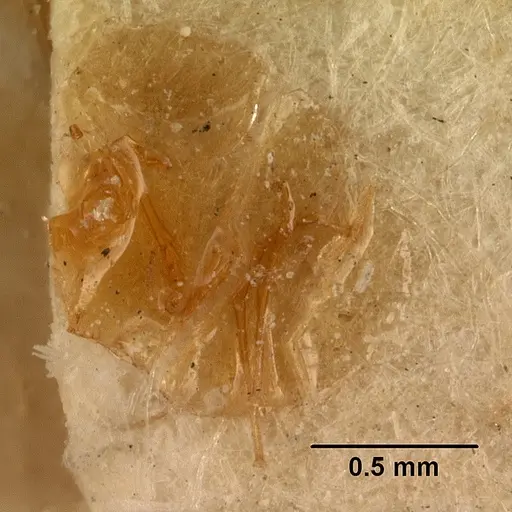
Literatür
Dağılım haritası yükleniyor...Ürünler yükleniyor...