
Camponotus virulens
- Bilimsel Adı
- Camponotus virulens
- Alt Cins
- Tanaemyrmex
- Oymak (Tribe)
- Camponotini
- Alt Familya
- Formicinae
- Yazar (Tanımlayan)
- Smith, 1861
- Dağılım
- 0 ülkede bulundu
Giriş
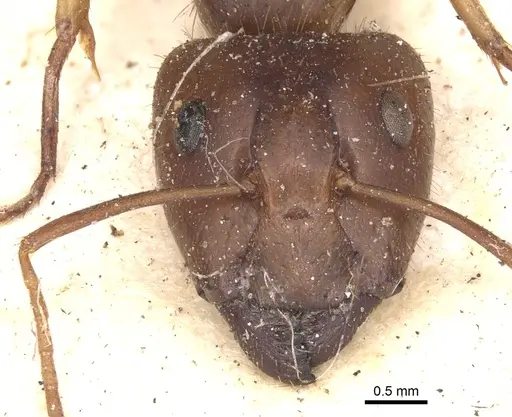
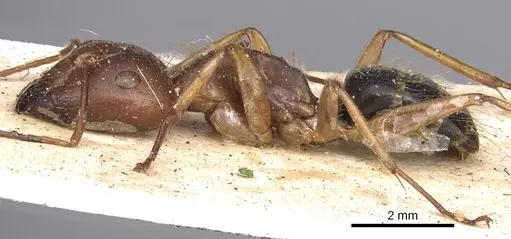
Camponotus virulens is a carpenter ant species originally described from Celebes (Sulawesi) and Tondano in Indonesia . As a Camponotus species, these ants have the typical carpenter ant body plan: a rounded thorax, a distinct constriction between the thorax and abdomen, and a smooth dorsal surface. Workers are polymorphic, meaning they come in different sizes from small minors to large majors. The specific coloration for this species is not well documented in available literature. In their natural tropical habitat in Sulawesi, they likely nest in rotting wood or under bark, which is typical for the genus. This is a tropical species from a region near the equator, meaning they are adapted to warm, humid conditions year-round.
Quick Summary
- Difficulty: Medium
- Origin & Habitat: Celebes (Sulawesi) and Tondano, Indonesia, tropical island environment [1]. Likely inhabits lowland rainforest areas where humidity is high and temperatures remain warm throughout the year.
- Colony Type: Colony structure is unconfirmed for this specific species. Most Camponotus species are monogyne (single queen), but some can be polygynous. The genus typically forms colonies with one founding queen that establishes a permanent nest.
- Size & Growth:
- Queen: Estimated 12-16mm based on typical Camponotus queen size range, no direct measurement available for this species
- Worker: Estimated 4-12mm (polymorphic majors and minors) based on genus patterns
- Colony: Likely reaches several thousand workers at maturity based on typical Camponotus colony development
- Growth: Moderate, tropical species typically develop faster than temperate species
- Development: Estimated 6-8 weeks at optimal tropical temperatures (25-28°C) based on genus-level data for Camponotus species (Development time is inferred from related tropical Camponotus species, no direct measurements available for C. virulens)
- Antkeeping:
- Temperature: Keep at 24-28°C. Tropical species require warm conditions year-round. A heating cable on one side of the nest creates a suitable gradient.
- Humidity: Maintain moderate to high humidity (60-80%). These ants come from a tropical island where humidity is consistently high. Keep the nest substrate moist but not waterlogged.
- Diapause: Unlikely to require true diapause, tropical species do not experience the cold winters that trigger hibernation in temperate ants. However, they may slow down slightly during cooler periods.
- Nesting: Y-tong (AAC) nests work well for this species. They will also accept wooden formicariums or plaster nests. Provide damp substrate as they prefer humid conditions.
- Behavior: Typical Camponotus temperament, generally calm and not aggressive toward keepers, but majors can deliver a bite if threatened. Workers are primarily nocturnal or crepuscular in their foraging activity. They are omnivorous, feeding on honeydew, sugar water, and protein sources like insects. Escape risk is moderate, use standard barrier methods but they are not particularly small or agile. As with other Formicinae ants, they lack a functional sting and instead bite and spray formic acid from their acidopore.
- Common Issues: queen may die during founding if conditions are too dry or cool, colonies grow slowly in the first few months, patience is required, tropical species may struggle if room temperature drops below 22°C, mold can become an issue if the nest is kept too wet, workers dying outside the nest is normal, sick ants leave to protect the colony
Origin and Natural Habitat
Camponotus virulens originates from Sulawesi (formerly Celebes), an Indonesian island in the tropical Pacific. The type locality includes Tondano, a region in North Sulawesi [1]. This island has a hot, humid tropical climate with year-round temperatures in the mid-20s to low-30s Celsius and high rainfall. In their natural habitat, these ants likely nest in rotting logs, under bark, or in hollow branches of trees, typical nesting sites for Camponotus species. The forest environments of Sulawesi provide consistent warmth and moisture that these ants require.
Temperature Requirements
As a tropical species from near the equator, Camponotus virulens requires warm temperatures to thrive. Keep the nest area at 24-28°C for optimal brood development. Temperatures below 22°C may slow their growth significantly, while temperatures above 32°C can be harmful. A heating cable placed on one side of the nest creates a temperature gradient allowing ants to self-regulate. Room temperature may be sufficient if your home stays in the mid-20s, but a small heat mat can ensure consistent warmth. Avoid placing the nest in direct sunlight or near air conditioning vents that create temperature fluctuations.
Humidity and Nesting
These ants need moderate to high humidity to stay healthy. Keep the nest substrate consistently moist but not flooded, the substrate should feel damp to the touch. A water tube attached to the nest provides a humidity reservoir. For nesting, Y-tong (AAC) nests work well as they allow you to control moisture levels easily. Wooden formicariums or plaster nests are also suitable alternatives. Avoid completely dry nests or overly wet conditions that could cause mold. Good ventilation helps prevent stagnant air while maintaining humidity.
Feeding and Diet
Camponotus virulens is omnivorous like most carpenter ants. Provide a constant source of sugar water or honey water, they will readily accept these. For protein, offer insects such as mealworms, crickets, or other small arthropods. They typically forage at night, so placing food in the evening often yields better results. Feed them small prey items appropriate to their worker size, they can handle medium-sized insects. Remove uneaten prey after 24-48 hours to prevent mold. A varied diet helps ensure healthy colony development.
Colony Development
A newly mated queen will seal herself in a chamber and raise her first brood alone. The claustral founding process takes several weeks as she lives off stored fat reserves while her eggs develop into larvae and then pupae. The first workers, called nanitics, are typically smaller than normal workers. After the nanitics emerge, the queen stops foraging entirely and focuses on egg-laying while workers take over all colony tasks. Colony growth is moderate, expect several months before you have a established colony with 20-50 workers. Full maturity, with thousands of workers, may take several years.
Defense Mechanism
Like other ants in the subfamily Formicinae, Camponotus virulens lacks a functional sting. When threatened, workers will bite the target and spray a stream of concentrated formic acid from their acidopore into the wound. This is the primary defense mechanism for the Camponotini tribe. The bite is generally mild, but the formic acid can cause irritation.
Frequently Asked Questions
How long does it take for Camponotus virulens to produce first workers?
Expect first workers (nanitics) to emerge in 6-8 weeks after the queen lays eggs, assuming optimal temperatures around 25-28°C. This is estimated from related Camponotus species as specific development data for C. virulens is not available.
What temperature do Camponotus virulens ants need?
Keep them at 24-28°C. This tropical species requires warm conditions year-round. A small heating cable or heat mat on part of the nest helps maintain these temperatures.
Do Camponotus virulens ants need hibernation?
No, they do not require hibernation. Being a tropical species from Sulawesi, they are adapted to year-round warm conditions. They may slow down slightly during cooler periods but do not need a cold diapause.
What do Camponotus virulens eat?
They are omnivorous. Offer sugar water or honey constantly, and provide protein sources like small insects (mealworms, crickets) several times per week. They typically forage at night.
Are Camponotus virulens good for beginners?
This species is rated Medium difficulty. They are more forgiving than some tropical species but require warm, humid conditions that may need active management. Their moderate size and typical calm temperament make them manageable for those with some antkeeping experience.
How big do Camponotus virulens colonies get?
Based on typical Camponotus patterns, colonies likely reach several thousand workers at maturity. This may take several years of growth from a single founding queen.
Can I keep multiple Camponotus virulens queens together?
Colony structure is unconfirmed for this species. Most Camponotus are monogyne (single queen), so keeping multiple unrelated queens together is not recommended unless you observe them accepting each other.
When should I move Camponotus virulens to a formicarium?
Keep them in a test tube setup for the founding stage. Once the colony reaches 30-50 workers and you see they are active and healthy, you can move them to a proper nest like a Y-tong or wooden formicarium.
What humidity level do Camponotus virulens need?
Maintain 60-80% humidity. Keep the nest substrate consistently moist but not waterlogged. A water tube attached to the nest helps maintain humidity levels.
Report an Issue
The current care sheet is based fully on literature. See inconsistencies, or something that's incorrect? Please , it will be resolved after review from an admin. Contributing to the blogs tab also helps providing information, to make us be able to further improve the caresheets. Thank you for your support!
References

Bu bakım rehberi şu lisans altındadır: CC BY-SA 4.0 .
Topluluk Blogları
CASENT0901912
AntWeb'de Görüntüle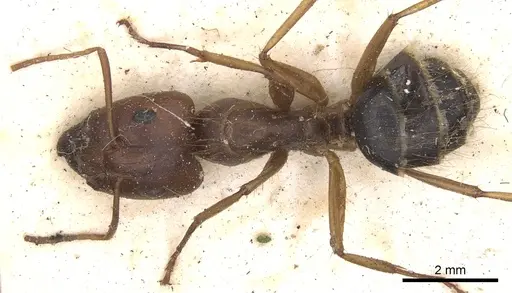
Literatür
Dağılım haritası yükleniyor...Ürünler yükleniyor...