
Camponotus tenuipes
- Bilimsel Adı
- Camponotus tenuipes
- Alt Cins
- Tanaemyrmex
- Oymak (Tribe)
- Camponotini
- Alt Familya
- Formicinae
- Yazar (Tanımlayan)
- Smith, 1857
- Dağılım
- 0 ülkede bulundu
Giriş
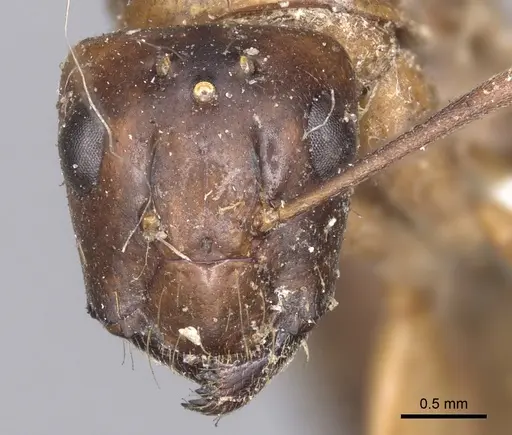
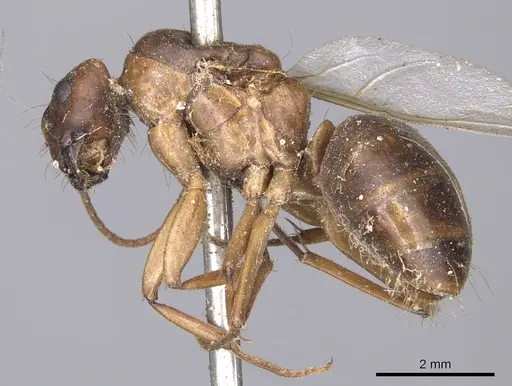
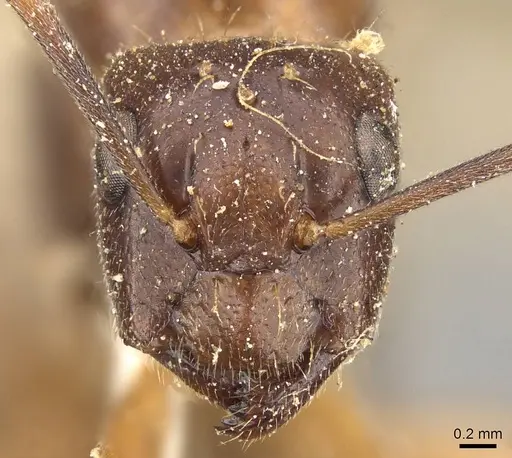
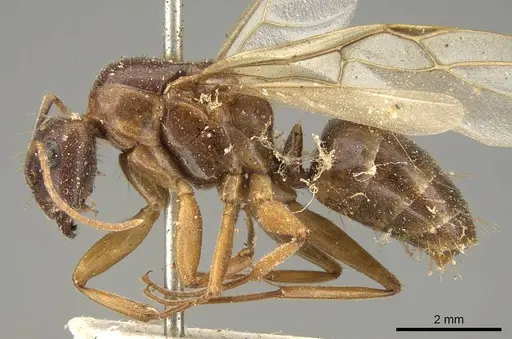
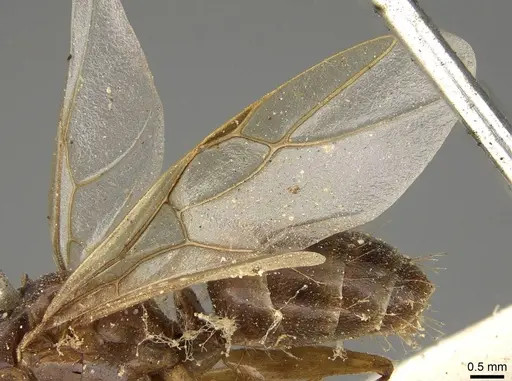
Camponotus tenuipes is a medium-sized ant species originally described from Borneo by Frederick Smith in 1857. The queen measures approximately 9mm (4 lines) in length . This species belongs to the subgenus Tanaemyrmex. Workers are polymorphic with major and minor castes. In the wild, these ants are found in the Indomalaya region, specifically Borneo, Indonesia, and Malaysia, where they nest in rotting wood or under bark in tropical forest environments . This is a tropical species with limited scientific study. Like other carpenter ants in the Tanaemyrmex subgenus, they are generally robust in build. They are not aggressive by nature but will defend their nest if threatened. Their tropical origin means they do not require hibernation and prefer consistently warm, humid conditions year-round.
Quick Summary
- Difficulty: Medium
- Origin & Habitat: Borneo, Indonesia, and Malaysia, tropical rainforest environments. They nest in rotting wood, under bark, and in decaying tree stumps in humid forest habitats [2][3].
- Colony Type: Likely monogyne based on typical Camponotus patterns. Multiple queens have not been documented in wild colonies.
- Size & Growth:
- Queen: Approximately 9mm (4 lines) [1].
- Worker: Size data unavailable, no worker measurements exist in the research context.
- Colony: Colony size data unavailable for this species.
- Growth: Moderate, typical for medium-sized Camponotus species
- Development: Development time is unconfirmed for this species. Based on related Camponotus species, expect 8-12 weeks at optimal temperature. (Development time is temperature-dependent. Warmer temperatures within safe range accelerate development. First workers (nanitics) typically emerge smaller than mature major workers.)
- Antkeeping:
- Temperature: Keep at 24-28°C (75-82°F). A gentle gradient allowing workers to self-regulate is ideal. This tropical species does not tolerate cool temperatures well, avoid dropping below 20°C.
- Humidity: High humidity required, around 70-80%. Keep the nest substrate consistently moist but not waterlogged. These ants come from humid tropical forests and need damp conditions to prevent desiccation.
- Diapause: No, this is a tropical species from Borneo. They do not require hibernation or winter rest. Maintain warm temperatures year-round.
- Nesting: In captivity, they do well in Y-tong (AAC) nests, plaster nests, or naturalistic setups with rotting wood. They prefer dark, humid nest chambers. Avoid dry environments or excessive ventilation that causes drying.
- Behavior: Generally calm and non-aggressive toward keepers. Workers are moderately active foragers that search for protein and sugar sources. Major workers can deliver a bite if provoked, but they are not particularly aggressive. They are moderate escape artists, their size makes them visible, but they can still squeeze through small gaps. Use standard barrier methods like Fluon on test tube rims. They are primarily nocturnal or crepuscular in activity, often becoming more active in the evening hours.
- Common Issues: tropical species is sensitive to temperature drops, cold kills colonies quickly, high humidity requirements can lead to mold problems if ventilation is poor, founding behavior is unconfirmed, queen may need more attention during claustral phase, wild-caught queens may have parasites or damage from collection, larger colony sizes require eventual upgrade to spacious formicaria
Housing and Nest Setup
Camponotus tenuipes does well in several captive setups. Y-tong (AAC) nests work well because you can control humidity easily and observe the colony. Plaster nests also work well, provided you keep them moist. Naturalistic setups with rotting wood pieces simulate their natural environment and allow for more interesting behavior observation. For founding queens, use a standard test tube setup with a water reservoir. The tube should be dark (wrap with paper or use an opaque background) to simulate the dark cavities they naturally choose. Once the colony reaches 15-20 workers, you can consider moving them to a formicarium, but many keepers successfully raise them in test tubes until they outgrow them. The key is maintaining high humidity while preventing mold, use proper ventilation holes, not complete sealing.
Feeding and Diet
Like other Camponotus species, C. tenuipes is omnivorous and will accept a variety of foods. Protein sources are essential for brood development, offer small insects like fruit flies, small crickets, mealworms, or waxworms. Sugar sources are readily accepted and help sustain workers: offer sugar water, honey, or diluted maple syrup. In the wild, they likely forage for honeydew from aphids and scale insects, so providing sugar is important. Feed protein 2-3 times per week, removing uneaten prey after 24 hours. Sugar water should be available constantly in a small container. Fresh water should always be accessible. During the founding phase, the queen does not eat, she relies on stored fat reserves. Once workers arrive, they will readily accept offered foods.
Temperature and Seasonal Care
This tropical species requires warm conditions year-round. Maintain temperatures between 24-28°C (75-82°F) in the nest area. A slight temperature gradient allows workers to self-regulate, place a heating cable on one side of the nest set to around 28°C while leaving the other side at room temperature. Never allow temperatures to drop below 20°C, as this can stress or kill colonies. Unlike temperate Camponotus species, they do not enter diapause or hibernation. Keep them at consistent temperatures throughout the year. Room temperature in heated homes is often adequate, but monitor with a thermometer. Cold drafts near windows or doors can be problematic, position the colony away from these areas.
Colony Development and Growth
Colony growth follows typical Camponotus patterns. After the queen lays her first eggs (usually within 1-2 weeks of mating), eggs develop through larval and pupal stages to produce first workers (nanitics). The exact timeline is unconfirmed for this species, based on related species, expect first workers in approximately 8-12 weeks at optimal temperature. These first workers are typically smaller than mature workers. The colony grows slowly at first, the queen stops laying many eggs once she has workers to support her. Growth accelerates as the worker population increases because more foragers means more food. Major workers (soldiers) typically appear when the colony reaches several hundred workers. A mature colony may contain several thousand workers and can live for many years, Camponotus queens can live 15-20 years in captivity.
Behavior and Handling
Camponotus tenuipes is generally calm and manageable. Workers are not particularly aggressive and will typically flee rather than attack when the nest is disturbed. However, major workers can deliver a mild bite if handled roughly or if the nest is directly threatened. They are primarily nocturnal in activity, often becoming more active in the evening and night hours. Workers forage individually for protein and sugar sources, using chemical trails to recruit nestmates to large food finds. They are moderate in activity level, not hyperactive like some smaller species, but consistently busy once established. Their larger size makes them easier to observe than tiny ants, though they can squeeze through surprisingly small gaps due to their flexible abdomens.
Frequently Asked Questions
How long does it take for Camponotus tenuipes to have first workers?
First workers (nanitics) typically appear in 8-12 weeks at optimal temperature (25-28°C). This timeline is based on related Camponotus species, the exact time is unconfirmed for this species. Warmer conditions within safe range speed development, while cooler temperatures delay it.
Do Camponotus tenuipes ants need hibernation?
No. This is a tropical species from Borneo and does not require hibernation or winter rest. Keep them warm year-round at 24-28°C.
What do Camponotus tenuipes eat?
They are omnivorous. Offer protein sources like small insects (fruit flies, mealworms, small crickets) 2-3 times per week. Provide constant access to sugar water, honey, or diluted maple syrup. Fresh water should always be available.
Are Camponotus tenuipes good for beginners?
They are intermediate in difficulty. They require warm, humid conditions which are easy to maintain, but their tropical nature means they are sensitive to temperature drops. Their slower founding phase requires patience.
How big do Camponotus tenuipes colonies get?
Colony size data is unavailable for this species. Based on typical Camponotus patterns, mature colonies may reach several thousand workers over several years. The queen can live 15-20 years, so colonies can become quite substantial with proper care.
What humidity do Camponotus tenuipes need?
High humidity around 70-80% is ideal. Keep the nest substrate consistently moist but not waterlogged. These tropical ants are prone to desiccation in dry conditions.
When should I move my Camponotus tenuipes to a formicarium?
Move them when the test tube becomes crowded (typically 15-30 workers) or when the water reservoir runs low. Many keepers successfully raise them in test tubes for the first year or two.
Can I keep multiple Camponotus tenuipes queens together?
This is not recommended. Camponotus are typically monogyne (single queen). Combining unrelated foundress queens often results in fighting and colony failure.
What temperature is best for Camponotus tenuipes?
Keep nest areas at 24-28°C (75-82°F). Use a gentle gradient so workers can self-regulate. Avoid temperatures below 20°C.
Report an Issue
The current care sheet is based fully on literature. See inconsistencies, or something that's incorrect? Please , it will be resolved after review from an admin. Contributing to the blogs tab also helps providing information, to make us be able to further improve the caresheets. Thank you for your support!
References

Bu bakım rehberi şu lisans altındadır: CC BY-SA 4.0 .
Topluluk Blogları
CASENT0901904
AntWeb'de Görüntüle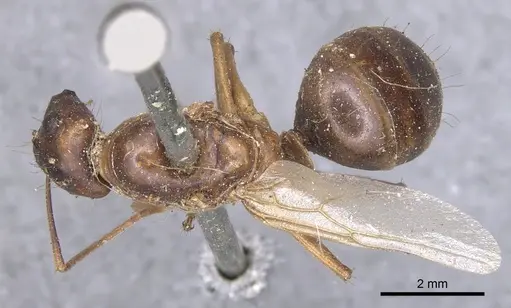
CASENT0914002
AntWeb'de Görüntüle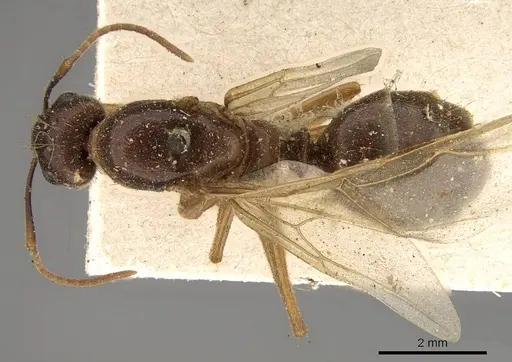
Literatür
Dağılım haritası yükleniyor...Ürünler yükleniyor...