
Camponotus posticus
- Bilimsel Adı
- Camponotus posticus
- Alt Cins
- Tanaemyrmex
- Oymak (Tribe)
- Camponotini
- Alt Familya
- Formicinae
- Yazar (Tanımlayan)
- Santschi, 1926
- Dağılım
- 0 ülkede bulundu
Giriş
Camponotus posticus is a carpenter ant species native to the Democratic Republic of Congo in tropical Africa . Workers are polymorphic, meaning they come in different sizes - larger major workers and smaller minor workers. The genus is known for their robust build and powerful mandibles. These ants are forest-dwelling species that naturally nest in rotting wood or under stones in their native habitat.
Quick Summary
- Difficulty: Medium
- Origin & Habitat: Democratic Republic of Congo, tropical forest environment [1]
- Colony Type: Unconfirmed, no specific literature on colony structure for this species
- Size & Growth:
- Queen: Size data unavailable, inferred from Camponotus genus patterns (~12-18mm)
- Worker: Size data unavailable, inferred from Camponotus genus patterns (polymorphic, majors ~8-14mm, minors ~4-7mm)
- Colony: Size data unavailable
- Growth: Moderate
- Development: Estimated 6-10 weeks based on typical Camponotus development (Development time varies with temperature, warmer conditions within safe range accelerate development)
- Antkeeping:
- Temperature: Keep warm and stable, roughly low-to-mid 20s°C. Monitor and adjust based on colony behavior.
- Humidity: Keep nest substrate consistently moist but not waterlogged. Provide a water tube in the outworld.
- Diapause: Unlikely required, tropical species from DRC does not experience harsh winters. Maintain consistent conditions year-round.
- Nesting: Y-tong (AAC) nests or plaster nests work well. They prefer dark, secure nesting areas. Provide a test tube setup for founding colonies, then transition to a formicarium as the colony grows.
- Behavior: Typical Camponotus temperament, generally calm but will defend the nest if threatened. Workers are moderately active foragers. Major workers can deliver a bite with their powerful mandibles. As a larger species, escape prevention should be moderate but they can still climb smooth surfaces.
- Common Issues: tropical species may struggle if temperatures drop too low, monitor closely, colonies can stall if humidity is too low, dry conditions cause stress and mortality, founding queens may be sensitive to disturbance, minimize vibrations and light during founding, overfeeding can lead to mold in nest areas, remove uneaten protein promptly, large colonies need space to expand, transfer to larger formicarium before they become cramped
Housing and Nest Setup
For founding colonies, a simple test tube setup works well. Fill a test tube with water and plug the end with cotton, this provides humidity for several weeks. Place the tube in a dark, quiet location and avoid disturbing the queen during the founding period. Once the first workers emerge and the colony reaches 20-30 workers, you can transition to a small formicarium. Y-tong (AAC) nests or plaster nests are ideal for Camponotus because they provide the darkness and humidity these ants prefer. Ensure the outworld is escape-proof, while not tiny, they can still climb smooth surfaces. Add a water tube or small dish for drinking water.
Feeding and Diet
Camponotus posticus is omnivorous like most carpenter ants. Offer sugar sources consistently, honey water, sugar water, or commercial ant nectar is readily accepted. For protein, provide insects such as mealworms, crickets, or other small arthropods. Feed protein several times per week, adjusting based on colony size. Remove any uneaten protein within 24 hours to prevent mold. Some keepers also report that these ants will accept fruit or small amounts of seeds, but protein should remain the primary food source for healthy brood development.
Temperature and Heating
As a tropical species from the Democratic Republic of Congo, Camponotus posticus requires warm conditions. Maintain nest temperatures in the low-to-mid 20s°C range. Below typical room temperature, colony activity may slow and brood development may stall. Use a heating cable or heating mat on one side of the nest to create a temperature gradient, this allows the ants to move to their preferred temperature zone. Place the heating element on top of the nest, not underneath, to prevent excessive drying of the substrate. Monitor with a thermometer to ensure conditions stay within acceptable range.
Humidity Management
Keep the nest substrate consistently moist but not waterlogged. The substrate should feel damp to the touch. For test tube setups, the cotton plug maintains humidity for weeks. For formicarium nests, check daily and rehydrate when the surface begins drying. Provide a water tube in the outworld so workers can drink. Good ventilation is important to prevent mold, but avoid excessive airflow that dries the nest.
Colony Development
Founding typically takes several weeks before the first workers emerge, depending on temperature. The queen will lay eggs, which develop through larval and pupal stages before emerging as nanitic workers, these are typically smaller than normal workers. After nanitics emerge, the colony enters a growth phase. Camponotus colonies are polymorphic, meaning you'll see both major and minor workers. Growth rate depends heavily on feeding quality and temperature consistency.
Behavior and Temperament
Camponotus posticus has a typical carpenter ant temperament, generally calm and not aggressive toward keepers, but defensive of their nest. Workers are active foragers who will search for food in the outworld. Major workers have powerful mandibles and can deliver a noticeable bite if handled roughly or if the nest is threatened. They are not considered dangerous to humans. These ants are primarily nocturnal or crepuscular in the wild, so you may see more activity during evening hours. They communicate through chemical trails and will recruit nestmates to food sources.
Frequently Asked Questions
How long does it take for Camponotus posticus to have first workers?
First workers typically emerge 6-10 weeks after the queen lays eggs, assuming optimal temperatures. This timeline varies based on temperature, warmer conditions within the safe range speed up development, while cooler temperatures can significantly delay it.
What do Camponotus posticus ants eat?
They are omnivorous. Offer sugar sources (honey water, sugar water, or ant nectar) constantly. For protein, feed insects like mealworms, crickets, or other small arthropods several times per week. Remove uneaten food promptly to prevent mold.
Do Camponotus posticus ants need hibernation?
No. As a tropical species from the Democratic Republic of Congo, they do not require hibernation. Maintain consistent warm conditions year-round.
Are Camponotus posticus good for beginners?
This species is rated as Medium difficulty. They are more forgiving than some exotic species but require warm, stable conditions. Beginners should have some basic antkeeping experience before attempting this species.
How big do Camponotus posticus colonies get?
Colony size data is unavailable for this species. Based on typical Camponotus patterns, mature colonies can reach several thousand workers over several years. They are polymorphic, so you'll see both large major workers and smaller minor workers.
When should I move Camponotus posticus to a formicarium?
Move from the test tube to a formicarium once the colony reaches 20-30 workers. Ensure the formicarium has appropriate humidity control and darkness. Y-tong (AAC) nests or plaster nests work well for this species.
Can I keep multiple Camponotus posticus queens together?
Colony type is unconfirmed for this species. Combining unrelated queens is not recommended as they may fight. Only one queen per colony should be kept.
What temperature is ideal for Camponotus posticus?
Keep nest temperatures in the low-to-mid 20s°C range. Use a heating cable on one side of the nest to create a gradient. Avoid temperatures below typical room temperature or above 30°C.
Why is my Camponotus posticus colony not growing?
Common causes include: temperatures too low, low humidity, poor nutrition, or disturbance during founding. Check all parameters and ensure the queen is healthy and still laying eggs. Colonies can also stall if they need more space.
Report an Issue
The current care sheet is based fully on literature. See inconsistencies, or something that's incorrect? Please , it will be resolved after review from an admin. Contributing to the blogs tab also helps providing information, to make us be able to further improve the caresheets. Thank you for your support!
References

Bu bakım rehberi şu lisans altındadır: CC BY-SA 4.0 .
Topluluk Blogları
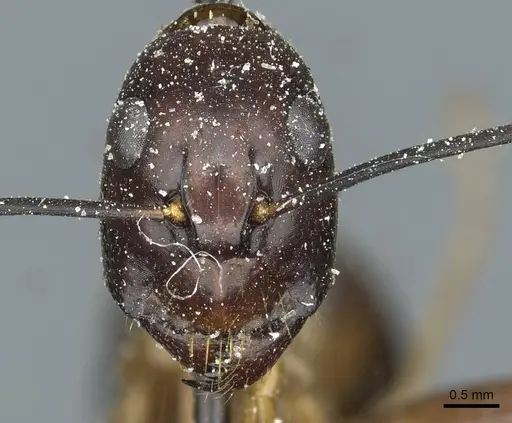
CASENT0912016
AntWeb'de Görüntüle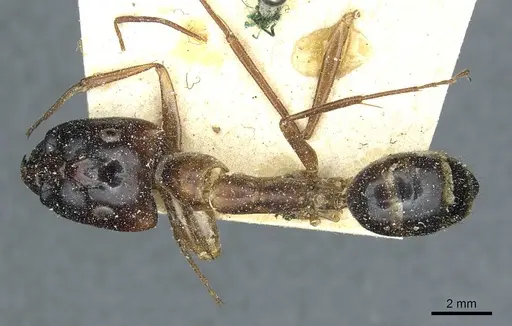
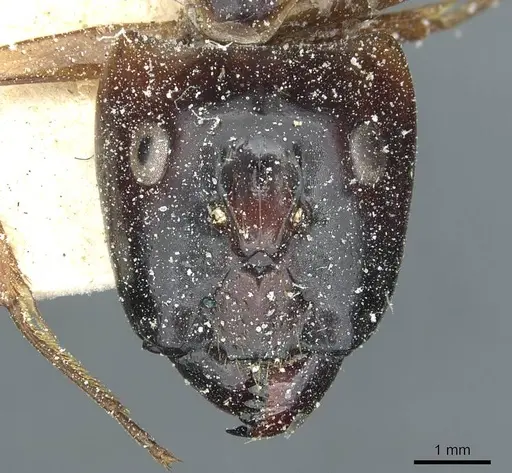
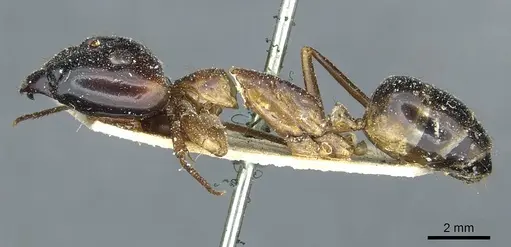
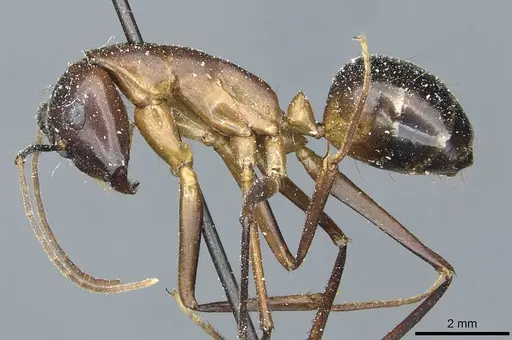
CASENT0912017
AntWeb'de Görüntüle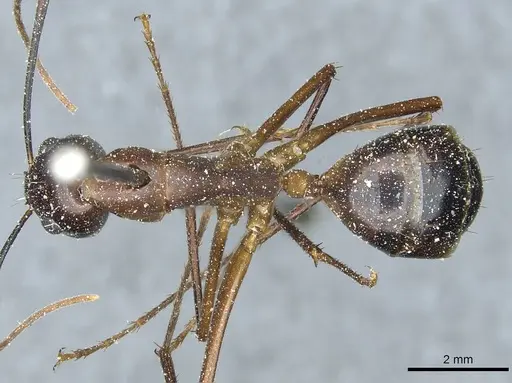
Literatür
Dağılım haritası yükleniyor...Ürünler yükleniyor...