
Camponotus philippinensis
- Bilimsel Adı
- Camponotus philippinensis
- Alt Cins
- Forelophilus
- Oymak (Tribe)
- Camponotini
- Alt Familya
- Formicinae
- Yazar (Tanımlayan)
- Zettel & Zimmermann, 2007
- Dağılım
- 0 ülkede bulundu
Giriş
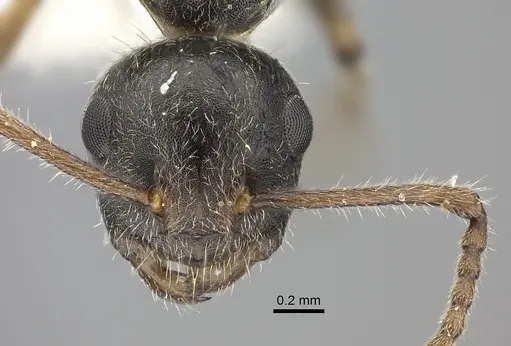
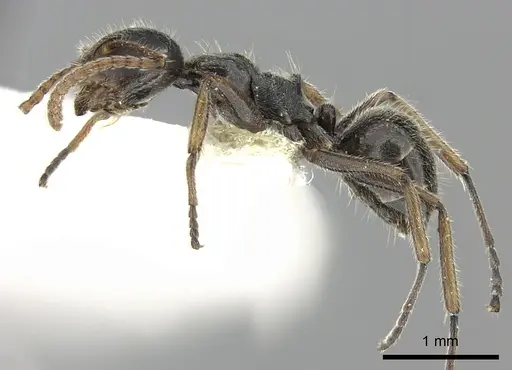
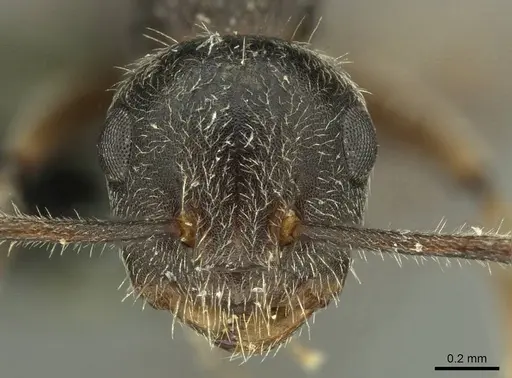
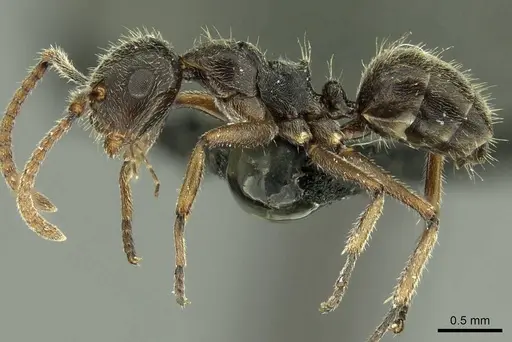
Camponotus philippinensis is a small ant species native to the Philippine Islands of Luzon, Bayagnan, and Mindanao. Workers measure 3.3-4.1mm in total length and are primarily black with distinctive orange or brown markings on the clypeus, completely yellow antennae, and yellowish tibiae. They belong to the subgenus Forelophilus and were originally described as Forelophilus philippinensis before being reclassified to Camponotus in 2016 . This species is known only from the worker caste - no documented queen or male specimens exist. The complete lack of biological data makes this an unestablished species for antkeeping.
Quick Summary
- Difficulty: Expert
- Origin & Habitat: Philippine Islands (Luzon, Bayagnan, Mindanao), found in rain forest habitats at elevations of 300-600m [1]
- Colony Type: Unconfirmed, only worker caste known, no documented queen behavior
- Size & Growth:
- Antkeeping:
- Temperature: Tropical species, keep at 24-28°C. A gentle gradient allowing warmer and cooler areas is recommended.
- Humidity: Rain forest species, maintain 70-85% humidity. Keep nest substrate consistently moist but not waterlogged.
- Diapause: No, as a tropical species from the Philippines, they do not require hibernation. Maintain warm conditions year-round.
- Nesting: No specific nesting data exists. Based on habitat, likely prefers humid nest sites. Y-tong or plaster nests with good moisture retention work well for tropical Camponotus.
- Behavior: Behavior is unstudied. Based on genus patterns, they are likely moderate foragers with typical Camponotus temperament. Escape risk is moderate given their 3-4mm size, standard barriers should suffice but fine mesh is recommended.
- Common Issues: no biological data exists, all care is estimated from genus patterns, queen and founding behavior unconfirmed, may require special considerations, colony size unknown, difficult to plan long-term housing, tropical humidity requirements may be challenging in dry climates, no documented diet preferences, experimental feeding required
Species Background and Identification
Camponotus philippinensis was originally named Camponotus philippinensis in 2007 by Zettel and Zimmermann before being reclassified to Camponotus in 2016 [1][2]. The species is named after its country of origin, the Philippines. It is known only from the worker caste, no queens or males have been documented. Minor workers measure 3.3-3.7mm while a single intermediate worker measured 4.1mm in total length [1]. The ants are primarily black with distinctive orange or brown clypeus, completely yellow antennae, and yellowish tibiae. They have numerous long setae on the vertex and pronotum, and their tarsi are notably wider than related species [1]. This species represents a significant knowledge gap in ant biology, nothing is known about their colony structure, founding behavior, diet, or reproduction.
Housing and Nesting
Since no specific nesting data exists for this species, housing recommendations must be based on what is known about their habitat and genus. They come from rain forest environments in the Philippines, suggesting they prefer humid, stable conditions. A Y-tong (AAC) nest or plaster formicarium with good moisture retention works well for tropical Camponotus species. The nest area should remain consistently moist but never waterlogged. Provide a water test tube as a humidity source and consider misting the outworld occasionally. Given their small worker size (3-4mm), ensure escape prevention is adequate, standard barriers are usually sufficient but fine mesh is recommended as a precaution. The outworld can be decorated with tropical-themed materials but keep it simple for easy cleaning.
Temperature and Humidity Requirements
As a tropical species from the Philippines, Camponotus philippinensis requires warm, humid conditions year-round. Maintain temperatures between 24-28°C with a gentle gradient allowing workers to self-regulate. Avoid temperatures below 22°C as this species has no cold tolerance. Humidity should be kept high at 70-85%, this can be achieved by keeping the nest substrate moist and providing a water test tube. Unlike temperate species, no hibernation or winter rest period is needed. In fact, cooling the colony may harm them. If you live in a dry or cold climate, use a heating cable on one side of the nest and monitor humidity levels closely. A digital thermometer-hygrometer combo helps ensure conditions stay within range.
Feeding and Diet
No specific dietary information exists for this species. As a Camponotus, they likely have typical ant diet preferences: protein from insects and sugar sources. Based on related tropical Camponotus species, they probably accept sugar water, honey, or maple syrup as energy sources. For protein, offer small insects like fruit flies, small mealworms, or cricket pieces. Given their small size, prey items should be appropriately sized. Start with small offerings and observe what they accept. Remove uneaten food after 24-48 hours to prevent mold. Since nothing is documented about their preferences, experimental feeding to determine acceptance is necessary.
Colony Development and Growth
With no documented colony data for this species, all growth expectations are unknown. The biggest challenge is that we simply do not know, there may be unique requirements or behaviors specific to this species that differ from typical Camponotus. Document your observations carefully as they could contribute valuable knowledge to the antkeeping community.
Frequently Asked Questions
How difficult is Camponotus philippinensis to keep?
This is an expert-level species due to the complete lack of biological data. Unlike well-studied species with established care protocols, everything about keeping this ant must be estimated from genus patterns. Expect a steep learning curve and be prepared for experimental approaches.
What do Camponotus philippinensis eat?
No specific dietary data exists. Based on genus patterns, they likely accept sugar water or honey and protein from small insects. Start with sugar water and small prey like fruit flies or pinhead crickets. Remove uneaten food after 24-48 hours.
Do Camponotus philippinensis need hibernation?
No. As a tropical species from the Philippines, they require warm conditions year-round. Keep temperatures between 24-28°C and avoid any cooling period.
How big do Camponotus philippinensis colonies get?
Colony size is unknown. No data exists on maximum colony size for this species.
What temperature should I keep Camponotus philippinensis at?
Keep them warm at 24-28°C. Provide a gentle gradient so workers can self-regulate. Avoid temperatures below 22°C.
How long does it take for first workers to emerge?
The egg-to-worker timeline is unconfirmed. No development data exists for this species.
Can I keep multiple queens together?
Unknown. No data exists on colony structure or queen behavior for this species. Do not attempt combining unrelated queens without documented evidence that this is safe.
What humidity level do Camponotus philippinensis need?
High humidity at 70-85%. Keep the nest substrate consistently moist but not waterlogged. A water test tube in the outworld helps maintain humidity.
Where is Camponotus philippinensis found?
This species is endemic to the Philippine Islands, specifically Luzon, Bayagnan, and Mindanao islands. They have been collected in rain forest habitats at elevations of 300-600 meters.
Report an Issue
The current care sheet is based fully on literature. See inconsistencies, or something that's incorrect? Please , it will be resolved after review from an admin. Contributing to the blogs tab also helps providing information, to make us be able to further improve the caresheets. Thank you for your support!
References

Bu bakım rehberi şu lisans altındadır: CC BY-SA 4.0 .
Topluluk Blogları
CASENT0249120
AntWeb'de Görüntüle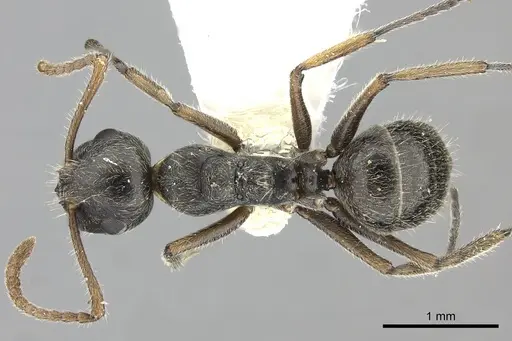
CASENT0915594
AntWeb'de Görüntüle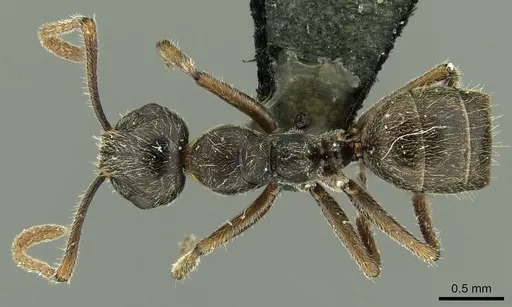
Literatür
Dağılım haritası yükleniyor...Ürünler yükleniyor...