
Camponotus melichloros
- Bilimsel Adı
- Camponotus melichloros
- Alt Cins
- Tanaemyrmex
- Oymak (Tribe)
- Camponotini
- Alt Familya
- Formicinae
- Yazar (Tanımlayan)
- Kirby, 1889
- Dağılım
- 0 ülkede bulundu
Giriş
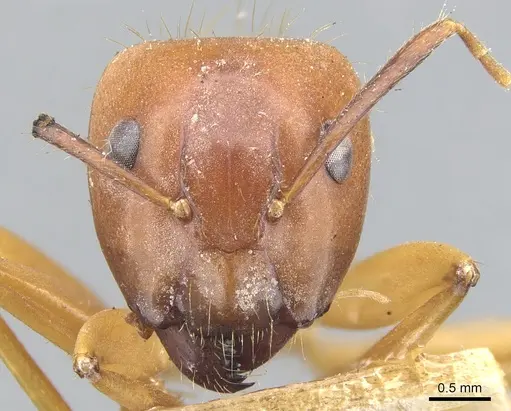
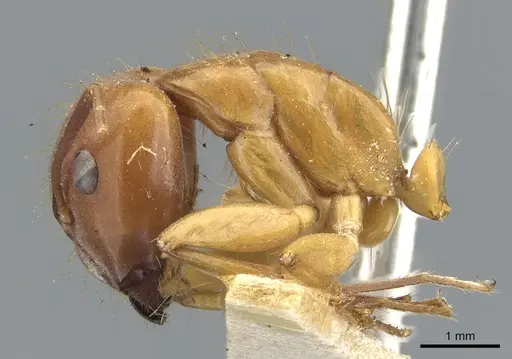
Camponotus melichloros is a carpenter ant endemic to Christmas Island in the Indian Ocean. Workers measure approximately 6-8mm in total length, making them medium-sized ants. This species is the only member of the Camponotus maculatus group found on Christmas Island, with distinct head morphology between castes: minor workers have wider heads at the front, while major workers have wider heads at the back . Camponotus melichloros is one of the most common ants on Christmas Island, recorded at about 27% of surveyed sites, and appears to prefer forested areas over open disturbed habitats like minefields . This species was originally described from Christmas Island and remains known primarily from this single location .
Quick Summary
- Difficulty: Medium
- Origin & Habitat: Christmas Island (Indian Ocean), a tropical island ecosystem. This species prefers forested sites and appears to avoid open disturbed habitats such as minefields [1].
- Colony Type: Colony structure is unconfirmed for this species.
- Size & Growth:
- Antkeeping:
- Temperature: Keep at 24-28°C, this is a tropical species from Christmas Island. A heating cable on one side of the nest creates a temperature gradient allowing ants to self-regulate.
- Humidity: Moderate to high humidity, Christmas Island has a tropical climate. Keep nest substrate moderately moist but not waterlogged. Provide a water tube for drinking water.
- Diapause: Unlikely, as a tropical species from Christmas Island near the equator, they likely do not require a true diapause.
- Nesting: In nature, Camponotus species typically nest in rotting wood, under bark, or in soil cavities. In captivity, Y-tong (AAC) nests, plaster nests, or naturalistic setups with wood pieces work well.
- Behavior: This species shows typical Camponotus behavior, relatively non-aggressive toward keepers, but major workers can deliver a painful bite if threatened. They are moderate foragers and will collect sugar sources and protein. Escape prevention is important as they can climb smooth surfaces. Activity level is moderate, they establish visible trails.
- Common Issues: tropical species may struggle if temperatures drop below 20°C, limited data means colony founding may be challenging without established protocols, escape prevention needed, they can climb glass and smooth surfaces, slow initial colony growth typical of Camponotus species can test keeper patience
Nest Preferences
Camponotus melichloros is a tropical species from Christmas Island. In the wild, Camponotus species typically nest in rotting wood, under loose bark, or in soil cavities. For captive colonies, Y-tong (AAC) nests work well because they provide dark, secure chambers that mimic natural nesting sites. Plaster nests or naturalistic setups with damp substrate also work. The key is providing a nest with chambers appropriately sized for the colony, not too large, as ants feel more secure in snugger spaces. Since this is a tropical species, the nest material should retain some moisture without becoming waterlogged. A test tube setup can work for founding colonies, but transfer to a proper nest once the colony reaches 15-20 workers.
Feeding and Diet
Like other Camponotus species, C. melichloros is omnivorous. They will readily accept sugar sources such as honey water or sugar water. For protein, offer insects such as mealworms, crickets, or other small arthropods. Camponotus ants have a preference for protein-rich foods, especially when raising brood. Feed protein roughly twice weekly, and keep sugar water available at all times. Remove uneaten food after 24-48 hours to prevent mold. As the colony grows, increase food portions accordingly. Major workers can tackle larger prey items than minors.
Temperature and Care
As a tropical species from Christmas Island near the equator, C. melichloros requires warm conditions. Keep the nest area at 24-28°C for optimal brood development. A heating cable placed on top of the nest can help maintain consistent temperatures. Room temperature may be sufficient if your home stays in this range, otherwise use a low-level heat mat or cable. Monitor colony activity, if workers cluster near the heat source, they may need more warmth, if they avoid it, the nest may be too warm. Unlike temperate species, this ant does not require hibernation or diapause.
Defense Mechanism
Camponotus melichloros belongs to the subfamily Formicinae, which lacks a functional sting. When threatened, major workers will bite the target and spray a stream of concentrated formic acid from an acidopore into the wound. This is a standard defense mechanism for Formicinae ants.
Behavior and Temperament
Camponotus melichloros has typical carpenter ant temperament, generally calm and not overly aggressive, but major workers will defend the colony if threatened. They can deliver a moderately painful bite. This species is moderately active and will establish foraging trails. They are not extreme escape artists like some tiny ants, but they can climb glass and smooth surfaces, so standard escape prevention is important. Workers are larger so they are more visible than many tropical ants.
Frequently Asked Questions
How long does it take for Camponotus melichloros to produce first workers?
Specific development data is unavailable for this species. Based on typical Camponotus patterns, expect first workers approximately 6-8 weeks after the queen lays eggs at optimal warm temperatures (24-28°C), but this is an estimate.
Can I keep Camponotus melichloros in a test tube?
Yes, test tubes work well for founding colonies. Use a standard test tube setup with a water reservoir at one end. Keep the tube in a warm, dark location. Once the colony reaches 15-30 workers, consider moving them to a proper nest with more space.
What temperature do Camponotus melichloros need?
Keep them at 24-28°C. This tropical species from Christmas Island requires warm conditions year-round.
Are Camponotus melichloros good for beginners?
This species is rated as Medium difficulty. It is more forgiving than some tropical species but requires warm temperatures year-round. Some antkeeping experience is recommended before attempting this species.
How big do Camponotus melichloros colonies get?
Colony size is not documented for this species. Based on typical Camponotus patterns, colonies likely reach several hundred workers.
What do Camponotus melichloros eat?
They are omnivorous. Offer sugar water or honey constantly, and protein approximately twice weekly. Remove uneaten food after 24-48 hours.
Do Camponotus melichloros need hibernation?
No. As a tropical species from Christmas Island near the equator, they do not require hibernation or diapause. Keep them warm year-round.
When should I move my colony to a formicarium?
Move to a proper nest when the colony reaches 15-30 workers. Test tubes become cramped and can develop mold issues with larger colonies.
Can I keep multiple Camponotus melichloros queens together?
This is not recommended. While colony structure is unconfirmed for this species, Camponotus species are typically single-queen colonies. Combining unrelated queens would likely result in fighting.
Report an Issue
The current care sheet is based fully on literature. See inconsistencies, or something that's incorrect? Please , it will be resolved after review from an admin. Contributing to the blogs tab also helps providing information, to make us be able to further improve the caresheets. Thank you for your support!
References

Bu bakım rehberi şu lisans altındadır: CC BY-SA 4.0 .
Topluluk Blogları
CASENT0903567
AntWeb'de Görüntüle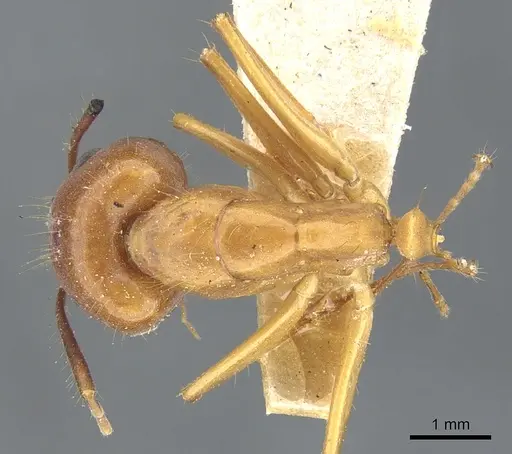
Literatür
Dağılım haritası yükleniyor...Ürünler yükleniyor...