
Camponotus kolthoffi
- Bilimsel Adı
- Camponotus kolthoffi
- Alt Cins
- Myrmentoma
- Oymak (Tribe)
- Camponotini
- Alt Familya
- Formicinae
- Yazar (Tanımlayan)
- Stitz, 1934
- Dağılım
- 0 ülkede bulundu
Giriş
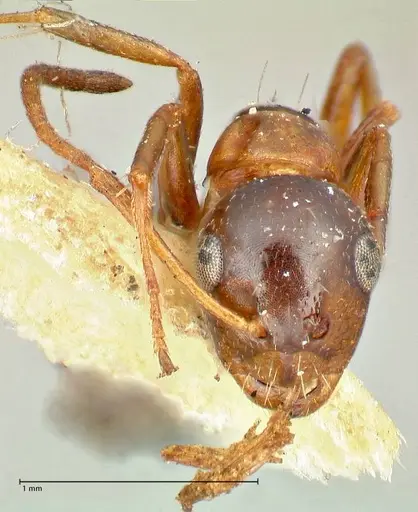
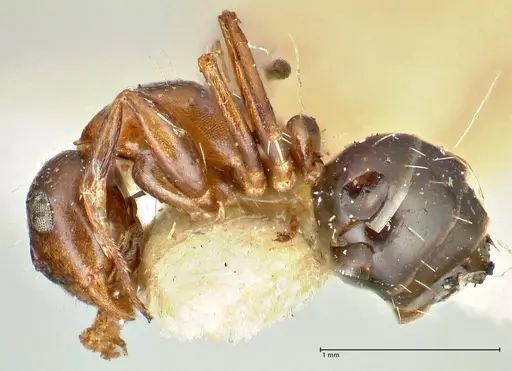
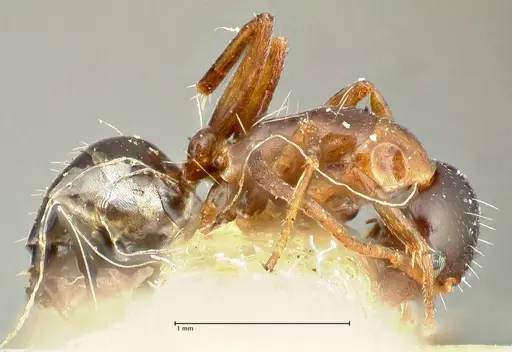
Camponotus kolthoffi is a carpenter ant species native to Jiangsu Province in eastern China. Workers measure approximately 4-7mm in length, with the head and body ranging from black to brown. The mandibles, clypeus, and antennae are yellow-red to red, while the legs are brown to light brown. The gaster can appear honey-yellow to black . This species belongs to the subgenus Myrmentoma, a group of smaller Camponotus ants. The entire global range is limited to Jiangsu Province in eastern China . As with most Camponotus species, they likely nest in wood cavities or soil and are generalist foragers, but specific wild behavior data is unavailable.
Quick Summary
- Difficulty: Medium
- Origin & Habitat: Jiangsu Province in eastern China, within the Palaearctic region. The specific habitat within this province is not documented in available literature.
- Colony Type: Unconfirmed. Colony structure for this species has not been documented in research.
- Size & Growth:
- Queen: ~9-12mm, inferred from typical Camponotus genus size range (no species-specific measurements available)
- Worker: Approximately 4-7mm [1]
- Colony: Estimated several thousand workers at maturity based on related Camponotus species
- Growth: Moderate
- Development: Estimated 6-10 weeks at optimal temperature based on typical Camponotus development patterns (Development time is inferred from genus-level data since species-specific studies are unavailable.)
- Antkeeping:
- Temperature: Keep nest area at 24-27°C. A heating cable on one side of the nest creates a gentle gradient allowing ants to thermoregulate. Room temperature (20-24°C) is acceptable but growth will be slower.
- Humidity: Moderate humidity around 50-60%. Keep the nest substrate slightly moist but not waterlogged. Given the temperate Asian distribution of this species, they likely tolerate drier conditions than many tropical species.
- Diapause: Yes. Based on the temperate climate of Jiangsu Province, this species requires a winter rest period. Reduce temperature to 10-15°C for 2-3 months during winter.
- Nesting: Y-tong (AAC) nests or plaster nests work well. This species likely prefers nesting in wood or tight cavities. Provide a formicarium with narrow chambers scaled to their size. A test tube setup is suitable for founding colonies.
- Behavior: General temperament typical of Camponotus, not overly aggressive but will defend the nest if threatened. Workers are moderately active foragers, likely collecting honeydew, small insects, and sugary liquids. Escape risk is moderate, ensure your formicarium has tight-fitting lids and barrier tape. They are not strong climbers but can grip smooth surfaces.
- Common Issues: slow initial colony growth can frustrate beginners, Camponotus founding colonies often take 2-3 months before first workers appear, hibernation failure is common, keeping them too warm in winter or allowing the nest to dry out can kill colonies, escape prevention should be taken seriously once colonies reach 20+ workers, they are active foragers, wild-caught colonies may carry parasites, quarantine and observe new colonies for several weeks, overfeeding can cause mold issues, remove uneaten food promptly, especially sugary substances
Housing and Nest Setup
For founding colonies, a simple test tube setup works well. Fill a test tube one-third with water, plug with cotton, and place the queen in the tube. The queen will seal herself into a chamber and begin laying eggs. Keep the tube in darkness and avoid disturbing her during the founding stage. Once you have 15-20 workers, consider moving to a proper formicarium. Y-tong (AAC) nests are excellent for Camponotus species because they provide the dark, tight chambers these ants prefer. Plaster nests also work well and allow you to control humidity more easily. Whatever nest type you choose, ensure it has narrow chambers and passages scaled to the worker size, overly large open spaces can stress the colony. [1]
Feeding Your Colony
Camponotus kolthoffi is a generalist omnivore like most carpenter ants. Offer a varied diet: protein sources like small crickets, mealworms, or other small insects 2-3 times per week. Sugar sources are important too, offer sugar water, honey, or diluted honey water in a small container. Remove uneaten prey within 24 hours to prevent mold. In the wild, these ants likely forage for honeydew from aphids and scale insects, so providing both protein and sugar ensures balanced nutrition. Fresh fruit can occasionally be offered as well.
Temperature and Seasonal Care
Maintain nest temperatures between 24-27°C for optimal brood development. A small heating cable placed on one side of the nest creates a temperature gradient that ants can use to regulate their own conditions. This is especially important during the growing season (spring through fall). During winter, simulate natural conditions with a diapause period. Reduce temperatures to 10-15°C and reduce feeding to once every 2-3 weeks. The winter rest period is biologically important, it helps synchronize the colony's annual cycle and promotes healthy reproduction in the following spring. Do not skip hibernation unless your colony was caught in a region without cold winters.
Colony Development and Expectations
When you first obtain a founding queen, expect a claustral founding period of 4-8 weeks before eggs appear, then another 6-10 weeks before the first workers (nanitics) emerge. This slow start is normal for Camponotus, the queen must raise the first brood entirely on her own using stored energy reserves. After nanitics arrive, growth accelerates but remains moderate compared to genera like Lasius or Tetramorium. A healthy colony might reach 50-100 workers by the end of the first year, with growth accelerating in subsequent years. Patience is key with this genus, large, mature colonies can live for many years.
Frequently Asked Questions
How long does it take for Camponotus kolthoffi to produce first workers?
Expect 6-10 weeks from egg to first worker at optimal temperature (24-27°C). The queen will lay eggs 4-8 weeks after being placed in a test tube, then the eggs develop through larval and pupal stages. This timeline is typical for Camponotus species and requires patience.
What temperature should I keep Camponotus kolthoffi at?
Keep the nest area at 24-27°C. You can use a small heating cable on one side of the formicarium to create a gradient. Room temperature (20-24°C) is acceptable but will result in slower growth. Avoid temperatures above 30°C.
Can I keep multiple queens together?
Not recommended. While some Camponotus species can be polygynous, this behavior has not been documented for Camponotus kolthoffi. Combining unrelated queens typically results in fighting. It is safest to keep one queen per colony.
Do Camponotus kolthoffi need hibernation?
Yes. Based on their origin in Jiangsu Province, China (a temperate region), this species requires a winter rest period. Reduce temperatures to 10-15°C for 2-3 months during winter. Reduce feeding during this time and keep the nest slightly drier.
What do Camponotus kolthoffi eat?
They are generalist omnivores. Feed protein (small insects like crickets or mealworms) 2-3 times per week and provide constant access to sugar water or honey. Remove uneaten food promptly to prevent mold.
Are Camponotus kolthoffi good for beginners?
This species is rated as Medium difficulty. While not the easiest species (that would be Lasius or Tetramorium), Camponotus kolthoffi is manageable for keepers with some basic experience. The main challenges are their slower growth and the need for winter hibernation.
When should I move from test tube to formicarium?
Move to a formicarium once the colony reaches 15-20 workers. Before then, a test tube provides the dark, tight conditions a founding queen prefers. Make sure the formicarium chambers are appropriately sized, too large and the ants may feel exposed.
How big do Camponotus kolthoffi colonies get?
Colony size is not documented for this specific species, but related Camponotus species typically reach several thousand workers at maturity. With proper care, your colony could grow to several hundred workers within 2-3 years.
Why are my ants not growing?
Common causes include: temperatures too low (below 20°C), insufficient protein in diet, nest too dry, or the queen is stressed. Also ensure the colony is in a quiet, dark location. If the queen has died, the colony will not grow.
Report an Issue
The current care sheet is based fully on literature. See inconsistencies, or something that's incorrect? Please , it will be resolved after review from an admin. Contributing to the blogs tab also helps providing information, to make us be able to further improve the caresheets. Thank you for your support!
References

Bu bakım rehberi şu lisans altındadır: CC BY-SA 4.0 .
Topluluk Blogları
FOCOL2489
AntWeb'de Görüntüle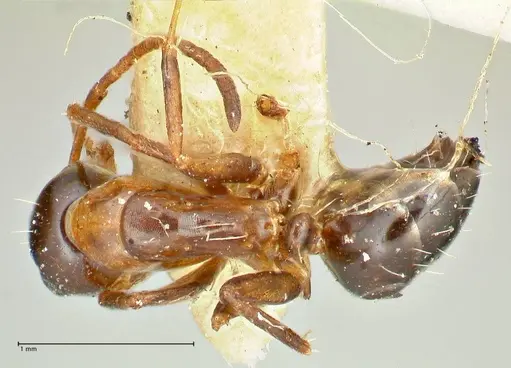
Literatür
Dağılım haritası yükleniyor...Ürünler yükleniyor...