
Camponotus inca
- Bilimsel Adı
- Camponotus inca
- Alt Cins
- Myrmaphaenus
- Oymak (Tribe)
- Camponotini
- Alt Familya
- Formicinae
- Yazar (Tanımlayan)
- Emery, 1903
- Dağılım
- 0 ülkede bulundu
Giriş
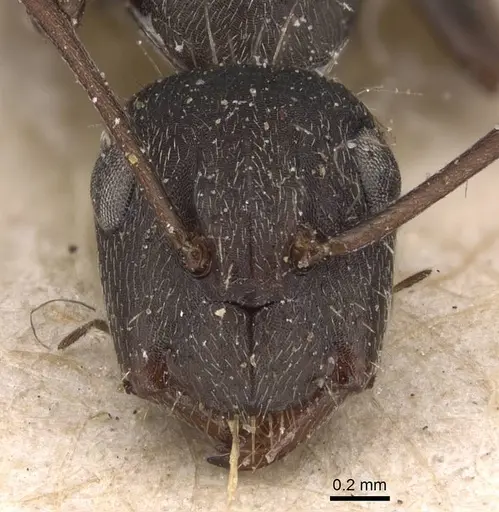
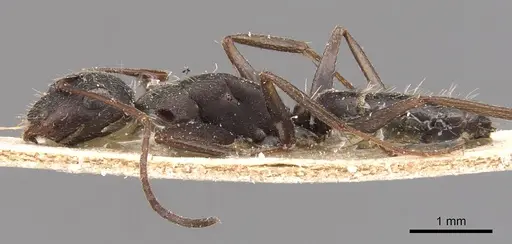
Camponotus inca is a Neotropical carpenter ant species native to Peru and Brazil, belonging to the subgenus Myrmaphaenus . Workers are polymorphic with majors and minors, and queens are substantial in size. The species has the typical Camponotus appearance with a smooth, glossy mesosoma and proportionally large gaster. This ant is found in the Andean regions of Peru (particularly the Vilcanota area) and parts of Brazil, typically in tropical forest habitats.
Quick Summary
- Difficulty: Medium
- Origin & Habitat: Camponotus inca is native to the Neotropical region, specifically Peru and Brazil. They are found in the Andean foothills and surrounding tropical areas, particularly around Vilcanota in Peru [1]. In the wild, they likely nest in rotting wood or under bark in humid forest environments, typical of the Camponotus genus.
- Colony Type: Unconfirmed, the colony structure of this species has not been specifically studied. Like many Camponotus species, they may form single-queen colonies, but this is not confirmed.
- Size & Growth:
- Queen: size data unavailable, no specific measurements exist for this species, though Myrmaphaenus queens are typically large
- Worker: size data unavailable, workers are polymorphic with majors and minors, typical of Camponotus
- Colony: likely up to several hundred workers at maturity based on typical Camponotus patterns
- Growth: Moderate
- Development: unconfirmed, likely several months based on typical Neotropical Camponotus patterns (First workers (nanitics) are typically smaller than normal workers. Development is faster in warmer conditions.)
- Antkeeping:
- Temperature: Keep nest area warm, roughly 24-28°C. Being from tropical Peru, they prefer warm conditions. A heating cable on one side of the nest creates a gentle gradient. Room temperature (22-25°C) is acceptable if your home stays in this range.
- Humidity: Moderate to high humidity. Keep the nest substrate slightly moist but not waterlogged. Being from humid tropical forests, they appreciate a damp nest environment with some drier areas for workers to regulate their own conditions.
- Diapause: No, as a Neotropical species from a warm climate, they do not require hibernation. However, they may slow down slightly during cooler periods.
- Nesting: Camponotus prefer nesting in wood or wood-based setups. Y-tong (AAC) nests, plaster nests, or naturalistic setups with rotting wood work well. They need tight-fitting chambers and passages scaled to their size. Avoid overly large, open spaces.
- Behavior: Camponotus inca likely has a typical carpenter ant temperament, generally calm and not overly aggressive. Workers are moderately active foragers that likely scavenge for sugar sources and protein. They are not known to be particularly aggressive or territorial. Escape prevention is important because they can squeeze through small gaps. They are likely primarily nocturnal or crepuscular foragers.
- Common Issues: escape prevention, workers can squeeze through small gaps, use fluon and tight-fitting lids, temperature drops below 22°C can slow or stop brood development, overwatering the nest can cause mold and kill colonies, wild-caught colonies may have parasites that cause problems in captivity, slow initial growth can lead to overfeeding or disturbance by impatient keepers
Nest Preferences and Setup
Camponotus inca does well in Y-tong (AAC) nests, plaster nests, or naturalistic setups with rotting wood. The key is providing appropriately sized chambers, tight enough that workers feel secure, with passages that match their body size. For majors, ensure chambers are large enough to accommodate their bigger heads. Keep the nest area dark and quiet, placing it away from direct sunlight and vibrations. A water tube connected to the nest helps maintain humidity without flooding. Many keepers use a separate outworld (foraging area) connected to the nest via tubing, allowing you to feed and observe without disturbing the colony.
Feeding and Diet
Like most Camponotus, this species is omnivorous. Offer sugar sources constantly, diluted honey, sugar water, or commercial ant nectars. For protein, provide insects like mealworms, crickets, or other small arthropods. Feed protein regularly, adjusting based on colony size. Remove uneaten prey after 24-48 hours to prevent mold. They may also accept fruit or small amounts of seeds. Fresh water should always be available. In the founding stage, the queen does not eat, she survives entirely on her stored fat reserves until the first workers emerge.
Temperature and Seasonal Care
Being from tropical Peru, Camponotus inca prefers warm conditions. Keep the nest at 24-28°C for optimal brood development. A small heating cable placed on top of the nest (never under it, which causes drying) can maintain warmth. Room temperature in most homes (22-25°C) is acceptable but may slow growth slightly. They do not require hibernation or cooling periods. Avoid placing the nest near air conditioning vents or drafty areas. Temperature stability matters more than hitting an exact number, sudden drops can stress the colony. If your home gets below 22°C regularly, consider a small heat source. [1]
Colony Founding
Camponotus inca is likely claustral, meaning the queen seals herself into a small chamber and raises her first workers entirely on stored body fat. This is typical for Camponotus but has not been specifically confirmed for this species. Provide a founding queen with a test tube setup with a water reservoir. Place it in darkness and do not disturb for several weeks. The queen will lay eggs, and those eggs will develop through larvae and pupae to become workers (nanitics). These first workers are smaller than normal workers. Only after nanitics emerge should you begin offering food. Do not feed the queen during founding, she does not eat and the food will only mold.
Behavior and Handling
This species likely has a calm temperament typical of many Camponotus. Workers are not aggressive and rarely bite. When threatened, they may spray formic acid or bite, but this is mild compared to more aggressive species. They are primarily nocturnal or crepuscular, becoming more active in dim light. Workers forage using chemical trails, recruiting nestmates to good food sources. The polymorphic worker caste (majors and minors) is interesting to observe, majors often handle larger prey or defend the nest, while minors handle most foraging and brood care. They are moderate escape artists, not as problematic as tiny ants, but can squeeze through small gaps if not properly contained.
Frequently Asked Questions
How long does it take for Camponotus inca to get their first workers?
First workers (nanitics) typically emerge in several months, depending on temperature. Cooler temperatures can significantly slow this process. Be patient, disturbing the nest during founding often causes queen stress or abandonment.
What temperature do Camponotus inca ants need?
Keep them warm for best growth, roughly 24-28°C. Room temperature (22-25°C) is acceptable but may slow development slightly. They are tropical ants from Peru and do not tolerate cool conditions well.
Do Camponotus inca ants need hibernation?
No. As a Neotropical species from warm Peru, they do not require hibernation or cooling periods. They remain active year-round in captivity if kept warm.
What do Camponotus inca ants eat?
They are omnivorous. Offer constant sugar (honey, sugar water, or nectar) and protein sources (insects like mealworms, crickets) regularly. Remove uneaten prey after a day.
Are Camponotus inca good for beginners?
They are moderate difficulty. The founding process is straightforward, but they need warm temperatures and proper humidity. Their larger size makes them easier to observe than tiny ants. They are more forgiving of mistakes than some species but still require attention to basic care.
How big do Camponotus inca colonies get?
At full maturity, colonies likely reach several hundred workers. This is typical for Camponotus species, they are not among the largest supercolonies but can become substantial.
Can I keep multiple Camponotus inca queens together?
This is not recommended. Most Camponotus form single-queen colonies. Combining unrelated queens typically results in fighting. Only keep one queen per colony.
When should I move Camponotus inca to a formicarium?
Wait until the colony has a decent number of workers before moving to a larger setup. Moving too early stresses the colony. A Y-tong or plaster nest works well for this species once they outgrow a test tube.
Why are my Camponotus inca dying?
Common causes include: temperature too low (below 22°C), humidity too dry or too wet (mold is deadly), disturbing the nest too often, mold from uneaten food, or parasites from wild-caught colonies. Check temperature and humidity first, then review your feeding and disturbance habits.
What size nest do Camponotus inca need?
Start with a test tube for founding. Once the colony reaches a moderate size, upgrade to a small formicarium. They need appropriately sized chambers, not too large or they may feel insecure. Y-tong nests with medium to large chambers work well for established colonies.
Is Camponotus inca invasive anywhere?
This species is native to Peru and Brazil in the Neotropical region. There is no documentation of it being invasive in other areas. As with any ant, never release captive colonies into non-native environments.
Report an Issue
The current care sheet is based fully on literature. See inconsistencies, or something that's incorrect? Please , it will be resolved after review from an admin. Contributing to the blogs tab also helps providing information, to make us be able to further improve the caresheets. Thank you for your support!
References

Bu bakım rehberi şu lisans altındadır: CC BY-SA 4.0 .
Topluluk Blogları
CASENT0905481
AntWeb'de Görüntüle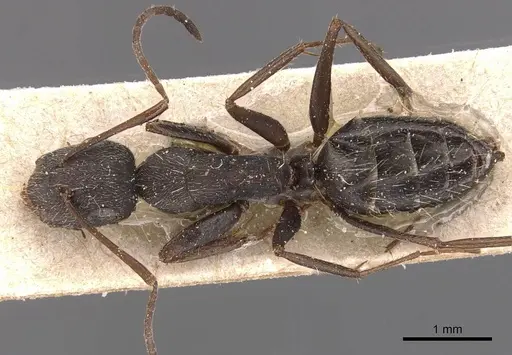
Literatür
Dağılım haritası yükleniyor...Ürünler yükleniyor...