
Camponotus ferreri
- Bilimsel Adı
- Camponotus ferreri
- Alt Cins
- Paramyrmamblys
- Oymak (Tribe)
- Camponotini
- Alt Familya
- Formicinae
- Yazar (Tanımlayan)
- Forel, 1913
- Dağılım
- 0 ülkede bulundu
Giriş
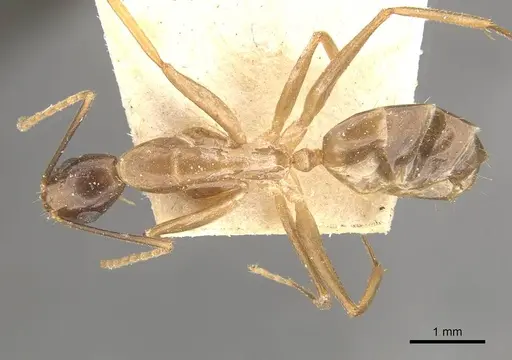
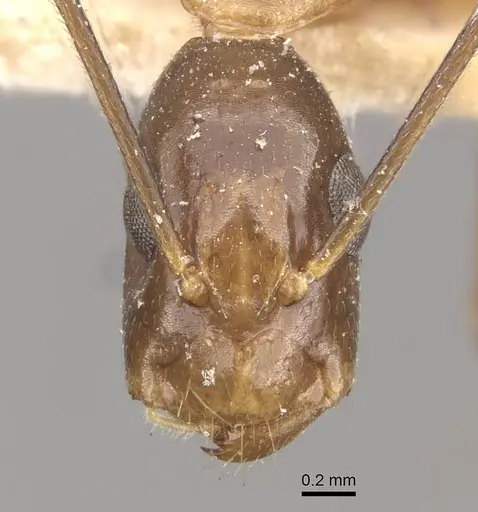
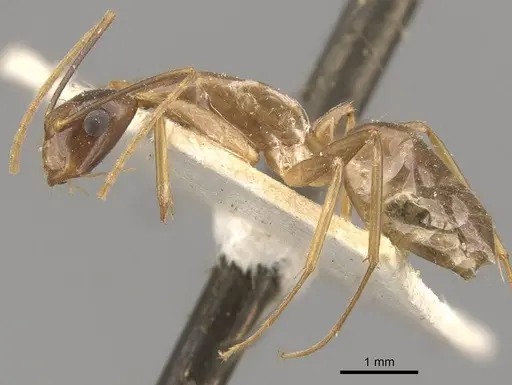
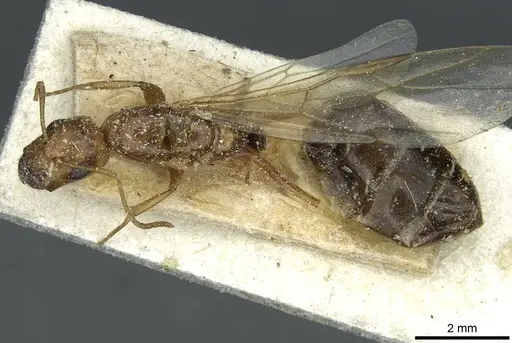
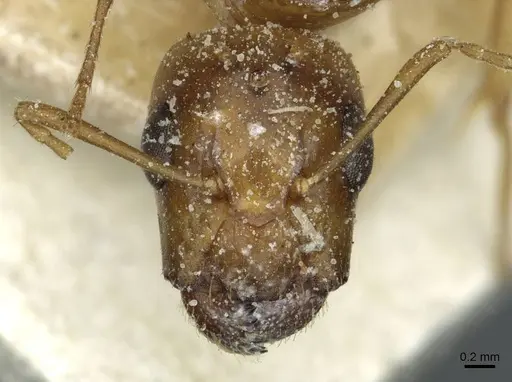
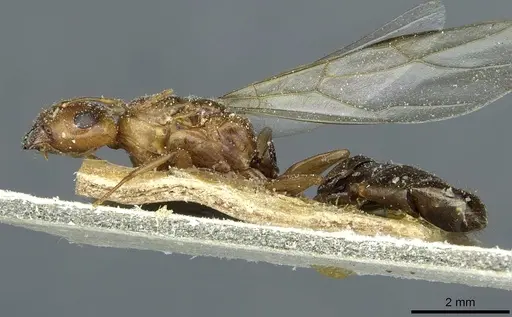
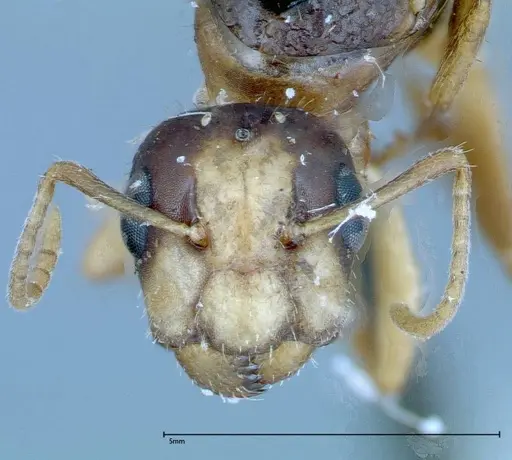
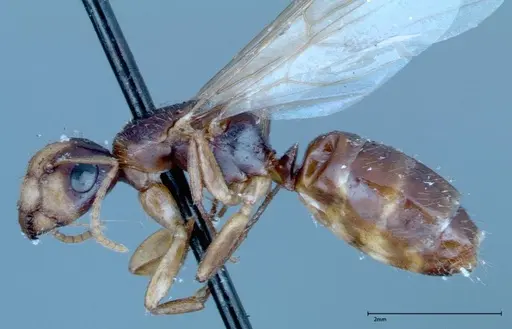
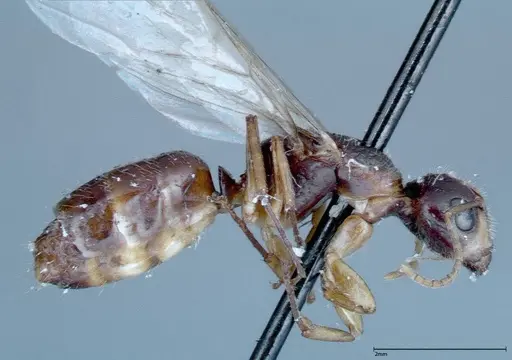
Camponotus ferreri is a carpenter ant species native to the Democratic Republic of Congo and surrounding regions in Central Africa . Workers are polymorphic, meaning they come in different sizes - larger major workers and smaller minor workers, typical of the Camponotus genus. The species has the classic carpenter ant body plan: a rounded thorax, a distinct constriction between the thorax and abdomen, and a smooth, hairless abdomen. Queens are robust and designed for claustral founding, with substantial fat reserves to survive until their first workers hatch. This is a medium-sized to large carpenter ant, fitting the pattern of many African Camponotus species that establish colonies in rotting wood in forest habitats.
Quick Summary
- Difficulty: Easy
- Origin & Habitat: Democratic Republic of Congo and Central Africa, where they nest in rotting wood in forest environments [1].
- Colony Type: Likely monogyne (single-queen colonies) based on typical Camponotus patterns. Colonies grow over multiple years with a single founding queen.
- Size & Growth:
- Queen: Size data unavailable, inferred from Camponotus genus patterns (~12-16mm)
- Worker: Polymorphic: minor workers ~4-6mm, major workers ~8-12mm, inferred from genus patterns
- Colony: Estimated several hundred workers at maturity based on typical Camponotus colony development
- Growth: Moderate, Camponotus species typically take 6-10 weeks from egg to first worker
- Development: Estimated 6-10 weeks at optimal temperature based on genus-level data (Development time depends on temperature, warmer conditions within acceptable range accelerate development. Nanitics (first workers) are smaller than normal workers.)
- Antkeeping:
- Temperature: Keep nest area at 20-26°C. A heating cable on one side creates a temperature gradient allowing ants to self-regulate. Room temperature within this range is often sufficient.
- Humidity: Moderate humidity around 50-70%. Keep the nest substrate slightly moist but not waterlogged. Provide a water tube for drinking access.
- Diapause: Yes, Camponotus species require a winter rest period. Reduce temperature to 10-15°C for 2-3 months during winter. Do not hibernate colonies under 10 workers.
- Nesting: Y-tong (AAC) nests work well for this species. They also do well in plaster nests or naturalistic setups with rotting wood. Provide narrow chambers and tunnels scaled to worker size.
- Behavior: Workers are moderately active and show typical carpenter ant foraging patterns. They are not particularly aggressive but will defend the nest if threatened. As Formicinae ants, they lack a functional sting but can bite and spray formic acid from their acidopore if handled roughly. Escape risk is moderate, they are good climbers but not as small as some escape artists. Use fluon on test tube rims and ensure any formicarium has tight-fitting barriers.
- Common Issues: colonies often fail in first year due to improper founding conditions, queen needs darkness and quiet during claustral founding, hibernation failures kill weak colonies, never attempt diapause with colonies under 10 workers or poorly established colonies, overfeeding leads to mold problems, remove uneaten protein within 48 hours, escape prevention is important, they climb well and will find gaps in lids, test tube flooding can drown queens, use appropriate water reservoir size and secure cotton
Nest Preferences
Camponotus ferreri naturally nests in rotting wood in forest environments. In captivity, they do well in Y-tong (AAC) nests which provide the dark, enclosed chambers they prefer. Plaster nests also work well and allow you to maintain appropriate humidity. The key is providing chambers that are appropriately sized, not too large for the colony size, as ants do better in snugger spaces. For founding colonies, a simple test tube setup with a water reservoir and cotton barrier works perfectly. The queen will seal herself into a chamber and remain there until her first workers emerge. Avoid exposing the founding chamber to light or vibrations during this critical period.
Feeding and Diet
Like all Camponotus species, these ants are omnivorous with a preference for sugar and protein. Provide a constant source of sugar water or honey diluted with water (50/50 mixture works well). For protein, offer small insects like fruit flies, mealworms, or crickets appropriate to worker size. Major workers can handle larger prey items. Feed protein 2-3 times per week, removing any uneaten prey after 48 hours to prevent mold. Fresh killed insects are better than freeze-dried for acceptance. Some keepers report that African Camponotus species readily accept sweet fruits as well. Always ensure fresh water is available.
Temperature and Seasonal Care
Maintain nest temperatures between 20-26°C, with 22-24°C being ideal for development. A heating cable placed on one side of the nest creates a gradient allowing ants to choose their preferred temperature. During summer months, room temperature is often adequate. In winter, Camponotus ferreri requires a diapause period, reduce temperatures to 10-15°C for 2-3 months. This mimics their natural seasonal cycle and helps maintain colony health. Do not attempt hibernation with colonies under 10 workers or those that are still in early founding stages. The colony must be well-established with multiple workers before diapause. Reduce feeding during hibernation but never let water sources dry out completely.
Behavior and Colony Dynamics
Camponotus ferreri displays typical carpenter ant behavior with polymorphic workers. Major workers serve as defenders and can crack open larger prey items, while minor workers handle most foraging and brood care. The colony will expand gradually over several years, with the queen continuously laying eggs once established. Workers are moderately defensive and will emerge to confront threats, but they are not particularly aggressive toward keepers. As Formicinae ants, they lack a sting but can bite and spray formic acid if cornered or handled roughly, this is rarely a concern for careful keepers. Colony activity increases with temperature, warmer conditions lead to more active foraging. These ants are primarily nocturnal or crepuscular in activity patterns, so you may see more activity during evening hours.
Frequently Asked Questions
How long does it take for Camponotus ferreri to produce first workers?
Expect first workers (nanitics) to emerge in 6-10 weeks after the queen lays eggs, assuming optimal temperatures around 22-24°C. This timeline is based on typical Camponotus genus development. The exact duration depends on temperature, warmer conditions within the acceptable range speed development, while cooler temperatures slow it down.
Can I keep multiple Camponotus ferreri queens together?
Not recommended. Camponotus ferreri is likely monogyne (single-queen colonies), meaning queens will fight if housed together. In the wild, only one queen establishes each colony. If you capture multiple foundresses, house them separately in individual test tubes.
What temperature do Camponotus ferreri need?
Keep nest areas at 20-26°C, with 22-24°C being ideal. A heating cable on one side creates a gradient. Room temperature within this range is often sufficient without additional heating. Reduce to 10-15°C for winter hibernation.
How big do Camponotus ferreri colonies get?
Based on typical Camponotus patterns, colonies likely reach several hundred workers at maturity over 2-4 years. The exact maximum is unknown for this specific species, but the genus typically produces moderate-sized colonies compared to some tropical species that can reach thousands.
Do Camponotus ferreri need hibernation?
Yes, they require a winter diapause period. Reduce temperatures to 10-15°C for 2-3 months during winter. Never attempt hibernation with colonies under 10 workers or those still in early founding stages, only well-established colonies should be hibernated.
What do Camponotus ferreri eat?
They are omnivorous. Provide constant access to sugar water or honey (50/50 dilution). For protein, offer small insects like fruit flies, mealworms, or appropriately-sized crickets 2-3 times per week. Remove uneaten protein within 48 hours to prevent mold.
Are Camponotus ferreri good for beginners?
Yes, they are considered easy to moderate difficulty. They are forgiving of minor care mistakes, don't require specialized equipment, and claustral founding is straightforward. The main challenges are providing proper hibernation and ensuring escape prevention with larger workers.
When should I move Camponotus ferreri from test tube to formicarium?
Move to a formicarium once the colony reaches 20-30 workers and the test tube space becomes cramped. Y-tong or plaster nests work well. Ensure the new nest has appropriately sized chambers and maintain humidity. Some keepers keep them in test tubes much longer since they tolerate snug conditions.
Why is my Camponotus ferreri colony dying?
Common causes include: improper founding conditions (queen disturbed during claustral period), hibernation failure (too cold, too wet, or colony too small), mold from overfeeding, or stress from excessive light or exposure. Check that temperatures are stable, feeding is appropriate, and the queen is healthy and laying eggs.
Report an Issue
The current care sheet is based fully on literature. See inconsistencies, or something that's incorrect? Please , it will be resolved after review from an admin. Contributing to the blogs tab also helps providing information, to make us be able to further improve the caresheets. Thank you for your support!
References

Bu bakım rehberi şu lisans altındadır: CC BY-SA 4.0 .
Topluluk Blogları
Literatür
Dağılım haritası yükleniyor...Ürünler yükleniyor...