
Camponotus druryi
- Bilimsel Adı
- Camponotus druryi
- Alt Cins
- Myrmosericus
- Oymak (Tribe)
- Camponotini
- Alt Familya
- Formicinae
- Yazar (Tanımlayan)
- Forel, 1886
- Dağılım
- 0 ülkede bulundu
Giriş
Camponotus druryi is a carpenter ant species originally described by Carlo Emery in 1896. The species is found in India (the Indostan region) . As a Camponotus species, these ants have the characteristic carpenter ant body plan with a distinct metanotum and typically feature major and minor worker castes. The workers have the typical Camponotus constriction between the mesosoma and gaster, with a rounded acidopore (no stinger) at the tip of the abdomen. The specific coloration, exact size ranges, and detailed biology for this species have not been documented in available research.
Quick Summary
- Difficulty: Unknown
- Origin & Habitat: India (Indostan region) [1]. The specific habitat preferences within India are not documented.
- Colony Type: Colony structure is unconfirmed. Most Camponotus species are single-queen (monogyne) colonies, but this has not been specifically studied for Camponotus druryi.
- Size & Growth:
- Queen: Unknown, no measurements available for this species. Camponotus queens are typically large, around 12-20mm.
- Worker: Unknown, no measurements available. Camponotus workers typically range from 4-15mm with major and minor castes.
- Colony: Unknown, no colony size data available for this species.
- Growth: Unknown, no development data available for this species.
- Development: Unknown. Based on typical Camponotus patterns, expect 6-10 weeks at optimal temperature. (Development time is estimated from genus-level data since species-specific research is unavailable.)
- Antkeeping:
- Temperature: Estimated at 20-25°C based on typical Camponotus requirements. Provide a temperature gradient so ants can self-regulate.
- Humidity: Moderate humidity around 50-60%. Carpenter ants typically nest in wood and tolerate a range of moisture conditions.
- Diapause: Unknown for this specific species. Most temperate and subtropical Camponotus species benefit from a winter rest period of 2-3 months at reduced temperatures (around 10-15°C).
- Nesting: In nature, Camponotus species typically nest in rotting wood, under bark, or in soil. In captivity, Y-tong (AAC) nests, wooden formicaria, or plaster nests with appropriate humidity work well. Provide a dark nesting area.
- Behavior: Behavior is unconfirmed for this specific species. As a Camponotus, they likely are moderate foragers that scavenge for sugar sources and protein. Carpenter ants are not typically aggressive but will defend their nest. Escape prevention should be moderate, these are larger ants but can still escape through small gaps.
- Common Issues: specific care requirements are poorly documented for this species, making it harder to provide precise guidance, exact temperature and humidity preferences are unknown, requiring careful observation, growth rate and development timeline are unconfirmed, making it difficult to assess colony health, diet preferences specific to this species are unknown, start with standard ant foods and observe acceptance
Species Background and Distribution
Camponotus druryi was originally described by Carlo Emery in 1896. The species is documented as being found in the Indostan region of India [1]. This places it in a subtropical to tropical climate zone, though more specific locality data within India is not available in the current research. The species has not been extensively studied in the scientific literature, and much of its biology remains undocumented.
Housing and Nesting
In captivity, provide a nest that mimics their natural carpenter ant nesting preferences. Y-tong (AAC) nests or wooden formicaria work well for Camponotus species. The nest should be dark, carpenter ants prefer enclosed, sheltered spaces. Provide a water tube or moisture source connected to the nest to maintain appropriate humidity. The outworld (foraging area) should be simple and easy to clean. Since specific humidity requirements are unknown, start with moderate humidity (around 50-60%) and observe colony behavior. If workers cluster near the moisture source, increase humidity, if they avoid it, lower slightly.
Feeding
The specific diet preferences of Camponotus druryi are unconfirmed. As a Camponotus species, they likely have typical carpenter ant dietary needs: sugar sources (honey water, sugar water, or sucrose solutions) for energy, and protein sources (insects like mealworms, crickets, or other small arthropods) for colony growth. Start with standard ant foods and observe what the colony accepts. Sugar should be available constantly. Protein can be offered 2-3 times per week, with portions sized to the colony size. Remove uneaten protein after 24-48 hours to prevent mold.
Temperature and Seasonal Care
Temperature requirements are not specifically documented for this species. Based on typical Camponotus care in captivity, aim for a range of 20-25°C. A temperature gradient is ideal, allow part of the nest to be slightly warmer than the rest so ants can self-regulate. During winter, most Camponotus species benefit from a reduced temperature period (diapause or hibernation). If your colony shows reduced activity in winter months, this is natural. A 2-3 month period at 10-15°C can be beneficial for colony health, though this species' specific overwintering requirements are unknown.
Frequently Asked Questions
How long does it take for Camponotus druryi to produce first workers?
The exact development timeline is unknown for this species. Based on typical Camponotus genus patterns, expect 6-10 weeks from egg to first worker at optimal temperature. The actual time depends on temperature and colony health.
What do Camponotus druryi ants eat?
Specific diet preferences are unconfirmed. Based on typical carpenter ant behavior, they likely accept sugar sources (honey water, sugar water) and protein (insects like mealworms, crickets). Offer sugar constantly and protein 2-3 times per week.
Are Camponotus druryi good for beginners?
Difficulty level is unknown since this species has not been commonly kept in captivity. Camponotus in general are considered moderate-difficulty pets. This specific species may be challenging due to limited documented care information.
What temperature should I keep Camponotus druryi at?
Temperature requirements are not specifically documented. Based on typical Camponotus care, aim for 20-25°C with a gradient. Start in the mid-20s and adjust based on colony activity.
How big do Camponotus druryi colonies get?
Maximum colony size is unknown for this species. Most Camponotus colonies can reach several hundred to a few thousand workers over several years with proper care.
Can I keep multiple Camponotus druryi queens together?
Colony structure is unconfirmed for this species. Most Camponotus are single-queen (monogyne) colonies. Combining unrelated queens is not recommended without documented evidence that they can coexist.
Do Camponotus druryi need hibernation?
The specific overwintering requirements are unknown. Based on typical Camponotus behavior, a winter rest period at reduced temperatures (10-15°C) for 2-3 months may be beneficial, especially if the colony shows reduced activity in cooler months.
What size nest should I use for Camponotus druryi?
Use a nest sized appropriately for the colony size. For founding colonies, a small test tube setup works. As the colony grows, move to a Y-tong or wooden formicarium with chambers sized to the ant size, Camponotus are larger ants so they need appropriately sized tunnels.
Is Camponotus druryi invasive or restricted?
This species is native to India. If you are outside India, check local regulations before acquiring or transporting this species. Never release non-native ants in any location.
Report an Issue
The current care sheet is based fully on literature. See inconsistencies, or something that's incorrect? Please , it will be resolved after review from an admin. Contributing to the blogs tab also helps providing information, to make us be able to further improve the caresheets. Thank you for your support!
References

Bu bakım rehberi şu lisans altındadır: CC BY-SA 4.0 .
Topluluk Blogları
FOCOL2483
AntWeb'de Görüntüle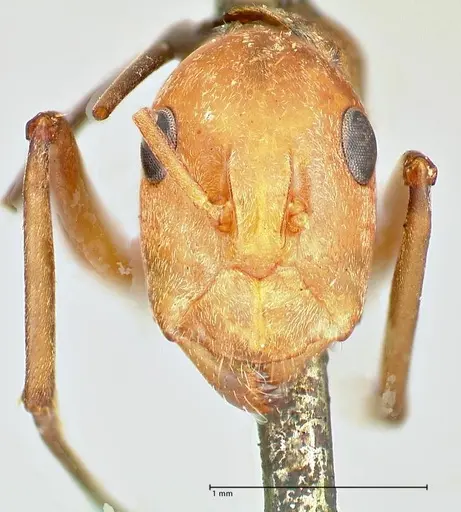
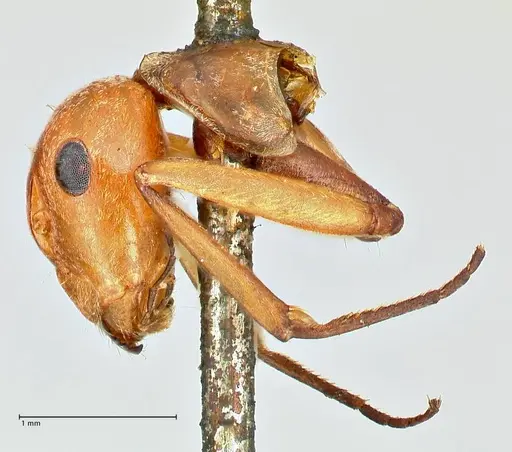
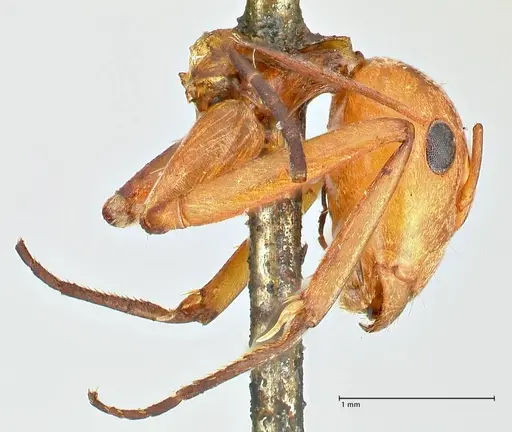
Literatür
Dağılım haritası yükleniyor...Ürünler yükleniyor...