
Camponotus caracalla
- Bilimsel Adı
- Camponotus caracalla
- Alt Cins
- Myrmaphaenus
- Oymak (Tribe)
- Camponotini
- Alt Familya
- Formicinae
- Yazar (Tanımlayan)
- Forel, 1912
- Dağılım
- 0 ülkede bulundu
Giriş
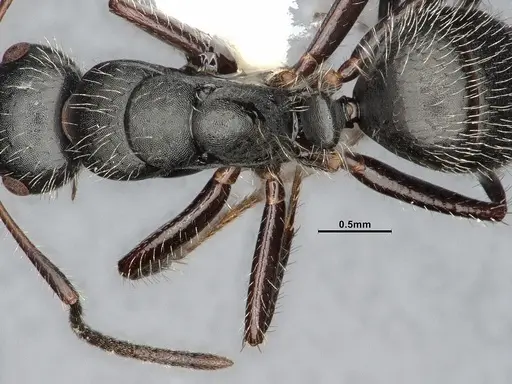
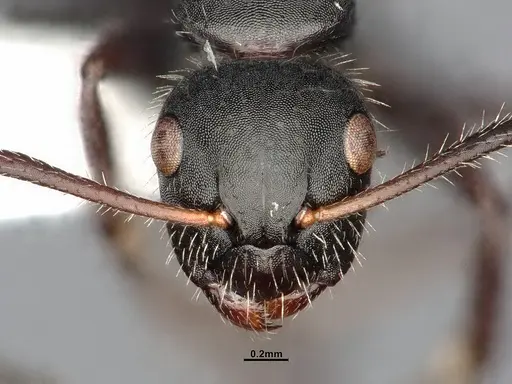
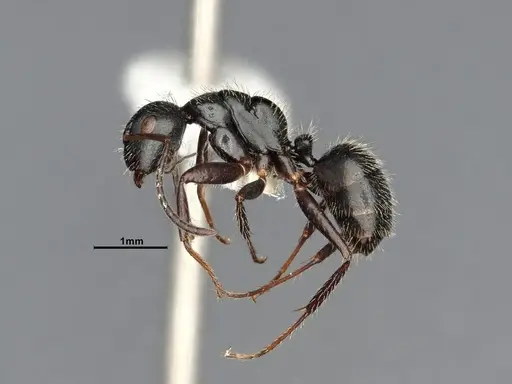
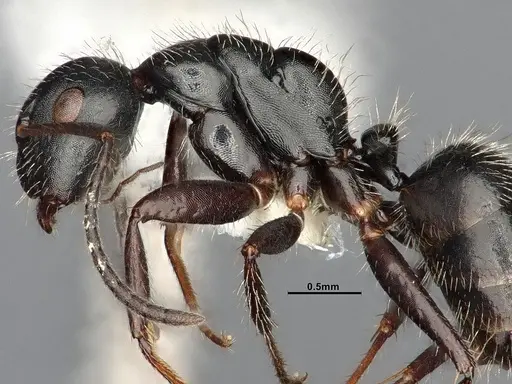
Camponotus caracalla is a Neotropical carpenter ant species native to Brazil, specifically found in the Rio de Janeiro and Santa Catarina regions [AntWiki]. Workers belong to the subgenus Myrmobrachys and the dimorphus species group, characterized by a propodeum that is not marginate and a distinctive trapezoidal petiolar node in lateral view . These ants are part of the Formicinae subfamily, meaning they lack a stinger but can spray formic acid as a defense mechanism. As a tropical species from southeastern Brazil, they prefer warm, humid conditions similar to their natural rainforest habitat.
Quick Summary
- Difficulty: Medium
- Origin & Habitat: Neotropical Brazil, specifically Rio de Janeiro and Santa Catarina regions. Found in tropical rainforest environments with warm temperatures and moderate to high humidity [1].
- Colony Type: Likely single-queen (monogyne) colonies based on typical Camponotus patterns, colony structure is unconfirmed for this specific species.
- Size & Growth:
- Queen: Estimated 14-18mm, inferred from Camponotus genus patterns, direct measurements not available
- Worker: Estimated 6-12mm, inferred from dimorphus group typical sizes, direct measurements not available
- Colony: Likely several hundred workers, estimated based on Myrmobrachys genus patterns
- Growth: Moderate, Camponotus species typically take 6-10 weeks from egg to first worker
- Development: 6-10 weeks at optimal temperature based on typical Camponotus development (Development time depends on temperature, warmer conditions within acceptable range speed up development. Nanitics (first workers) are typically smaller than normal workers.)
- Antkeeping:
- Temperature: Keep at 24-28°C. A heating cable on one side of the nest creates a temperature gradient allowing ants to self-regulate. As a tropical species, they need consistent warmth.
- Humidity: Moderate to high humidity (60-80%). Keep the nest substrate consistently moist but not waterlogged. Provide a water source via test tube setup. Mist occasionally and maintain damp substrate.
- Diapause: Not required. As a tropical species from Brazil, they do not experience true hibernation. However, activity may slow during cooler months, reduce feeding and avoid cooling below 20°C during this period.
- Nesting: In nature, Myrmobrachys species typically nest in rotting wood and pre-existing cavities. In captivity, Y-tong (AAC) nests, plaster nests, or well-humidified test tube setups work well. They prefer tight-fitting chambers scaled to their body size. Avoid dry, desiccated conditions.
- Behavior: Generally calm and non-aggressive for a Camponotus species. Workers are primarily nocturnal or crepuscular, foraging at night when temperatures are cooler. Like other carpenter ants, they do not sting but can spray formic acid as a defense. They are moderate escape artists, use standard barrier methods (fluon on rim, fine mesh on outworld). They are not known for being particularly aggressive toward keepers. Colonies are typically peaceful and focused on brood care and foraging.
- Common Issues: tropical species may struggle if temperatures drop below 20°C, use heating if your room is cool, moderate growth rate means colonies take time to establish, avoid disturbing founding queens too often, escape prevention needed, while not tiny, they can squeeze through small gaps if barrier is inadequate, humidity control is important, too dry causes brood death, too wet can lead to mold, wild-caught colonies may carry parasites, quarantine and monitor new colonies
Housing and Nest Setup
Camponotus caracalla does well in various captive setups. A test tube setup works excellently for founding colonies, use a test tube half-filled with water reservoir, stoppered with a cotton ball, providing humidity through evaporation. For established colonies, Y-tong (AAC) nests or plaster nests maintain humidity well. The key is providing appropriately sized chambers, tight enough that workers feel secure, but with enough space for colony growth. Myrmobrachys species prefer nesting in material that holds moisture. Avoid completely dry setups. An outworld for foraging allows you to observe natural hunting and foraging behaviors. Use a barrier like fluon on the rim to prevent escapes.
Feeding and Diet
Like other Camponotus species, C. caracalla is omnivorous with a preference for protein. Offer protein sources like mealworms, small crickets, or other small insects. They also readily accept sugar water, honey, or diluted maple syrup, carpenter ants need carbohydrates for energy. Feed protein 2-3 times per week, and keep a constant sugar source available. Remove uneaten prey after 24-48 hours to prevent mold. Fresh water should always be available. In the wild, they likely forage for honeydew from aphids and scale insects, plus hunt small arthropods.
Temperature and Seasonal Care
As a Neotropical species from Brazil, C. caracalla requires warm conditions. Maintain nest temperatures between 24-28°C for optimal brood development. Temperatures below 20°C can slow activity significantly and may harm brood. Use a heating cable or heating mat on one side of the nest to create a gradient. Unlike temperate species, they do not require hibernation or diapause. However, you may notice reduced activity during winter months in cooler climates, this is normal. Simply maintain normal temperatures and they will remain active. Avoid sudden temperature fluctuations.
Colony Development and Growth
A claustral founding queen will seal herself into a chamber and not emerge until her first workers (nanitics) emerge, typically after 6-10 weeks depending on temperature. The queen uses stored fat reserves to survive and feed the first brood. Nanitics are smaller than normal workers but will immediately begin foraging to support the colony. Growth is moderate, expect several months before you have a visible worker population. Colony size will gradually increase over 1-2 years to several hundred workers. Patience is key with Camponotus species, they are long-lived and colonies can persist for many years with proper care.
Behavior and Handling
Camponotus caracalla is generally calm and not aggressive toward keepers. Workers are primarily nocturnal, becoming more active in the evening and night hours. They do not possess a stinger but can spray formic acid as a defensive mechanism, this is generally harmless to humans but may cause minor skin irritation. They are not known for being particularly defensive of their nest. Workers communicate using chemical trails to guide nestmates to food sources. Colonies establish clear foraging routes and can become quite bold once established. They are moderate escape risks, use proper barriers but they are not particularly adept at escaping compared to some smaller species.
Frequently Asked Questions
How long does it take for Camponotus caracalla to have first workers?
Expect 6-10 weeks from egg to first worker at optimal temperature (24-28°C). This is typical for Camponotus species. The exact timing depends on temperature, warmer conditions within the acceptable range speed up development.
What temperature do Camponotus caracalla ants need?
Keep them at 24-28°C. As a tropical Brazilian species, they need consistent warmth. Use a heating cable on one side of the nest to create a gradient. Avoid temperatures below 20°C.
Are Camponotus caracalla good for beginners?
They are intermediate difficulty. While not as challenging as some exotic species, they do require warm, humid conditions typical of tropical ants. Beginners can succeed with them if they can maintain proper temperature.
What do Camponotus caracalla eat?
They are omnivorous. Offer protein sources like mealworms, small crickets, or other insects 2-3 times per week. Also provide constant access to sugar water, honey, or diluted syrup for carbohydrates. Fresh water should always be available.
How big do Camponotus caracalla colonies get?
Based on genus patterns, colonies likely reach several hundred workers over 1-2 years. They are moderate-sized carpenter ants.
Do Camponotus caracalla need hibernation?
No, they do not require hibernation. As a tropical species from Brazil, they remain active year-round with proper temperature maintenance.
When should I move Camponotus caracalla to a formicarium?
Wait until the colony has at least 20-30 workers before moving from a test tube setup. Moving too early can stress the colony. Ensure the new setup matches their humidity needs, Y-tong or plaster nests work well.
Can I keep multiple Camponotus caracalla queens together?
This species is likely monogyne (single-queen) based on typical Camponotus patterns. Combining unrelated queens is not recommended as they likely will fight. Only keep one queen per colony.
Why is my Camponotus caracalla colony not growing?
Check temperature first, they need 24-28°C for proper development. Also verify humidity is adequate (60-80% substrate moisture). Poor growth can also result from insufficient protein in diet or low queen fertility. Ensure you're feeding varied protein sources.
Report an Issue
The current care sheet is based fully on literature. See inconsistencies, or something that's incorrect? Please , it will be resolved after review from an admin. Contributing to the blogs tab also helps providing information, to make us be able to further improve the caresheets. Thank you for your support!
References

Bu bakım rehberi şu lisans altındadır: CC BY-SA 4.0 .
Topluluk Blogları
CASENT0910725
AntWeb'de Görüntüle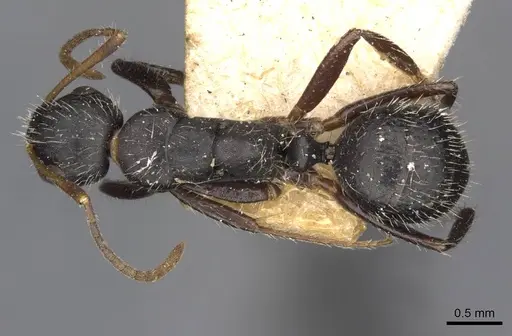
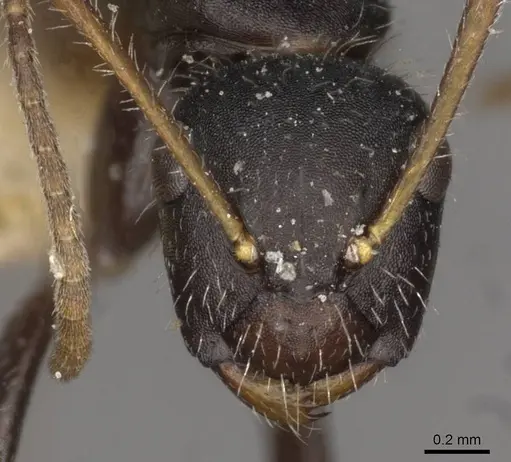
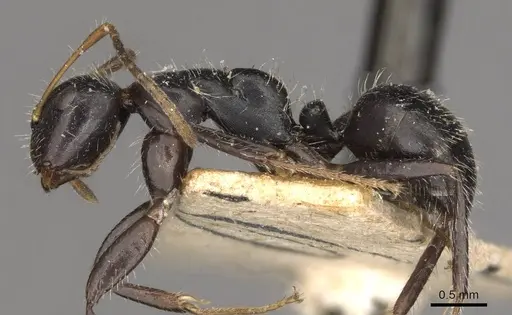
UFV-LABECOL-003959
AntWeb'de Görüntüle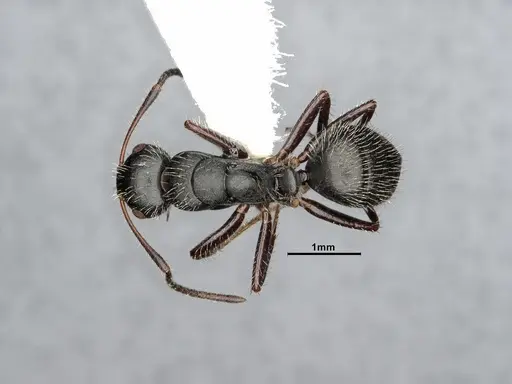
Literatür
Dağılım haritası yükleniyor...Ürünler yükleniyor...