
Azteca minor
- Bilimsel Adı
- Azteca minor
- Oymak (Tribe)
- Leptomyrmecini
- Alt Familya
- Dolichoderinae
- Yazar (Tanımlayan)
- Forel, 1904
- Dağılım
- 0 ülkede bulundu
Giriş
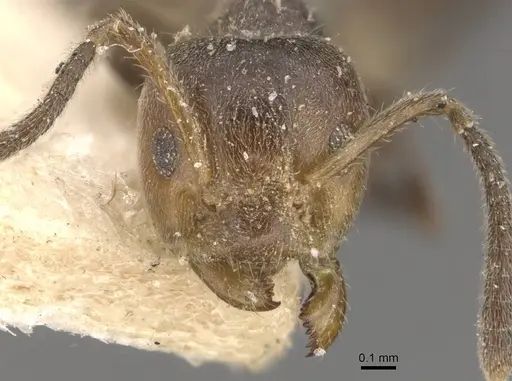
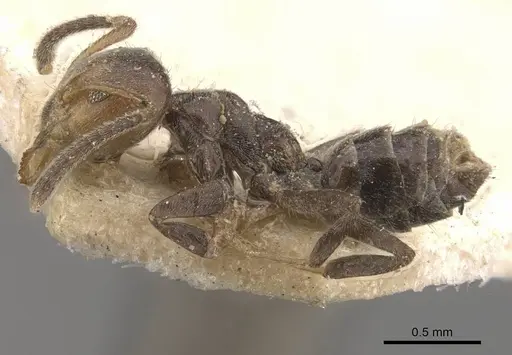
Azteca minor is a small Neotropical ant native to the Amazon basin in Brazil. Workers are slender with a dark brown to black coloration. This species is a plant-ant symbiont, meaning it naturally lives inside hollow stems and nodes of Cecropia trees. The queen was described along with the worker caste. In their natural habitat, these ants benefit from the shelter of Cecropia hollows while protecting the tree from herbivores - a mutualistic relationship common among Azteca species. The genus Azteca contains about 80 species, all restricted to the Neotropics, and they are known for their aggressive defense of their host plants.
Quick Summary
- Difficulty: Medium
- Origin & Habitat: Amazonas region of Brazil, specifically the Juruá area. Naturally nests inside hollow stems and nodes of Cecropia trees in tropical rainforest habitats [1][2].
- Colony Type: Colony structure is not well documented for this specific species. Based on typical Azteca patterns, colonies may support multiple queens and can grow large. The Cecropia association means colonies expand as the tree grows new hollow stems.
- Size & Growth:
- Queen: size data unavailable, no published measurements for this species
- Worker: size data unavailable, no published measurements for this species
- Colony: Likely reaches several thousand workers based on typical Azteca colony sizes
- Growth: Moderate, tropical species with year-round development
- Development: Estimated 6-8 weeks at optimal tropical temperatures (25-28°C), based on related Dolichoderinae (Tropical species may develop faster than temperate ants. First workers (nanitics) typically smaller than normal workers.)
- Antkeeping:
- Temperature: Keep at 24-28°C. These are tropical ants from the Amazon basin, so they need warm, stable temperatures. A heating cable on one side of the nest creates a suitable gradient. Avoid temperatures below 22°C for extended periods.
- Humidity: Moderate to high humidity (60-80%). Their natural Cecropia hollows provide humid but ventilated microhabitats. Keep the nest substrate slightly moist but allow some drying between waterings to prevent mold. Mist occasionally but ensure ventilation.
- Diapause: No, as a tropical species from the Amazon, Azteca minor does not require hibernation or winter rest. Keep temperatures stable year-round.
- Nesting: Provide a nest that mimics their natural Cecropia hollows. Y-tong (AAC) nests or plaster nests with narrow chambers work well. The chambers should be appropriately scaled to their small worker size. Naturalistic setups with cork or wooden structures can also work. Ensure some ventilation while maintaining humidity.
- Behavior: Azteca ants are known for being aggressive defenders of their host plants. Workers are active foragers and will readily defend the nest against threats. They have a moderate escape risk due to their small size, use standard barriers like Fluon on test tube rims. Workers are fast-moving and will explore the outworld actively. As a Dolichoderine ant, they lack a functional sting and instead use defensive chemical secretions (smear defense) from the tip of the abdomen.
- Common Issues: tropical temperature requirements mean colonies can struggle in air-conditioned rooms or cool climates, small colony sizes initially mean they are vulnerable to stress, avoid disturbing founding queens, mold can be an issue if humidity is too high without ventilation, escape prevention is important due to their small size, use fine mesh barriers, wild-caught colonies may bring in Cecropia-associated pests or parasites
Natural History and Host Plant Association
Azteca minor is one of many Azteca species that have evolved a mutualistic relationship with Cecropia trees. In the wild, colonies live inside the hollow stems and nodes of Cecropia plants, which naturally form cavities as they grow. The ants benefit from protected nesting sites, while the Cecropia benefits from the ants' aggressive defense against herbivores and competing plants. This symbiosis is so specialized that some Cecropia species have specific structures called domatia that evolved specifically to house ant colonies. The type specimen for Azteca minor was collected from a Cecropia node in the Brazilian Amazon, confirming this association [1]. In captivity, you can simulate this by providing nests with narrow, enclosed chambers that mimic natural hollow stems.
Housing and Nest Setup
For keeping Azteca minor successfully, choose a nest that provides enclosed chambers while maintaining humidity. Y-tong (AAC) nests work well because they allow you to control moisture levels while observing the colony. Plaster nests are another good option, they hold humidity naturally and can be carved with appropriately sized chambers for these small ants. Avoid overly large, open spaces. For the outworld, a simple foraging area with a water feeder and protein food dish is sufficient. Use a test tube setup for founding colonies, transitioning to a formicarium once the colony reaches 20-30 workers. Escape prevention should include Fluon on all rims and fine mesh on any ventilation openings, as these small ants can squeeze through surprisingly small gaps.
Feeding and Diet
In their natural Cecropia habitat, Azteca ants feed on honeydew produced by scale insects and aphids that live on the host plant, plus any small insects they can catch. In captivity, offer a varied diet: sugar water or honey should be available at all times, changed every few days. For protein, offer small insects like fruit flies, small crickets, or mealworm pieces. You can also try specialized ant gels or prepared protein foods. Feed protein 2-3 times per week, adjusting based on colony size and consumption. Remove uneaten protein after 24-48 hours to prevent mold. Young colonies (under 20 workers) may need smaller prey items or crushed insects. [2]
Temperature and Seasonal Care
As a tropical Amazon species, Azteca minor requires warm temperatures year-round. Keep the nest area between 24-28°C, with a slight gradient allowing workers to choose their preferred temperature. A low-wattage heating cable placed on one side of the nest can maintain these temperatures, but always provide an unheated area so ants can escape if it gets too warm. Room temperature may be sufficient in warm climates or heated rooms, but monitor with a thermometer. These ants do not require any winter cooling or diapause, maintaining consistent tropical conditions is key to their success. Sudden temperature drops or cold drafts can stress colonies and slow development.
Colony Development and Growth
A newly mated queen will seal herself into a suitable chamber and lay her first eggs. She will not leave to forage, instead she uses stored fat reserves to survive until the first workers emerge. This is called claustral founding and is typical of Dolichoderinae ants. The first workers (nanitics) are often smaller than subsequent workers and may take 6-8 weeks to emerge at optimal temperatures. After the nanitics arrive, the queen stops foraging entirely and focuses on egg-laying while workers take over all colony tasks. Growth is moderate, expect the colony to reach 50-100 workers within the first year with good care. Mature colonies can grow to several thousand workers over several years.
Frequently Asked Questions
How long does it take for Azteca minor to raise first workers?
At optimal temperatures (24-28°C), expect first workers (nanitics) in about 6-8 weeks. This is typical for tropical Dolichoderinae species. The exact timing depends on temperature stability and feeding.
What do Azteca minor ants eat?
They accept sugar sources (honey water, sugar water) and protein (small insects like fruit flies, crickets, mealworms). In nature they also feed on honeydew from aphids. Provide sugar water constantly and protein prey 2-3 times weekly.
Can I keep Azteca minor in a test tube?
Yes, test tubes work well for founding colonies. Use a test tube with a water reservoir and cotton plug, kept horizontal. Once the colony reaches 20-30 workers, consider moving to a proper formicarium with more space.
Do Azteca minor ants need hibernation?
No. As a tropical Amazon species, they do not require hibernation or winter cooling. Keep temperatures stable at 24-28°C year-round.
Are Azteca minor good for beginners?
This species is rated Medium difficulty. While not the hardest species, their tropical temperature requirements and specific nesting preferences make them better suited for keepers who have already successfully kept at least one species to maturity. Their small size and escape potential also require attention.
How big do Azteca minor colonies get?
Based on typical Azteca species, mature colonies can reach several thousand workers over several years.
When should I move my Azteca minor to a formicarium?
Move from test tube to formicarium when the colony reaches 20-30 workers or the test tube becomes crowded. Ensure the new nest has appropriately sized chambers for their small worker size.
Why is my Azteca minor colony not growing?
Check three things: temperature (should be 24-28°C), humidity (should be moderate but not stagnant), and food (sugar constant, protein 2-3x weekly). Also ensure they're not being disturbed frequently, founding colonies are sensitive to vibration and light.
Report an Issue
The current care sheet is based fully on literature. See inconsistencies, or something that's incorrect? Please , it will be resolved after review from an admin. Contributing to the blogs tab also helps providing information, to make us be able to further improve the caresheets. Thank you for your support!
References

Bu bakım rehberi şu lisans altındadır: CC BY-SA 4.0 .
Topluluk Blogları
CASENT0909653
AntWeb'de Görüntüle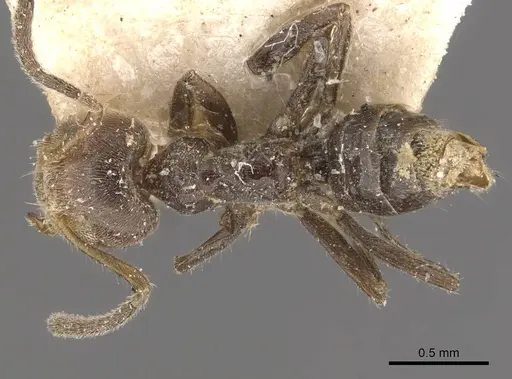
Literatür
Dağılım haritası yükleniyor...Ürünler yükleniyor...