
Apterostigma callipygium
- Bilimsel Adı
- Apterostigma callipygium
- Oymak (Tribe)
- Attini
- Alt Familya
- Myrmicinae
- Yazar (Tanımlayan)
- Lattke, 1997
- Dağılım
- 0 ülkede bulundu
Giriş
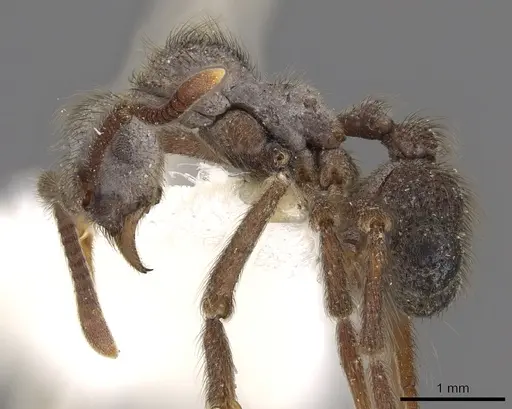
Apterostigma callipygium is a small fungus-growing ant from the Neotropical region of South America . First described by Lattke in 1997,this species lives in the tropical lowlands of southern Colombia (Meta and Putumayo departments) and Ecuador . As members of the Attini tribe (fungus-growing ants), they cultivate fungal gardens for food rather than hunting or scavenging like many other ants . This species possesses a functional stinger as typical for Myrmicinae.
Quick Summary
- Difficulty: Expert
- Origin & Habitat: Colombia and Ecuador, tropical lowland forests [1][2][3]
- Colony Type: Unknown, colony structure unconfirmed
- Size & Growth:
- Queen: size data unavailable
- Worker: size data unavailable
- Colony: Unknown, likely small to moderate based on genus patterns
- Growth: Slow
- Development: Estimated 8-12 weeks based on related Attini species at 25°C (Timeline is unconfirmed, development depends heavily on fungal garden health)
- Antkeeping:
- Temperature: Keep warm and stable, around 24-28°C. Because they come from tropical Colombia and Ecuador [1][2], they cannot tolerate cold or fluctuation.
- Humidity: High humidity,70-80%. Keep the nest substrate damp to support their fungal garden.
- Diapause: No, tropical species do not hibernate
- Nesting: Requires specialized fungus garden setup with space for decaying plant material and garden expansion
- Behavior: Peaceful and slow-moving, focused on garden maintenance. Escape risk is low to moderate for small Attini if proper barriers are used.
- Common Issues: fungus garden contamination or failure, this is the primary cause of colony death in fungus-growing ants., insufficient humidity causing garden desiccation and collapse., incorrect substrate for fungal growth, must provide appropriate decaying plant material or insect frass., difficulty obtaining founding queens with viable fungus starter culture.
Fungus Garden Requirements
As Attini (fungus-growing ants), Apterostigma callipygium requires a living fungal garden to survive [3]. The ants cultivate fungus on decaying plant material or insect frass. You must provide appropriate substrate such as sterilized leaf litter or decaying wood, and maintain high humidity to prevent the garden from drying out. Contamination by mold or mites is the most common cause of colony failure. The specific fungal species cultivated by Apterostigma callipygium is unknown, but related Apterostigma species use insect frass and plant debris.
Temperature and Humidity
Keep your colony warm and stable. Because they naturally occur in tropical Colombia and Ecuador [1][2], room temperature in many homes may be too cool. Aim for 24-28°C with minimal fluctuation. High humidity is essential, keep the nest substrate damp but not waterlogged. If the garden dries out, the colony will die.
Feeding and Diet
Unlike most pet ants, you do not feed Apterostigma callipygium directly with sugar water or insects. Instead, they eat fungus grown on substrate you provide. Offer small pieces of sterilized leaf litter, decaying wood, or insect frass (processed insect waste). The ants will chew this material and use it to grow their fungal garden, which serves as their sole food source. [3]
Colony Founding
Founding behavior is unconfirmed for this species. Based on typical Attini patterns, queens likely found colonies claustrally (sealing themselves in) with a small piece of fungus or substrate to start the garden. This means you should provide founding queens with a small starter fungus culture and a sealed chamber with high humidity.
Frequently Asked Questions
Can I keep Apterostigma callipygium in a test tube?
No. Test tubes do not provide the space or conditions needed for a fungal garden. They require a specialized setup with room for substrate and garden expansion.
What do Apterostigma callipygium eat?
They eat fungus that they cultivate on decaying plant material. They do not eat sugar water or insects directly like many other ants.
How long until first workers for Apterostigma callipygium?
The timeline is unknown. Based on related fungus-growing ants, expect 8-12 weeks at 25°C, but this varies greatly depending on garden health.
Do Apterostigma callipygium need hibernation?
No. They come from tropical regions [1][2] and do not require a winter rest period.
Are Apterostigma callipygium good for beginners?
No. They are expert-level ants due to their specialized fungal diet and precise humidity requirements.
How big do Apterostigma callipygium colonies get?
Colony size is unknown. Related Apterostigma species typically maintain small to moderate colonies.
Can I keep multiple Apterostigma callipygium queens together?
This has not been documented. Do not attempt to combine multiple queens.
Why are my Apterostigma callipygium dying?
The most likely cause is fungus garden failure from contamination, incorrect substrate, or insufficient humidity. Check that the garden remains damp and free of mold.
Report an Issue
The current care sheet is based fully on literature. See inconsistencies, or something that's incorrect? Please , it will be resolved after review from an admin. Contributing to the blogs tab also helps providing information, to make us be able to further improve the caresheets. Thank you for your support!
References

Bu bakım rehberi şu lisans altındadır: CC BY-SA 4.0 .
Topluluk Blogları
CASENT0901687
AntWeb'de Görüntüle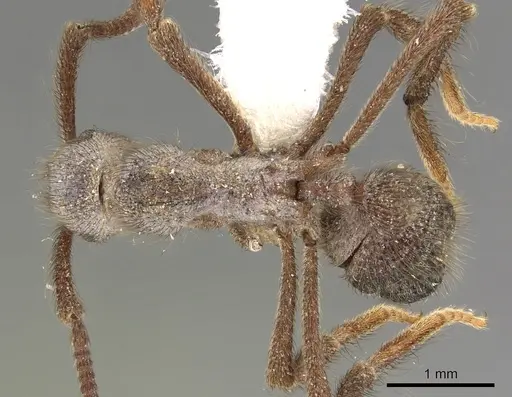
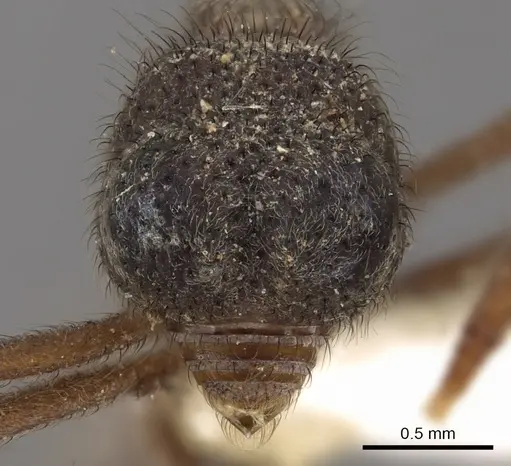
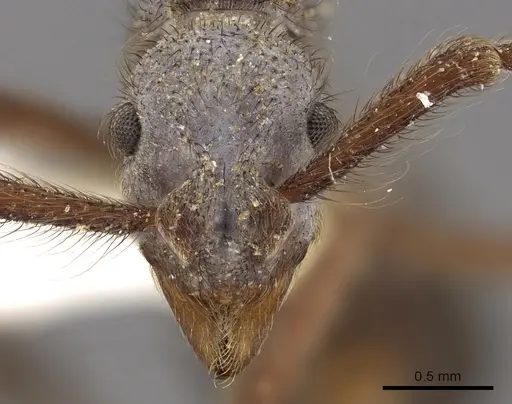
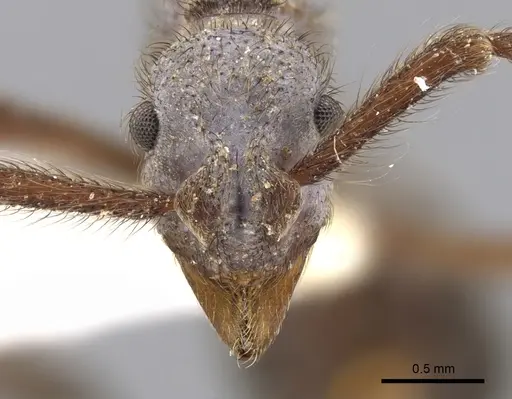
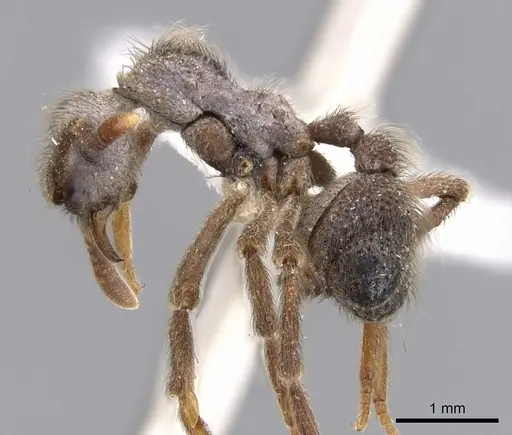
CASENT0923576
AntWeb'de Görüntüle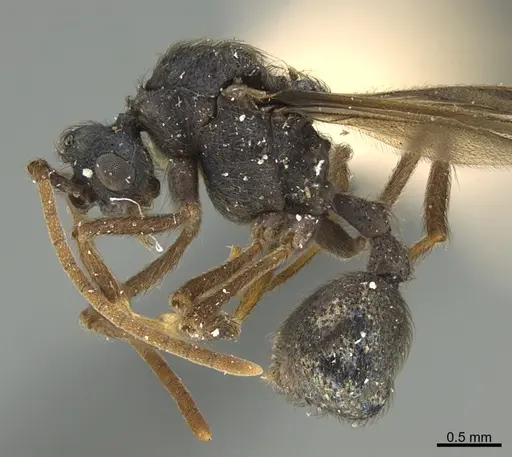
Literatür
Dağılım haritası yükleniyor...Ürünler yükleniyor...