
Aphaenogaster carbonaria
- Bilimsel Adı
- Aphaenogaster carbonaria
- Oymak (Tribe)
- Stenammini
- Alt Familya
- Myrmicinae
- Yazar (Tanımlayan)
- Pergande, 1894
- Dağılım
- 0 ülkede bulundu
Giriş
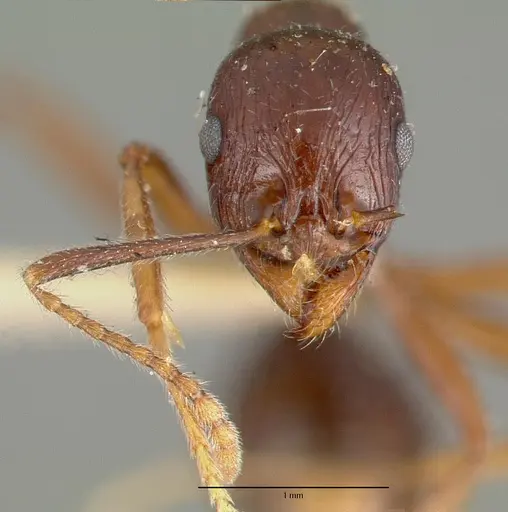
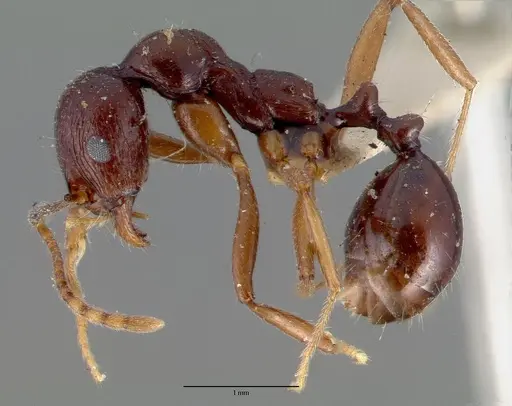
Aphaenogaster carbonaria is a dark, coal-colored ant species endemic to the Baja California Sur region of Mexico, meaning it is found naturally nowhere else on Earth . First described in 1894 from specimens collected in the Sierra Laguna mountains, it was long treated as a subspecies of Aphaenogaster patruelis before being recognized as a distinct species . These ants inhabit the arid and semi-arid landscapes of the southern Baja peninsula, where they nest in soil and forage as generalist scavengers and seed collectors. They represent one of the more obscure Aphaenogaster species in the genus, with limited documented biological studies.
Quick Summary
- Difficulty: Medium
- Origin & Habitat: Endemic to Baja California Sur, Mexico [1][2]. Inhabits desert and semi-arid regions of the southern Baja peninsula, nesting in soil and under stones in arid scrubland.
- Colony Type: Colony structure is unconfirmed. No specific studies document queen number or colony organization for this species.
- Size & Growth:
- Queen: Size data unavailable, no specific measurements exist for this species. Expected to fall within typical Aphaenogaster genus range (~6-10mm).
- Worker: Size data unavailable, no specific measurements exist for this species. Expected to fall within typical Aphaenogaster genus range (~4-7mm).
- Colony: Colony size data unavailable for this species.
- Growth: Growth rate is unconfirmed for this species.
- Development: Development timeline is unconfirmed for this species. Related Aphaenogaster species typically require 6-10 weeks at warm temperatures. (Development time is not documented for Aphaenogaster carbonaria specifically.)
- Antkeeping:
- Temperature: Keep warm and stable, roughly low-to-mid 20s°C. No specific temperature requirements are documented for this species, infer from desert habitat preference.
- Humidity: Provide a humidity gradient, mostly dry nest chamber with one small moist area for brood. Avoid overly damp conditions as this is a desert species.
- Diapause: Winter diapause requirements are unconfirmed for this species. Based on geographic range (Baja California Sur has mild winters), a short cool period may be beneficial but is not well-documented.
- Nesting: Soil-based nests under stones or in sandy ground. In captivity, use a Y-tong nest with a sand/soil mix or a naturalistic setup with flat stones. Avoid overly damp plaster nests.
- Behavior: Active, fast-moving foragers that collect seeds and scavenge dead insects. Generally calm but capable of quick escape attempts due to small size. Not aggressive toward keepers but may bite if threatened.
- Common Issues: escaping through tiny gaps due to small worker size and fast movement., fungal infections if kept in overly humid conditions, desert species need ventilation and dry areas., difficulty finding queens as they are endemic to a specific region and rarely available in the trade., limited documented care information makes established protocols less reliable.
Natural History and Distribution
Aphaenogaster carbonaria is endemic to the Baja California Sur region of Mexico, meaning it occurs naturally nowhere else in the world [1]. The species was first described in 1894 from specimens collected at Sierra Laguna and El Chinche in Baja California [3]. For many years it was classified as a subspecies of Aphaenogaster patruelis, but modern taxonomy recognizes it as a full species [3]. They inhabit the arid and semi-arid scrublands of the southern Baja peninsula, where they nest in sandy soils and under stones in desert washes and rocky slopes.
Nest Preferences
In their natural desert habitat, these ants nest in the ground, often under flat stones or in open sandy soil that allows for easy excavation. The nests are typically shallow with multiple entrances. In captivity, replicate these conditions with a Y-tong (aerated concrete) nest filled with a mix of sand and fine soil, or a naturalistic setup with a soil substrate and flat stones for cover. Avoid nests that retain too much moisture, desert species are prone to fungal issues if the substrate stays constantly wet. Provide a water source in the outworld rather than saturating the nest itself. [3]
Feeding and Diet
Based on typical Aphaenogaster behavior, these ants are generalist omnivores and seed dispersers. They collect seeds and may store them in the nest. Offer a variety of small seeds such as millet, chia, or poppy seeds. For protein, provide dead insects like fruit flies, small crickets, or mealworm pieces. They also accept sugar water or honey water in small amounts. Remove uneaten protein quickly to prevent mold in the dry nest environment. [3]
Temperature and Seasonal Care
As a desert species from Baja California Sur, they prefer warm conditions. Maintain the nest area in the low-to-mid 20s°C range during the day. Nighttime temperatures can drop somewhat. During winter, a short cool period at room temperature may be beneficial given their subtropical desert origin, but specific diapause requirements are not documented for this species. Monitor colony behavior to determine if cooling is beneficial. [1]
Colony Founding
Founding behavior is unconfirmed for this species. Based on typical Aphaenogaster patterns, queens may found colonies alone through claustral founding, where the queen seals herself in a chamber and lives entirely off her stored body fat reserves until her first workers hatch. Do not disturb the founding chamber or offer food during this initial period. First workers are expected to emerge after several weeks at warm temperatures, though exact timing is not documented for Aphaenogaster carbonaria. [3]
Behavior and Temperament
These ants are active and fast-moving foragers that spend much of their time searching for seeds and scavenging. They are not typically aggressive toward humans but will bite if handled or threatened, though their mandibles are small and not painful. They cannot sting. Their small size and speed make them excellent escape artists, so use fine mesh ventilation and Fluon or talcum powder barriers on outworld rims. [3]
Frequently Asked Questions
Can I keep multiple Aphaenogaster carbonaria queens together?
This is not recommended. Colony structure is unconfirmed for this species, but based on typical Aphaenogaster patterns, they likely have single-queen colonies. Queens will likely fight if housed together, resulting in injury or death.
Do Aphaenogaster carbonaria need hibernation?
Winter diapause requirements are unconfirmed for this species. As a desert species from Baja California Sur where winters are mild, a short cool period may be beneficial but is not well-documented. Monitor your colony and consider providing a brief cool period during winter months.
How long does Aphaenogaster carbonaria take from egg to worker?
Development timeline is unconfirmed for this species. Related Aphaenogaster species typically require 6-10 weeks at warm temperatures, but exact timing for Aphaenogaster carbonaria is not documented.
What do Aphaenogaster carbonaria eat?
They are generalist omnivores. Offer small seeds (millet, chia), dead insects (fruit flies, cricket pieces), and sugar water. They are natural seed collectors, so providing seeds is important for their natural foraging behavior.
Are Aphaenogaster carbonaria good for beginners?
They are medium difficulty. While not aggressive, their small size makes escapes likely, and their desert origins mean you must carefully manage humidity, not too wet, not too dry. Limited documented care information also makes established protocols less reliable.
Do Aphaenogaster carbonaria ants sting?
No, they cannot sting humans. Like other Aphaenogaster, they may bite if threatened and can spray formic acid, but they pose no serious danger to keepers.
What is the best nest type for Aphaenogaster carbonaria?
Use a Y-tong (aerated concrete) nest with a sand/soil mixture, or a naturalistic setup with sandy substrate and flat stones. Avoid plaster nests that stay too damp. The nest should have areas that stay dry with a small moist section for brood.
Where can I find Aphaenogaster carbonaria queens?
This species is endemic to Baja California Sur, Mexico, and is rarely available in the ant trade. You would need to collect them in their native range during nuptial flight season, though flight timing is unconfirmed. They are not established anywhere else in the world.
Report an Issue
The current care sheet is based fully on literature. See inconsistencies, or something that's incorrect? Please , it will be resolved after review from an admin. Contributing to the blogs tab also helps providing information, to make us be able to further improve the caresheets. Thank you for your support!
References

Bu bakım rehberi şu lisans altındadır: CC BY-SA 4.0 .
Topluluk Blogları
CASTYPE00621
AntWeb'de Görüntüle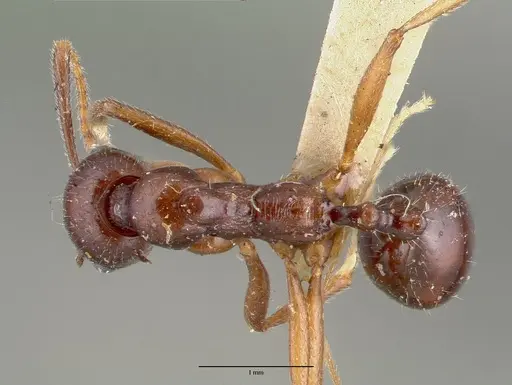
Literatür
Dağılım haritası yükleniyor...Ürünler yükleniyor...