
Aphaenogaster beesoni
- Bilimsel Adı
- Aphaenogaster beesoni
- Oymak (Tribe)
- Stenammini
- Alt Familya
- Myrmicinae
- Yazar (Tanımlayan)
- Donisthorpe, 1933
- Dağılım
- 0 ülkede bulundu
Giriş
Aphaenogaster beesoni is a small light brown ant from the Himalayan mountains. Workers measure less than 5 mm and have a two-toned appearance with a brownish-yellow gaster and matching light brown head and thorax . They live at high altitudes around 1,676 meters in the Northwest Himalaya, nesting under stones in forested areas with sparse undergrowth and fairly moist surfaces . These ants are seed dispersers, collecting and moving seeds in their semiarid mountain habitats . Researchers have documented that their larvae go through five distinct growth stages before becoming adults, with each stage showing different body shapes and hair types .
Quick Summary
- Difficulty: Medium
- Origin & Habitat: Northwest Himalaya (India and Pakistan), found at high altitudes around 1,676m in semiarid forested areas with sparse undergrowth and fairly moist surfaces [2][3][4]
- Colony Type: Colony structure is unconfirmed
- Size & Growth:
- Queen: Size data unavailable
- Worker: Less than 5mm [1]
- Colony: Unknown, estimated several hundred workers based on genus patterns
- Growth: Moderate (estimated)
- Development: Unknown, estimated 8-12 weeks at 20-22°C based on related species (Larvae pass through five distinct growth stages (instars) before pupating [3])
- Antkeeping:
- Temperature: 18-24°C (estimated), high-altitude species that prefers moderate temperatures with cooler nights [2][1]
- Humidity: Moderate humidity with moist but not wet nest material, they nest in areas with fairly moist surfaces despite semiarid climate [3][1]
- Diapause: Likely required, high-altitude Himalayan species at 28°N latitude probably need winter rest [5][2]
- Nesting: Under stones in nature, in captivity use naturalistic setups with flat stones or plaster nests with narrow chambers and good drainage [3]
- Behavior: Active surface foragers that collect and disperse seeds, can sting [1], small size requires excellent escape prevention with fine mesh barriers
- Common Issues: high altitude origin means they may fail if kept too warm without cool night periods., small size under 5mm requires excellent escape prevention with fine mesh barriers and tight-fitting lids., semiarid adaptation means they are sensitive to overly wet conditions and mold growth., slow growth rate may test beginner patience if expecting rapid colony development.
Nest Preferences
In the wild, Aphaenogaster beesoni nests under stones in high-altitude Himalayan forests [3]. They prefer areas with sparse undergrowth and fairly moist surfaces, though they live in semiarid habitats overall [3][1].
In captivity, recreate this stone-under-forest-floor feeling. A naturalistic setup with flat stones covering moist soil works well. Alternatively, use a plaster or Y-tong nest with narrow chambers and tunnels sized for ants under 5mm. Provide a moisture gradient with one side slightly damper than the other, but avoid swampy conditions. Good ventilation is important to prevent mold in their semiarid-adapted environment.
Feeding and Diet
Aphaenogaster beesoni functions as a seed disperser in nature, meaning they collect seeds and move them to new locations [1][4]. This makes them myrmecochorous ants that likely rely partly on seed resources.
In captivity, offer a mix of small seeds along with protein sources. They will take small insects such as fruit flies, springtails, and tiny pieces of mealworm. Provide sugar water or honey water as a carbohydrate source. Watch to see if they actually store seeds in their nest chambers, as some seed-collecting ants do.
Temperature and Care
Coming from high altitudes in the Himalayas around 1,676 meters and above, these ants experience cooler conditions than lowland tropical species [2][3]. They live at roughly 28°N latitude in an extratropical region [5].
Keep them at 18-24°C with a slight drop at night. They likely need a winter rest period (diapause) for several months at cooler temperatures (10-15°C) to simulate their natural Himalayan winter. Without this cool period, the colony may eventually fail. Use a heating cable on one side of the nest only if your room is too cold, but avoid overheating them.
Behavior and Temperament
These are active surface-foraging ants that search for seeds and small prey items. They are not typically aggressive but can sting, the gaster is described as stinging in the species description [1]. Given their small size under 5mm, the sting is unlikely to penetrate human skin but may be used on prey.
Because of their tiny size, escape prevention is critical. They can squeeze through the smallest gaps in lids and tubing. Use fine mesh (stainless steel or nylon) and Fluon or talcum powder barriers on the outworld walls.
Growth and Development
Researchers have documented that Aphaenogaster beesoni larvae go through five distinct growth stages, called instars, before becoming adults [3]. Each stage has different body shapes and hair types. The first stage is short and rounded, the middle three stages are elongated with a distinct neck, and the final stage returns to a more rounded shape before pupating.
This detailed knowledge doesn't change how you keep them, but it confirms they develop slowly through multiple larval molts. Expect development from egg to worker to take roughly 8-12 weeks at moderate temperatures, though this is estimated from related species.
Colony Founding
Founding behavior for this species is unconfirmed. If you acquire a founding queen, offer small amounts of sugar water and tiny prey items. Once workers arrive, they will take over foraging duties.
Frequently Asked Questions
Can I keep Aphaenogaster beesoni in a test tube?
Yes, a standard test tube setup works for founding colonies, but ensure the cotton plug is tight since workers are under 5mm and can escape through tiny gaps. Move them to a proper nest with stone-like chambers once you have 10-20 workers.
How long until first workers for Aphaenogaster beesoni?
The exact timeline is unknown, but based on related species, expect 8-12 weeks at 20-22°C. Development may be slower at cooler temperatures.
Do Aphaenogaster beesoni need seeds to survive?
They are seed dispersers in nature, but in captivity they can survive on a varied diet including insects and sugar water. However, offering small seeds may encourage natural foraging behaviors and provide food reserves.
Do Aphaenogaster beesoni ants sting?
Yes, they possess a stinger [1]. However, given their small size under 5mm, they are unlikely to penetrate human skin and are not considered dangerous.
Do Aphaenogaster beesoni need hibernation?
Likely yes. As a high-altitude Himalayan species living at 1,676m and above, they probably require a winter rest period at 10-15°C for several months to remain healthy long-term.
What temperature is best for Aphaenogaster beesoni?
Keep them at 18-24°C with cooler nights. Avoid tropical temperatures above 28°C. If your room is warm, provide a shaded area and ensure the nest does not overheat.
Can I keep multiple Aphaenogaster beesoni queens together?
Not recommended. Combining unrelated queens has not been documented for this species, and most Aphaenogaster are single-queen colonies. Attempting to combine queens will likely result in fighting and death.
Why are my Aphaenogaster beesoni dying?
Common causes include overheating (they are high-altitude ants), overly wet conditions causing mold (they prefer semiarid conditions), or lack of winter diapause. Also check for escapes, their small size means they may be leaving the nest rather than dying.
Report an Issue
The current care sheet is based fully on literature. See inconsistencies, or something that's incorrect? Please , it will be resolved after review from an admin. Contributing to the blogs tab also helps providing information, to make us be able to further improve the caresheets. Thank you for your support!
References

Bu bakım rehberi şu lisans altındadır: CC BY-SA 4.0 .
Topluluk Blogları
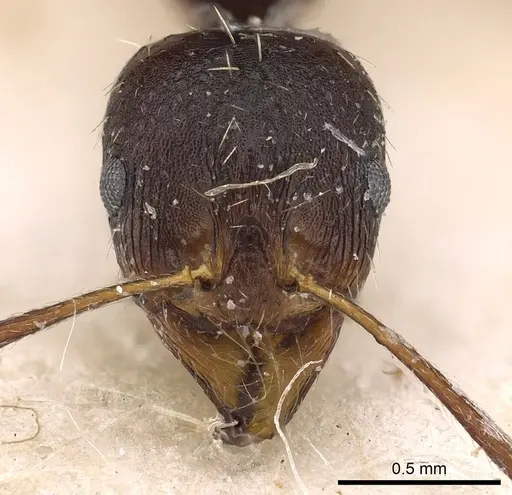
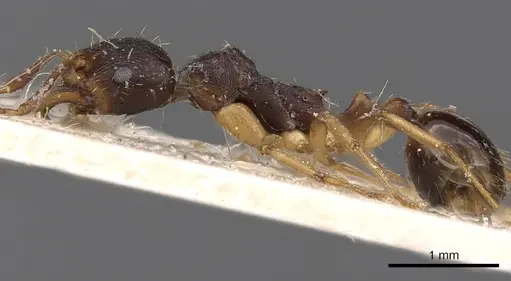
CASENT0900454
AntWeb'de Görüntüle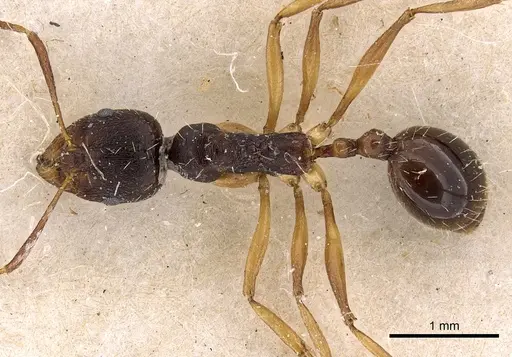
Literatür
Dağılım haritası yükleniyor...Ürünler yükleniyor...