
Aenictus shuckardi
- Bilimsel Adı
- Aenictus shuckardi
- Alt Familya
- Dorylinae
- Yazar (Tanımlayan)
- Forel, 1901
- Dağılım
- 0 ülkede bulundu
Giriş
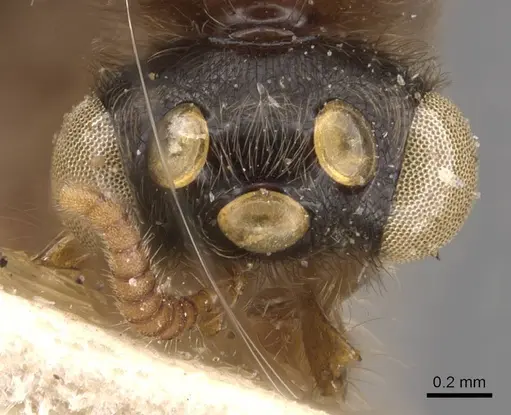
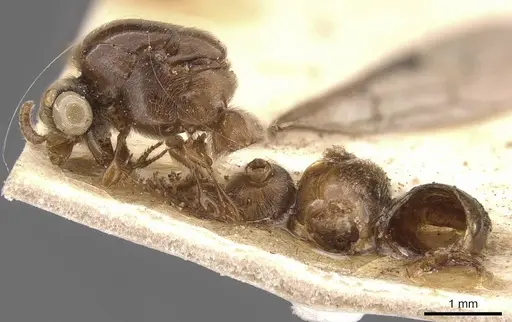
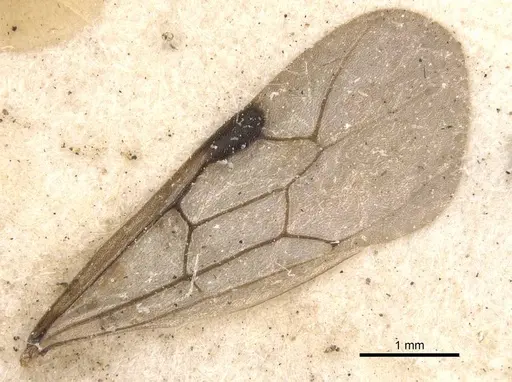
Aenictus shuckardi is an army ant species in the subfamily Dorylinae found across the Indomalaya region . Males are the only caste documented in scientific collections, identified by their collection at light sources in India and Singapore . The species was first described by Forel in 1901 from Barrackpore, West Bengal . Unlike typical ants kept by hobbyists, you cannot currently keep this species in captivity. Only male specimens have been recorded, meaning queens and workers remain undescribed . Without knowledge of the queen or worker castes, no method exists to establish a captive colony.
Quick Summary
- Difficulty: Expert
- Origin & Habitat: Indomalaya region including India (West Bengal, Arunachal Pradesh, Sikkim), Singapore, Bangladesh, and China [7][4][1]
- Colony Type: Unknown, only male specimens have been documented [4][6]
- Size & Growth:
- Antkeeping:
- Temperature: Unknown, tropical distribution may suggest warm conditions, but specific requirements remain unconfirmed
- Humidity: Unknown
- Diapause: Unknown, distribution in tropical regions suggests diapause may not be required, but this remains unconfirmed
- Nesting: Unknown, not suitable for standard formicaria
- Behavior: Males are attracted to artificial light sources during nocturnal flights [2][3]. Other behaviors including foraging patterns and aggression levels remain unknown.
- Common Issues: only male specimens have been documented, you cannot obtain a queen or workers to start a colony [4][6], males collected at lights provide no information on colony care requirements, distribution spans tropical and subtropical regions but specific habitat needs are unknown [7], no data exists on temperature, humidity, or diet requirements
Taxonomy and Known Material
Aenictus shuckardi was first described by Forel in 1901 from Barrackpore, West Bengal, India [5]. Despite being described over a century ago, the species remains known only from male specimens [4][6]. No queens or workers have been documented in scientific collections, leaving the colony structure and social organization completely unknown. Males have been collected using light traps, suggesting they are attracted to artificial lighting during their nocturnal flights [2][3].
Distribution and Range
This species has a scattered distribution across the Indomalaya region. Records exist from India (specifically West Bengal, Arunachal Pradesh, and Sikkim) [7], Singapore [4][6], Bangladesh, and China [1]. The wide geographic spread suggests adaptation to tropical and subtropical forest habitats, though specific microhabitat preferences remain undocumented.
Collection Methods
All documented specimens have been captured at light sources [2][3]. This collection method indicates that males fly at night and are attracted to artificial illumination. Standard pitfall trapping or hand collection of foraging workers has not yielded specimens, though this may reflect the cryptic nature of potential colonies rather than absence.
Captive Keeping Feasibility
You cannot keep this species in captivity. Only male specimens exist in collections, so you cannot obtain a queen or workers to start a colony [4][6]. Based on typical Aenictus genus patterns, army ants require large foraging territories and specialized social structures that would be extremely difficult to replicate in captivity. Attempting to keep this species is not recommended.
Frequently Asked Questions
Can I keep Aenictus shuckardi in a test tube?
No. This species is only known from male specimens, and no method exists to establish a captive colony [4][6].
How do I find a queen for Aenictus shuckardi?
Queens have not been documented for this species. Only males have been collected in scientific surveys [4][6].
What do Aenictus shuckardi eat?
The diet is unknown. Based on typical Aenictus genus patterns, the genus is known to be predatory, but specific feeding habits for A. shuckardi remain unstudied.
How big do Aenictus shuckardi colonies get?
Colony size is unknown. No colonies have been documented in the scientific literature [4].
Do Aenictus shuckardi need diapause?
Unknown. Their distribution in tropical regions suggests they may not require winter rest, but this has not been confirmed.
Are Aenictus shuckardi dangerous?
Unknown. As members of the subfamily Dorylinae, they may possess stingers, but no specific behavioral data is available.
Can I keep multiple Aenictus shuckardi together?
This is not applicable as only males are known. Males do not form colonies and typically die shortly after mating.
How long until Aenictus shuckardi gets its first workers?
Unknown. Founding behavior and development timelines have not been documented for this species.
Report an Issue
The current care sheet is based fully on literature. See inconsistencies, or something that's incorrect? Please , it will be resolved after review from an admin. Contributing to the blogs tab also helps providing information, to make us be able to further improve the caresheets. Thank you for your support!
References

Bu bakım rehberi şu lisans altındadır: CC BY-SA 4.0 .
Topluluk Blogları
CASENT0907018
AntWeb'de Görüntüle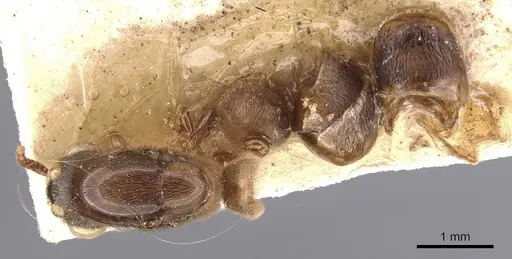
Literatür
Dağılım haritası yükleniyor...Ürünler yükleniyor...