
Aenictus moebii
- Bilimsel Adı
- Aenictus moebii
- Alt Familya
- Dorylinae
- Yazar (Tanımlayan)
- Emery, 1895
- Dağılım
- 0 ülkede bulundu
Giriş
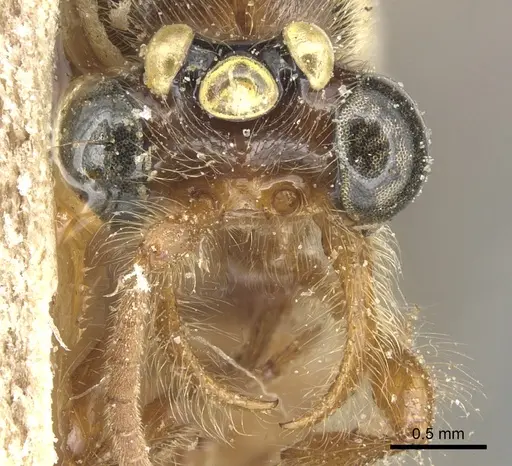
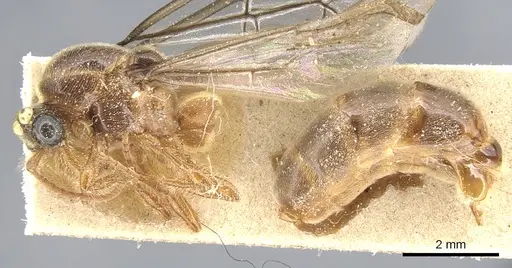
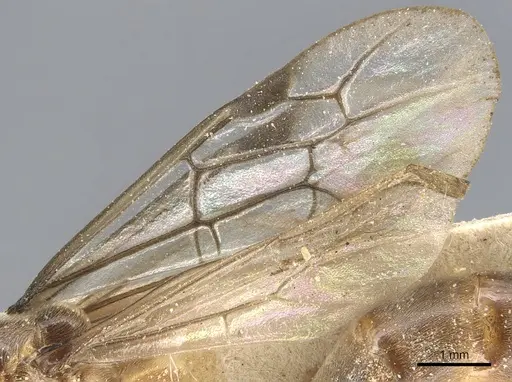
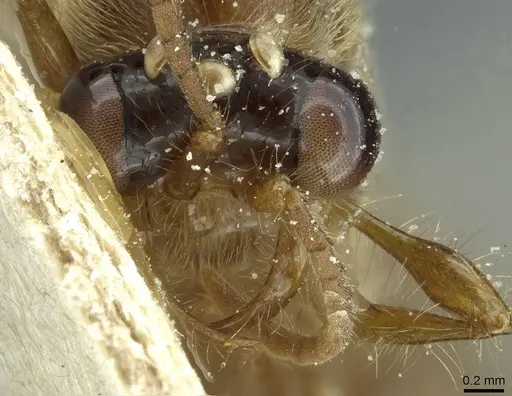
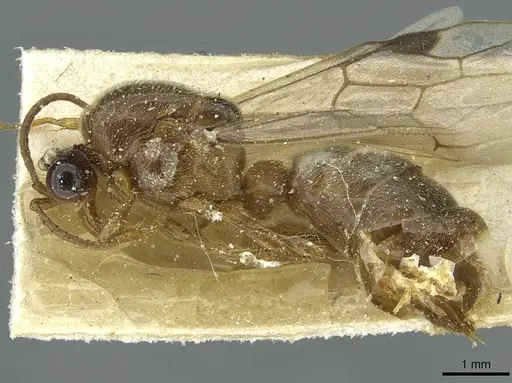
Aenictus moebii is a poorly studied army ant from Central Africa. Researchers first described this species from a specimen collected in Côte d'Ivoire in 1897 . Recent surveys confirm it lives in the Democratic Republic of Congo, specifically in the Haut-Katanga and Haut-Lomami regions where it is considered endemic . Like other army ants in the genus Aenictus, they hunt in coordinated groups and do not build permanent nests . These ants present extreme challenges for captive care. They are nomadic predators that require massive amounts of live prey and specialized housing to form temporary bivouacs. Very few antkeepers have successfully maintained army ant colonies long-term .
Quick Summary
- Difficulty: Expert
- Origin & Habitat: Democratic Republic of Congo (Haut-Katanga and Haut-Lomami regions) and Côte d'Ivoire, tropical forests [2][1].
- Colony Type: Unknown. Army ants typically form single-queen colonies that reproduce by fission rather than single-queen founding [3].
- Size & Growth:
- Queen: ~8-10 mm, inferred from typical Aenictus genus patterns [3].
- Worker: ~2-4 mm, inferred from typical Aenictus genus patterns [3].
- Colony: Likely several thousand workers based on genus patterns [3].
- Growth: Unknown
- Development: Approximately 4-8 weeks at 25-28°C based on typical tropical army ant patterns [3]. (Exact timing is unconfirmed for this species. Development depends heavily on temperature and food availability.)
- Antkeeping:
- Temperature: Keep warm and stable, roughly 24-28°C. This matches their tropical forest origins in Central Africa [2].
- Humidity: Keep humidity high, around 70-80%. The nest material should feel damp but not waterlogged [3].
- Diapause: No. These tropical ants remain active year-round and do not need winter rest [3].
- Nesting: No permanent nest. They form temporary bivouacs (living structures made of linked ant bodies). You will need a large, open setup with space for bivouac formation [3].
- Behavior: Highly active and nomadic. They hunt in coordinated raids and require constant movement. Workers are tiny and will escape through the smallest gaps [3].
- Common Issues: death by starvation because keepers cannot supply enough live prey daily., stress from small enclosures, army ants need large spaces to form proper bivouacs., desiccation from low humidity, tropical moisture levels are essential for survival., escapes through tiny gaps due to very small worker size.
Distribution and Natural History
We know very little about the specific biology of Aenictus moebii. The type specimen comes from Côte d'Ivoire, collected in 1897 [1]. More recently, researchers recorded this species in the Democratic Republic of Congo, specifically in the Haut-Katanga and Haut-Lomami provinces, where it is considered endemic [2].
Based on these locations, they live in tropical African forests. While no one has directly studied their nesting habits, related army ants in the genus Aenictus are ground-dwelling predators that hunt through leaf litter and soil [3]. They are fully nomadic, meaning they constantly move their entire colony rather than returning to a fixed home.
Army Ant Biology and Behavior
Aenictus moebii belongs to the army ant group. These ants show highly organized hunting behavior where hundreds or thousands of workers swarm out in raids to overwhelm prey [3]. They are blind or nearly blind, navigating and communicating through chemical trails and touch.
Unlike most ants, they do not build permanent nests. Instead, they form bivouacs, temporary living structures where the ants link their bodies together to protect the queen and brood. The colony stays in one place only briefly (the statary phase) before entering a nomadic phase where they move daily or every few days [3].
This nomadic lifestyle makes them extremely difficult to house. They need space to spread out and form these bivouacs, and they will quickly stress and die in small containers.
Housing and Space Requirements
Do not attempt to keep Aenictus moebii in a test tube or standard formicarium. They require a large, open enclosure with a floor area of at least several square feet to form proper bivouacs [3].
The setup should have high walls with excellent escape prevention, Fluon or very fine mesh is essential because workers are tiny (likely 2-4 mm) and can squeeze through minute gaps [3]. Provide a substrate of moist soil, leaf litter, and rotting wood to simulate the forest floor.
You must also accommodate their nomadic behavior. In captivity, this means periodically disturbing or rearranging the enclosure to trigger movement, or providing multiple connected chambers that allow the colony to shift locations naturally.
Feeding and Diet
These are obligate predators. They hunt live prey exclusively and do not accept sugar water or dead insects [3]. You must provide a constant supply of live food such as fruit flies, springtails, small crickets, or termites.
Army ants have massive food requirements relative to their size. A colony of several thousand workers might consume hundreds of prey items daily. If you cannot maintain a constant supply of appropriate live prey, the colony will starve within days [3].
Feeding must happen daily or every other day at minimum. Remove uneaten prey promptly to prevent mold and mites, though army ants typically consume almost everything they kill.
Frequently Asked Questions
Can I keep Aenictus moebii in a test tube?
No. Army ants cannot live in test tubes. They form temporary bivouacs (living nests made of ant bodies) and need open space to move constantly. A test tube is completely unsuitable and will kill the colony [3].
What do Aenictus moebii eat?
They are obligate predators. They hunt live prey such as insects, spiders, termites, and other small arthropods. You must provide a constant supply of live food, they do not accept sugar water or dead insects [3].
How long until first workers for Aenictus moebii?
This question does not apply to army ants. They do not found colonies with a single queen raising first workers. Instead, new colonies form by fission (splitting) when a mature colony divides into two groups, each taking part of the brood and workers [3].
Do Aenictus moebii need hibernation?
No. They come from tropical Africa and remain active year-round. Keep them warm consistently at 24-28°C [2][3].
Are Aenictus moebii good for beginners?
Absolutely not. They are expert-level ants requiring specialized housing, massive amounts of live prey, and high humidity. Most captive attempts with army ants fail due to the difficulty of meeting their biological needs [3].
How big do Aenictus moebii colonies get?
Exact maximum size is unknown for this species. Army ant colonies typically contain several thousand workers, though some species reach tens of thousands [3].
What temperature do Aenictus moebii need?
Keep them warm, around 24-28°C, matching their tropical forest habitat in Central Africa [2][3].
Do Aenictus moebii ants sting?
Stinging capability is unconfirmed for this species. Army ants typically rely on powerful mandibles for hunting rather than stings [3].
Report an Issue
The current care sheet is based fully on literature. See inconsistencies, or something that's incorrect? Please , it will be resolved after review from an admin. Contributing to the blogs tab also helps providing information, to make us be able to further improve the caresheets. Thank you for your support!
References

Bu bakım rehberi şu lisans altındadır: CC BY-SA 4.0 .
Topluluk Blogları
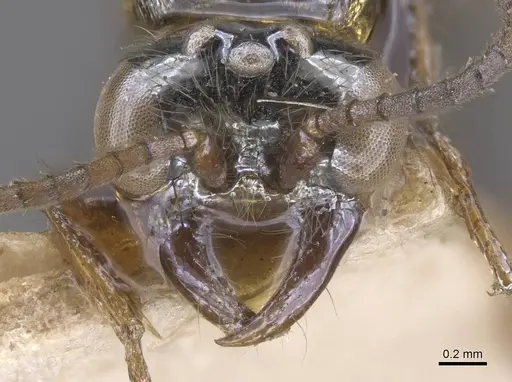
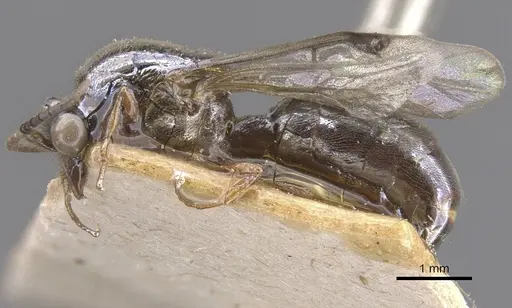
CASENT0901481
AntWeb'de Görüntüle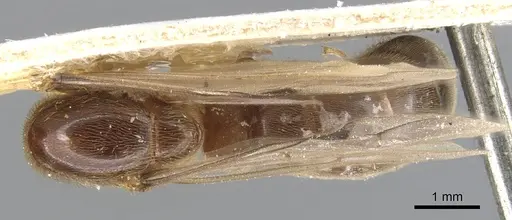
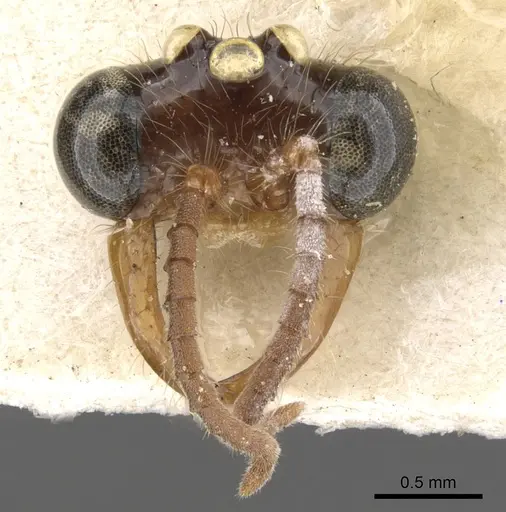
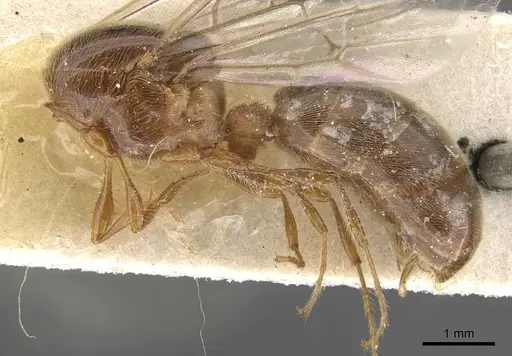
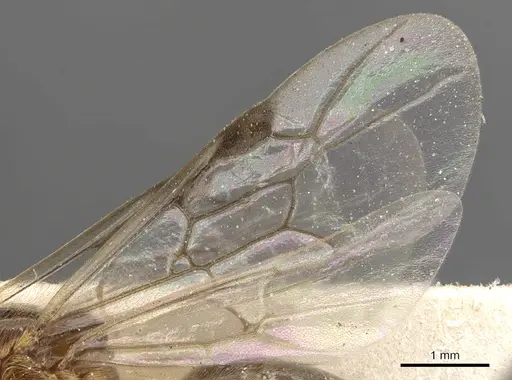
CASENT0903757
AntWeb'de Görüntüle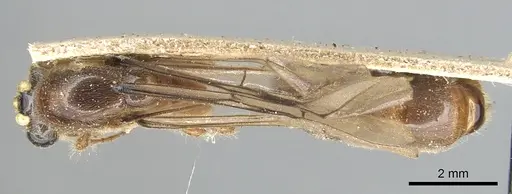
CASENT0911436
AntWeb'de Görüntüle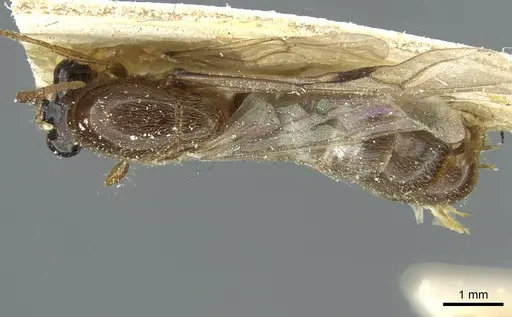
FOCOL1140
AntWeb'de Görüntüle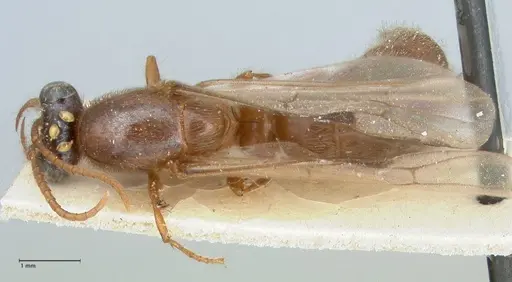
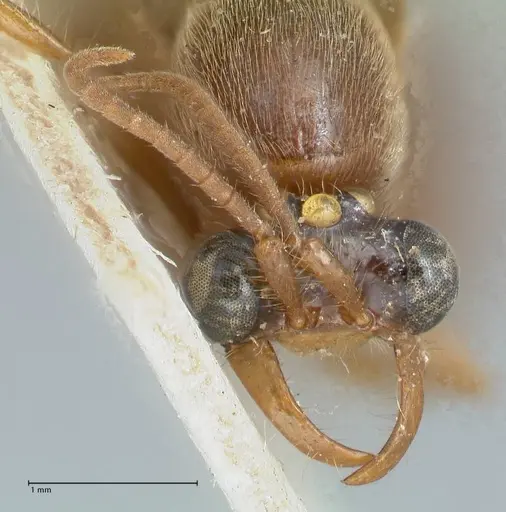
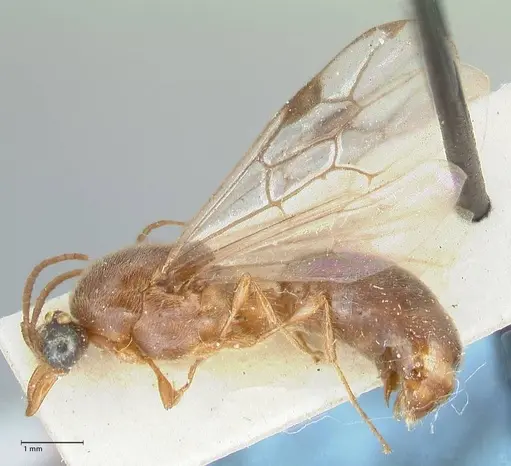
RMCAENT000017716
AntWeb'de Görüntüle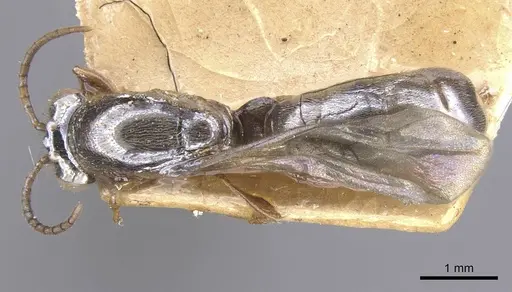
Literatür
Dağılım haritası yükleniyor...Ürünler yükleniyor...