
Aenictus humeralis
- Bilimsel Adı
- Aenictus humeralis
- Alt Familya
- Dorylinae
- Yazar (Tanımlayan)
- Santschi, 1910
- Dağılım
- 0 ülkede bulundu
Giriş
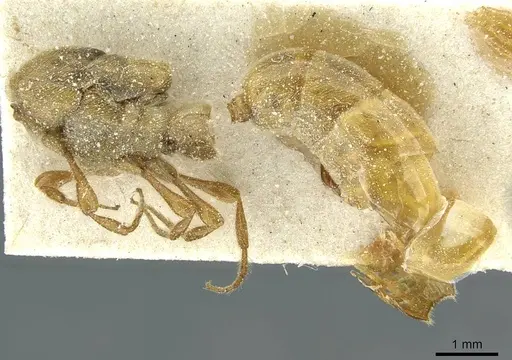
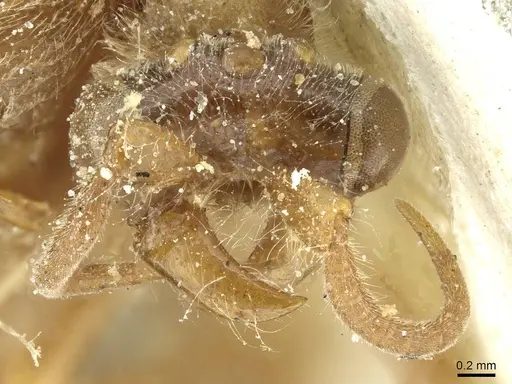
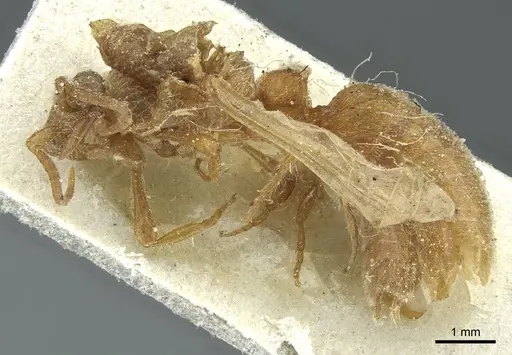
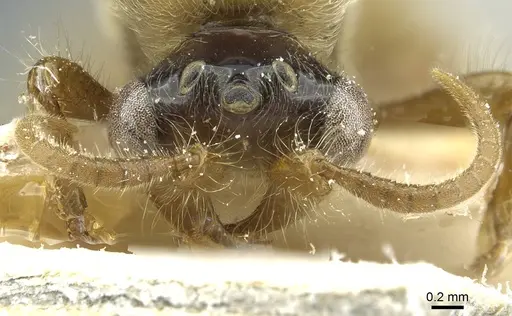
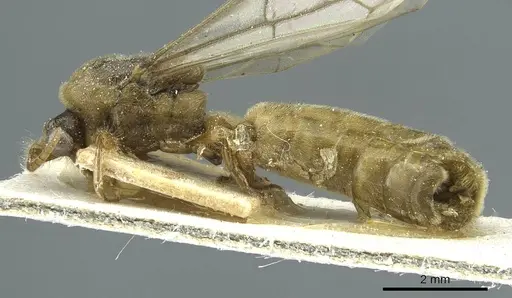
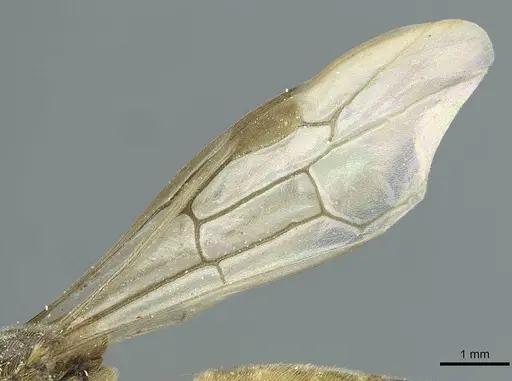
Aenictus humeralis is an Afrotropical army ant known only from male specimens collected in Mali and Senegal . Males measure approximately 8mm in total length and show distinctive coloration: the thorax is dirty grayish-yellow with dark brown heads and black eyes, while the mandibles, antennae, and legs appear reddish-yellow . As a member of the subfamily Dorylinae, the army ants, they belong to a group characterized by nomadic behavior and specialized predatory lifestyles, though workers and queens remain undescribed in available literature. Santschi first described this species in 1910 from specimens collected in Bamako, Mali, and later recognized two subspecies: Aenictus humeralis chevalieri and Aenictus humeralis viridans . The complete absence of colony-level data means their biology, including nesting habits, colony size, and dietary needs, remains unknown.
Quick Summary
- Difficulty: Expert
- Origin & Habitat: Afrotropical region, recorded from Mali (Bamako), Senegal, and Sudan [1][2]. Specific habitat preferences are unknown, though the type locality is in the Middle Niger region.
- Colony Type: Unknown. Army ants (Dorylinae) typically exhibit complex social structures with multiple reproductive queens and reproduce by colony fission rather than single-queen founding, but specific colony structure for this species is unconfirmed.
- Size & Growth:
- Queen: Unknown, no queen specimens have been described in scientific literature.
- Worker: Unknown, no worker specimens have been described. Related Aenictus species workers are typically small, but this is unconfirmed for this specific species.
- Colony: Unknown. No colonies have been documented in scientific literature.
- Growth: Unknown
- Development: Unknown. No developmental data exists for this species. (Army ant reproduction typically occurs through colony fission rather than single-queen founding.)
- Antkeeping:
- Temperature: Unknown. Temperature requirements are unconfirmed for this species.
- Humidity: Unknown. Humidity requirements are unconfirmed for this species.
- Diapause: Unknown. Diapause requirements are unconfirmed for this species.
- Nesting: Unknown. Army ants are nomadic and form temporary bivouacs rather than permanent nests, but specific nesting behavior for this species is unconfirmed.
- Behavior: Unknown. Specific temperament data is lacking for this species. Army ants are typically group predators, but behavior cannot be confirmed without worker observations.
- Common Issues: no worker or queen specimens have been described, making identification and care impossible., army ant biology requires massive foraging spaces and constant supplies of prey that standard ant keeping setups cannot provide., lack of any colony-level data means captive keeping is not currently possible., nomadic behavior means they do not stay in one nest location, requiring specialized enclosures.
Taxonomy and Known Specimens
Aenictus humeralis was described by Santschi in 1910 based solely on male specimens collected by A. Chevalier in 1900 from Bamako in the Middle Niger region of Mali [2]. The type material consists of syntype males, with one specimen now housed in Basel lacking its head and genital apparatus [3]. Males measure approximately 8mm and display intermediate characteristics between related species, with distinctive dirty grayish-yellow thoraxes contrasting with dark brown heads [2]. Two subspecies were later recognized: Aenictus humeralis chevalieri (entirely reddish-yellow) and Aenictus humeralis viridans [1]. No worker or female reproductive specimens have been described in the available scientific literature, leaving the species' social structure and colony appearance completely unknown.
Why This Species Is Not Suitable for Captivity
You should not attempt to keep Aenictus humeralis. First, the species is known only from male specimens, meaning no one knows what the workers look like, how large the colonies grow, or what they eat [2]. Second, as an army ant (subfamily Dorylinae), they likely exhibit nomadic behavior, constantly moving their entire colony rather than staying in one nest. Army ants form temporary living structures called bivouacs using their own bodies, not soil or wood cavities. Third, army ants require enormous foraging territories and massive amounts of prey that cannot be provided in standard ant farms or formicariums. Without basic biological data and given their specialized army ant lifestyle, captive keeping is not possible with current knowledge.
Distribution and Climate
Records place this species in the Afrotropical region, specifically Mali (Bamako), Senegal, and Sudan [1]. The type locality in Mali sits in the Middle Niger region with a tropical climate. Specific microhabitat data is absent from scientific literature.
Frequently Asked Questions
Can I keep Aenictus humeralis in a test tube or formicarium?
No. This species is not recommended for captivity. They are known only from male specimens, so basic care requirements like diet, temperature, and nesting behavior are completely unknown. Additionally, as army ants, they likely require massive spaces and constant food supplies that standard ant keeping setups cannot provide.
How long until Aenictus humeralis gets its first workers?
This question does not apply to this species. Army ants reproduce by colony fission, splitting existing colonies, rather than single queens founding new nests and raising first workers. However, specific reproduction behavior for this species is unconfirmed.
What do Aenictus humeralis eat?
Their diet is unknown. No dietary observations have been documented for this species.
How big do Aenictus humeralis colonies get?
Colony size is unknown. No colonies have been described in the scientific literature, only individual male specimens have been collected.
Do Aenictus humeralis ants sting or bite?
Specific defense behaviors for this species are undocumented. Handle any Dorylinae with caution.
What temperature do Aenictus humeralis need?
Temperature requirements are unknown. No research has documented temperature preferences for this species.
Do Aenictus humeralis need hibernation?
Diapause requirements are unknown. No research has documented whether this species undergoes winter dormancy.
Can I keep multiple Aenictus humeralis queens together?
This is unknown. No research has documented queen number or social structure for this species.
Report an Issue
The current care sheet is based fully on literature. See inconsistencies, or something that's incorrect? Please , it will be resolved after review from an admin. Contributing to the blogs tab also helps providing information, to make us be able to further improve the caresheets. Thank you for your support!
References

Bu bakım rehberi şu lisans altındadır: CC BY-SA 4.0 .
Topluluk Blogları
CASENT0911428
AntWeb'de Görüntüle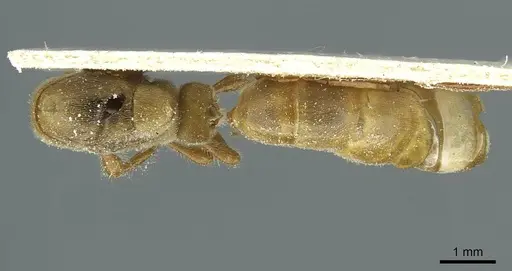
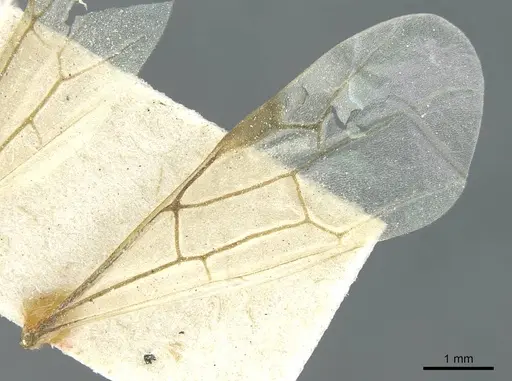
CASENT0911429
AntWeb'de Görüntüle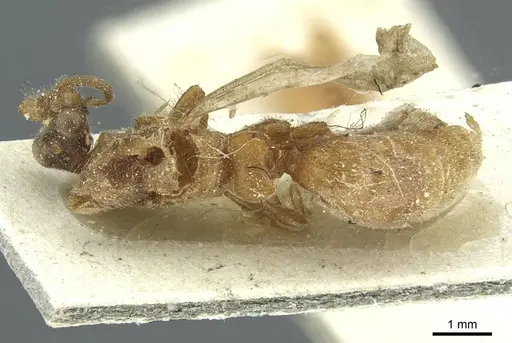
CASENT0911430
AntWeb'de Görüntüle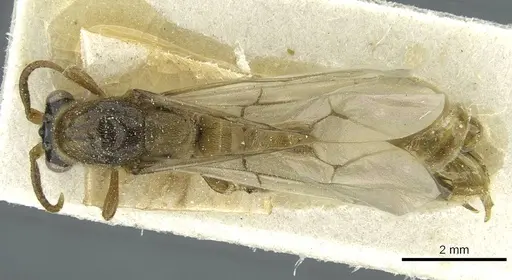
Literatür
Dağılım haritası yükleniyor...Ürünler yükleniyor...