
Aenictus foreli
- Bilimsel Adı
- Aenictus foreli
- Alt Familya
- Dorylinae
- Yazar (Tanımlayan)
- Santschi, 1919
- Dağılım
- 0 ülkede bulundu
Giriş
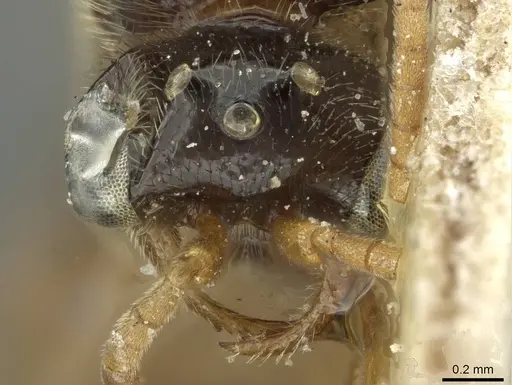
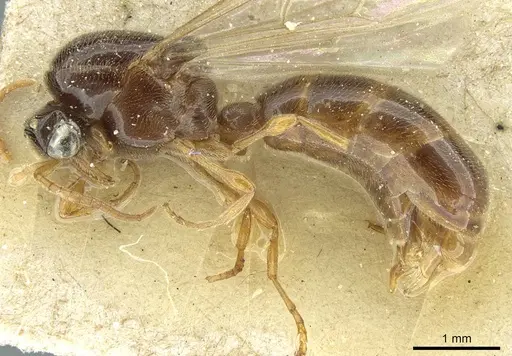
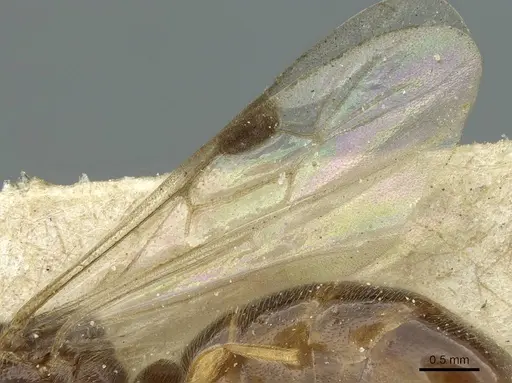
Aenictus foreli is an army ant species known only from the Ivory Coast in West Africa. Scientists have only ever documented the male of this species, described in 1919 from a specimen collected in Dimbroko . No one has ever found or described the workers, queens, or any colony behavior for this species. As a member of the Dorylinae subfamily - the Old World army ants - they likely share the characteristic nomadic lifestyle of their relatives, forming temporary bivouacs rather than permanent nests. However, without any worker or colony observations, this remains speculative. The complete absence of documented captive care makes this species unsuitable for ant keeping.
Quick Summary
- Difficulty: Expert, This species has no documented captive care and workers have never been described
- Origin & Habitat: Ivory Coast (Côte d'Ivoire), Afrotropical region. Known only from the type locality Dimbroko [1][2].
- Colony Type: Unknown, no colony observations exist for this species
- Size & Growth:
- Queen: Size data unavailable, queens have never been described
- Worker: Size data unavailable, workers have never been described
- Colony: Unknown, inferred from genus patterns to be large (thousands of workers), but unconfirmed
- Growth: Unknown
- Development: Unknown, no development data exists for this species (No development data exists for this species.)
- Antkeeping:
- Temperature: Unknown, likely warm tropical conditions based on origin, but unconfirmed
- Humidity: Unknown, likely humid forest conditions based on origin, but unconfirmed
- Diapause: No, tropical species from consistent warm climate
- Nesting: Cannot be housed in standard formicaria, army ants form nomadic bivouacs rather than permanent nests
- Behavior: Likely nomadic army ant behavior based on genus patterns, constantly moving, highly predatory, forming temporary bivouacs. Extremely high escape risk due to small size and likely large colony numbers. They likely raid other ant colonies for brood.
- Common Issues: no documented captive care exists for this species, you would be working entirely from guesswork, workers have never been described, you cannot identify what you are keeping, cannot be housed in standard formicaria, they need open arenas for bivouacking and constant movement, require constant supply of appropriate prey which is difficult to maintain, massive space requirements for colony movements and foraging, extremely high escape risk, small workers penetrate standard barriers easily
Why This Species Cannot Be Kept
Aenictus foreli is an army ant, and army ants do not live like typical garden ants. They have no permanent nest. Instead, they form a bivouac, a living structure made from the bodies of workers that holds the queen and brood. The entire colony moves constantly, staying in one place only long enough to raid local prey sources before moving on.
This means test tubes, plaster nests, and acrylic formicaria are completely unsuitable. The ants need a massive open arena with substrate to allow for bivouac formation and colony movement. They also require enormous quantities of food, likely other ant brood and social insects, that maintaining a colony is beyond the resources of most keepers.
Additionally, we do not even know what the workers look like for this species. Only the male has been described [1]. Attempting to keep a colony when you cannot identify the workers is extremely risky.
What We Actually Know About Aenictus foreli
Almost nothing. The species was described in 1919 from a single male specimen collected in Dimbroko, Ivory Coast [1]. No queens, no workers, no colony observations have ever been published.
We can infer they live in tropical forests based on the location, and as Aenictus they are likely ground-dwelling army ants. But their specific prey preferences, colony size, queen morphology, and reproductive behavior remain complete mysteries. For antkeepers, this means there is no established care protocol, you would be working entirely from guesswork based on related species.
Army Ant Biology and Behavior
While specific data for Aenictus foreli is absent, general Aenictus patterns can be described. These ants are specialized predators that hunt other ants, particularly the brood. They conduct raids with large numbers of workers overwhelming target colonies.
Colony structure is unknown for this species, but many Aenictus species have single queens with colony sizes reaching thousands of workers. Workers are typically small and possess powerful stings for subduing prey.
The nomadic phase alternates with a stationary phase when the queen lays eggs. During the nomadic phase, the entire colony moves nightly, carrying the brood with them. This constant activity requires space and security that standard ant keeping equipment cannot provide. [2]
Feeding Requirements
Aenictus species are obligate predators of other social insects, particularly ant brood. They do not accept sugar water, seeds, or typical feeder insects like mealworms. They need living ant colonies to raid.
For Aenictus foreli specifically, the diet is unknown, but you should expect to provide live ant brood, likely from suitable prey species found in their native range. This makes feeding logistically difficult and ethically problematic. You would essentially need to maintain multiple colonies of prey species just to feed one predator colony.
Do not attempt to found a colony with honey or sugar water. If queens are claustral (sealed in), they would need their own body reserves, but if semi-claustral, they would need appropriate prey immediately. Since founding behavior is completely unknown for this species, you cannot predict which approach is needed.
Frequently Asked Questions
Can I keep Aenictus foreli in a test tube?
No. Army ants like Aenictus foreli cannot survive in test tubes. They need massive open spaces to form bivouacs and move constantly. Test tubes would trap them and prevent the natural colony movements required for their survival.
How long until first workers for Aenictus foreli?
Unknown. No one has documented the development timeline for this species. There is no data to base any estimate on.
What do Aenictus foreli eat?
Unknown for this species specifically, but likely other ant brood and social insects based on typical Aenictus behavior. They are specialized predators and probably do not accept sugar water or standard feeder insects.
Do Aenictus foreli need hibernation?
No. They come from tropical Ivory Coast where temperatures remain warm year-round. They do not require diapause or winter rest.
Are Aenictus foreli good for beginners?
Absolutely not. They are expert-level ants requiring specialized facilities, constant access to appropriate prey (likely other ants), and massive space. Additionally, no one knows what the workers look like, making identification impossible.
How big do Aenictus foreli colonies get?
Unknown. No colony size data exists for this species. Based on typical Aenictus genus patterns, colonies may reach thousands of workers, but this is unconfirmed.
Can I keep multiple Aenictus foreli queens together?
Unknown. No colony structure data exists for this species. Combining unrelated queens has not been documented and would likely result in fighting even if the species tolerates multiple queens.
Where do Aenictus foreli nest?
They do not build permanent nests. Like other army ants, they form temporary bivouacs, clusters of workers that hang from substrates and enclose the queen and brood. They move these bivouacs frequently.
Report an Issue
The current care sheet is based fully on literature. See inconsistencies, or something that's incorrect? Please , it will be resolved after review from an admin. Contributing to the blogs tab also helps providing information, to make us be able to further improve the caresheets. Thank you for your support!
References

Bu bakım rehberi şu lisans altındadır: CC BY-SA 4.0 .
Topluluk Blogları
CASENT0911424
AntWeb'de Görüntüle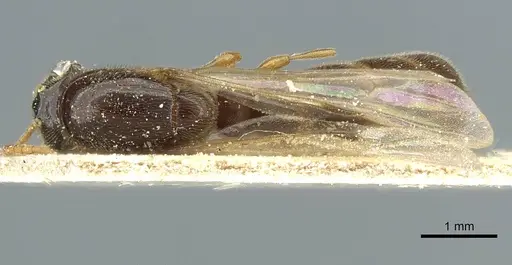
Literatür
Dağılım haritası yükleniyor...Ürünler yükleniyor...