
Aenictogiton elongatus
- Bilimsel Adı
- Aenictogiton elongatus
- Alt Familya
- Dorylinae
- Yazar (Tanımlayan)
- Santschi, 1919
- Dağılım
- 0 ülkede bulundu
Giriş
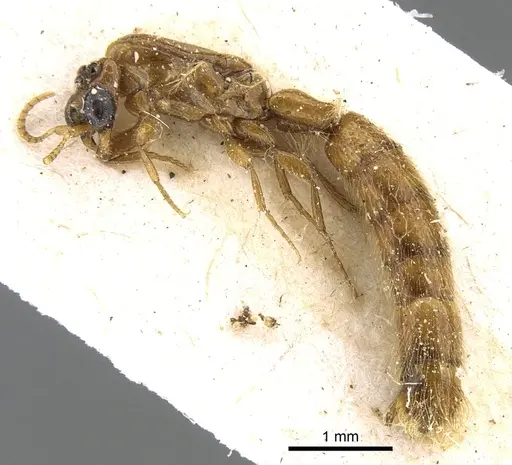
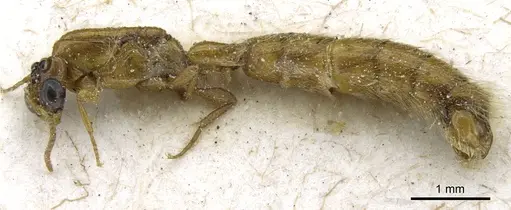
Aenictogiton elongatus is one of the most mysterious ants in the world. Only male specimens have ever been collected - the queens, workers, and complete colonies remain completely unknown to science. This species belongs to the Dorylinae subfamily, which includes army ants, and morphological features suggest they may have an army-ant-like lifestyle, though this remains unconfirmed. Males were collected from light traps in forested areas of the Democratic Republic of Congo, specifically from Malela in December 1913 and January 1914 . No foraging workers or any trace of a colony has ever been found, leading researchers to speculate they may be subterranean or otherwise strongly hidden (cryptobiotic). This species is endemic to the Democratic Republic of Congo, specifically recorded in Kongo Central province .
Quick Summary
- Difficulty: Expert
- Origin & Habitat: Democratic Republic of Congo, Africa. Males have been collected from light traps near forest localities, suggesting they prefer forested habitats. Endemic to Kongo Central province [2].
- Colony Type: Unknown, only males have ever been documented. The complete colony structure (queen, workers) remains completely unknown to science.
- Size & Growth:
- Queen: Unknown, no queens have ever been collected or described [3]
- Worker: Unknown, no workers have ever been collected or described [3]
- Colony: Unknown, no colony has ever been found [3]
- Growth: Unknown
- Development: Unknown, no brood has ever been documented (The entire life cycle from egg to adult worker is completely unknown because the species has never been observed beyond the male stage)
- Antkeeping:
- Temperature: Unknown, no living specimens have ever been studied [3]
- Humidity: Unknown, no colony has ever been found to determine preferred conditions [3]
- Diapause: Unknown, no data on seasonal behavior exists [3]
- Nesting: Unknown, no nest has ever been discovered. Researchers speculate they may be subterranean based on the complete absence of foraging workers [3]
- Behavior: Completely unknown. Males were collected at light traps, which is typical for winged reproductive ants. No behavioral observations of workers exist because workers have never been found [3]. Escape risk cannot be assessed as no workers have ever been observed.
- Common Issues: This species cannot be kept, no one has ever documented a complete colony with queens and workers, No keeper has ever successfully established a colony because the founding stage is completely unknown, The queen is unknown to science, so claustral vs semi-claustral founding cannot be determined, No one knows what these ants eat, feeding requirements are entirely speculative, Wild-caught colonies do not exist and cannot be obtained since no colony has ever been found
Why This Species Cannot Be Kept
Aenictogiton elongatus is one of the most enigmatic ants in the world, and it is NOT a species you can keep in captivity. The reason is simple: no one has ever documented a complete colony. Scientists have only ever collected male specimens, the winged reproductive males that fly to find mates. The queens, workers, eggs, larvae, and pupae have never been seen by human eyes. This makes it impossible to establish a colony in captivity because we do not know what the queen looks like, what the workers look like, or how they form colonies. Every other ant species in the hobby has at least some documented biology, even the most obscure species have workers and basic colony structure. This species has zero documented biology beyond the male morphology. There are no care guides, no established protocols, and no source for obtaining a colony because no one has ever found one [3].
What We Know About Males
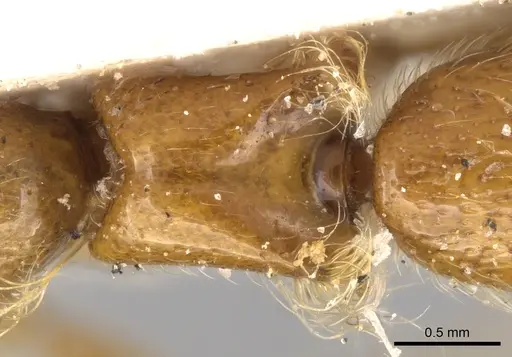
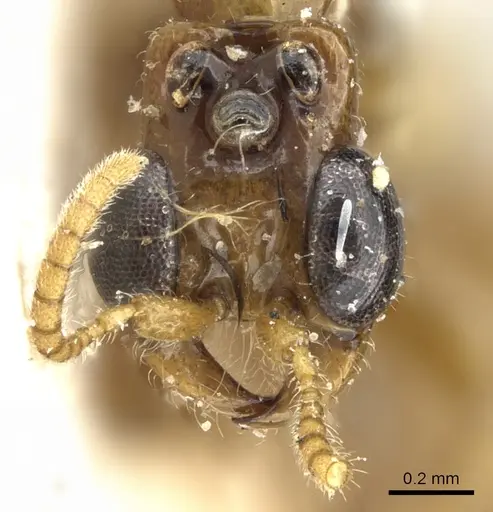
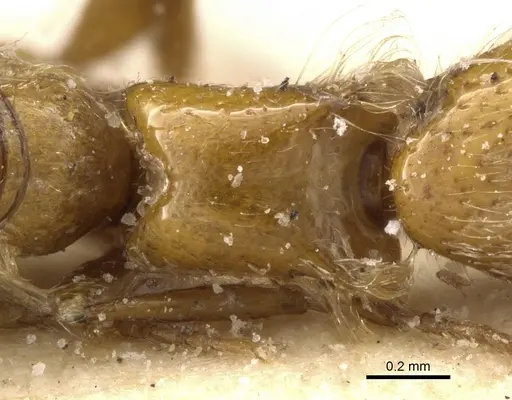
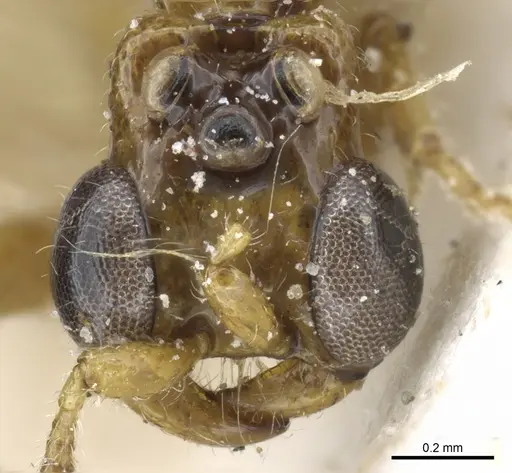
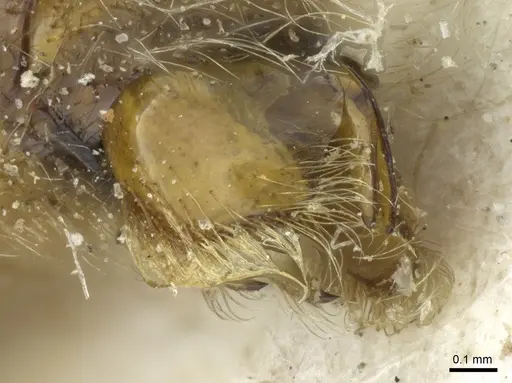
The males of Aenictogiton elongatus are the only known specimens of this species. Two syntype males were collected in December 1913 and January 1914 from Malela in the Democratic Republic of Congo by collector L. Burgeon [1]. These males were captured using light traps, which is a standard method for collecting flying reproductive ants at night. The use of light traps suggests the males were actively flying, which is typical for nuptial flight behavior in ants. However, we have no information about when their nuptial flights occur, what triggers them, or where the colonies are located [3].
Taxonomic Position and Relatives
Aenictogiton belongs to the subfamily Dorylinae, which includes some of the most well-known ants including the army ants (genus Dorylus). This taxonomic placement suggests that Aenictogiton may share some biological traits with army ants, such as a nomadic lifestyle, colony structure, or raiding behavior. However, this is purely speculative based on genetics and morphology, no behavioral or biological data exists to confirm any similarities. The genus Aenictogiton contains several species, all of which share the same mystery, only males are known for any species in this genus. This pattern is extremely rare in ants and suggests the entire genus may have highly unusual biology, possibly living entirely underground or in some other hidden habitat where workers never come to the surface [3].
Speculative Biology
Scientists have speculated about what might explain the complete absence of workers and queens in the fossil record and in extensive ant surveys. The leading hypothesis is that Aenictogiton may be subterranean, living underground in nests that never produce workers that forage on the surface. This would be similar to some other Dorylinae that are entirely underground. Another possibility is that they are cryptobiotic, living hidden in leaf litter, rotting wood, or other concealed microhabitats where they never expose themselves to human observation. A third hypothesis is that they may be temporary social parasites that infiltrate colonies of other ant species, similar to how some army ant species operate. None of these hypotheses have been confirmed, and without ever finding a queen or worker, it may be decades before we understand this genus [3].
Frequently Asked Questions
Can I keep Aenictogiton elongatus as a pet?
No. This species cannot be kept because no one has ever documented a complete colony. Only male specimens have ever been collected, queens and workers are completely unknown to science. There is no way to obtain a colony, and even if you could, no one knows how to care for them.
Where can I get Aenictogiton elongatus?
You cannot obtain this species. No colony has ever been found, so there is no source for purchasing or collecting them. Even scientific collections only have the original male specimens collected in 1913-1914.
What do Aenictogiton elongatus eat?
Unknown. No worker has ever been observed, so we have no information about their diet. Related army ants (Dorylus) are predatory and raid other insect colonies, but we cannot assume Aenictogiton has the same diet.
What is the colony size of Aenictogiton elongatus?
Unknown. No colony has ever been found, so we have no data on colony size. Even the most basic information about worker numbers is completely absent.
Do Aenictogiton elongatus queens exist?
Unknown. No queen has ever been collected or documented. It is possible they exist but have never been found, or they may be so different from typical ant queens that they have not been recognized.
What temperature do Aenictogiton elongatus need?
Unknown. No living specimens have ever been studied, so we have no temperature requirements. They live in the Democratic Republic of Congo, which has a tropical climate, but this is speculative.
How long does development take from egg to worker?
Unknown. No egg, larva, or pupa has ever been documented. The entire developmental timeline is completely unknown.
Are Aenictogiton elongatus dangerous?
Unknown. No worker has ever been observed, so we have no information about their sting or bite capability. Related army ants have painful stings, but we cannot assume the same for this genus.
Why has no one ever found workers of this species?
Scientists speculate they may be subterranean (living underground), cryptobiotic (hidden in concealed habitats), or have some other lifestyle that keeps them away from human observation. Extensive ant surveys in their range have failed to find any workers.
What ants are similar to Aenictogiton elongatus that I can keep?
If you are interested in army-ant-like behavior, consider keeping Dorylus species (army ants) or other Dorylinae. These have documented biology and established care protocols. Aenictogiton is not a viable alternative due to the complete absence of any documented colony.
Report an Issue
The current care sheet is based fully on literature. See inconsistencies, or something that's incorrect? Please , it will be resolved after review from an admin. Contributing to the blogs tab also helps providing information, to make us be able to further improve the caresheets. Thank you for your support!
References

Bu bakım rehberi şu lisans altındadır: CC BY-SA 4.0 .
Topluluk Blogları
CASENT0281201
AntWeb'de Görüntüle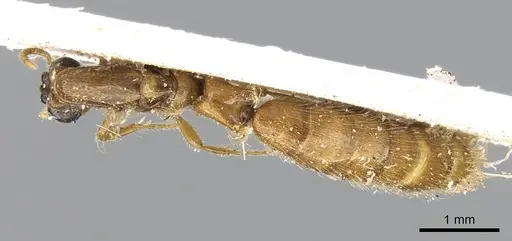
CASENT0903959
AntWeb'de Görüntüle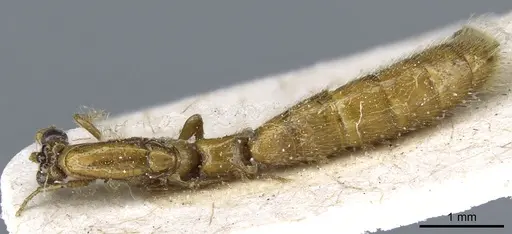
Literatür
Dağılım haritası yükleniyor...Ürünler yükleniyor...