
Acanthostichus truncatus
- Bilimsel Adı
- Acanthostichus truncatus
- Alt Familya
- Dorylinae
- Yazar (Tanımlayan)
- MacKay, 1996
- Dağılım
- 0 ülkede bulundu
Giriş
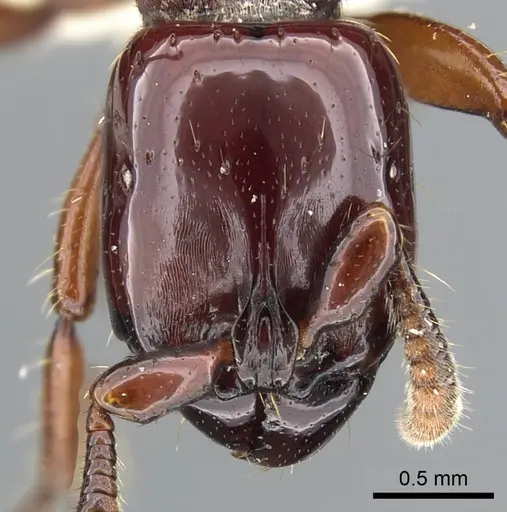
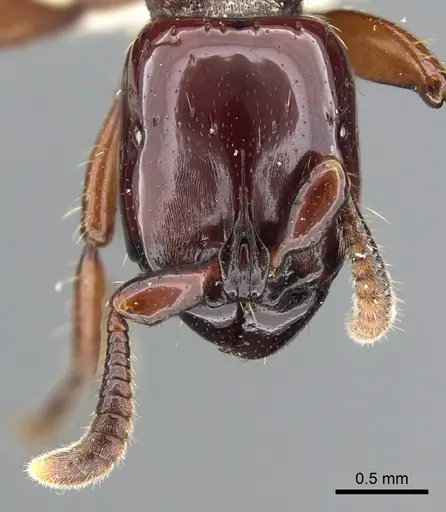
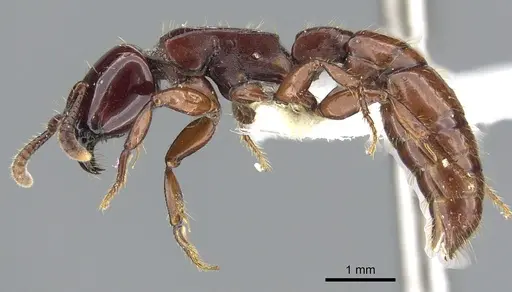
Acanthostichus truncatus is a reddish-brown ant from the Dorylinae subfamily (army ant relatives) found only in Colombia . Workers are known only from the type series collected in 1977 - no queens or males have ever been documented . The species is distinguished by its truncated subpetiolar process and toothless mandibles . The type series was collected raiding an arboreal termite nest in Mocoa, Colombia, confirming these ants are specialized termite predators .
Quick Summary
- Difficulty: Expert
- Origin & Habitat: Colombia (Putumayo and Meta departments) in Neotropical forests [1][2]. The type specimen was collected from an arboreal termite nest in Guzmán, Mocoa [4].
- Colony Type: Unknown, only worker caste has been observed [3].
- Size & Growth:
- Queen: Unknown, queens have never been collected [3].
- Worker: Size data unavailable, the context provides head measurements (1.23-1.54 mm head length) but no total body length [3].
- Colony: Unknown.
- Growth: Unknown.
- Development: Unknown, founding behavior has never been observed. (No reproductive caste has been documented for this species.)
- Antkeeping:
- Temperature: Likely tropical requirements around 24-28°C based on Colombian lowland origin, but unconfirmed.
- Humidity: Likely high humidity based on tropical forest habitat, but specific requirements unconfirmed.
- Diapause: Probably not required for this tropical species, but unconfirmed.
- Nesting: Unknown, wild colonies inhabit arboreal termite nests [4].
- Behavior: Specialized termite predator observed raiding arboreal termite nests [4]. Workers have toothless mandibles, an adaptation for handling soft-bodied termite prey [2]. Behavior in captivity is unconfirmed.
- Common Issues: no queens have ever been observed, making standard colony founding impossible., likely requires live termites as primary food source based on field observations., arboreal nesting habits may require specialized vertical enclosure setups., extremely limited data on captive care requirements.
Taxonomy and Identification
Acanthostichus truncatus belongs to the Dorylinae subfamily, which includes army ants and their relatives [3]. The species was described by Mackay in 1996 based on workers collected in Colombia [3]. Only the worker caste is known, no queens or males have ever been found [3]. This is common in some Dorylinae genera where reproductive castes remain cryptic or uncollected. Workers have distinctive smooth, reddish-brown bodies with truncated subpetiolar processes and toothless mandibles [2].
Diet and Feeding
Field observations confirm Acanthostichus truncatus is a specialized termite predator. The type series was collected while raiding an arboreal termite nest in Mocoa, Colombia [4]. Their mandibles lack teeth, which represents an adaptation for handling soft-bodied termite prey [2]. In captivity, they would require live termites as their primary food source, making them extremely difficult to maintain.
Captive Keeping Challenges
This species is not recommended for captive keeping. No queens have ever been documented, meaning you cannot establish a founding colony [3]. Even if workers were collected, they would require a constant supply of live termites and specialized arboreal nesting conditions based on their natural history [4]. Without confirmed founding behavior, temperature requirements, or colony growth patterns, successful captive care is essentially impossible.
Frequently Asked Questions
Can I keep Acanthostichus truncatus in captivity?
No. This species is known only from worker specimens, and no queens have ever been documented [3]. Without a queen, you cannot establish a breeding colony. Additionally, they require specialized termite prey [4].
What do Acanthostichus truncatus eat?
They are specialized termite predators. The only known collection was from a raid on an arboreal termite nest [4]. Their toothless mandibles suggest they are adapted for handling soft-bodied termite prey [2].
How big are Acanthostichus truncatus workers?
Size data is limited. The context provides head measurements (1.23-1.54 mm head length) but no total body length has been documented [3].
Where do Acanthostichus truncatus live?
They are found in Colombia, specifically in the Putumayo and Meta departments [1][2]. The type specimen came from Guzmán, Mocoa in Putumayo [4].
Can I buy Acanthostichus truncatus queens?
No. Queens of this species have never been collected or documented [3]. Any seller claiming to offer them would be misidentifying the species.
Report an Issue
The current care sheet is based fully on literature. See inconsistencies, or something that's incorrect? Please , it will be resolved after review from an admin. Contributing to the blogs tab also helps providing information, to make us be able to further improve the caresheets. Thank you for your support!
References

Bu bakım rehberi şu lisans altındadır: CC BY-SA 4.0 .
Topluluk Blogları
CASENT0903670
AntWeb'de Görüntüle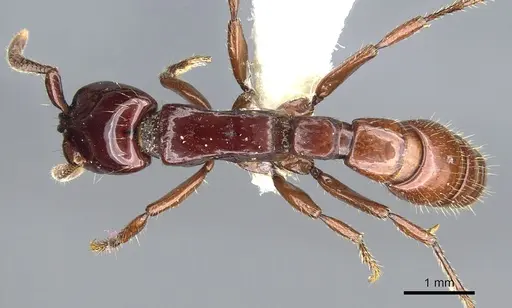
UTEPENTO4473
AntWeb'de Görüntüle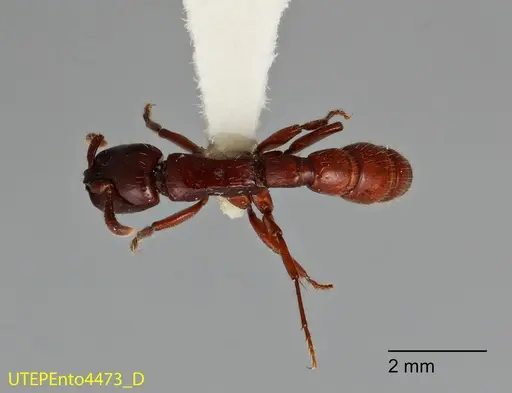
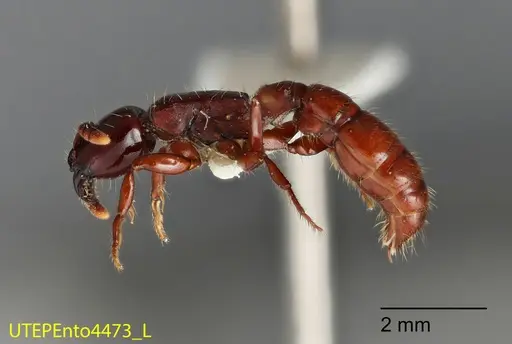
Literatür
Dağılım haritası yükleniyor...Ürünler yükleniyor...