
Zasphinctus imbecilis
- Sci. Name
- Zasphinctus imbecilis
- Subfamily
- Dorylinae
- Author
- Forel, 1907
- Distribution
- Found in 1 countries
Introduction
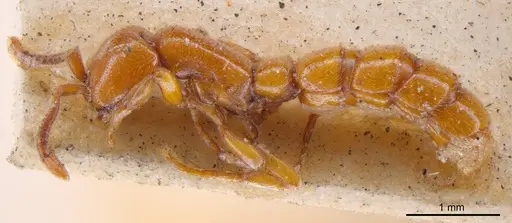
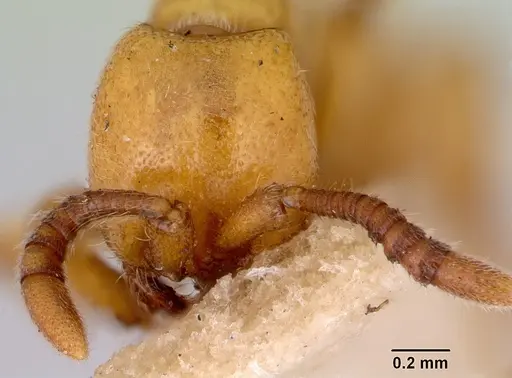
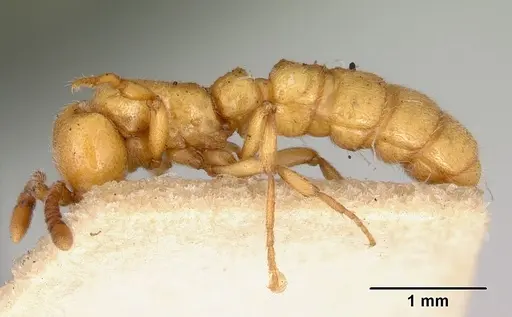
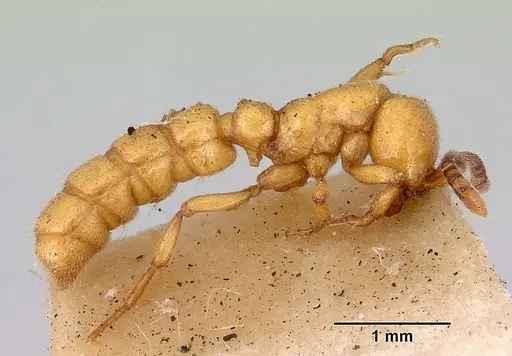
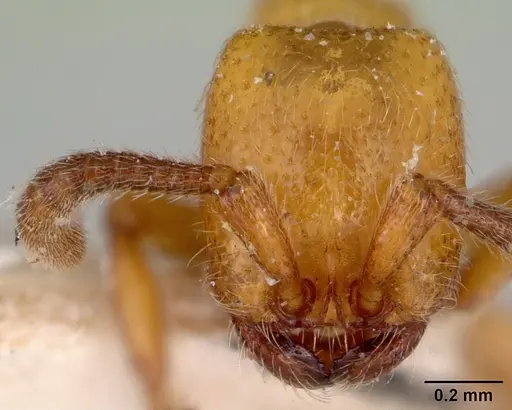
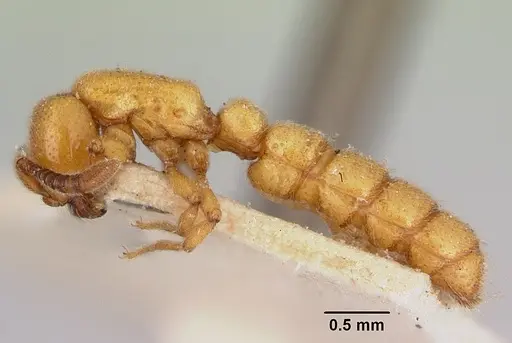
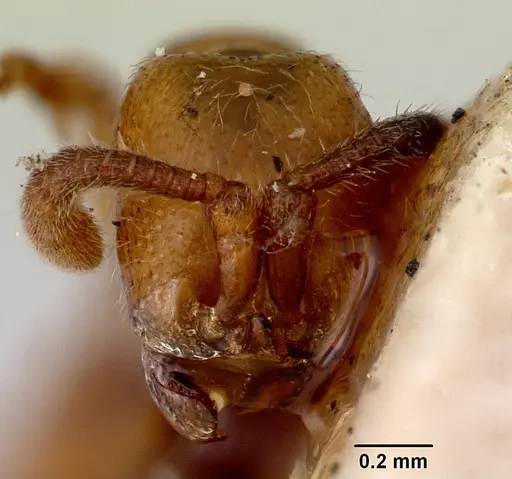
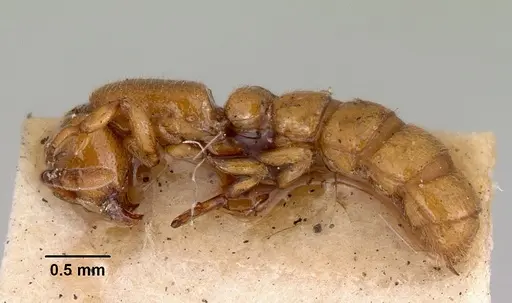
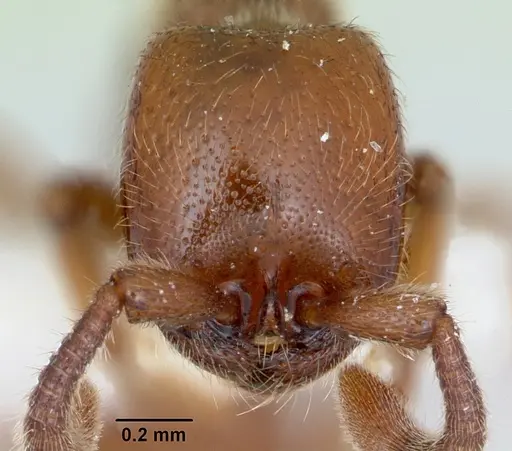
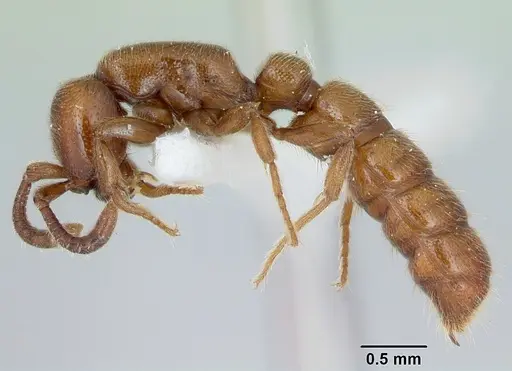
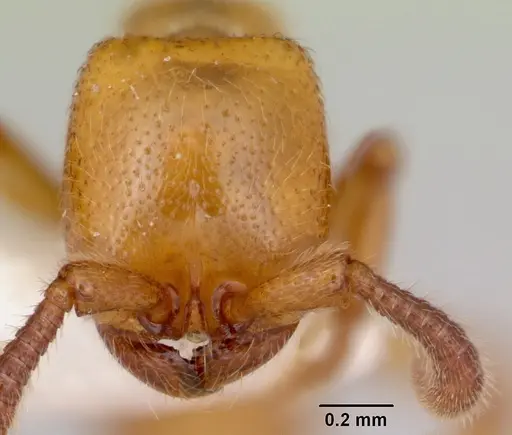
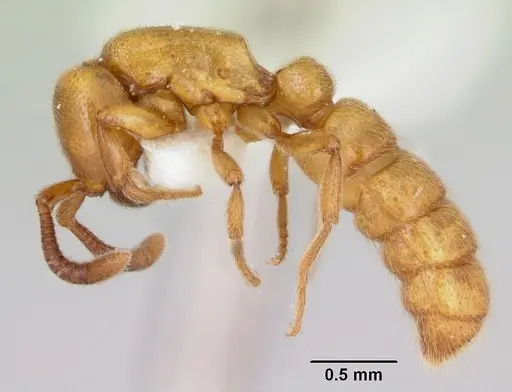
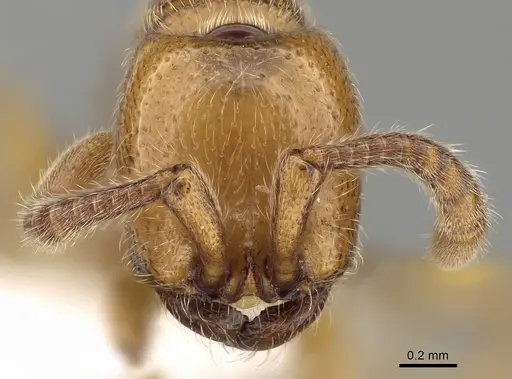
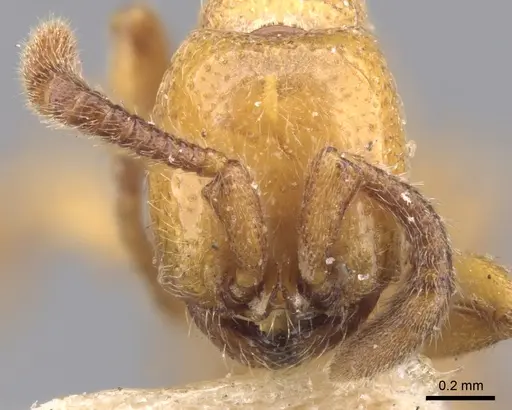
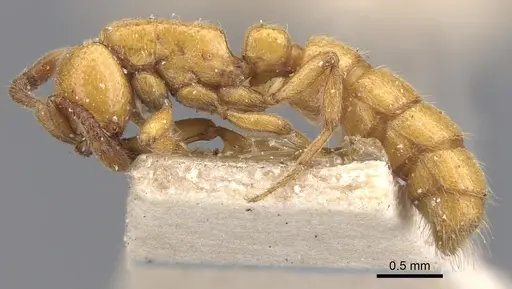
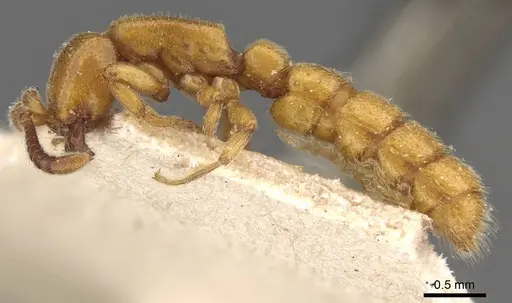
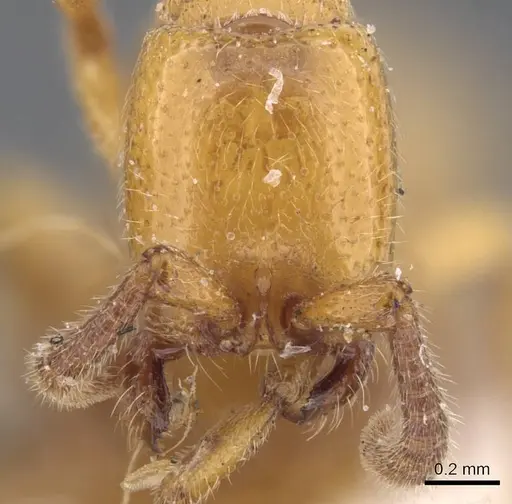
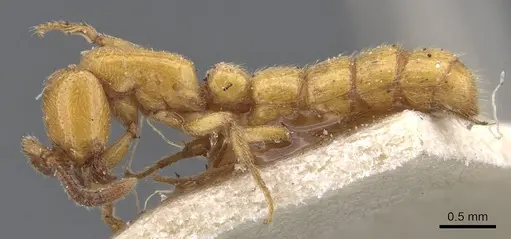
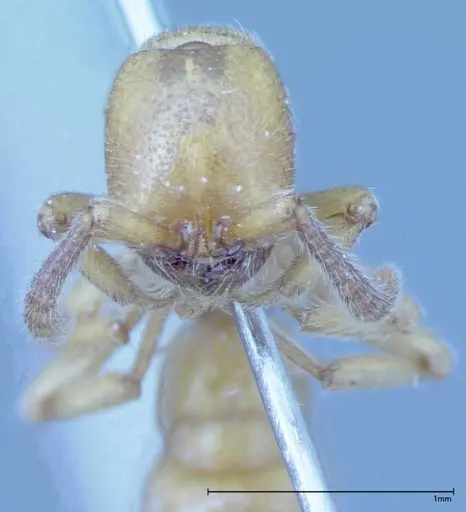
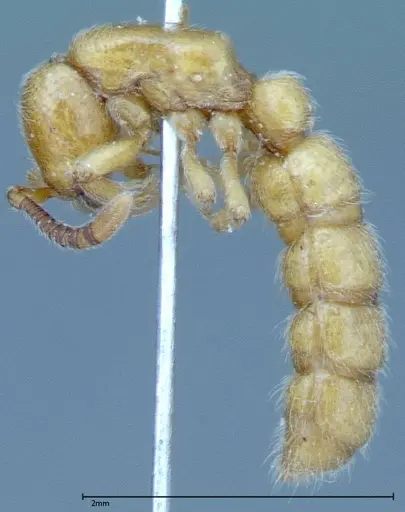
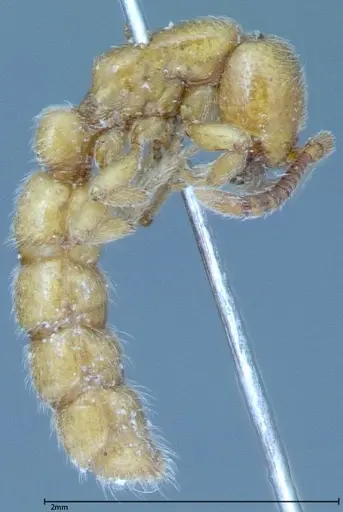
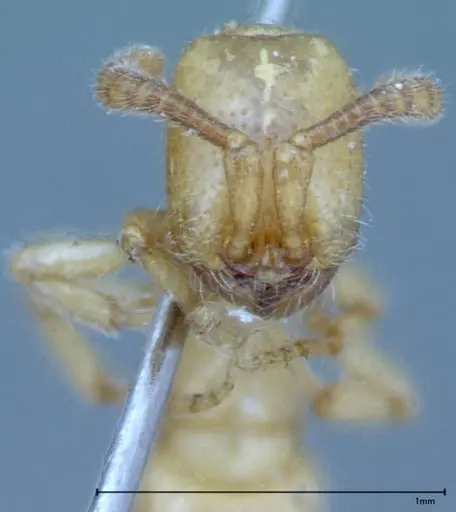
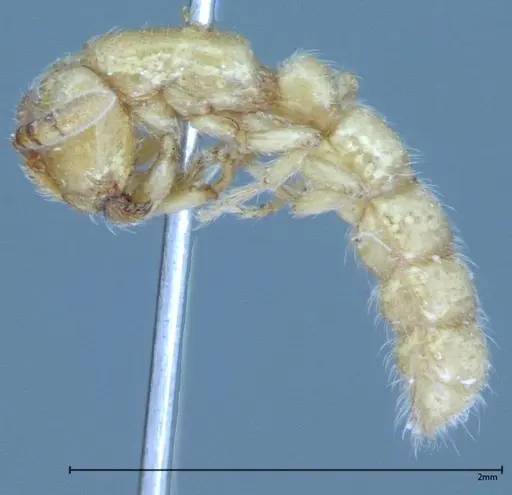
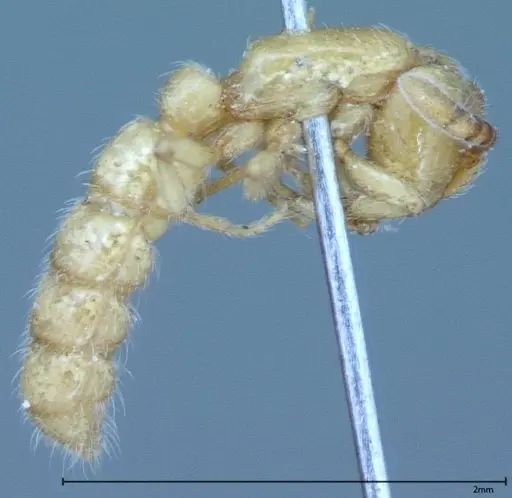
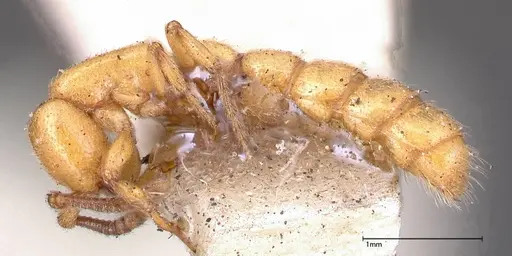
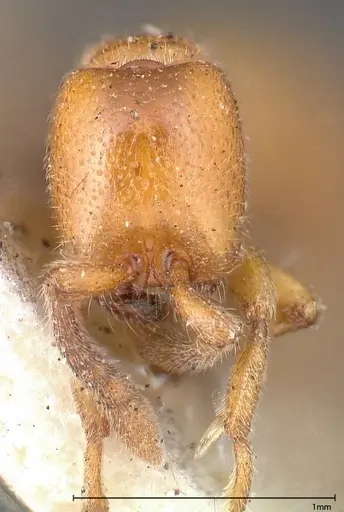
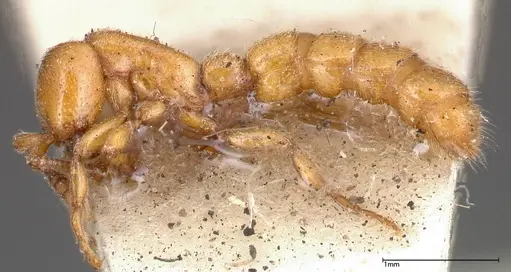
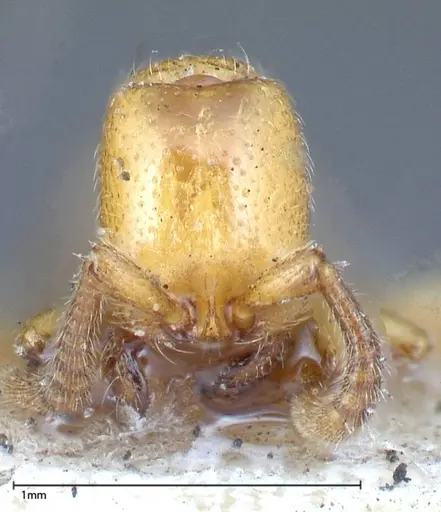
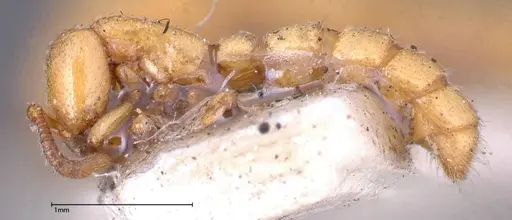
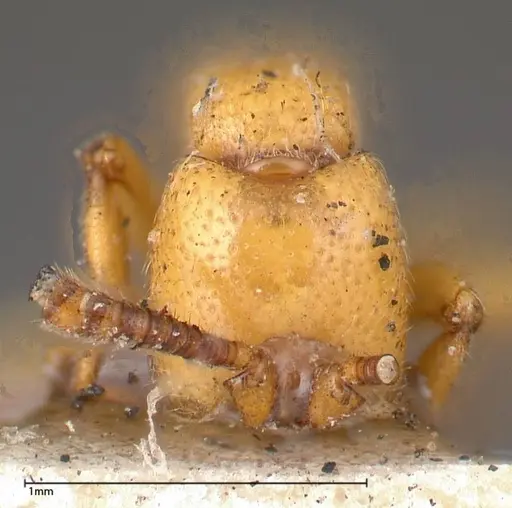
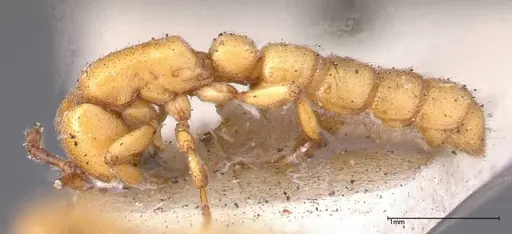
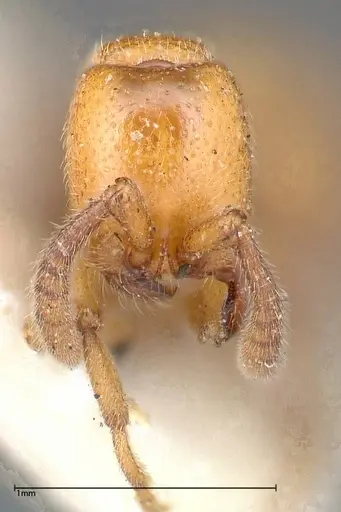
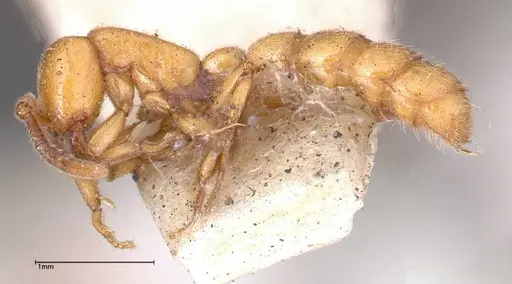
Zasphinctus imbecilis is a predatory ant native to Australia, formerly known as Sphinctomyrmex imbecilis before being moved to the genus Zasphinctus in 2016 . Workers have the typical Dorylinae body shape with a distinct constriction between the mesosoma and gaster. The species has a wide distribution across Australia, especially in Western Australia, where colonies nest under rocks or logs in terrestrial habitats . A notable feature is the presence of ergatoid (wingless) queens, which have been collected in type material .
Quick Summary
- Difficulty: Medium
- Origin & Habitat: Australia, particularly Western Australia. Nests under rocks and logs in terrestrial habitats [2][1].
- Colony Type: Unconfirmed. Ergatoid queens are recorded from type material, suggesting the possibility of replacement reproductives, but the social structure has not been formally studied [1].
- Size & Growth:
- Queen: Size data unavailable, no measurements recorded in available literature.
- Worker: Size data unavailable, no measurements recorded in available literature.
- Colony: Unknown, colony size is not documented.
- Growth: Unknown
- Development: Unknown, no data available. (Development timeline is not documented for this species.)
- Antkeeping:
- Temperature: Unknown, no specific temperature data. Based on Australian climate, room temperature (20-25 °C) is likely suitable, but keep stable.
- Humidity: Unknown, nests under rocks and logs suggest moderate moisture. Provide a humidity gradient with a moist area.
- Diapause: Unknown, as an Australian species from mild climates, diapause is unlikely but not confirmed.
- Nesting: In nature nests under rocks and logs [2][1]. In captivity, use a naturalistic setup with flat stones, soil layer, and dark enclosed spaces.
- Behavior: Predatory Dorylinae. Workers have functional stingers but rarely sting humans. Foraging behavior is not well documented but likely individual rather than swarm raiding. Generally not aggressive toward keepers.
- Common Issues: very little captive care data exists, proceed cautiously and observe colony closely., predatory diet requires live prey, provide small invertebrates 2-3 times per week., ergatoid queens may be mistaken for workers, do not remove workers unless certain the colony is queenless., colony mortality risk is unknown, treat as fragile and avoid disturbance during founding.
Housing and Nest Preferences
In the wild, Zasphinctus imbecilis nests under rocks and logs in the Australian bush [2][1]. For captive colonies, replicate this by providing a naturalistic setup with flat stones, a layer of soil, and dark hiding spots. Y-tong (AAC) nests might work, but since specific preferences are unknown, offer choices and let the ants decide. Avoid tall open spaces, they prefer enclosures that mimic their natural under-rock habitat. A test tube setup is fine for founding colonies, but transition to a larger formicarium once the colony is established.
Feeding and Diet
As a Dorylinae species, Zasphinctus imbecilis is predatory and requires live prey. Offer small invertebrates such as fruit flies, pinhead crickets, and mealworms. Feed them 2-3 times per week and remove uneaten prey after 24 hours to prevent mold. Sugar sources like honey water may be accepted occasionally but should not be the main food. No specific dietary studies exist, so provide variety to ensure balanced nutrition.
Temperature and Seasonal Care
No species-specific temperature data is available. Based on its Australian origin, keep the colony at room temperature (20-25 °C) and avoid prolonged cold below 15 °C. A heat mat on one side can create a gradient if desired. True diapause is unlikely but not confirmed, a slight winter temperature drop (to 18-20 °C) may mimic natural conditions but is not required.
Behavior and Colony Dynamics
Workers are active predators that likely hunt individually. They have functional stingers but are not known to sting keepers aggressively. Ergatoid queens are documented from type material, meaning a colony might have replacement reproductives if the primary queen dies, but this has not been studied in captivity. General behavior is poorly documented, so observe your colony closely and note any unusual patterns. [1]
Frequently Asked Questions
How long does it take for Zasphinctus imbecilis to produce first workers?
Unknown. There is no published data on development time for this species. Typical Dorylinae development suggests 6-10 weeks at warm temperatures, but this is an estimate.
Can I keep Zasphinctus imbecilis in a test tube?
Yes, a test tube setup with a water reservoir works for founding colonies. Keep the tube dark and quiet. Once the colony has a small number of workers (exact number unknown), move them to a larger naturalistic formicarium.
What do Zasphinctus imbecilis eat?
They are predators and need live prey such as fruit flies, tiny crickets, and small mealworms. Sugar sources are occasionally accepted but protein should be the primary diet.
Are Zasphinctus imbecilis good for beginners?
This species is rated Medium difficulty due to lack of captive care data and its predatory diet. Only experienced keepers who can provide live prey should attempt keeping them.
How big do Zasphinctus imbecilis colonies get?
Unknown. No colony size estimates are available in the literature.
Do Zasphinctus imbecilis need hibernation?
Probably not. As an Australian species from a mild climate, true diapause is unlikely, but this has not been confirmed.
Why are my Zasphinctus imbecilis dying?
Common causes include: too dry conditions (provide moisture), insufficient live prey (they need constant protein), prolonged cold (keep above 15 °C), and disturbance during founding. However, specific mortality factors are not documented.
Can I keep multiple queens together?
Not recommended. The social structure is unconfirmed, but most Dorylinae are monogyne. Keep each queen separately to avoid aggression.
When should I move my colony to a formicarium?
Move them when the colony outgrows the test tube, estimated at when you see 20-30 workers (if that number is ever reached). A naturalistic setup with soil and hiding spots is recommended.
Report an Issue
The current care sheet is based fully on literature. See inconsistencies, or something that's incorrect? Please , it will be resolved after review from an admin. Contributing to the blogs tab also helps providing information, to make us be able to further improve the caresheets. Thank you for your support!
References

This caresheet is licensed under CC BY-SA 4.0 .
Community Blogs
ANTWEB1008185
View on AntWeb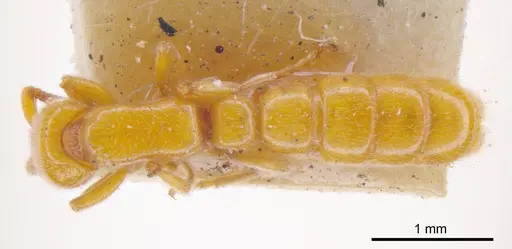
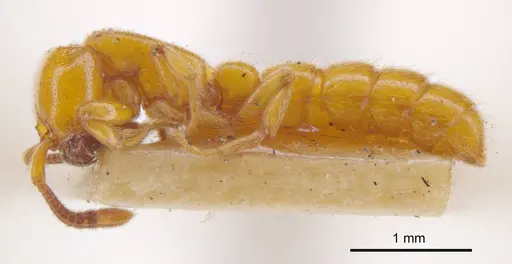
ANTWEB1008187
View on AntWeb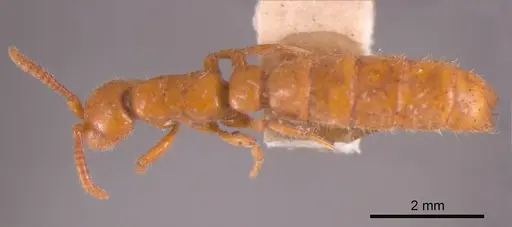
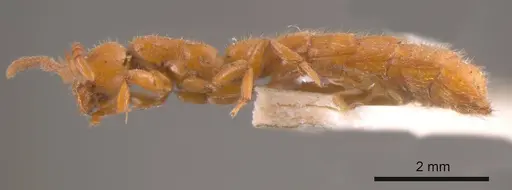
ANTWEB1008215
View on AntWeb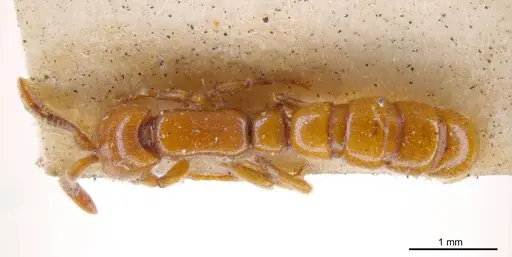
CASENT0172086
View on AntWeb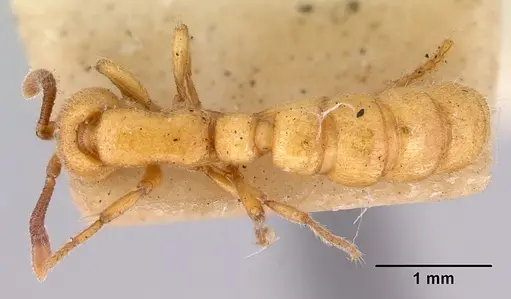
CASENT0172114
View on AntWeb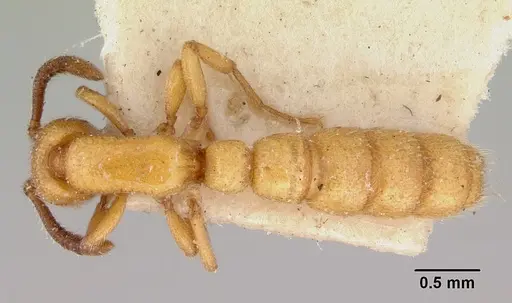
CASENT0172118
View on AntWeb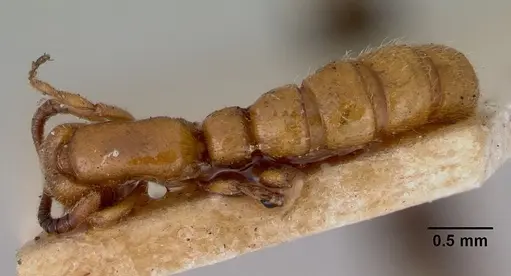
CASENT0173058
View on AntWeb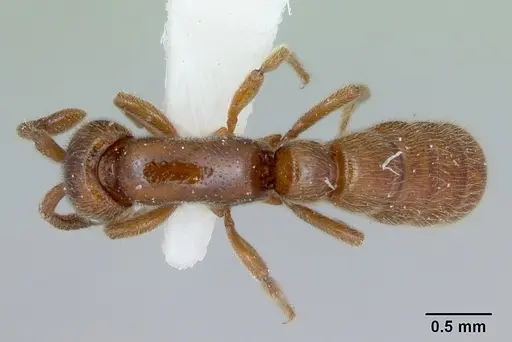
CASENT0173059
View on AntWeb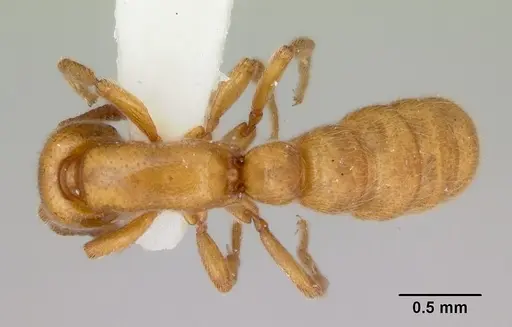
CASENT0249327
View on AntWeb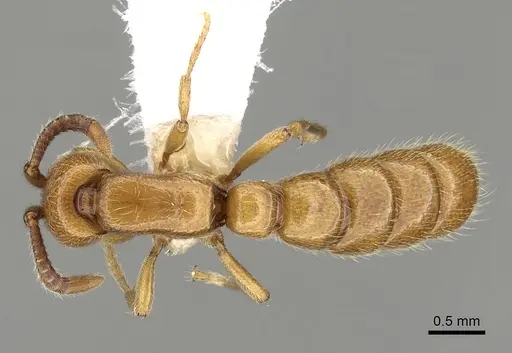
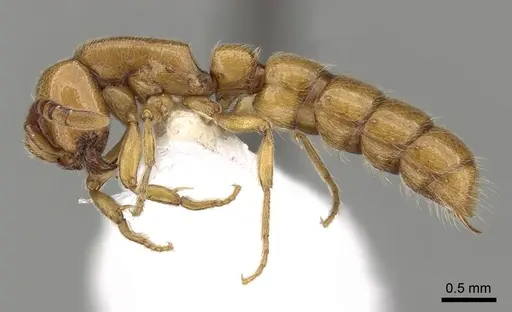
CASENT0902765
View on AntWeb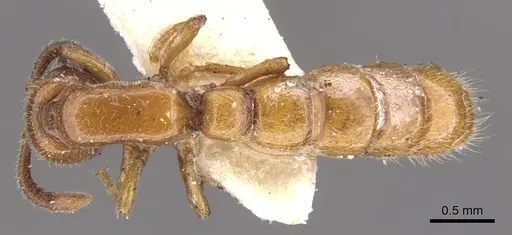
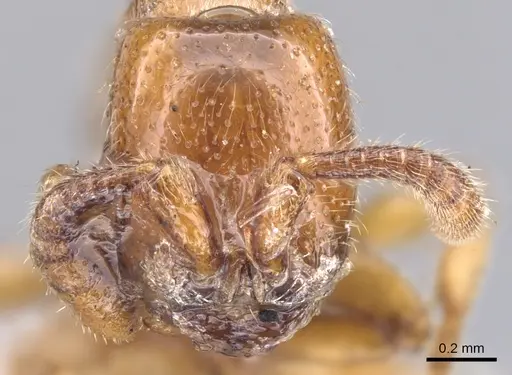
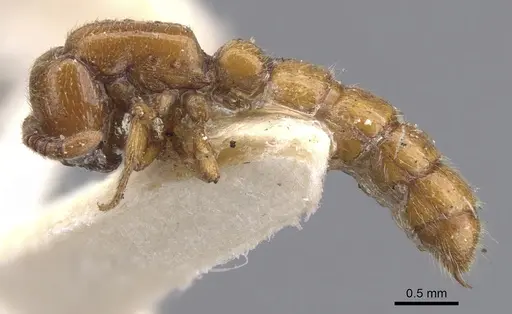
CASENT0902766
View on AntWeb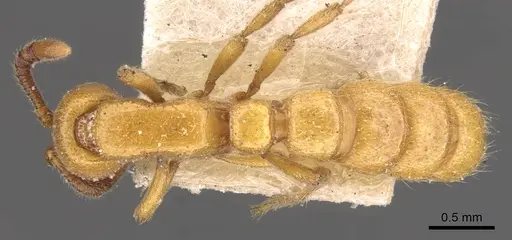
CASENT0902767
View on AntWeb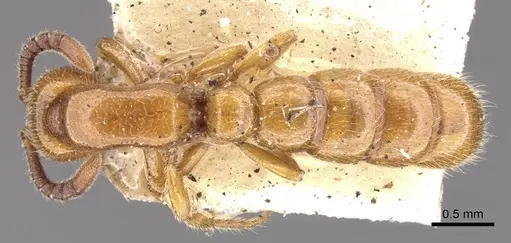
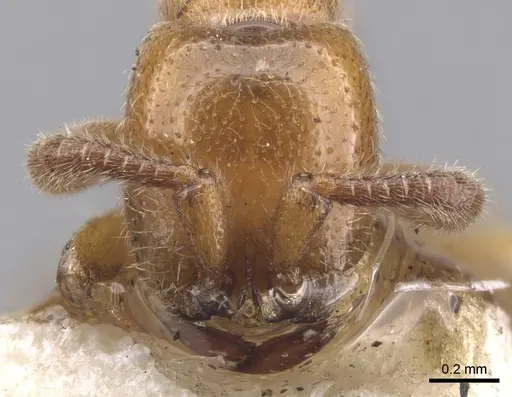
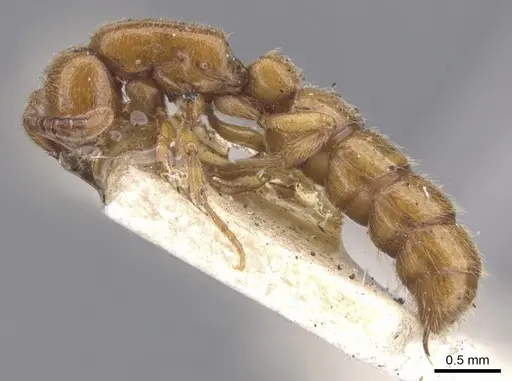
CASENT0907039
View on AntWeb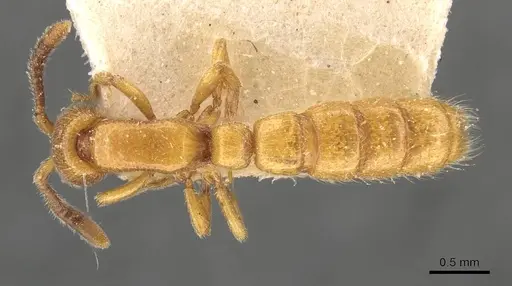
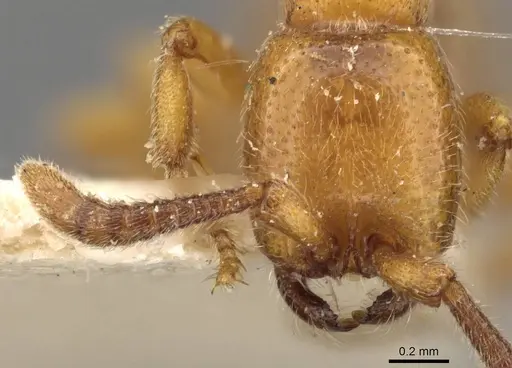
CASENT0907044
View on AntWeb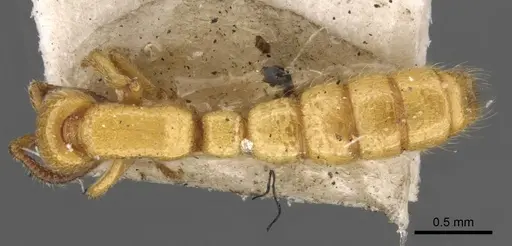
CASENT0911271
View on AntWeb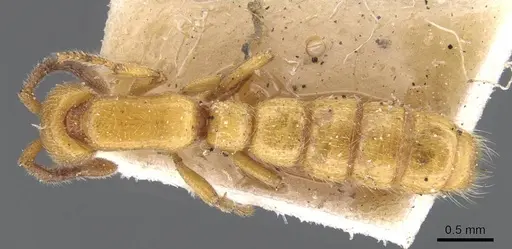
FOCOL0036
View on AntWeb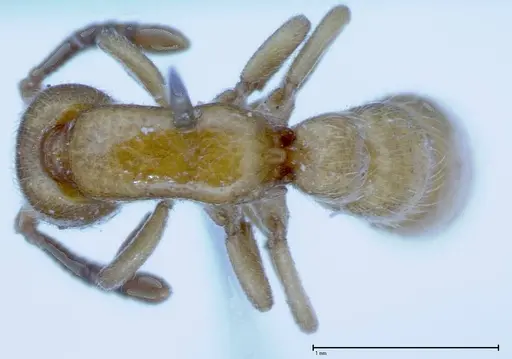
FOCOL0037
View on AntWeb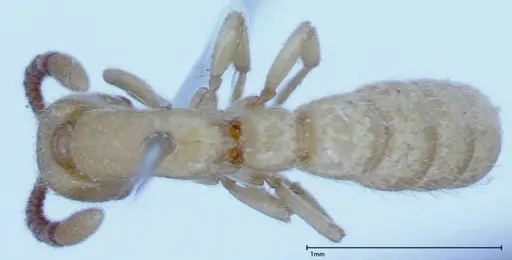
FOCOL0342
View on AntWeb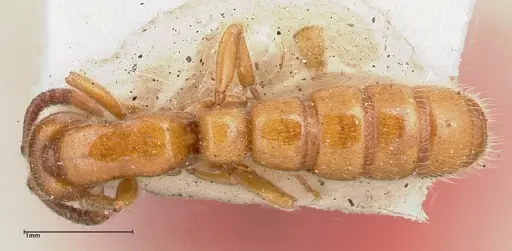
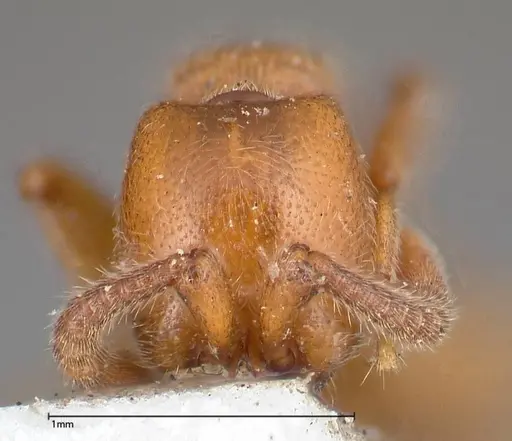
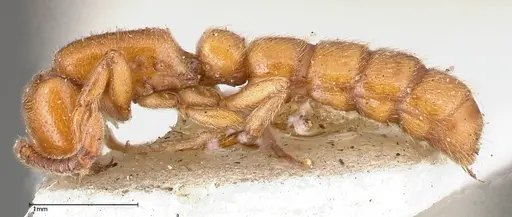
FOCOL0343-1
View on AntWeb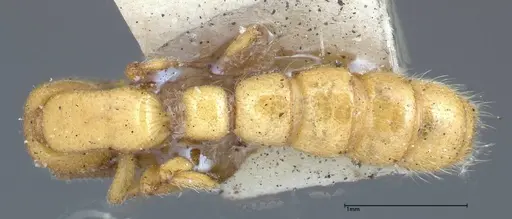
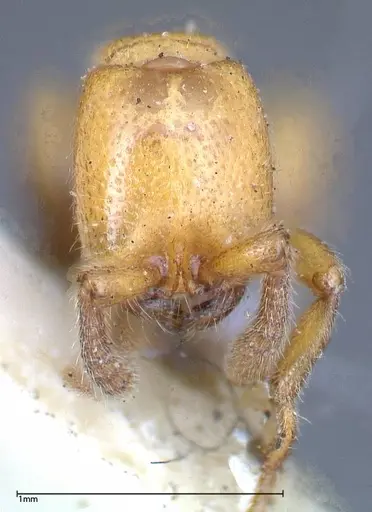
FOCOL0343-2
View on AntWeb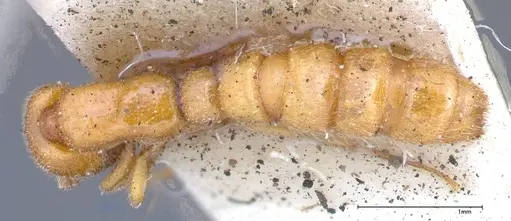
FOCOL0343-3
View on AntWeb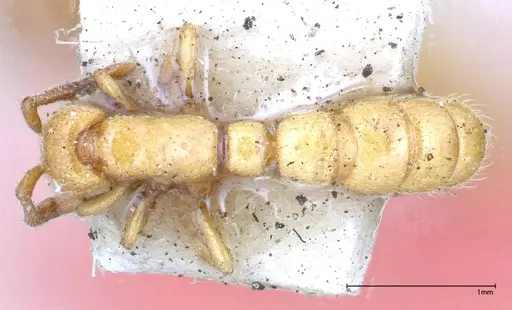
FOCOL0343-4
View on AntWeb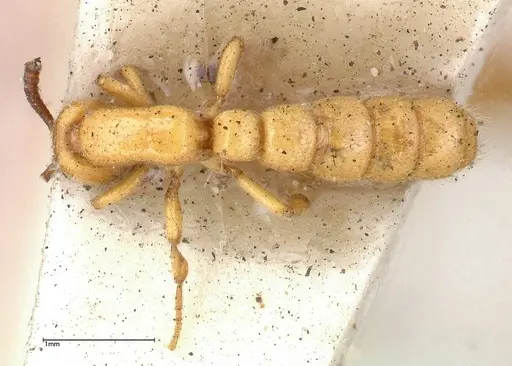
FOCOL0343-5
View on AntWeb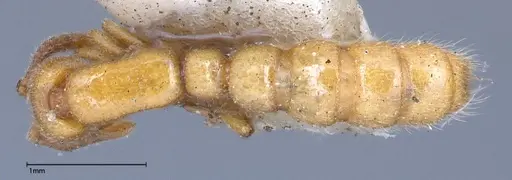
FOCOL0343-6
View on AntWeb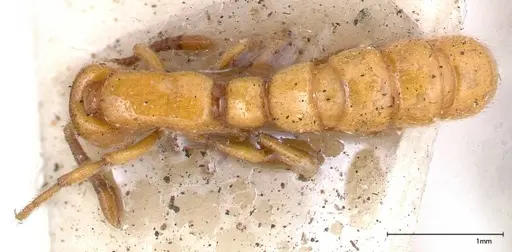
Literature
Loading distribution map...Loading products...