
Zasphinctus duchaussoyi
- Sci. Name
- Zasphinctus duchaussoyi
- Subfamily
- Dorylinae
- Author
- André, 1905
- Distribution
- Found in 1 countries
Introduction
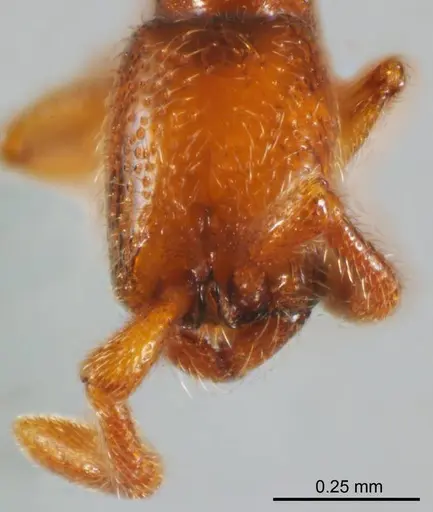
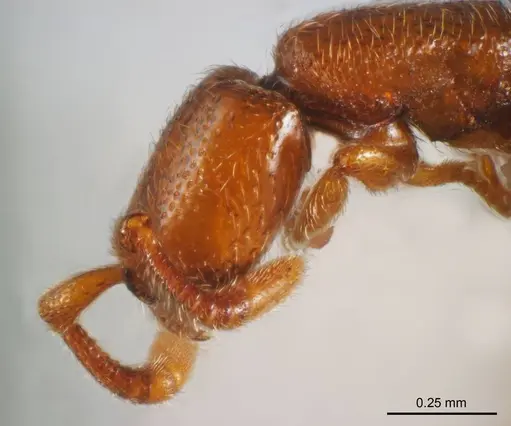
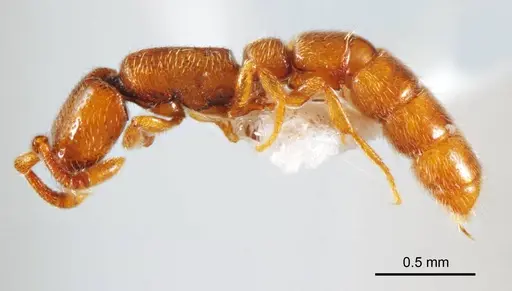
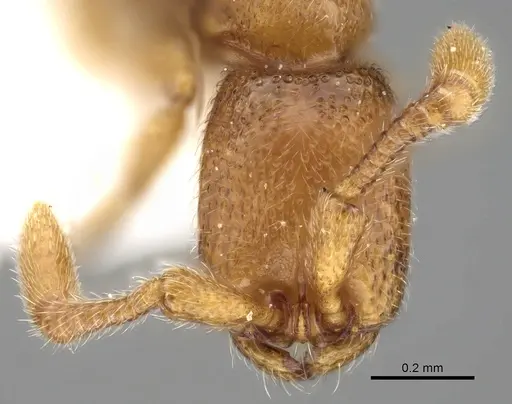
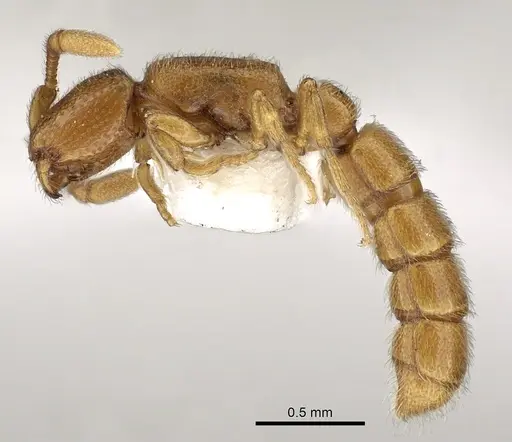
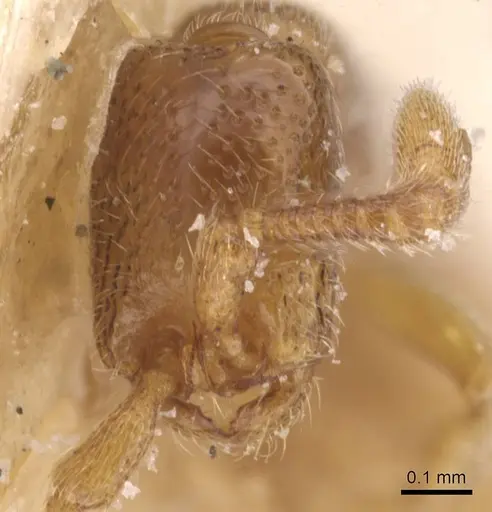
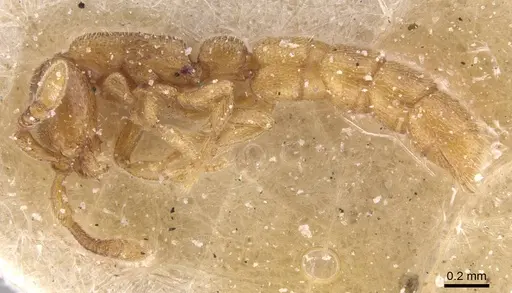
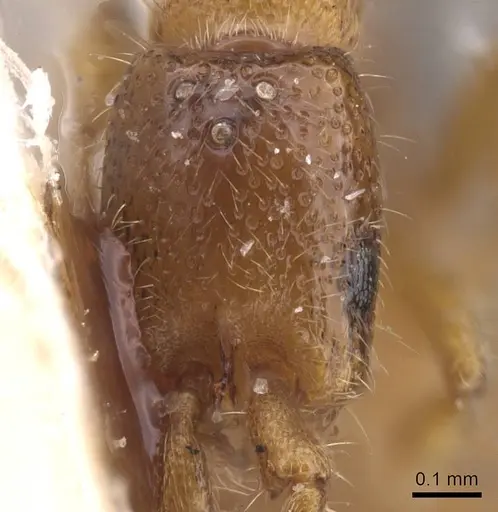
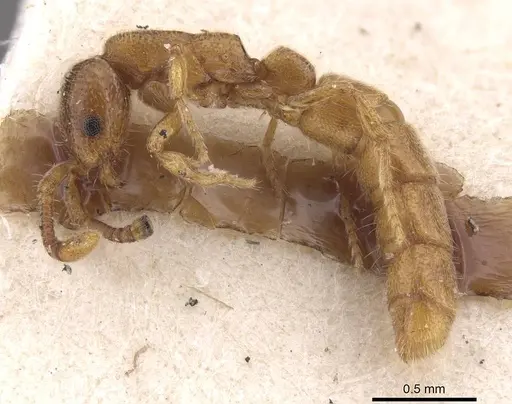
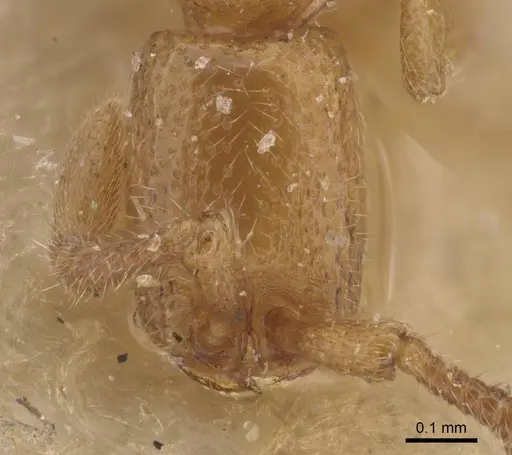
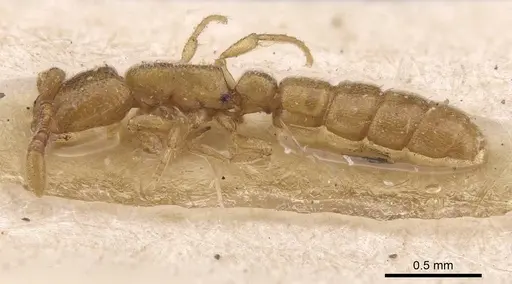
Zasphinctus duchaussoyi is a small ant in the Dorylinae subfamily, native to eastern Australia. Workers have a distinctive appearance with constrictions between abdominal segments, giving the rear end an uneven, bumpy outline . The species was first described as Eusphinctus duchaussoyi in 1905 and has been reclassified several times, now placed in Zasphinctus . It is found in Queensland and New South Wales, including rainforest habitats at elevations between 200 and 1200 m in the Eungella region . A notable feature of this species is the presence of ergatoid queens - wingless reproductive females that can serve as replacement egg-layers. Like other Dorylinae, these ants are predators that hunt small invertebrates, but detailed knowledge of their biology in the wild or captivity is very limited.
Quick Summary
- Difficulty: Expert
- Origin & Habitat: Eastern Australia, Queensland and New South Wales, from the Sydney area to Brisbane region, including Bribie Island. Recorded in rainforest at elevations from 200 to 1200 m in the Eungella region [2].
- Colony Type: Colony structure is not well studied. The type series includes ergatoid queens, suggesting that replacement reproductives can occur, but whether colonies are typically monogyne or polygyne is unknown [2].
- Size & Growth:
- Queen: Ergatoid queens exist but body size data is unavailable [2]
- Worker: Body size data unavailable [1]
- Colony: Unknown, colony size has not been documented
- Growth: Unknown
- Development: Unknown (No direct data on development for this species. Information from related Dorylinae is not reliable enough to estimate.)
- Antkeeping:
- Temperature: Unknown. For a rainforest species, aim for warm, stable conditions (roughly 22-26°C) and observe colony behavior. Avoid extremes.
- Humidity: Unknown. Given its rainforest origin, the nest substrate should be kept consistently damp but not waterlogged. Provide a moisture gradient.
- Diapause: Unknown. The species occurs in temperate Australia, so a winter cooling period may be needed, but this has not been studied. If attempted, provide 3-4 months at 10-15°C and monitor.
- Nesting: Unknown preferences. In captivity, a dark, humid nest like Y-tong (AAC) or plaster is a reasonable starting point. Connect to an outworld with escape-proof barriers.
- Behavior: Predatory, these ants hunt small invertebrates. Aggression toward humans is not documented, Dorylinae typically rely on chemical defenses rather than stinging. Escape risk is moderate given their small size (standard fluon barriers recommended). Activity patterns unknown.
- Common Issues: The biology of this species is almost undocumented, most care advice is guesswork. Expect high mortality during founding and colony establishment., Suitable live prey must be supplied regularly, they may not accept dead or artificial food., Humidity and temperature needs are uncertain, incorrect conditions will likely cause brood death or mold., This species is rarely available in the hobby, and there is no established keeper experience to rely on.
Housing and Nest Setup
Because so little is known about Zasphinctus duchaussoyi, there is no proven nest design. A dark, humid nest made of Y-tong (AAC) or plaster is a reasonable starting point, as these materials retain moisture. Connect the nest to an outworld using tubing. Make sure the outworld is escape-proof, these ants are small, so seal all gaps and use a fluon barrier. Provide a water tube in the outworld and mist the nest chamber as needed to maintain dampness. Keep the setup in a warm area away from direct sunlight and drafts [2].
Feeding and Diet
Zasphinctus duchaussoyi is a predator, likely hunting live invertebrates. Offer small prey such as fruit flies, pinhead crickets, springtails, and cut-up mealworms. Feed every 2-3 days and remove leftovers to prevent mold. Whether they accept dead prey or sugar sources is unknown, assume they need live food. A varied diet is best for brood health [2].
Temperature and Seasonal Care
Temperature requirements are undocumented. As a rainforest species from eastern Australia, aim for warm, stable conditions around 22-26°C. Create a gradient using a heat mat on one side so ants can choose. Seasonal cooling may be needed if the ants come from a temperate area, but this has not been researched. If you attempt diapause, reduce temperature to 10-15°C for 3-4 months during winter, and reduce feeding. Monitor colony activity, any signs of stress (dying workers, queen neglect) mean you should adjust conditions [2].
Colony Founding
Founding behavior is completely unknown for this species. It is not known whether the queen is claustral or semi-claustral, or whether she can found alone. The presence of ergatoid queens suggests that the colony may produce replacement reproductives, but how a new colony starts is unstudied. If you obtain a queen, keep her in a dark, humid test tube with access to prey and observe. Do not assume she will not need to feed [2].
Behavior and Temperament
Like other Dorylinae, Zasphinctus duchaussoyi is predatory and likely hunts in groups, using pheromone trails to coordinate. The ants are not aggressive toward humans and probably rely on chemical defenses rather than a painful sting. Their activity pattern (diurnal/nocturnal) is not documented. They have a unique appearance due to the constrictions between abdominal segments, which is a key identification feature [1]. In a captive setup, they are not particularly fast or prone to escape, but their small size demands careful barriers [2].
Frequently Asked Questions
How long does it take for Zasphinctus duchaussoyi to produce first workers?
The development time from egg to worker is unknown. No studies have documented this for the species.
Can I keep Zasphinctus duchaussoyi in a test tube setup?
A test tube may work for a founding queen, but since founding behavior is unknown, a small plaster or Y-tong nest with moisture control might be safer. Once a colony is established, a larger nest with a foraging area will be needed.
What do Zasphinctus duchaussoyi eat?
They are predators that hunt live invertebrates. Offer small prey like fruit flies, springtails, or pinhead crickets. It is unclear if they accept dead prey or sugar water.
Are Zasphinctus duchaussoyi good for beginners?
No. Almost nothing is known about keeping this species. It requires expert-level knowledge, live prey, and careful environmental control. It is not recommended for anyone without significant experience.
Do Zasphinctus duchaussoyi need hibernation?
It is unknown whether this species needs a winter diapause. Because it occurs in temperate Australia, a cooling period may be beneficial, but there is no data to confirm. If you choose to cool them, do so gradually and monitor closely.
How big do Zasphinctus duchaussoyi colonies get?
Colony size has not been documented. There is no scientific or keeper data to provide even an estimate.
Why is my Zasphinctus duchaussoyi colony dying?
Common causes are unknown because this species is rarely kept. Likely issues include unsuitable temperature or humidity, insufficient live prey, or stress from incorrect nesting conditions. Without established care guidelines, any problems are hard to diagnose.
Can I keep multiple queens together?
There is no information on whether this species tolerates multiple queens. Combining unrelated queens is risky and likely to lead to aggression. Keep each queen alone.
Where is Zasphinctus duchaussoyi found in the wild?
This species is native to eastern Australia, specifically Queensland and New South Wales. It has been recorded in rainforest habitats at elevations from 200 to 1200 m, including the Sydney area and Bribie Island near Brisbane [2].
Report an Issue
The current care sheet is based fully on literature. See inconsistencies, or something that's incorrect? Please , it will be resolved after review from an admin. Contributing to the blogs tab also helps providing information, to make us be able to further improve the caresheets. Thank you for your support!
References

This caresheet is licensed under CC BY-SA 4.0 .
Community Blogs
ANTWEB1008718
View on AntWeb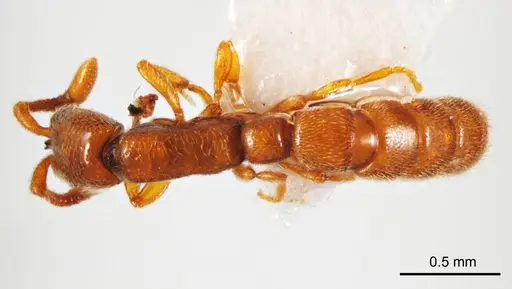
CASENT0249325
View on AntWeb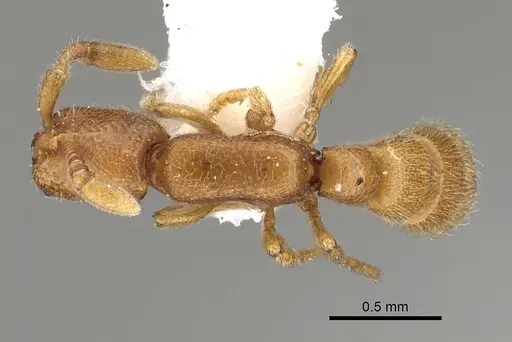
CASENT0911270
View on AntWeb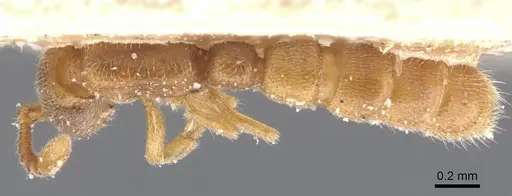
CASENT0915331
View on AntWeb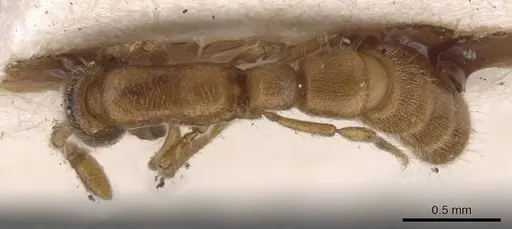
CASENT0915332
View on AntWeb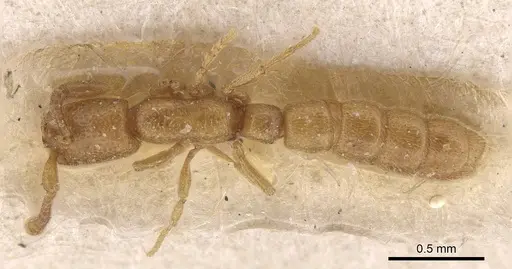
Literature
Loading distribution map...Loading products...