
Wasmannia scrobifera
- Sci. Name
- Wasmannia scrobifera
- Tribe
- Attini
- Subfamily
- Myrmicinae
- Author
- Kempf, 1961
- Distribution
- Found in 8 countries
Introduction
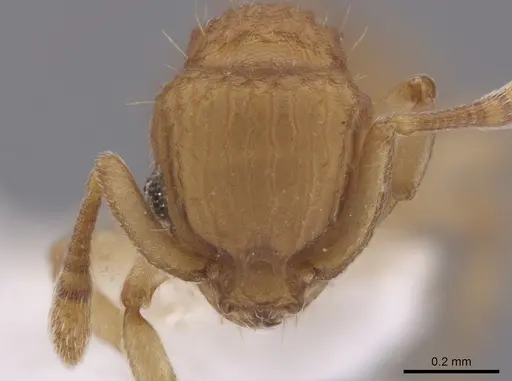
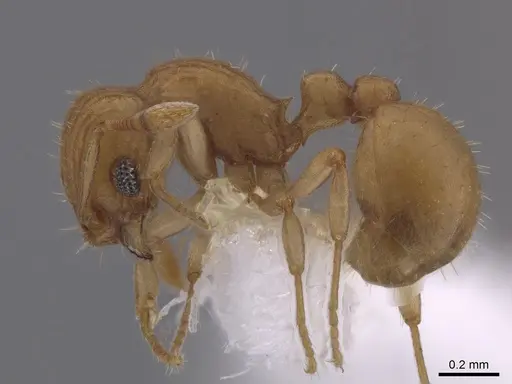
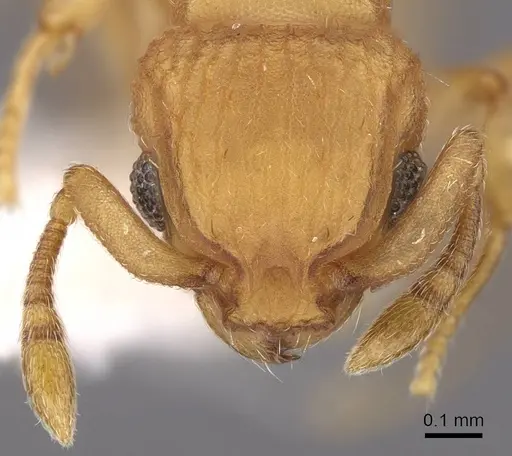
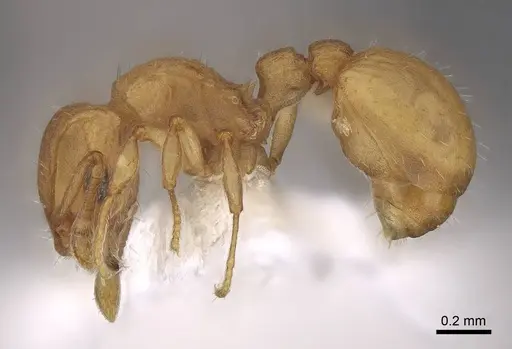
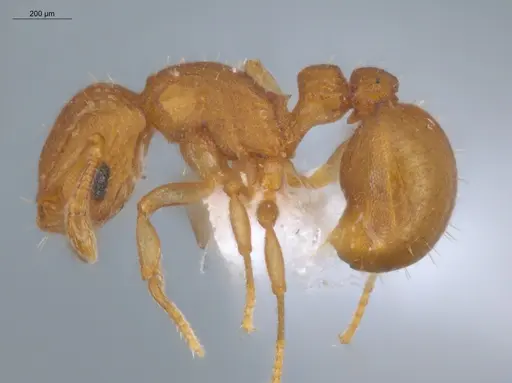
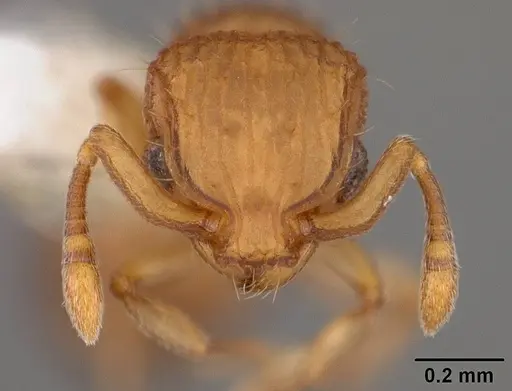
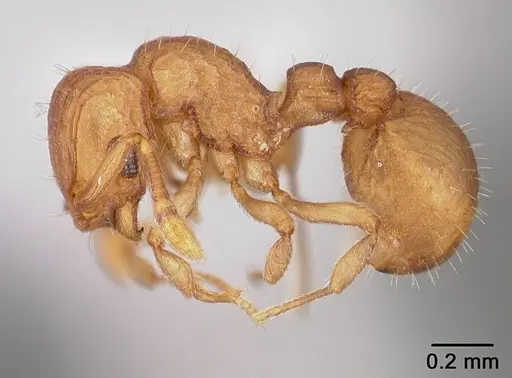
Wasmannia scrobifera is a tiny tropical ant native to Central and South American rainforests. Workers are very small, with an estimated total length of 1.2-1.5 mm based on head measurements . Queens are slightly larger, roughly 1.5-1.8 mm (inferred from genus). These ants have a dark brown to black coloration typical of leaf-litter ants. What sets Wasmannia scrobifera apart is its unusual nesting behavior: it nests in the low arboreal zone, in leaf domatia of plants like Tococa, and builds small carton nests under leaves, yet it forages in the leaf litter on the forest floor . This dual-zone lifestyle is uncommon and suggests they need both floor space and some vertical elements in the enclosure.
Quick Summary
- Difficulty: Expert
- Origin & Habitat: Mature lowland rainforest in the Atlantic lowlands of Costa Rica, with records also from Colombia, Brazil (Bahia and Matto Grosso states), Suriname, Ecuador, French Guiana, Guatemala, Guyana, and Honduras [1][2]. They inhabit the forest floor leaf litter and low vegetation zones.
- Colony Type: Unknown colony structure, the species has been found with only workers and brood in nests, with no queen specimens collected. Likely monogyne based on typical genus patterns, but unconfirmed.
- Size & Growth:
- Queen: ~1.5-1.8 mm, inferred from Wasmannia genus (no total length data available) [1]
- Worker: ~1.2-1.5 mm, inferred from head width and mesosoma measurements [1]
- Colony: Unknown, this is a low density species rarely encountered in the wild, possibly under 100 workers [1]
- Growth: Unknown, no captive breeding data available
- Development: Unknown, no development studies exist. Based on related tropical Myrmicinae, estimate 4-8 weeks at optimal temperature (around 26°C), but this is a rough guess. (No direct data exists. Development time is estimated from genus-level patterns for tropical litter ants.)
- Antkeeping:
- Temperature: Keep at 24-28°C year-round, based on their lowland rainforest habitat [1]. Provide a gentle heat gradient. Avoid temperatures above 30°C or below 20°C.
- Humidity: High humidity, keep the nest substrate consistently moist but not waterlogged. Their forest floor environment [1] requires damp conditions. Mist lightly every few days, and ensure good ventilation to prevent mold.
- Diapause: No, as a tropical species from the Amazon basin, they do not need hibernation [1]. Maintain warm conditions continuously.
- Nesting: This species nests in leaf domatia of plants (e.g., Tococa) and builds small carton nests under leaves [1]. In captivity, a naturalistic setup with small chambers, damp substrate, and some vertical space works best. Because of their tiny size, chambers should be very small (2-3 mm wide).
- Behavior: These ants are cryptic and secretive. Workers forage in leaf litter and low vegetation [1]. They are not aggressive, their tiny size makes them rely on hiding rather than fighting. They possess a functional stinger (typical of Myrmicinae tribe Attini), but it poses no threat to humans due to their size. Excellent escape prevention is critical, they can squeeze through gaps as small as 0.3 mm. Activity patterns are unclear, they may be active day and night.
- Common Issues: tiny size makes escape prevention critical, they slip through gaps too small for most other ants., no captive breeding data exists, this species has never been established in captivity by hobbyists., humidity control is challenging, too wet causes mold, too dry kills brood., low density in the wild suggests small colonies that may be sensitive to disturbance., lack of documented care means all husbandry is experimental, be prepared for trial and error.
Housing and Enclosure
Housing Wasmannia scrobifera requires careful planning because of their tiny size and unusual nesting preferences. A naturalistic setup works best, use a shallow container with damp forest floor substrate (a mix of soil and rotting leaves). The key is creating very small, tight chambers scaled to their dimensions. Standard test tubes are too large, instead, use small plastic containers or custom mini-nests with chambers just 2-3 mm wide. Escape prevention is critical, these ants can fit through gaps as small as 0.3 mm. Apply fluon or use containers with tight-sealing lids. Include some vertical elements like small twigs or leaves to mimic their natural arboreal nesting sites [1]. Keep lighting dim, as they prefer dark, humid conditions.
Temperature and Humidity Control
Maintain temperatures of 24-28°C year-round, based on their lowland rainforest habitat [1]. Use a small heat mat on one side to create a gentle gradient, but never exceed 30°C. Humidity should be high, keep the substrate damp to the touch but avoid standing water. Mist lightly every few days rather than on a fixed schedule, rehydrate when the surface begins to dry. Good ventilation is essential to prevent mold, but avoid strong drafts that dry out the enclosure. A hygrometer helps, but visual assessment of substrate moisture is often more reliable for these sensitive ants.
Feeding and Nutrition
Feeding habits are unconfirmed for this species. Based on related Wasmannia and typical Attini tribe behavior, they likely hunt small arthropods and may tend honeydew-producing insects. Offer tiny live prey such as springtails, booklice, or fruit flies. Standard ant feeders are too large, prey should be no bigger than 1-2 mm. Sugar water may be accepted, but offer it in very small quantities in a cotton wick to prevent drowning. Start with live micro-prey and observe acceptance before trying other foods. Remove uneaten prey within 24 hours to prevent mold. Feed every 2-3 days for established colonies.
Colony Establishment
This is the biggest challenge with Wasmannia scrobifera, wild colonies have never been documented in captivity, and founding queens have never been collected or described. The only known nest collections contained workers and brood without queens [1]. If you obtain a colony, it will likely be a queenless worker/brood fragment. Without a queen, the colony cannot grow, workers may live for several months but will gradually die off. If you find a dealate queen, housing her in a small claustral setup (mini test tube or tiny container with damp cotton) at 26°C with high humidity may work. However, expect significant trial and error since no established protocols exist. Consider this an experimental species for advanced antkeepers willing to document their attempts.
Behavior and Activity
Wasmannia scrobifera is a cryptic, slow-moving species that forages in leaf litter and low vegetation. Their collection from frog stomachs in Colombia confirms they venture into exposed positions [1]. They are not aggressive or defensive, their tiny size makes them vulnerable, so they likely rely on secrecy rather than confrontation. Activity patterns are unknown, but in captivity, they are most often seen during the evening and morning hours. They move deliberately, exploring small spaces methodically. Because of their size, they are easily overlooked.
Frequently Asked Questions
How big do Wasmannia scrobifera colonies get?
Unknown, this is a rarely encountered low density species in the wild, and colonies have never been documented in captivity. Based on collection data showing only small worker groups, colonies are likely small, possibly under 100 workers [1].
Can I keep Wasmannia scrobifera in a test tube?
Standard test tubes are too large for these tiny ants. Workers are only about 1.2-1.5 mm long, so you need custom mini-nests with chambers just 2-3 mm wide, or a naturalistic setup with appropriately scaled spaces.
How long does it take for Wasmannia scrobifera to develop from egg to worker?
Unknown, no development studies exist for this species. Based on related tropical Myrmicinae, estimate 4-8 weeks at optimal temperature (around 26°C), but this is a rough guess with low confidence.
Are Wasmannia scrobifera good for beginners?
No, this species is not recommended for beginners. No captive breeding protocols exist, wild colonies have never been established in captivity, and their tiny size makes them extremely difficult to house and maintain. Consider this an expert-level experimental species.
What do Wasmannia scrobifera eat?
Unconfirmed, but based on related species, they likely eat small live prey (springtails, booklice, tiny flies) and may accept honeydew from sap-sucking insects. Offer tiny live prey and small amounts of sugar water. Acceptance is uncertain, document what works for your colony.
Do Wasmannia scrobifera need hibernation?
No, as a tropical lowland rainforest species from Costa Rica and the Amazon basin, they do not experience cold temperatures and require warm conditions year-round. Maintain 24-28°C continuously [1].
Where does Wasmannia scrobifera nest?
In the wild, they nest in leaf domatia of ant-plants (Tococa) and in small carton nests under leaves, typically in the low arboreal zone while foraging on the forest floor [1]. This suggests they need both horizontal floor space and some vertical elements in captivity.
Why are my Wasmannia scrobifera dying?
Without documented captive care, mortality causes are speculative. Likely issues include: incorrect humidity (too dry kills them quickly), temperature stress (above 30°C or below 22°C), escape and desiccation, or simply that wild-caught colonies are stressed fragments without a queen. Their cryptic nature and unknown requirements make captive success extremely challenging.
Report an Issue
The current care sheet is based fully on literature. See inconsistencies, or something that's incorrect? Please , it will be resolved after review from an admin. Contributing to the blogs tab also helps providing information, to make us be able to further improve the caresheets. Thank you for your support!
References

This caresheet is licensed under CC BY-SA 4.0 .
Community Blogs
CASENT0653678
View on AntWeb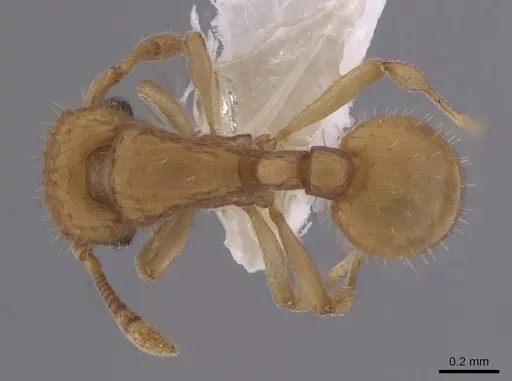
CASENT0922485
View on AntWeb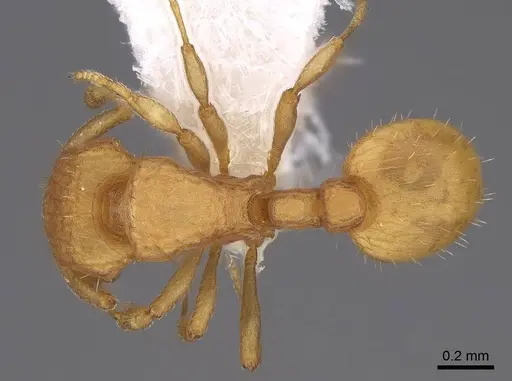
ECOFOG-SL13-1312-25
View on AntWeb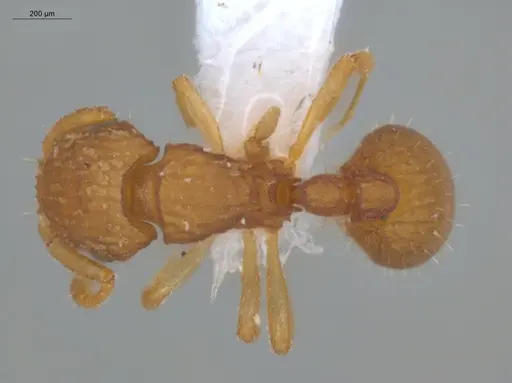
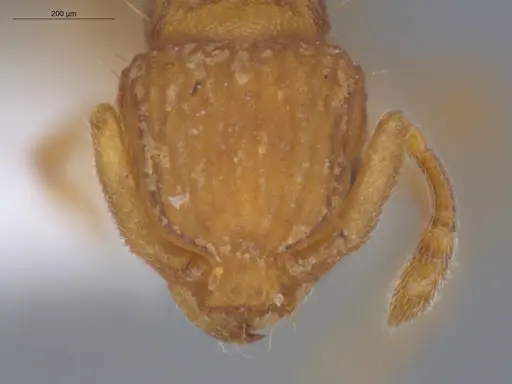
USNMENT00411891
View on AntWeb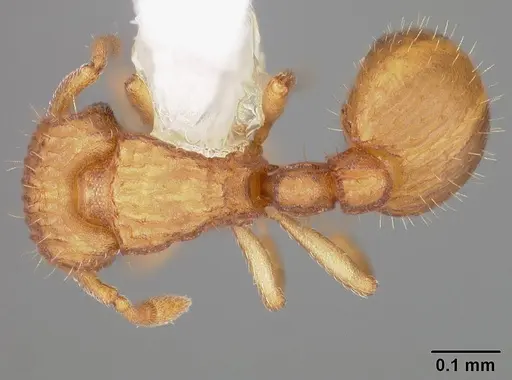
Literature
Loading distribution map...Loading products...