
Vollenhovia brevicornis
- Sci. Name
- Vollenhovia brevicornis
- Tribe
- Crematogastrini
- Subfamily
- Myrmicinae
- Author
- Emery, 1893
- Distribution
- Found in 2 countries
Introduction
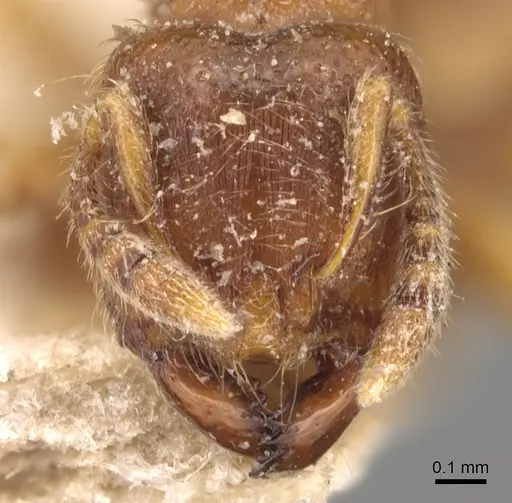
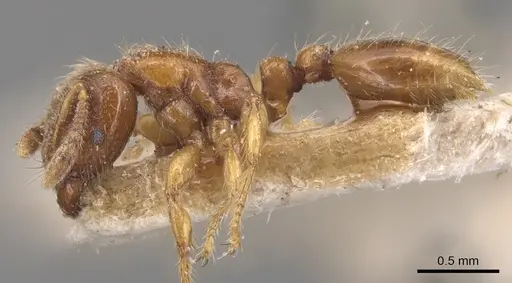
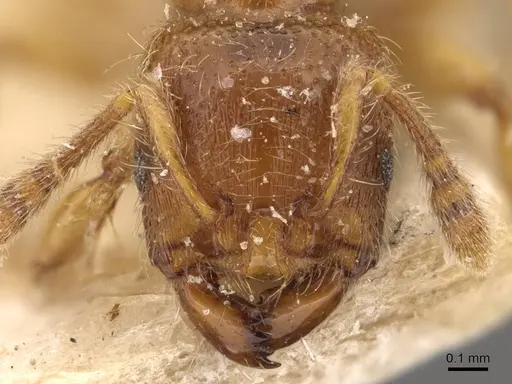
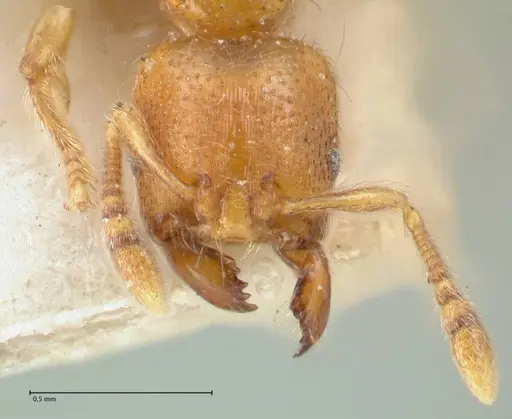
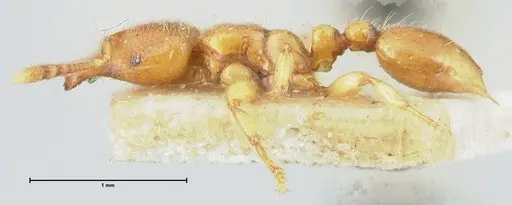
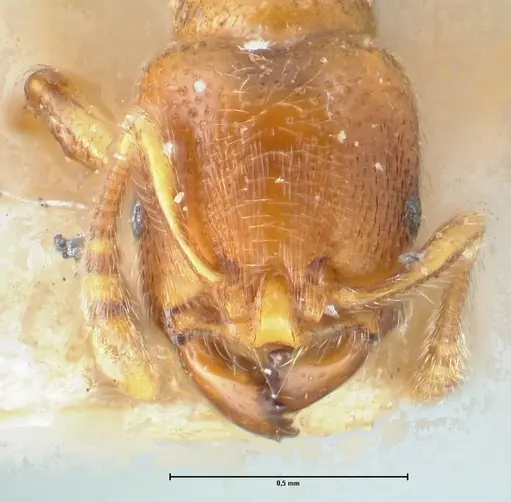
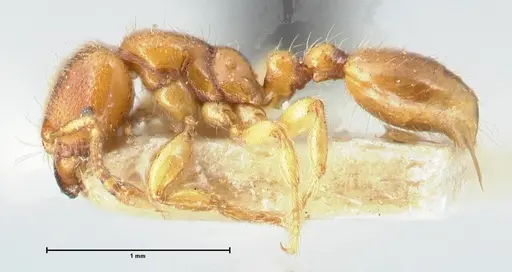
Vollenhovia brevicornis is a tiny Myrmicinae ant found across the Indomalaya region, including Borneo, Indonesia, Malaysia, and Singapore . Workers are highly variable in size . They live in leaf litter and upper topsoil layers of primary and mature secondary forests, and are sometimes seen on tree trunks . This species was once mistakenly called Vollenhovia fridae until it was recognized as the same species . These ants are rarely kept by hobbyists because they are so small and secretive, so very little is known about caring for them in captivity.
Quick Summary
- Difficulty: Medium, no reliable captive data available, requires guesswork
- Origin & Habitat: Tropical forests of Southeast Asia (Borneo, Indonesia, Malaysia, Singapore). In Singapore, they live in primary and mature secondary forests, mostly in leaf litter and upper topsoil, sometimes on tree trunks [1].
- Colony Type: Unconfirmed, no published information on queen number or social structure.
- Size & Growth:
- Queen: Size data unavailable.
- Worker: Highly variable, no body measurements available [1].
- Colony: Unknown, no reliable estimates exist.
- Growth: Unknown, no data.
- Development: Unknown, no published timeline. (No direct data for this species.)
- Antkeeping:
- Temperature: Keep at warm tropical conditions (24-28°C, inferred from native habitat). Use a heating cable on one side of the nest if room temperature is lower. Avoid direct sunlight and heat vents [1].
- Humidity: High humidity needed. Keep the nest substrate moist but not waterlogged. These ants live in leaf litter and topsoil that stays damp [1]. Provide a water source and mist occasionally, but allow some areas to dry slightly to prevent mold.
- Diapause: No, as a tropical species they probably do not need hibernation. Keep temperature stable all year.
- Nesting: Best kept in naturalistic setups with moist soil/leaf litter or in test tubes with very fine barriers. Their tiny size means they can escape through standard mesh, use fine mesh (0.5 mm or smaller) or fluon. Y-tong nests with narrow chambers may work, but no specific data exists.
- Behavior: These are cryptic, docile ants that spend most of their time hidden in the substrate. They are not aggressive and will flee rather than fight. As members of the Crematogastrini tribe, they use a smear defense, they wipe venom onto enemies instead of stinging. Their tiny size makes them excellent escape artists, so escape prevention must be extreme. Foraging is probably slow and deliberate, typical of litter‑dwelling ants.
- Common Issues: escape prevention is critical, they can squeeze through standard mesh because of their tiny size., no reliable care data exists, so almost all recommendations are guesses., wild-caught colonies may be stressed and hard to establish., overheating can quickly kill colonies, avoid temperatures above 30°C., colonies likely remain very small, which may disappoint keepers expecting rapid growth.
Housing and Nest Setup
Because of their tiny size, Vollenhovia brevicornis requires very careful housing. Test tubes work well for founding colonies, use a small water reservoir and pack the cotton firmly, these ants can slip through gaps that larger ants cannot. For established colonies, a naturalistic setup with moist soil and leaf litter matches their natural habitat best [1]. If you use a formicarium, choose one with very small chambers and passages. Escape prevention is critical, they can get through standard mesh. Apply fluon to the edges of test tube setups and use fine mesh (0.5 mm or smaller) on any outworld openings.
Feeding and Diet
Like most small Myrmicinae, they probably eat small arthropods, honeydew, and nectar. Offer sugar water or honey diluted 1:4 with water in a tiny container (like a bottle cap), they cannot handle large liquid sources. For protein, provide tiny live prey such as springtails, fruit flies, or small mealworm pieces. Feed every 2-3 days and remove any uneaten food quickly to prevent mold. Because they are so small, normal‑sized prey would be overwhelming for them.
Temperature and Seasonal Care
Keep the nest at 24-28°C all year, these are tropical ants from Southeast Asia and cannot handle cool conditions [1]. Room temperature in most homes is fine, but watch during winter. Do not put the nest near sunny windows or heating vents that could cause temperature spikes. No hibernation is needed, keep conditions stable year‑round. Signs of overheating: workers clustering away from heat sources, or brood being moved out of chambers.
Colony Establishment
Starting a colony is challenging because almost nothing is known about Vollenhovia brevicornis in captivity. If you find a queen, keep her in a quiet, dark test tube and leave her alone for several weeks. Wild colonies collected from leaf litter may already be stressed [1]. Do not try to combine unrelated queens, the social structure of this species is unknown. Be patient, growth is probably very slow.
Behavior and Observation
Vollenhovia brevicornis is a secretive ant that prefers to stay hidden in the leaf litter. Do not expect to see much activity in the outworld, that is normal for litter‑dwelling ants. They are not aggressive and will not bother you. As a member of the Crematogastrini tribe, they use a smear defense: they wipe venom onto enemies instead of stinging. You can observe them best by gently disturbing the nest or using a red light at night. Their small colony size and reclusive nature make them better for watching founding behavior than for impressive colony displays.
Frequently Asked Questions
How long does it take for Vollenhovia brevicornis to produce first workers?
No data exists for this species. Any estimate would be a guess. Keep the queen warm and undisturbed, and wait.
Can I keep Vollenhovia brevicornis in a test tube setup?
Yes, test tubes work well for founding colonies. Make sure the cotton plug is very tight, these tiny ants can escape through even small gaps.
What do Vollenhovia brevicornis ants eat?
They likely accept tiny protein sources like springtails or fruit flies, plus sugar water or diluted honey. Give very small portions.
Do Vollenhovia brevicornis ants sting?
As Myrmicinae they have a stinger, but they are not aggressive. Members of the Crematogastrini tribe use a smear defense, they wipe venom onto enemies rather than stinging. They pose no danger to keepers.
Are Vollenhovia brevicornis good for beginners?
No, there is almost no reliable care information, and their tiny size makes escape prevention very difficult. They are better suited for experienced keepers who can handle uncertainty.
How big do Vollenhovia brevicornis colonies get?
No one knows. Based on their small size and secretive lifestyle, they probably stay very small, but there is no data.
Do Vollenhovia brevicornis need hibernation?
No, they are tropical ants from Southeast Asia, so keep them warm all year. No cooling period is needed [1].
Why are my Vollenhovia brevicornis escaping?
They are extremely small and can squeeze through tiny gaps. Apply fluon liberally, use 0.5 mm or smaller mesh, and check all connections. Excellent escape proofing is essential.
When should I move my colony to a formicarium?
Wait until the colony outgrows the test tube and you cannot keep up with water refills. Moving too early can kill them. A naturalistic soil/leaf litter setup is probably better than an artificial nest.
Where is Vollenhovia brevicornis found in the wild?
They live in tropical forests of Borneo, Indonesia, Malaysia, and Singapore, mostly in leaf litter and upper topsoil of primary and mature secondary forests [1].
Report an Issue
The current care sheet is based fully on literature. See inconsistencies, or something that's incorrect? Please , it will be resolved after review from an admin. Contributing to the blogs tab also helps providing information, to make us be able to further improve the caresheets. Thank you for your support!
References

This caresheet is licensed under CC BY-SA 4.0 .
Community Blogs
CASENT0904544
View on AntWeb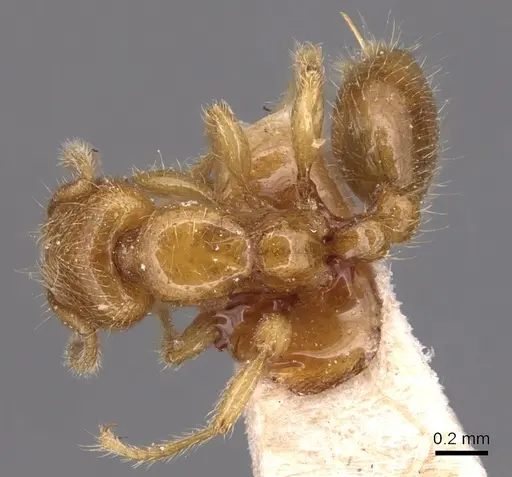
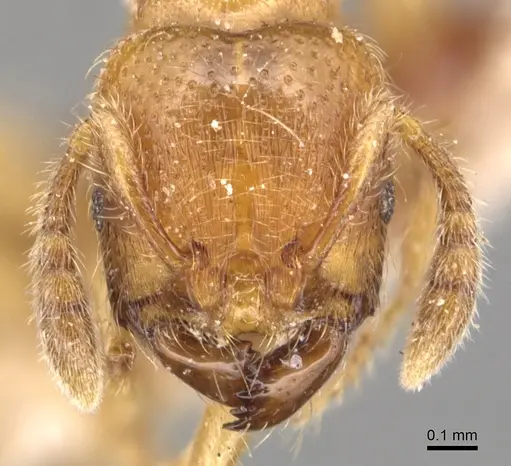
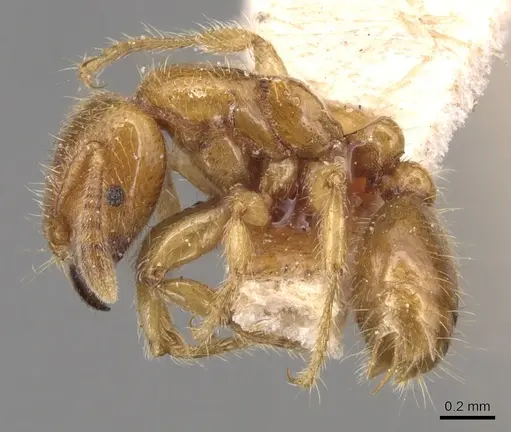
CASENT0904547
View on AntWeb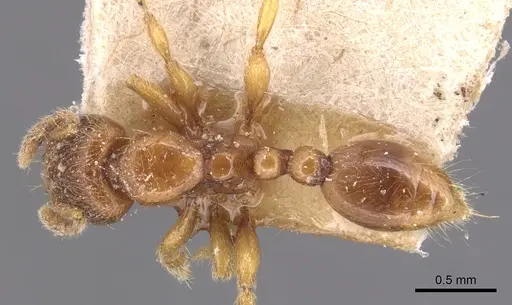
CASENT0908657
View on AntWeb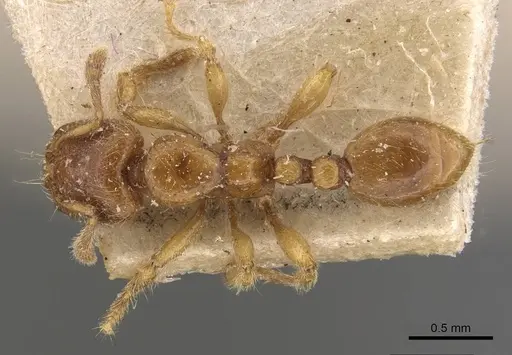
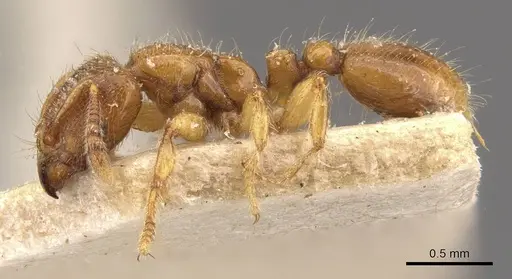
FOCOL1661
View on AntWeb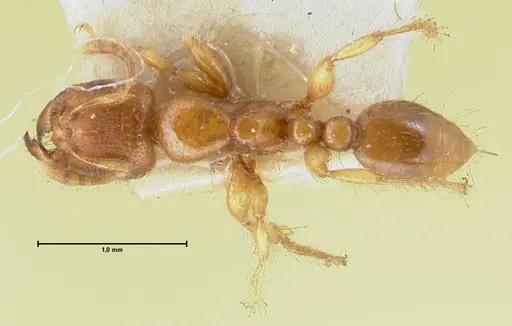
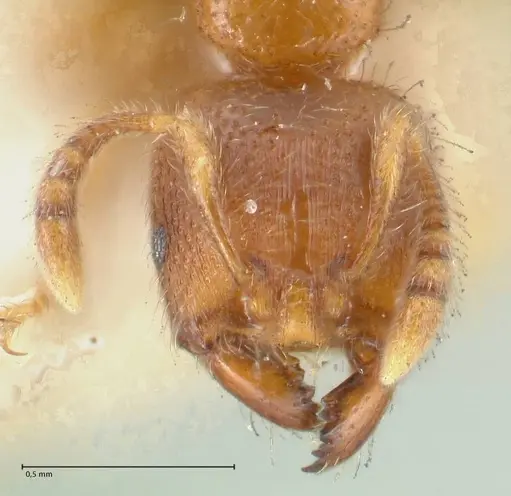
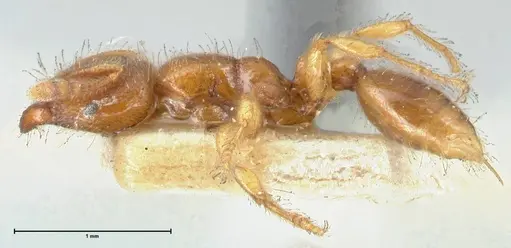
FOCOL1662
View on AntWeb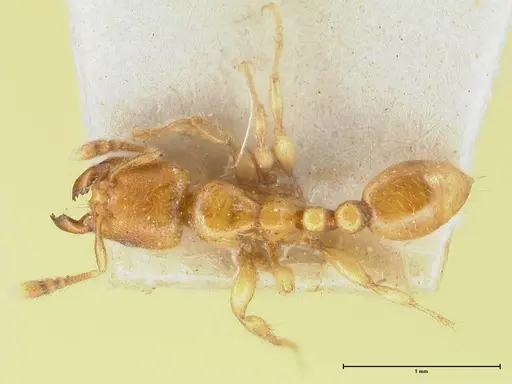
FOCOL1663
View on AntWeb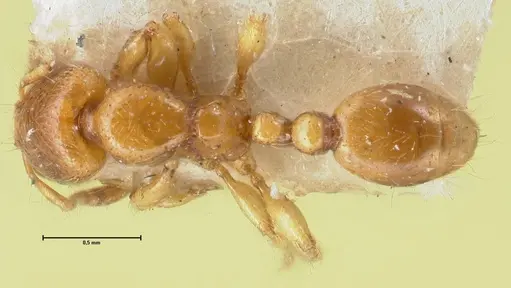
Literature
Loading distribution map...Loading products...