
Vitsika labes
- Sci. Name
- Vitsika labes
- Tribe
- Crematogastrini
- Subfamily
- Myrmicinae
- Author
- Bolton & Fisher, 2014
- Distribution
- Found in 1 countries
Introduction
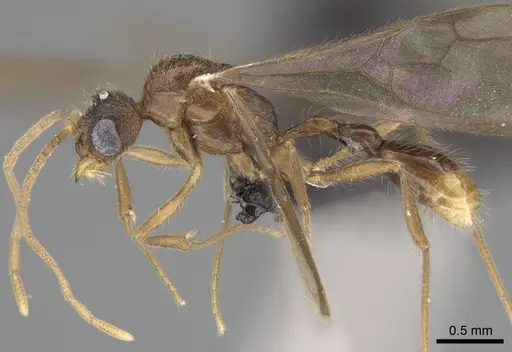
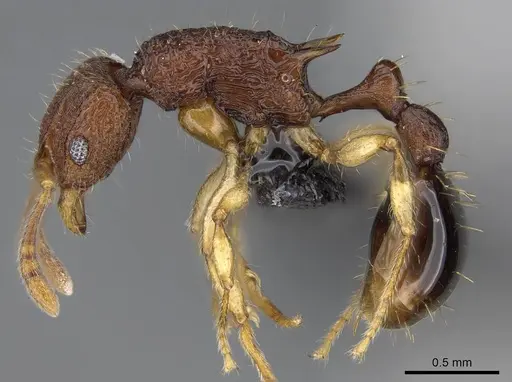
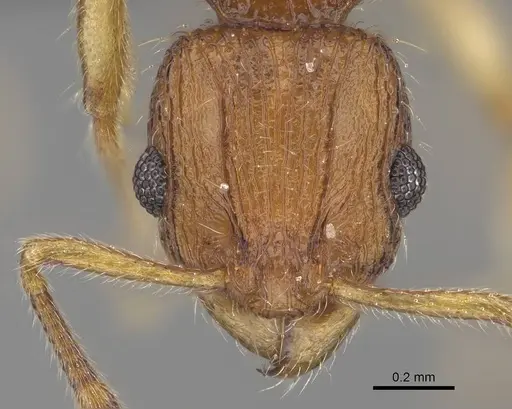
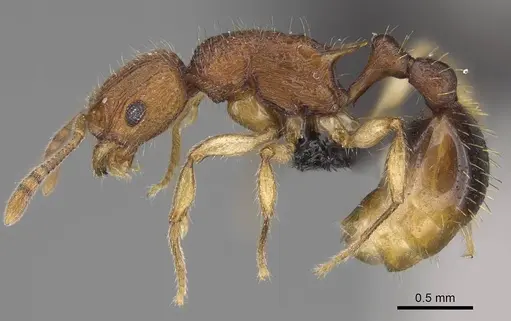
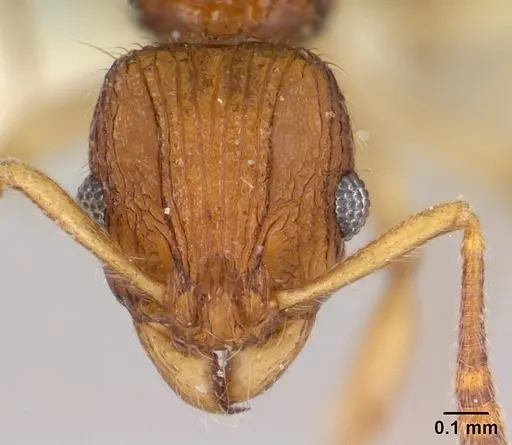
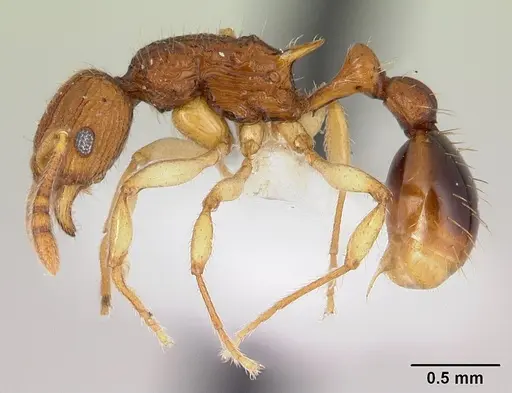
Vitsika labes is a small myrmicine ant endemic to Madagascar, where it lives in montane rainforests. Workers are 3.1-3.7 mm total length and reddish brown to dark brown . They have a distinctive long, low postpetiole and a propodeum with a distinct peak behind the mesonotal-propodeal junction . The genus Vitsika was only described in 2014 and is related to Eutetramorium . Specimens have been collected from rotten logs, litter samples, and pitfall traps in montane forest at 900-950 m elevation . One unusual feature: the known queen is an ergatoid (a wingless reproductive that looks like a worker but can replace the queen if lost) .
Quick Summary
- Difficulty: Unknown, likely Advanced
- Origin & Habitat: Endemic to Madagascar, found exclusively in montane rainforest habitats at 900-950 m elevation [1]. They nest in rotten logs and the forest floor litter layer [1].
- Colony Type: Single-queen colonies with ergatoid replacement reproductives. The only known queen is a wingless ergatoid that lacks ocelli and has a worker-like body with a slightly enlarged mesonotum [1]. This system allows the colony to survive if the primary queen dies.
- Size & Growth:
- Queen: Ergatoid queen is similar in size to workers (~3.1-3.7 mm, inferred), size data not directly measured [1]
- Worker: 3.1-3.7 mm total length [1]
- Colony: Unknown, no colony size data available
- Growth: Unknown, no development data available
- Development: Unknown, no direct measurements. Based on typical small Myrmicinae in tropical montane habitats, an estimate is 6-10 weeks at optimal temperature. (Development timeline has not been studied. Estimate is based on genus-level patterns for small Myrmicinae in similar environments.)
- Antkeeping:
- Temperature: Keep at 20-24°C. As a montane rainforest species from 900-950 m elevation in Madagascar, they likely prefer cooler conditions than lowland tropical ants. Avoid temperatures above 26°C.
- Humidity: High humidity is critical, montane rainforest floor conditions. Keep the substrate consistently moist but not waterlogged. Provide a gradient with a damp area and a slightly drier area so the ants can choose.
- Diapause: Unknown, no data on overwintering. As a tropical montane species, they may experience seasonal temperature changes in the wild, but captive diapause requirements are unconfirmed.
- Nesting: Naturalistic setup works best. In the wild they live in rotten logs and forest floor litter [1]. A terrarium with moist substrate, decaying wood pieces, and leaf litter mimics their habitat. Y-tong or plaster nests with small chambers can also work.
- Behavior: Not well documented. As a small Myrmicinae, they have moderate foraging activity and are likely omnivorous. Their small size (3-4 mm) means escape prevention is critical, they can squeeze through tiny gaps. Like other Crematogastrini, they have a modified stinger used to smear venom rather than sting. Exercise caution during handling.
- Common Issues: no captive husbandry data exists, this is an extremely rare species in the antkeeping hobby, small size means excellent escape prevention is essential, humidity requirements are critical, too dry causes colony decline, temperature sensitivity, montane species may not tolerate warm conditions, no established feeding protocols, diet requirements unknown, ergatoid queen system means colony recovery may be possible if queen dies
Species Overview and Identification
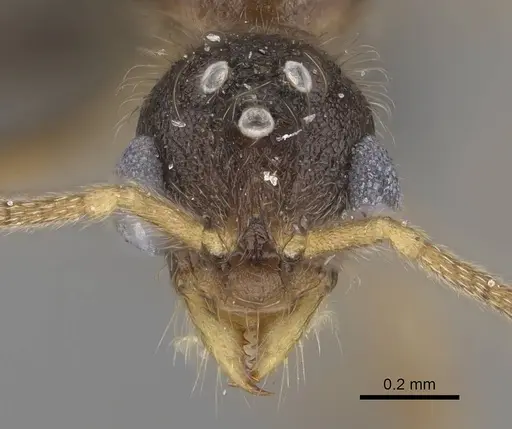
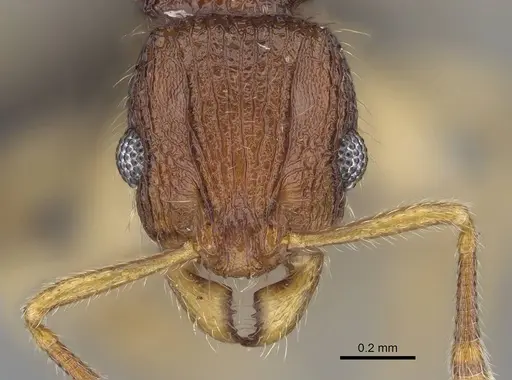
Vitsika labes is a recently described species, officially named in 2014 by Bolton and Fisher [1]. It belongs to the tribe Crematogastrini within Myrmicinae and is endemic to Madagascar, you won't find it anywhere else [1]. Workers are small at 3.1-3.7 mm and reddish brown to dark brown [1]. The genus Vitsika contains several species, all restricted to Madagascar's forests. The most distinctive feature is the long, low postpetiole (the segment between the waist and abdomen). You can identify V. labes by the propodeum having a distinct peak in profile, and the postpetiole being roughly as broad as long when viewed from above [1]. The eyes have 5-7 rows of ommatidia, typical for the genus [1].
Natural Habitat and Distribution
Vitsika labes is found only in Madagascar's montane rainforests, specifically at elevations around 900-950 meters [1]. The type locality is in Toamasina Province, on the Masoala Peninsula (Ambanizana), an area known for lush montane forest ecosystems [1]. In the wild, they live in the forest floor environment. Specimens have been collected from rotten logs, leaf litter samples, and pitfall traps [1]. This suggests they are litter-dwelling ants that prefer the cool, moist microhabitats beneath the forest canopy. The montane rainforest provides consistent high humidity and relatively stable temperatures compared to lowland areas.
Colony Structure and Reproduction
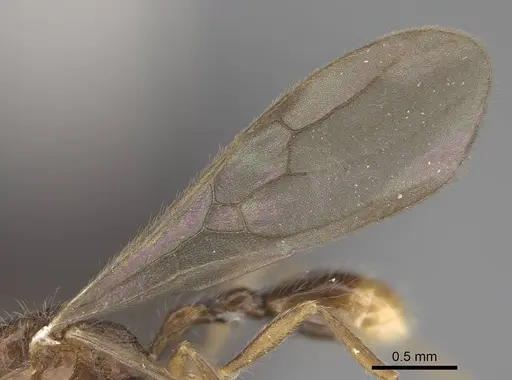
One of the most interesting aspects of Vitsika labes is its colony structure. The only known queen is an ergatoid, a wingless reproductive that develops without typical queen wings [1]. Ergatoid queens lack ocelli (simple eyes) and show no trace of wing insertions. Their mesosoma is worker-like but with a slightly enlarged mesonotum [1]. This ergatoid system means colonies can recover if the primary queen dies, a replacement ergatoid can take over reproduction. This differs from species with winged queens that disperse to found new colonies. New colonies may form through fission (splitting) or the ergatoid queen may simply replace a lost reproductive within the existing nest. Males have also been collected alongside workers and the ergatoid queen [1].
Housing and Nest Setup
Given their natural habitat in rotten logs and forest floor litter, a naturalistic setup is most appropriate. Create a terrarium with a deep layer of moist substrate (a mix of soil and organic material like coco fiber or peat), pieces of decaying wood, and leaf litter on top [1]. This mimics the montane forest floor. The substrate should remain consistently moist but never waterlogged. Montane rainforest conditions mean high ambient humidity, aim for 70-80% relative humidity. Achieve this with occasional misting and a water reservoir in the setup. Live plants help maintain humidity and create a stable microclimate. Because the ants are small (3-4 mm), escape prevention must be excellent. Use tight-fitting lids and seal any gaps. A thin film of fluon on the rim of the enclosure prevents escapes.
Temperature and Humidity Requirements
As a montane species from 900-950 m elevation in Madagascar, Vitsika labes likely prefers cooler conditions than typical tropical ants. Keep temperatures in the range of 20-24°C. Avoid temperatures above 26°C, which could stress or kill the colony. Provide a slight temperature gradient so the ants can choose their preferred microclimate. Humidity is critical. Montane rainforests are consistently humid. Keep the substrate moist but not saturated, and provide a gradient with some slightly drier areas so the ants can regulate their moisture exposure. Poor humidity will quickly lead to colony decline.
Feeding and Diet
The specific dietary requirements of Vitsika labes have not been documented. As a small Myrmicinae living in forest floor litter, they likely forage for small invertebrates, honeydew from aphids or scale insects, and possibly organic matter. For captive care, start with small protein sources like fruit flies, pinhead crickets, or small mealworms. Offer sugar water or honey as an energy source. Given their small size, prey items should be appropriately sized. Monitor acceptance and adjust the diet based on colony behavior. This species is extremely rare in captivity, so experimental feeding may be necessary.
Handling and Temperament
Vitsika labes has not been commonly kept in captivity, so detailed behavioral observations are limited. As a Myrmicinae ant, it has a stinger, but like other Crematogastrini, the stinger is modified for smearing venom rather than piercing. The small size (3.1-3.7 mm for workers) means the venom dosage would be minimal, but exercise caution. Their small size means they are quick and can easily escape if proper precautions aren't taken. Always use excellent escape prevention, as they can squeeze through tiny gaps. The ergatoid queen system suggests stable colony dynamics, but specific aggression levels or territorial behavior are unknown. [1]
Frequently Asked Questions
Is Vitsika labes available in the antkeeping hobby?
No. Vitsika labes is an extremely rare species that was only described in 2014 and is endemic to Madagascar. It is not currently available in the antkeeping hobby, and there are no known captive breeding efforts. This caresheet is provided for educational purposes for those interested in learning about rare ant species.
What do Vitsika labes ants eat?
Their specific diet is unconfirmed. Based on their habitat in forest floor litter, they likely consume small invertebrates, honeydew from sap-sucking insects, and organic debris. Offer small protein sources like fruit flies or tiny crickets, along with sugar water or honey. Monitor acceptance as no established feeding protocols exist.
What temperature do Vitsika labes ants need?
Keep them at 20-24°C. As a montane rainforest species from 900-950 m elevation in Madagascar, they prefer cooler conditions than typical tropical ants. Avoid temperatures above 26°C, which could stress or kill the colony.
How big do Vitsika labes colonies get?
The maximum colony size is unknown. No wild colony size data has been documented. Based on their small worker size (3.1-3.7 mm) and typical patterns of litter-dwelling Myrmicinae, colonies likely reach several hundred workers at most, this is an estimate.
Do Vitsika labes ants sting?
As Myrmicinae ants, they have a stinger. However, like other Crematogastrini, the stinger is modified for smearing venom, not piercing. Their small size (3.1-3.7 mm) means any venom dose would be minimal. Still, exercise normal caution when handling any ant species.
What is an ergatoid queen?
An ergatoid queen is a wingless reproductive female that develops without wings. Unlike typical queens that have wings and conduct nuptial flights, ergatoid queens remain in or near the nest and can serve as replacement reproductives if the primary queen dies [1]. Vitsika labes has ergatoid queens rather than winged queens.
Can I keep Vitsika labes in a test tube?
A naturalistic setup is more appropriate given their natural habitat in rotten logs and forest floor litter. However, if you obtain this species, a small test tube setup with moist cotton could work for an initial founding colony. The key is maintaining high humidity and stable temperatures. A naturalistic terrarium with moist substrate better mimics their natural environment.
Does Vitsika labes need hibernation?
Diapause requirements are unconfirmed. As a tropical montane species from Madagascar, they may experience seasonal temperature variations at their 900-950 m elevation, but captive hibernation protocols have not been established. Do not attempt hibernation without specific guidance.
Where is Vitsika labes found in the wild?
Vitsika labes is endemic to Madagascar, found only in montane rainforests in the Masoala Peninsula area of Toamasina Province at approximately 900-950 m elevation [1].
How long does it take for Vitsika labes to develop from egg to worker?
The exact development timeline is unknown, no direct measurements exist. Based on typical small Myrmicinae patterns in tropical montane species, estimate approximately 6-10 weeks from egg to first worker at optimal temperature (around 22°C).
Are Vitsika labes good for beginners?
No. This species is not recommended for beginners. It has never been kept in captivity, no husbandry protocols exist, and they have very specific humidity and temperature requirements as a montane rainforest species. Additionally, they are not available in the antkeeping hobby.
What makes Vitsika labes different from other ants?
Several things make this species unique. It was only described in 2014,it's endemic to Madagascar, it has an ergatoid queen system (wingless replacement queens), and it lives in montane rainforests at high elevations. The long, low postpetiolar profile is a distinctive morphological feature that separates it from similar species [1].
Report an Issue
The current care sheet is based fully on literature. See inconsistencies, or something that's incorrect? Please , it will be resolved after review from an admin. Contributing to the blogs tab also helps providing information, to make us be able to further improve the caresheets. Thank you for your support!
References

This caresheet is licensed under CC BY-SA 4.0 .
Community Blogs
CASENT0056378
View on AntWeb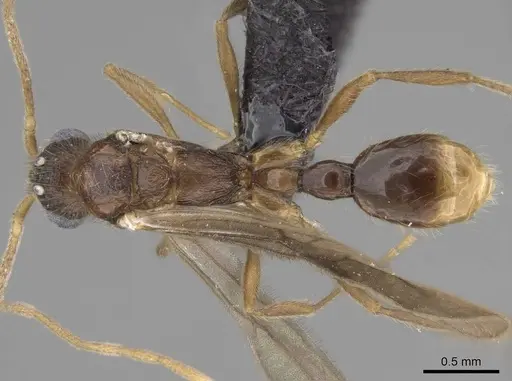
CASENT0056395
View on AntWeb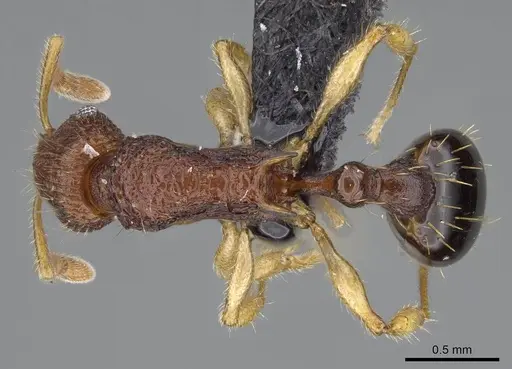
CASENT0073539
View on AntWeb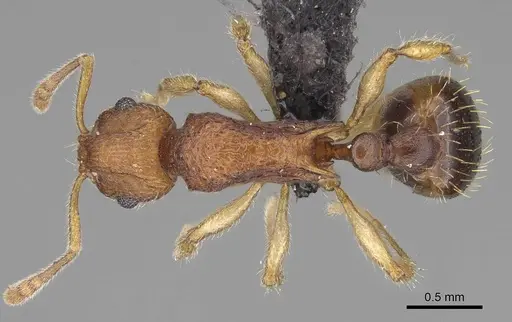
CASENT0192038
View on AntWeb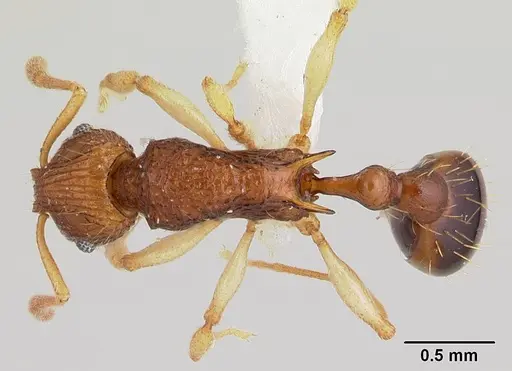
Literature
Loading distribution map...Loading products...