
Turneria pacifica
- Sci. Name
- Turneria pacifica
- Tribe
- Leptomyrmecini
- Subfamily
- Dolichoderinae
- Author
- Mann, 1919
- Distribution
- Found in 1 countries
Introduction
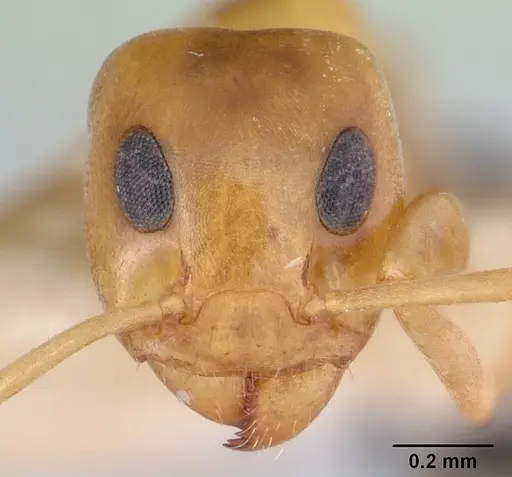
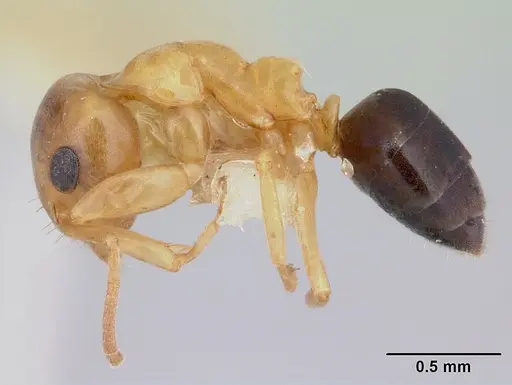
Turneria pacifica is a small arboreal ant native to the Solomon Islands and Vanuatu. Workers are bicolored with a yellowish to reddish head and body and a dark brown to black gaster . This species is one of the dominant ants in lowland rainforests on Espiritu Santo, where it nests in trees and shrubs . Queens are similarly bicolored with yellow-red heads and alitrunk but dark gasters . As a Dolichoderine ant, they lack a functional stinger. Their primary defense is secreting a chemical compound from a slit-like opening at the tip of the abdomen, which can cause mild irritation. Exact body sizes are not recorded in the literature, but all castes are small.
Quick Summary
- Difficulty: Medium
- Origin & Habitat: Solomon Islands and Vanuatu in lowland tropical rainforests. These ants are arboreal, meaning they live in trees and shrubs rather than on the ground [2][3].
- Colony Type: Colony structure is unconfirmed, no research has documented whether they form single-queen or multi-queen colonies.
- Size & Growth:
- Queen: Size data unavailable, no body length recorded in the literature.
- Worker: Size data unavailable, workers are small.
- Colony: Unknown, no colony size data available
- Growth: Unknown, no data available
- Development: Estimated 6-10 weeks based on typical Dolichoderine development at tropical temperatures. No direct data exists for this species. (Development likely depends on stable warm conditions.)
- Antkeeping:
- Temperature: 24-28°C, these are lowland tropical ants requiring warm, stable conditions. Use a small heating cable on one side of the nest to create a gentle gradient [2].
- Humidity: High humidity, keep the nest substrate consistently moist but not waterlogged. Good ventilation is important to prevent mold [1].
- Diapause: No, being a tropical species from near the equator, they do not require hibernation. Maintain warm conditions year-round.
- Nesting: Arboreal nester, in captivity they do well in Y-tong (AAC) nests or plaster nests with narrow chambers suited for their small size. Provide climbing structures and vertical space [1].
- Behavior: Generally peaceful and not aggressive toward keepers. As tiny arboreal ants, they are excellent climbers and will explore vertical surfaces readily. Their small size means escape prevention must be excellent, they can squeeze through remarkably small gaps. They lack a functional stinger and instead produce a chemical defense that causes mild irritation. They likely accept sugar water and small protein prey.
- Common Issues: escape prevention is critical due to very small size, use fine mesh and tight-fitting lids, tropical humidity requirements can lead to mold if ventilation is poor, no captive breeding data means colony establishment may be challenging, wild-caught colonies may carry parasites specific to their native range, limited knowledge of exact dietary preferences
Housing and Nest Setup
Turneria pacifica is an arboreal species that naturally nests in trees and shrubs. In captivity, they do well in Y-tong (AAC) nests or plaster nests designed for small tropical species. The chambers should be appropriately scaled to their tiny worker size, narrow passages and small chambers help them feel secure [1]. Provide some vertical climbing space and fake plants or twigs for them to explore, as they would naturally traverse vegetation in the wild [2]. Test tubes can work for founding colonies but may need to be upgraded as the colony grows. Escape prevention must be excellent, these tiny ants can squeeze through gaps you wouldn't believe possible.
Feeding and Diet
Like most Dolichoderine ants, Turneria pacifica likely has an omnivorous diet. In the wild, they probably feed on honeydew from aphids and scale insects along with small insects [1]. In captivity, offer sugar water or diluted honey regularly as a constant energy source. For protein, small soft-bodied prey like fruit flies, pinhead crickets, or small mealworms work well. Feed protein 2-3 times per week, removing any uneaten prey after 24 hours. Being arboreal, they may be more active foragers than ground-nesting species, place food where they can easily access it. Start with small amounts and observe what they consume, adjusting based on colony appetite.
Temperature and Humidity
These are lowland tropical ants from the Solomon Islands, so they need warm and humid conditions year-round. Keep the nest area at 24-28°C (75-82°F), stable temperatures in this range support healthy brood development [2]. A small heating cable placed on one side of the nest can create a gentle thermal gradient, allowing ants to regulate their own temperature by moving between warmer and cooler areas. Humidity should be high, keep the nest substrate consistently moist but never waterlogged. If you see standing water or condensation pooling, reduce moisture. Mist the outworld occasionally and ensure good ventilation to prevent mold.
Behavior and Temperament
Turneria pacifica is a peaceful species that poses no real danger to keepers. As a Dolichoderine ant, they lack a functional stinger. Their primary defense is secreting a chemical compound from the tip of the abdomen, which can cause mild irritation if handled. Workers are tiny but active, and being arboreal, they are excellent climbers who will readily explore vertical surfaces. They don't tend to be aggressive or territorial toward humans [2]. The main behavioral concern for keepers is their small size making them prone to escapes, inspect your setup regularly and use fine mesh on any ventilation holes.
Colony Establishment
Establishing a Turneria pacifica colony in captivity presents some challenges since there is no documented captive breeding data for this species. If you obtain a founding queen, keep her in a small setup with high humidity and stable warmth. The first workers (nanitics) will be very small and may take 6-10 weeks to emerge based on typical Dolichoderine development. Wild-caught colonies may face challenges including parasites specific to their native range and stress from collection and transport. Start with a small colony or founding queen and be patient, growth rates are unknown. Monitor for signs of stress or decline and adjust conditions gradually if needed. [1]
Frequently Asked Questions
How long does it take for Turneria pacifica to raise first workers?
Based on typical Dolichoderine development at tropical temperatures, expect 6-10 weeks from egg to first worker. No specific development data exists for this species, so this is an estimate.
What size nest do Turneria pacifica need?
Start with a small setup for founding colonies (test tube or small Y-tong). As the colony grows, upgrade to appropriately larger housing. They prefer vertical space due to their arboreal nature.
Are Turneria pacifica good for beginners?
This species is rated as medium difficulty. While not aggressive, the lack of captive breeding data and specific care requirements make it better suited for keepers with some experience.
What do Turneria pacifica eat?
They likely accept sugar sources (honey water, sugar water) and small protein prey (fruit flies, small insects). Offer sugar continuously and protein 2-3 times weekly.
Do Turneria pacifica need hibernation?
No, being a tropical species from the Solomon Islands near the equator, they do not require hibernation or winter cooling. Keep them warm year-round.
How big do Turneria pacifica colonies get?
Colony size data is not available. Being one of the dominant arboreal ants in their range suggests they can form substantial colonies, but exact numbers are unknown.
Why are my Turneria pacifica escaping?
Their very small size means they can squeeze through tiny gaps. Use fine mesh on all ventilation, ensure lids fit tightly, and check for any cracks or seams in your setup regularly.
Can I keep multiple Turneria pacifica queens together?
Unknown, no research documents whether this species is monogyne (single queen) or polygyne (multiple queens). Combining unrelated queens is not recommended without documented success.
What temperature is best for Turneria pacifica?
Keep them at 24-28°C (75-82°F). These lowland tropical ants need warm, stable conditions year-round to thrive.
Report an Issue
The current care sheet is based fully on literature. See inconsistencies, or something that's incorrect? Please , it will be resolved after review from an admin. Contributing to the blogs tab also helps providing information, to make us be able to further improve the caresheets. Thank you for your support!
References

This caresheet is licensed under CC BY-SA 4.0 .
Community Blogs
CASENT0006113
View on AntWeb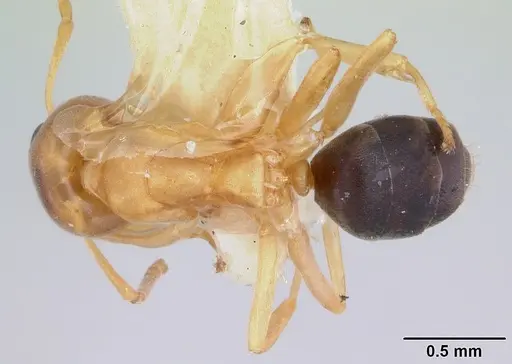
Literature
Loading distribution map...Loading products...