
Smith's Fungus-farming Ant
Trachymyrmex smithi
- Sci. Name
- Trachymyrmex smithi
- Tribe
- Attini
- Subfamily
- Myrmicinae
- Author
- Buren, 1944
- Common Name
- Smith's Fungus-farming Ant
- Distribution
- Found in 2 countries
Introduction
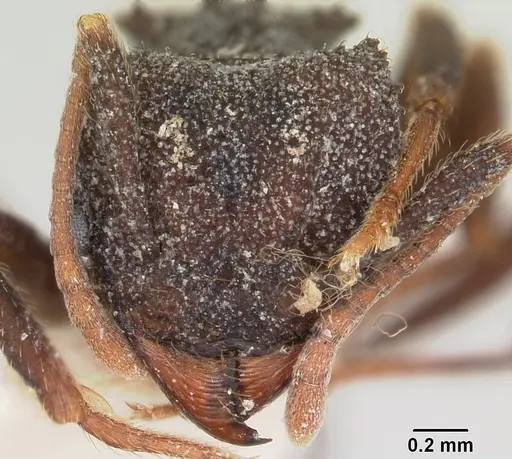
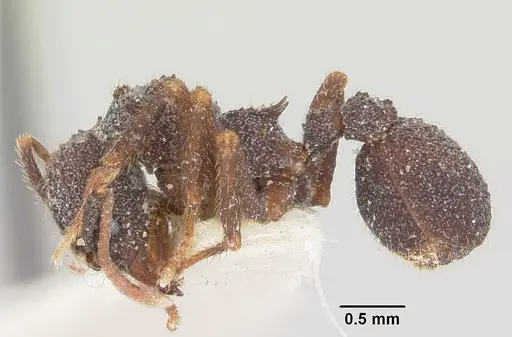
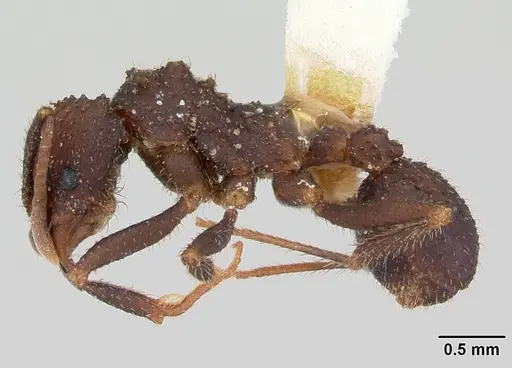
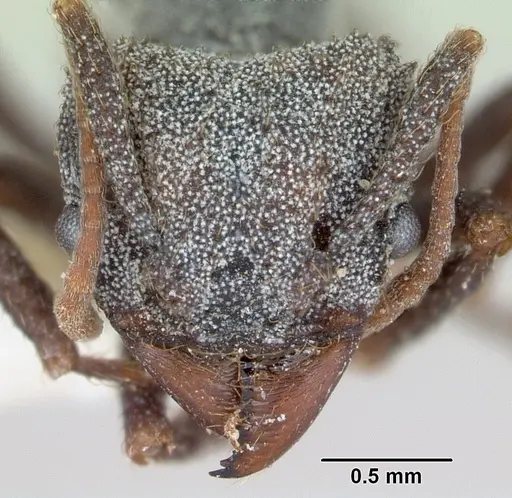
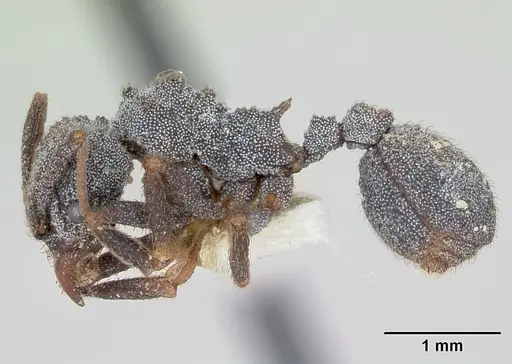
Trachymyrmex smithi is a large, dark-colored fungus-gardening ant native to the Chihuahuan Desert of southwest Texas, south-central New Mexico, and northern Mexico . Workers have a distinctive trapezoidal head that is always broader than long, with a coarse, sandpaperlike body surface and color varying from grayish black to dark reddish-brown . This species is one of the 'higher attine' ants that cultivate a fungal food source underground, feeding it primarily with mesquite leaf material . Colonies can become quite large, with documented nests containing up to 786 workers and 6 queens, and estimates of over 1200 workers in established colonies .
Quick Summary
- Difficulty: Medium
- Origin & Habitat: Chihuahuan Desert, southwest Texas, south-central New Mexico, and Mexican states of Chihuahua and Coahuila, at elevations of 1100-1500 m [1]. Inhabits creosote bush bajadas (alluvial fans), mesquite/Yucca grassland playas (dry lakebeds), and mesquite coppice dune habitats [1]. Nests are typically in the shade of creosote bush or Mormon tea (Ephedra trifurca) [1].
- Colony Type: Multi-queen colonies, documented with up to 6 dealate (wingless, reproductive) queens in a single nest [1]. This species is polygynous, meaning multiple queens coexist in established colonies.
- Size & Growth:
- Queen: size data unavailable (morphological measurements known but not total body length) [1]
- Worker: size data unavailable (morphological measurements known but not total body length) [1]
- Colony: Up to 1250+ workers in mature colonies [1]
- Growth: Moderate, fungus cultivation adds time to development compared to non-fungus-growing ants
- Development: Estimated 8-12 weeks at optimal temperature based on related higher attine species [3] (Fungus-growing ants typically have slightly longer development times due to the need to establish the fungal cultivar. Exact development timeline for Trachymyrmex smithi specifically has not been documented.)
- Antkeeping:
- Temperature: Warm conditions preferred, as a desert species it forages at night to avoid extreme daytime soil temperatures exceeding 50°C [1]. Keep the nest area at 24-28°C during the active season with a slight gradient.
- Humidity: Moderate, desert species but requires moisture for fungus garden maintenance. Keep the nest substrate consistently moist but not waterlogged. The fungus needs damp conditions to grow properly.
- Diapause: Yes, colony activity decreases from November through May, and fungus gardens are moved to deeper nest chambers during winter [1]. Provide a cool period around 15-18°C during winter months to simulate natural conditions.
- Nesting: Deep nests required, in the wild, colonies have 20-30 chambers extending 130-180 cm deep [1]. Summer fungus gardens are maintained at 25-130 cm depth [1]. In captivity, provide the deepest nesting area practical, at minimum 10-15 cm of vertical depth with multiple chambers. Y-tong (AAC) or plaster nests with a water reservoir work well.
- Behavior: Somewhat aggressive when disturbed and will defend the colony and fungus gardens [4]. Forages mostly at night during summer months to avoid extreme heat [1]. Workers have a stinger (typical of Myrmicinae ants) and can deliver a mild sting, though their primary response is alarm pheromone release and biting. Escape risk is moderate, standard formicarium precautions are sufficient for ants of this size.
- Common Issues: Fungus garden collapse is the primary risk, if the fungus dies, the colony will not survive. Never let the fungus dry out or become contaminated., Deep nesting requirement makes this species challenging for beginners, standard shallow nests are inadequate., Winter dormancy is essential, colonies that are kept warm year-round may decline due to disruption of the fungus garden cycle., Desert species but needs moisture, balance humidity carefully to prevent mold while maintaining fungus health., If keeping multiple queens, introduce them gradually only after the colony is well-established to avoid conflict.
Fungus Garden Care
Trachymyrmex smithi is a fungus-gardening ant that cultivates Leucoagaricus gongylophorus (a Clade-B fungus) as its food source [2][5]. Unlike most ants that feed directly on sugar or protein, these ants feed their fungus with plant material, primarily mesquite leaflets in the wild, and then consume the specialized fungal structures called gongylidia [1]. In captivity, you must provide suitable substrate for the fungus to grow on, typically fresh plant material such as oak leaves, bramble leaves, or other deciduous leaf litter. The fungus requires consistent moisture and moderate temperatures to thrive. Never allow the fungus garden to dry out completely, and avoid contaminating it with mold. If the fungus garden turns black or slimy, it is dying and the colony will likely perish [1]. The fungus garden is the heart of the colony, without it, the ants cannot survive.
Feeding and Diet
This species does not typically accept conventional ant foods like honey water or protein-based feeders. Instead, they require fresh plant material to feed their fungus garden [1]. Offer small pieces of fresh leaves (oak, bramble, rose, and similar deciduous leaves work well) regularly. The ants will macerate the leaves and incorporate them into the fungus garden. The fungus then produces gongylidia that the ants consume [1]. Fresh leaves should be provided every few days during active growth periods. Avoid dried or wilted leaves, and remove any material that becomes moldy. Some keepers report success supplementing with very small amounts of honey water, but this is not their natural diet and acceptance varies.
Temperature and Seasonal Care
As a Chihuahuan Desert species, Trachymyrmex smithi prefers warm conditions but has adapted to avoid extreme heat by foraging at night when soil temperatures can exceed 50°C [1]. Keep the nest area at 24-28°C during the active season (roughly April through October). During winter (November through May), colony activity decreases significantly and the fungus garden is moved to deeper chambers [1]. Provide a cooler period around 15-18°C during winter to simulate natural conditions. This winter rest is essential for colony health, keeping them warm year-round can disrupt their natural cycle and lead to colony decline. The seasonal movement of fungus gardens between shallow and deep chambers is a key part of their biology [1].
Nest Requirements and Housing
Trachymyrmex smithi requires significantly deeper nesting space than most ant species. Wild colonies have 20-30 chambers extending 130-180 cm deep [1]. In captivity, provide the deepest nest practical, at minimum 10-15 cm of vertical depth with multiple chambers. Y-tong (AAC) nests or custom deep plaster setups work well. The nest should have a humidifier section or water reservoir to maintain moisture for the fungus garden. Summer fungus gardens are maintained at 25-130 cm depth in the wild [1], so provide a gradient of humidity within the nest. Include an outworld for foraging that can be kept slightly cooler and drier.
Colony Structure and Multi-Queen Dynamics
Trachymyrmex smithi is one of the more polygynous Trachymyrmex species, with documented colonies containing up to 6 dealate (wingless, reproductive) queens [1]. This means established colonies can be quite large and productive. However, if you are starting with a founding colony (single queen), do not immediately add additional queens, introduce them gradually only after the colony is well-established and the fungus garden is thriving. The presence of multiple queens appears to help with colony growth and resilience. Wild colonies can reach over 1200 workers [1], making this one of the larger North American Trachymyrmex species.
Defense and Temperament
When disturbed, Trachymyrmex smithi can be somewhat aggressive and will attempt to defend their colony and fungus gardens [4]. Workers have a stinger (typical of Myrmicinae ants) and may use it if threatened, though their primary response is typically alarm pheromone release and biting. The sting is not considered dangerous to humans but can be irritating. When working with this species, move slowly and avoid disturbing the nest directly. Provide a deep outworld with plenty of foraging space to reduce nest disturbance from vibrations.
Frequently Asked Questions
What do Trachymyrmex smithi ants eat?
Trachymyrmex smithi is a fungus-gardening ant that does not eat conventional ant foods. They cultivate Leucoagaricus gongylophorus (a Clade-B fungus) [2][5] and feed it fresh plant material like oak or bramble leaves [1]. The ants consume the gongylidia (specialized fungal structures) that the fungus produces. You must provide fresh leaf material regularly, do not offer honey water or protein feeders as primary food.
How long does it take for Trachymyrmex smithi to develop from egg to worker?
Exact development time for Trachymyrmex smithi has not been documented, but based on related higher attine species, expect approximately 8-12 weeks from egg to first worker at optimal temperature (around 26°C) [3]. Fungus-growing ants typically have slightly longer development times than non-fungus-growing species because the queen must establish the fungal cultivar while raising the first brood.
Do Trachymyrmex smithi ants need hibernation?
Yes, they require a winter rest period. In the wild, colony activity decreases from November through May and the fungus garden is moved to deeper nest chambers during winter [1]. Provide a cooler period around 15-18°C during these months. This seasonal cycle is essential for colony health.
Can I keep multiple Trachymyrmex smithi queens together?
Yes, Trachymyrmex smithi is a polygynous (multi-queen) species with documented colonies containing up to 6 reproductive queens [1]. However, if starting with a single founding queen, do not add additional queens until the colony is well-established (at least 50+ workers) and the fungus garden is thriving. Introduce any additional queens gradually.
How big do Trachymyrmex smithi colonies get?
Trachymyrmex smithi is one of the larger Trachymyrmex species in North America. Wild colonies can reach over 1200 workers, with documented nests of 786 workers and 6 queens [1]. With proper care, captive colonies can potentially reach similar sizes over several years.
What nest type is best for Trachymyrmex smithi?
Trachymyrmex smithi requires deep nesting space, wild colonies have chambers extending 130-180 cm deep [1]. Use the deepest nest available, such as a deep Y-tong (AAC) setup or custom deep plaster formicarium. The nest must also maintain consistent humidity for the fungus garden to thrive. Standard shallow nests are inadequate for this species.
Are Trachymyrmex smithi good for beginners?
Trachymyrmex smithi is a medium-difficulty species. While not the most challenging fungus-growing ant, they require specific care: deep nesting space, consistent humidity for the fungus garden, fresh plant material for feeding, and a proper winter rest period [1]. The fungus garden is essential, if it dies, the colony dies. This is more challenging than keeping typical ants that accept conventional foods.
Why is my Trachymyrmex smithi colony declining?
The most common cause is fungus garden collapse. The fungus requires consistent moisture (not wetness), moderate temperatures (24-28°C), and fresh plant material. If the fungus turns black, slimy, or dries out, the colony will decline [1]. Other causes include improper winter temperatures (they need a cool period), insufficient depth for the nest, or mold contamination from overwatering.
When should I move Trachymyrmex smithi to a formicarium?
Wait until the colony is well-established with at least 100-200 workers and a healthy, robust fungus garden. Moving too early can disrupt the founding process. Ensure your formicarium provides adequate depth (at least 10-15 cm) and humidity control. Test tube colonies can be moved once they outgrow the tube and the fungus garden is substantial [1].
Report an Issue
The current care sheet is based fully on literature. See inconsistencies, or something that's incorrect? Please , it will be resolved after review from an admin. Contributing to the blogs tab also helps providing information, to make us be able to further improve the caresheets. Thank you for your support!
References

This caresheet is licensed under CC BY-SA 4.0 .
Community Blogs
CASENT0103160
View on AntWeb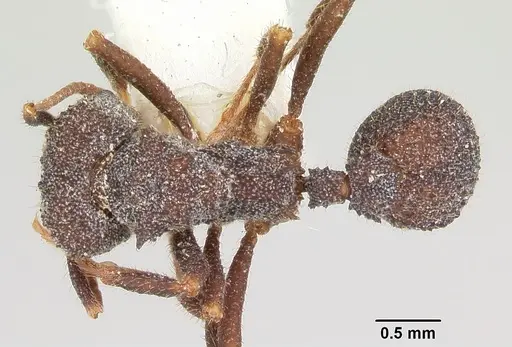
CASENT0105871
View on AntWeb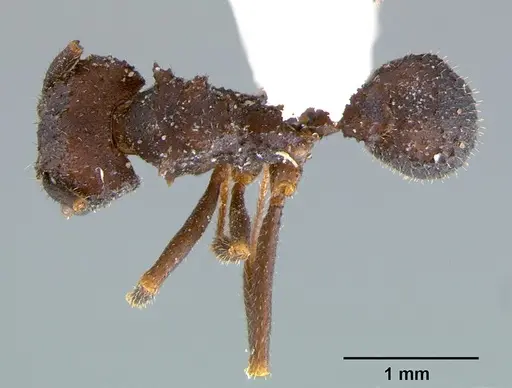
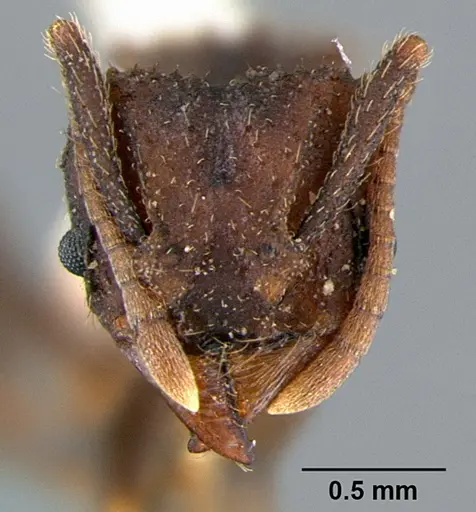
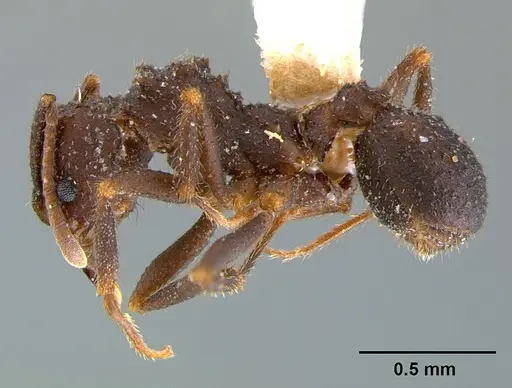
CASENT0172997
View on AntWeb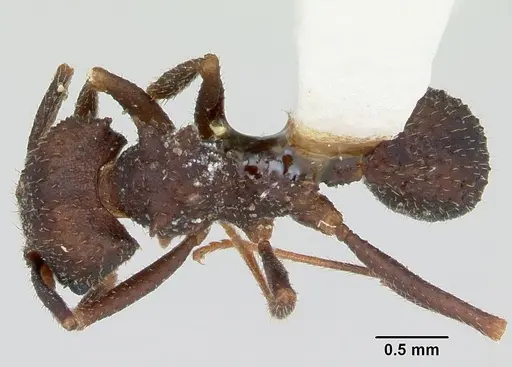
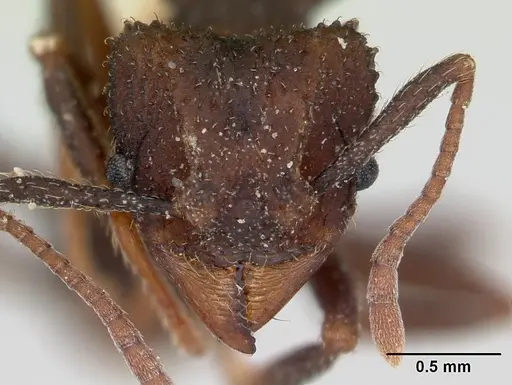
CASENT0172998
View on AntWeb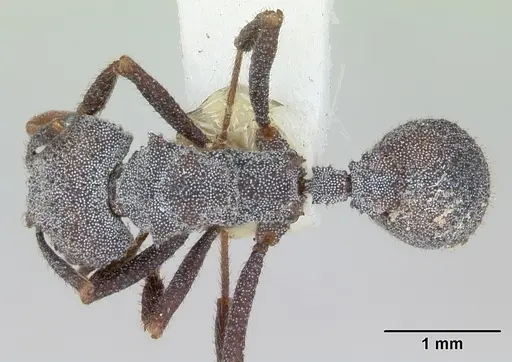
CASENT0901696
View on AntWeb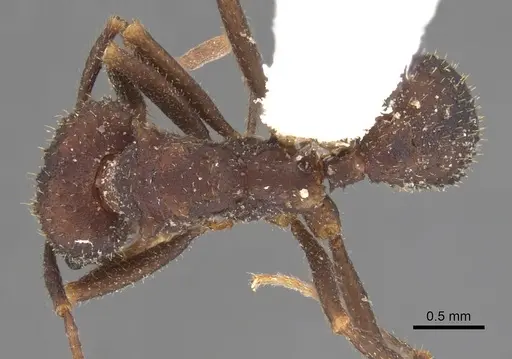
FMNHINS0000062761
View on AntWeb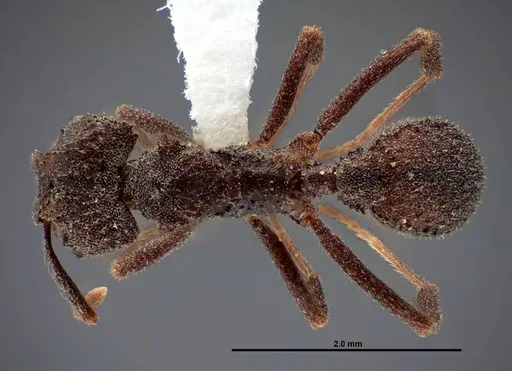
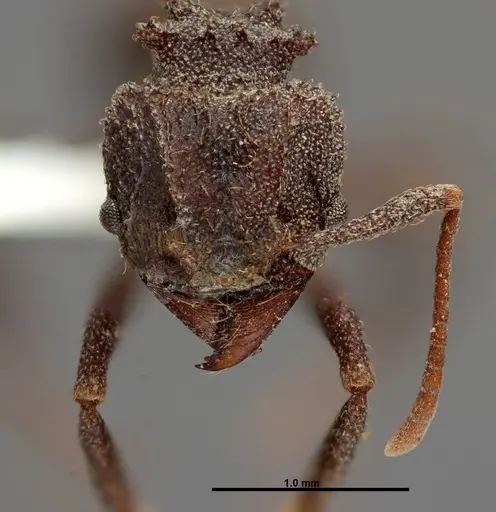
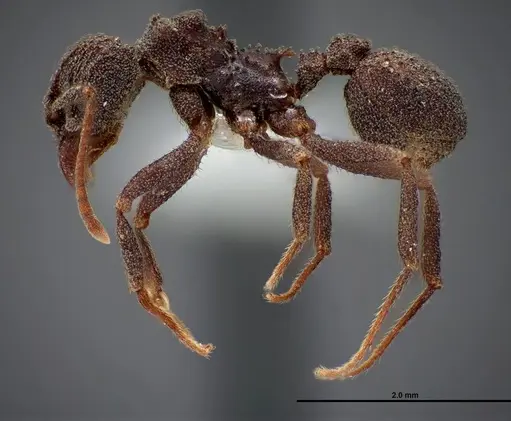
Literature
Loading distribution map...Loading products...