
Trachymyrmex pomonae
- Sci. Name
- Trachymyrmex pomonae
- Tribe
- Attini
- Subfamily
- Myrmicinae
- Author
- Rabeling & Cover, 2007
- Distribution
- Found in 2 countries
Introduction
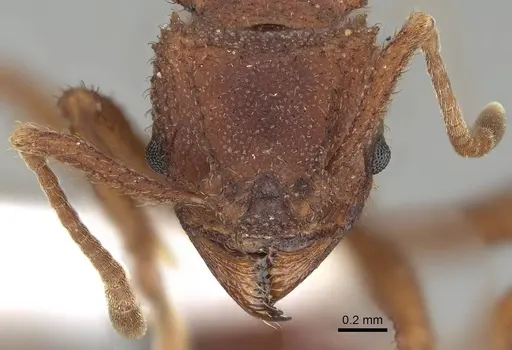
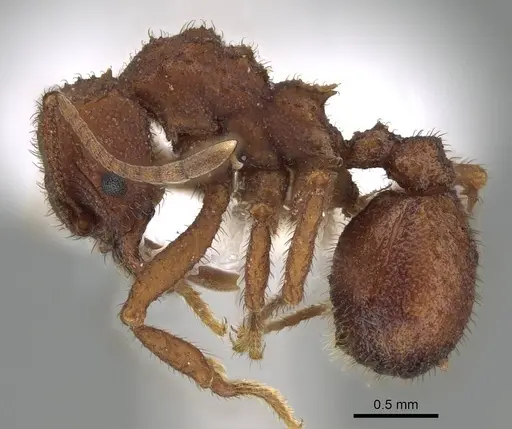
Trachymyrmex pomonae is the smallest Trachymyrmex species found in the United States . Workers are medium reddish-brown, with notably asymmetric frontal lobes that set them apart from related species like Trachymyrmex desertorum . They were described in 2007 and named after Pomona, the Roman goddess of fruit trees, because their fungus-cultivating behavior is like a sophisticated form of 'pomology' . Found only in southern Arizona and northern Sonora, Mexico, these ants live in mountainous open woodlands at elevations of 1200-1700 m, sharing habitat with Emory oaks, Gray oaks, pinyon pine, and juniper . Unlike many ants, Trachymyrmex pomonae are fungus farmers - they cultivate underground gardens that they feed with vegetable debris and caterpillar feces collected during daily forays through leaf litter .
Quick Summary
- Difficulty: Medium
- Origin & Habitat: Southern Arizona (Cochise and Santa Cruz Counties) and Sonora, Mexico, in open oak‑juniper‑pinyon woodland at 1200-1700 m elevation [1].
- Colony Type: Multiple queens per colony have been found in the wild, the largest observed colony had 2 dealate queens along with 183 workers [1]. This suggests a polygynous (multiple‑queen) social structure.
- Size & Growth:
- Queen: Total length unknown, head length is 0.95-1.05 mm [1]. Body size is estimated to be roughly 5-6 mm, based on related Trachymyrmex species.
- Worker: Total length unknown, head length is 0.75-0.95 mm [1]. Body size is estimated to be roughly 3-4 mm, based on related Trachymyrmex species.
- Colony: Up to 183 workers in wild colonies [1].
- Growth: Slow, fungus cultivation adds time to development.
- Development: Unknown, no data available for this species. (Because they rely on a fungal cultivar, the colony's growth is tied to the health of the fungus garden, which slows overall development.)
- Antkeeping:
- Temperature: Keep at moderate room temperatures, roughly 22-26 °C. They come from mid‑elevation mountain woodlands, so avoid temperatures above 30 °C. Provide a gradient so ants can choose their preferred zone.
- Humidity: Moderate, keep the nest substrate consistently moist but not waterlogged. Use a moisture gradient: wet one side more than the other. In the wild, nests are in rocky soil at 5-40 cm depth, which buffers humidity [1].
- Diapause: Likely required, but not confirmed. Their temperate habitat suggests a winter cooling period. If you choose to provide diapause, reduce temperatures to around 15-18 °C for 2-3 months during winter.
- Nesting: Naturalistic setup works best. In the wild, they dig 1-3 fungus chambers in very rocky soil, with gardens suspended from the ceilings [1]. Use a deep container (at least 10-15 cm) filled with a rocky/gritty mixture of soil, sand, and small gravel. Y‑tong or plaster nests with deep chambers can work if humidity is well controlled. Provide a spacious outworld for foraging.
- Behavior: Diurnal foragers that actively search leaf litter for vegetable debris and caterpillar feces to feed their fungus garden [1]. Workers are small but persistent. They are not aggressive and rarely sting. Escape prevention is critical due to their tiny size, use fluon on container edges and fine mesh on ventilation.
- Common Issues: fungus garden collapse is the primary killer of captive colonies, maintain strict hygiene and avoid contaminating the garden [3]., tiny size means excellent escape prevention is essential, standard barriers often fail., overheating quickly kills these ants, they come from moderate mountain elevations, not hot deserts., improper humidity causes fungus death, too dry and the garden shrivels, too wet and harmful bacteria overtake it, leading to dysbiosis [3]., wild colonies are small (max ~183 workers), don't expect large colonies like some Myrmica or Camponotus.
Housing and Nest Setup
Trachymyrmex pomonae requires a naturalistic approach to thrive. In the wild, they excavate 1-3 fungus chambers in very rocky soil, with gardens suspended from chamber ceilings at depths of 5-40 cm [1]. For captivity, use a deep container (at least 10-15 cm deep) filled with a rocky/gritty substrate mixture that holds moisture without becoming waterlogged. A mix of soil, sand, and small gravel works well. The key is providing enough depth for the fungus garden to develop properly. Test tube setups are generally too shallow for long‑term success with this species. If using a formicarium, choose one with deep chambers and ensure excellent humidity control. Always provide an outworld for foraging, these ants actively forage in leaf litter and need space to search for plant material and caterpillar feces to feed their garden [1]. Escape prevention is critical due to their tiny size, use fluon on container edges and fine mesh on any ventilation.
The Fungus Garden - Critical Care
This is the most important aspect of keeping Trachymyrmex pomonae. These ants are obligate fungus farmers, they cannot survive without maintaining a healthy fungal cultivar. In the wild, they feed their garden vegetable debris and caterpillar feces [1]. In captivity, you must provide appropriate fungal substrate. Offer small pieces of fresh leaves, flower petals, and other plant material. Some keepers also offer small amounts of caterpillar frass if available. The fungus will grow as white, thread‑like structures. NEVER introduce chemicals, moldy food, or contaminated materials near the fungus garden, bacterial dysbiosis can collapse the entire colony [3]. Research on related fungus‑growing ants shows that when fungus gardens become dysbiotic (unhealthy bacterial communities), they collapse and the colony dies [3]. Keep the garden moist but aerated, and remove any moldy food promptly. Trachymyrmex pomonae is known to associate with Clade‑B fungi [4][5].
Feeding and Nutrition
Trachymyrmex pomonae is a specialized fungus farmer, they don't eat the food directly, they feed it to their fungal cultivar. The ants collect vegetable debris and caterpillar feces in the wild to nourish their gardens [1]. In captivity, provide small, fresh pieces of leaves, flower petals, grass clippings, and other soft plant material. Remove any uneaten plant material before it molds. While they are fungus farmers, offering a small amount of diluted honey water or sugar water occasionally may help, but the primary food must be plant material for the fungus. Do not feed them insects directly, that's not their natural diet. The fungal garden is their sole food source, so your job is to feed the fungus, not the ants directly.
Temperature and Seasonal Care
As a species from mid‑elevation mountain woodlands (1200-1700 m), Trachymyrmex pomonae prefers moderate temperatures around 22-26 °C. Avoid high temperatures, they are not desert ants and overheating can be fatal. Their natural habitat in the Chiricahua and Patagonia mountains features oak‑juniper‑pinyon woodland with relatively mild temperatures [1]. During winter, they likely require a diapause period given their temperate distribution. Reduce temperatures to around 15-18 °C for 2-3 months in winter to simulate natural seasonal cycles. This helps maintain colony health and may trigger reproductive behavior. Monitor colony activity, if they become sluggish, temperatures may be too low, if they avoid the nest area, it may be too warm.
Humidity and Water
Trachymyrmex pomonae nests in very rocky soil at significant depth (5-40 cm), which provides some natural moisture buffering [1]. Keep the substrate consistently moist but never waterlogged. The fungus garden requires moisture to grow, too dry and it shrivels and dies, too wet and harmful bacteria can overtake it, causing dysbiosis and colony collapse [3]. Provide a moisture gradient by wetting one end of the nesting area more than the other, allowing ants to regulate their own humidity. Use a water reservoir or regular light misting to maintain moisture. Good ventilation is also important to prevent stagnant air, which promotes harmful mold growth.
Colony Structure and Reproduction
Trachymyrmex pomonae forms polygynous colonies with multiple queens, the largest wild colony had 2 dealate (wingless, egg‑laying) queens along with 183 workers [1]. This is unusual compared to many ant species that have single queens. Multiple queens likely help the colony grow faster and survive queen loss. Nuptial flights have not been directly observed, but winged queens and males were found from 9-25 August in multiple years, suggesting that mating occurs during the monsoon season (July-September) after heavy rainfall softens the clayey soil [1]. Males are found at nest entrances while winged queens walk on the ground during this time. If you keep a mature colony, you may observe winged reproductives in late summer. Colony growth is slow due to fungus cultivation requirements, don't expect rapid expansion like non‑fungus‑growing ants.
Behavior and Foraging
Workers forage diurnally (during the day) through leaf litter, actively searching for vegetable debris and caterpillar feces to bring back to the fungus garden [1]. They are not aggressive and rarely sting. Their small size (head length under 1 mm) makes them inconspicuous in the wild, nest entrances are minute and craters are only about 5 cm in diameter or absent entirely [1]. In captivity, provide a spacious outworld with leaf litter or other foraging material. They are active foragers but their small size means they can't carry large items. Watch for them to emerge and search the outworld during daylight hours, this is their natural foraging pattern.
Frequently Asked Questions
Can I keep Trachymyrmex pomonae in a test tube?
Test tubes are not ideal for Trachymyrmex pomonae. These ants excavate deep fungus chambers (5-40 cm in the wild) and need significant substrate depth for their garden to develop properly [1]. Use a naturalistic setup with deep, rocky soil substrate instead.
How long does it take for Trachymyrmex pomonae to produce first workers?
No data is available for this species. Development is likely slow due to fungus cultivation, but exact timing is unknown.
What do Trachymyrmex pomonae eat?
They are fungus farmers, they don't eat food directly. They feed plant material (leaves, flower petals, vegetable debris, caterpillar feces) to their fungal garden, then eat the fungus itself [1]. Provide small fresh plant pieces and remove them before they mold.
Are Trachymyrmex pomonae good for beginners?
No, they are considered medium difficulty. The critical requirement is maintaining a healthy fungus garden, which is challenging and can collapse if proper hygiene is not maintained [3]. They also require specific humidity control and escape prevention due to their tiny size. Start with easier species like Lasius or Messor before attempting Trachymyrmex.
Do Trachymyrmex pomonae need hibernation?
Yes, a winter diapause is likely required. They inhabit temperate mountain woodlands in Arizona at elevations of 1200-1700 m, where temperatures drop significantly in winter [1]. If you choose to provide diapause, reduce temperatures to around 15-18 °C for 2-3 months during winter.
Why is my Trachymyrmex pomonae colony dying?
The most common cause is fungus garden collapse. This happens when the garden becomes dysbiotic (develops harmful bacterial communities) due to contamination, improper humidity, or mold [3]. Always use clean materials, maintain proper moisture (not too wet, not too dry), and remove moldy food immediately. Overheating can also kill them quickly.
How big do Trachymyrmex pomonae colonies get?
Wild colonies reach up to 183 workers [1]. This is relatively small compared to many ant species. Don't expect massive colonies, they remain modest in size even when established.
Can I keep multiple queens together?
Yes, Trachymyrmex pomonae is polygynous, meaning colonies naturally have multiple queens. The largest wild colony had 2 dealate queens [1]. Multiple queens likely help the colony grow and provide insurance against queen loss.
What makes Trachymyrmex pomonae different from other ants?
They are fungus farmers, one of only a few ant groups that cultivate their own food. They grow fungal gardens underground and feed them collected plant material [1]. This mutualistic relationship is fascinating but requires more careful husbandry than typical ants.
Report an Issue
The current care sheet is based fully on literature. See inconsistencies, or something that's incorrect? Please , it will be resolved after review from an admin. Contributing to the blogs tab also helps providing information, to make us be able to further improve the caresheets. Thank you for your support!
References

This caresheet is licensed under CC BY-SA 4.0 .
Community Blogs
CASENT0919977
View on AntWeb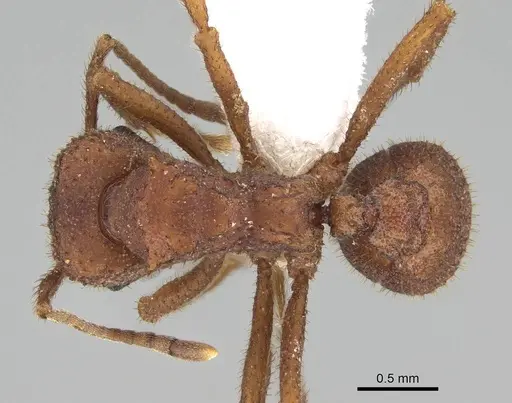
Literature
Loading distribution map...Loading products...