
Trachymyrmex carinatus
- Sci. Name
- Trachymyrmex carinatus
- Tribe
- Attini
- Subfamily
- Myrmicinae
- Author
- Mackay & MacKay, 1997
- Distribution
- Found in 2 countries
Introduction
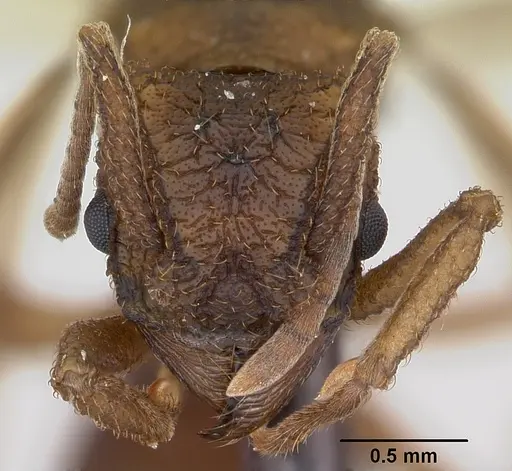
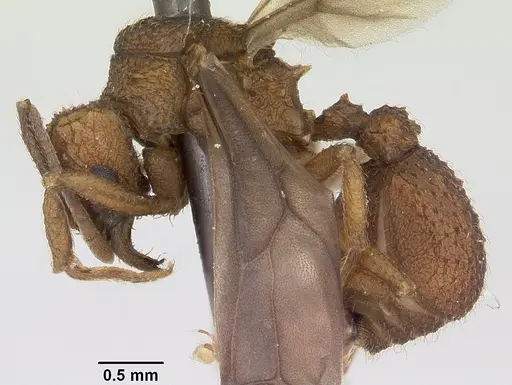
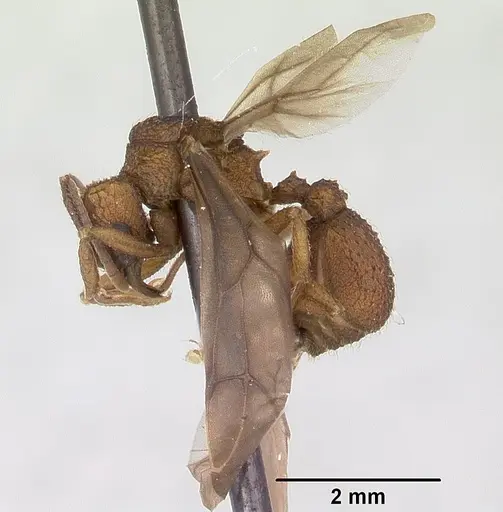
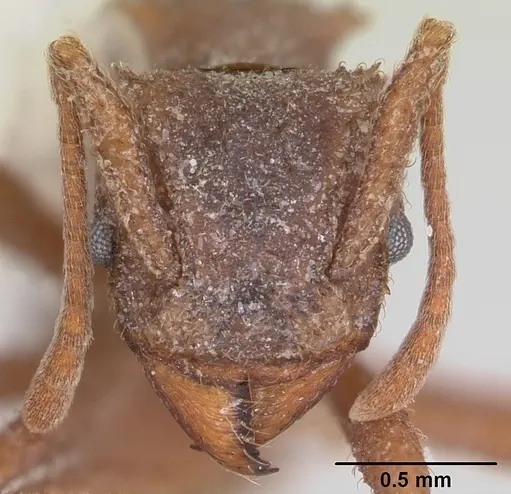
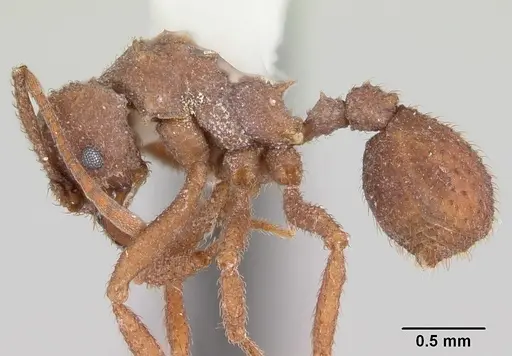
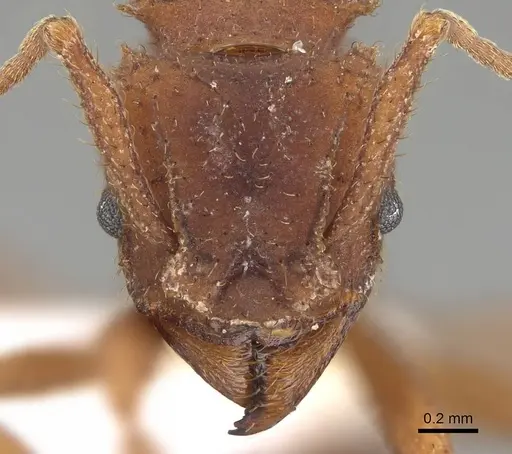
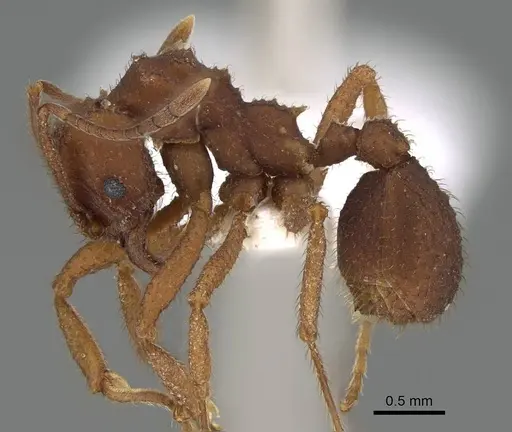
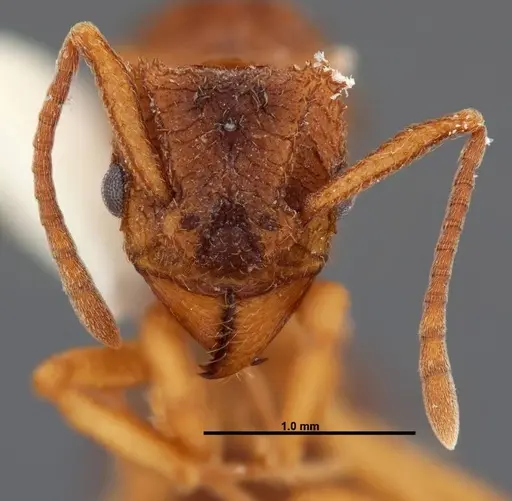
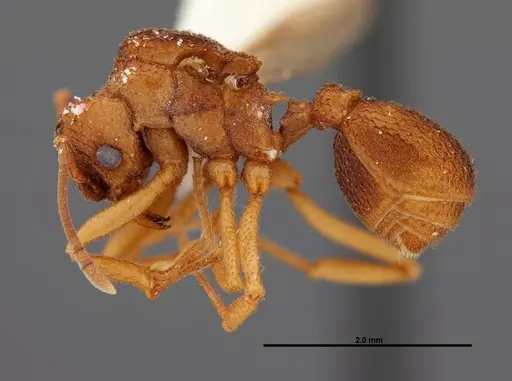
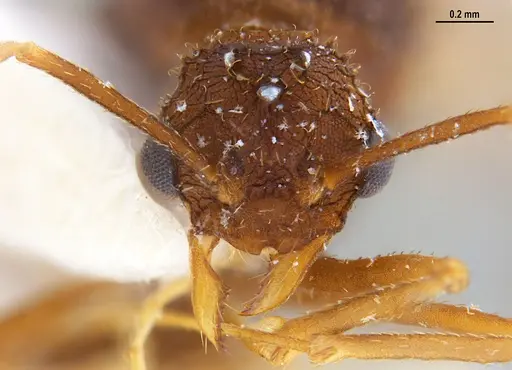
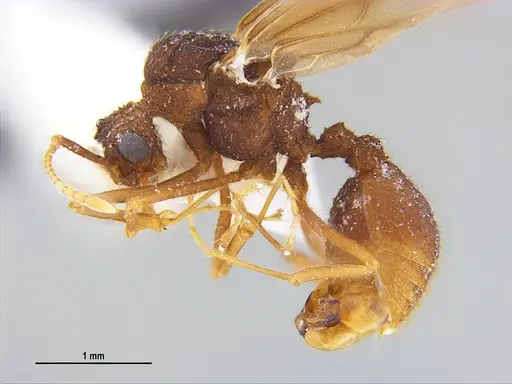
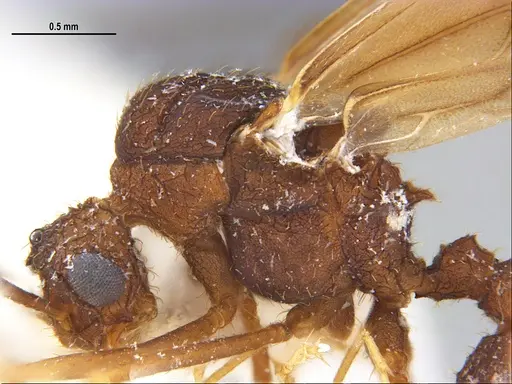
Trachymyrmex carinatus is a small fungus-farming ant native to the American Southwest and northern Mexico. Its head has well-developed ridges (preocular carinae) that nearly touch the frontal carinae, and the first segment of the abdomen (gastric tergite) is coarsely bumpy (tuberculate). Color ranges from brownish to yellow to medium reddish-brown . The species nests in open ground, creating circular nest craters, or occasionally under stones, at elevations of 800-1800 m . Unlike leafcutter ants, they don’t cut leaves but instead cultivate a specialized fungus for food by feeding it organic debris .
Quick Summary
- Difficulty: Medium
- Origin & Habitat: Central and southern Arizona, western New Mexico, and the Mexican states of Sonora, Chihuahua, and Coahuila. Found mainly in mid‑elevation habitats (800-1800 m) in oak‑juniper‑pinyon woodlands and open exposed areas like washes and roadsides [1][2].
- Colony Type: Unknown, likely single‑queen (monogyne) based on typical Trachymyrmex patterns. Colonies are small, with fewer than 100 workers [1].
- Size & Growth:
- Queen: Body size data unavailable (head length range is 1.1-1.25 mm, but total length not reported) [1]
- Worker: Body size data unavailable (head length range is 0.8-1.0 mm, but total length not reported) [1]
- Colony: Fewer than 100 workers [1]
- Growth: Slow
- Development: Unknown, related Trachymyrmex species take several weeks to months (Development time is unconfirmed for this species.)
- Antkeeping:
- Temperature: Keep at roughly 20-25 °C. These ants come from warm temperate to subtropical arid regions and prefer moderate temperatures. Avoid prolonged exposure below 18 °C or above 30 °C
- Humidity: Keep the nest substrate moderately moist but not waterlogged. Provide a moisture gradient so the ants can choose their preferred level. In the wild they nest in soil that can dry out between rains
- Diapause: Based on its temperate geographic range, this species likely needs a winter dormancy period. Keep at 10-15 °C for 2-3 months during winter. This is inferred, no specific studies confirm diapause requirements.
- Nesting: Ground‑nesting species that excavates chambers. Use a naturalistic setup with a soil substrate or a plaster nest with chambers. Avoid acrylic nests. Provide enough depth for 1-3 fungus chambers, in the wild the shallowest chamber is about 5 cm below the surface [1].
- Behavior: Peaceful and non‑aggressive. They are fungus farmers and cultivate Clade‑B fungi [4]. Workers are small and slow‑moving. They possess a functional stinger but do not use it aggressively and it is not medically significant. Escape risk is moderate due to small size, use a fine mesh if needed.
- Common Issues: fungus garden death is critical, the colony depends entirely on its fungal cultivar, if the fungus dies the colony starves., small colony size means slow population growth, don’t expect rapid expansion., winter diapause may be necessary but is unconfirmed, skip it as a last resort only., very small workers (body size, nest flooding is a risk in small test‑tube setups, use a controlled water reservoir.
Fungus Garden Care
Trachymyrmex carinatus belongs to the group of ‘higher‑attine’ fungus‑farming ants that cultivate Clade‑B fungi for food [4]. Unlike leafcutter ants that cut fresh vegetation, these ants feed their fungus dead organic matter. In captivity, you must maintain a healthy fungal garden. The fungus appears as a white, cottony mass in the nest chambers. Keep it moist but not waterlogged, if it turns dark or slimy, it’s too wet, if it turns brown and dry, it’s too dry. Feed the colony small pieces of dead leaves, grass, or other plant matter, which the ants will process to feed their fungus. Avoid offering protein foods like insects or sugar water, they may contaminate the fungus garden. The colony’s sole food source is the fungus [3].
Feeding and Diet
As obligate fungus farmers, Trachymyrmex carinatus does not eat typical ant foods. Their entire nutrition comes from the fungal cultivar [3]. Provide small pieces of dead plant material, dried leaves, grass clippings, flower petals, or small bits of wood. Place this near the nest entrance, workers will carry it into the fungus garden. Remove any uneaten material after a few days to prevent mold. The amount needed is small given the colony’s tiny size. Do not offer insects, honey, or other high‑protein foods, as they can harm the fungus and the ants cannot digest them.
Temperature and Seasonal Care
Keep the nest area at roughly 20-25 °C. These ants come from warm, arid regions where temperatures fluctuate between hot days and cool nights. They can tolerate brief periods outside this range, but prolonged cold or heat will harm the colony. During winter (roughly November-February in the Northern Hemisphere), reduce temperature to 10-15 °C to simulate hibernation. This winter dormancy is inferred to be important for colony health, though not confirmed in studies. Do not feed during hibernation, keep them cool and quiet. Resume normal care in spring [1].
Nesting Setup
Trachymyrmex carinatus is a ground‑nesting species that excavates 1-3 fungus garden chambers in soil, with the shallowest chamber typically only 5 cm beneath the surface [1]. In captivity, a naturalistic setup with a soil‑filled container works well. Use a mixture of sandy soil and clay to allow excavation while maintaining structure. Alternatively, a plaster nest with narrow chambers can be used. Avoid acrylic nests. Keep the nest dark, these ants prefer dark, humid chambers for their fungus. A small water reservoir connected to the nest helps maintain humidity without flooding.
Behavior and Colony Dynamics
This is a peaceful, slow‑moving ant species. Colonies remain small, typically with fewer than 100 workers [1]. Workers are tiny (body length data unavailable, head length under 1 mm) and spend most of their time tending the fungus garden. Mating flights occur near dawn on mornings following summer rains [1]. The colony structure is simple: one queen, workers, brood, and the fungal cultivar. There are no specialized soldier or major workers. Because colonies stay small, they are best for observation rather than impressive display. They are not aggressive and stings are medically insignificant.
Frequently Asked Questions
Can I keep Trachymyrmex carinatus in a test tube?
Test tubes can work temporarily for a small founding colony, but these ants need space for their fungus garden. Plan to move them to a larger naturalistic setup once the colony has about 20-30 workers. The fungus needs room to grow.
What do Trachymyrmex carinatus eat?
They eat only their fungal cultivar, not typical ant foods. Provide small pieces of dead plant material like dried leaves, grass, or flower petals. The ants process this to feed their fungus, which is their sole food source [3]. Never offer sugar, honey, or insects.
How long does it take for the first workers to emerge?
The exact development time is unconfirmed for this species. Based on related Trachymyrmex species, expect several weeks to months from egg to first worker at optimal temperatures (around 24 °C). The queen will tend the fungus garden while raising the first brood.
How big do Trachymyrmex carinatus colonies get?
Colonies remain small, typically fewer than 100 workers even when mature [1]. This is much smaller than many common ant species and reflects their specialized fungus‑farming lifestyle.
Do Trachymyrmex carinatus need hibernation?
Based on their temperate range, they likely require a winter dormancy period. Keep the colony at 10-15 °C for 2-3 months during winter. Do not feed during this period. This is inferred, specific studies are lacking.
Are Trachymyrmex carinatus good for beginners?
This is a medium‑difficulty species. The main challenge is maintaining a healthy fungus garden, if the fungus dies, the colony starves. They are more demanding than simple sugar‑feeding ants but less complex than leafcutters. Expect slow growth and small colonies. If you’re interested in ant agriculture and willing to learn their specific needs, they are rewarding.
Why is my fungus turning brown?
A brown, dry fungus indicates the nest is too dry. Mist lightly or add a small water source to increase humidity. The fungus should be white and cottony. If it turns dark or slimy, the nest is too wet, allow it to dry slightly. Finding the right moisture balance is key.
Can I keep multiple queens together?
It is likely monogyne, so housing multiple queens together is not recommended, they would probably fight. Only one queen per colony.
When do mating flights occur?
Mating flights occur near dawn on mornings following summer rains [1]. In captivity, you may see winged reproductives (alates) around times that simulate their natural habitat conditions.
Report an Issue
The current care sheet is based fully on literature. See inconsistencies, or something that's incorrect? Please , it will be resolved after review from an admin. Contributing to the blogs tab also helps providing information, to make us be able to further improve the caresheets. Thank you for your support!
References

This caresheet is licensed under CC BY-SA 4.0 .
Community Blogs
CASENT0103158
View on AntWeb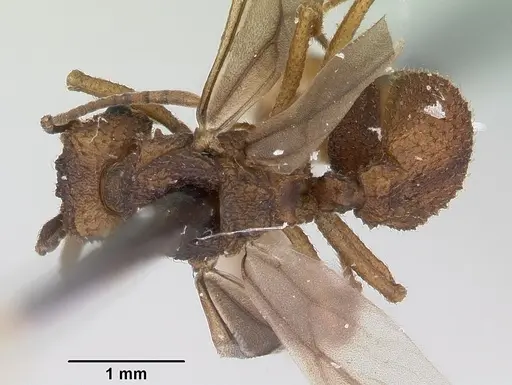
CASENT0103159
View on AntWeb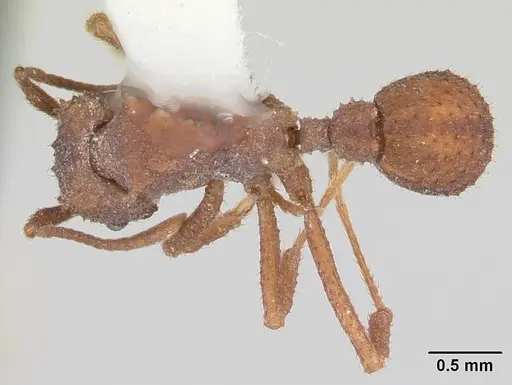
CASENT0919976
View on AntWeb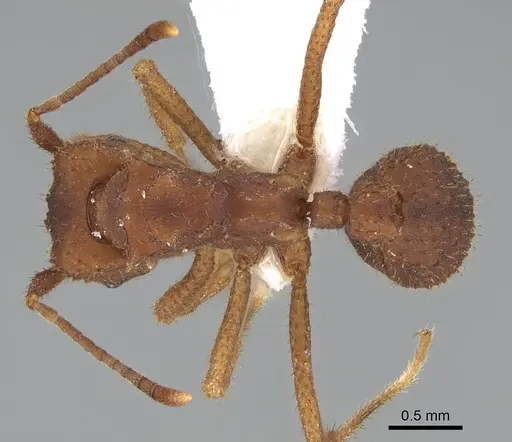
FMNHINS0000046964
View on AntWeb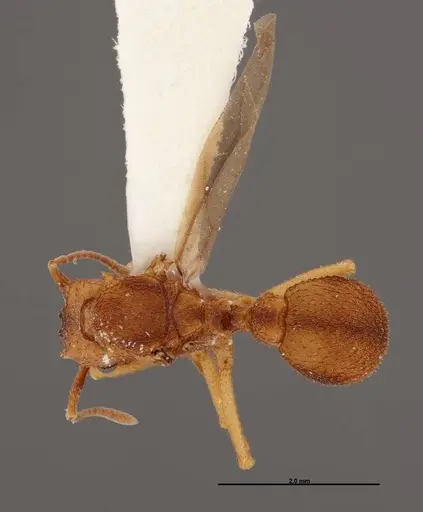
MZSPHYM0135906
View on AntWeb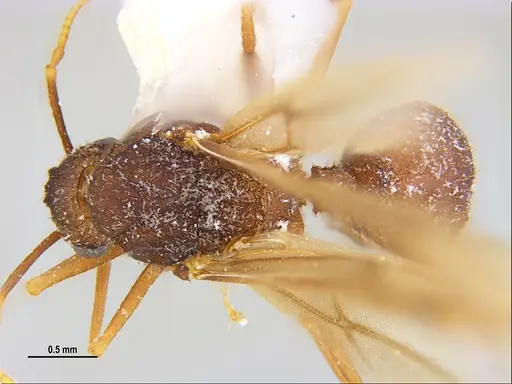
Literature
Loading distribution map...Loading products...