
Savanna Black Tree Ant
Tetraponera punctulata
- Sci. Name
- Tetraponera punctulata
- Tribe
- Pseudomyrmecini
- Subfamily
- Pseudomyrmecinae
- Author
- Smith, 1877
- Common Name
- Savanna Black Tree Ant
- Distribution
- Found in 2 countries
Introduction
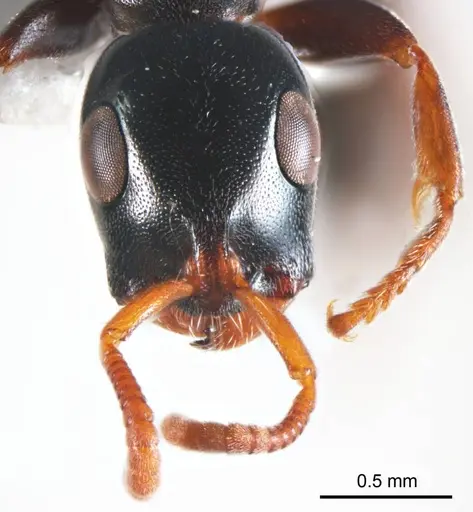
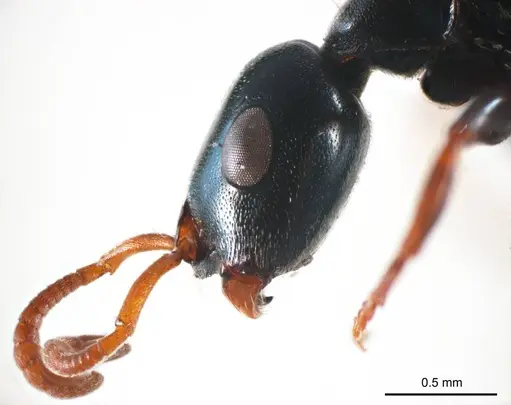
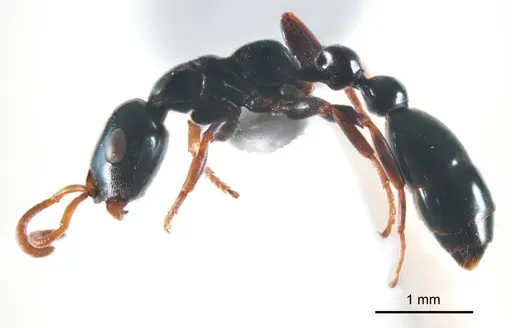
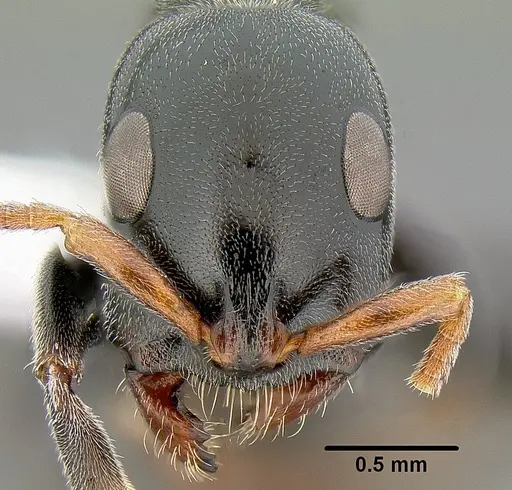
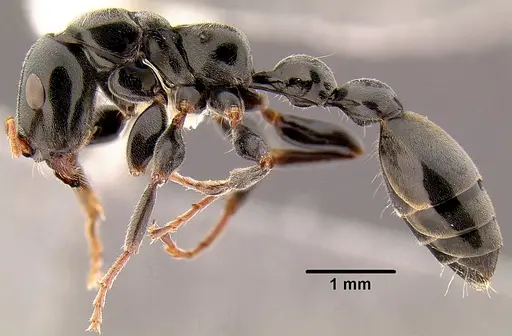
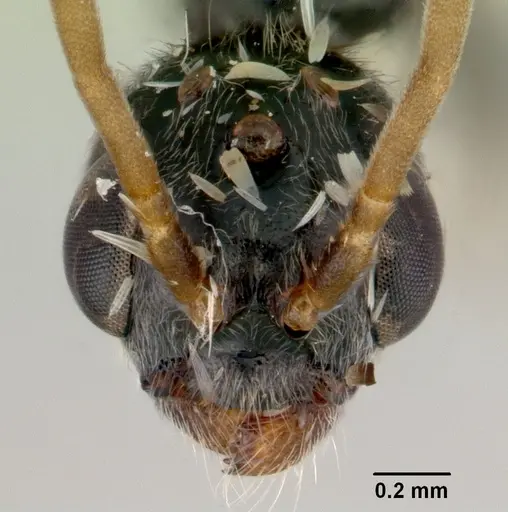
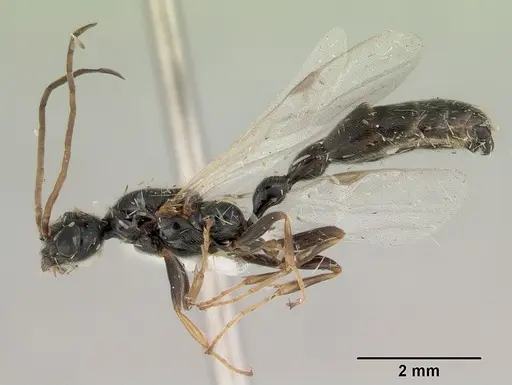
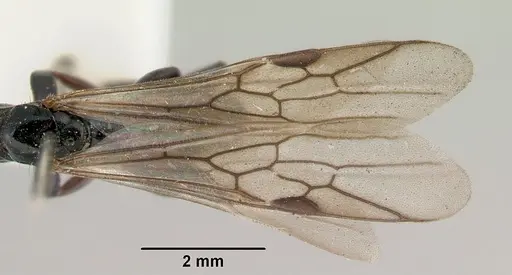
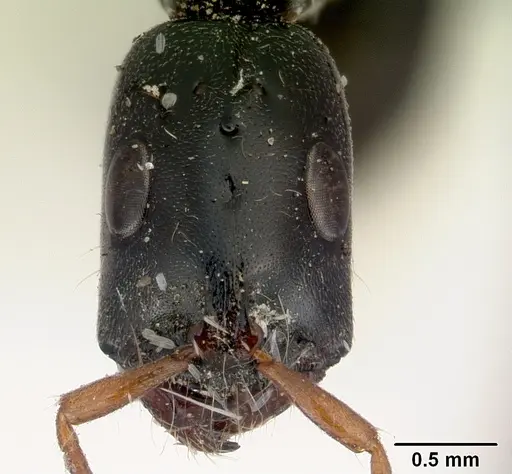
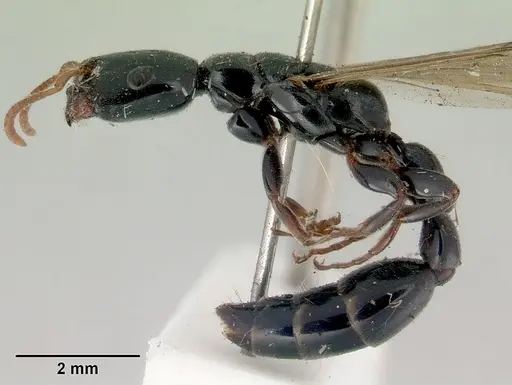
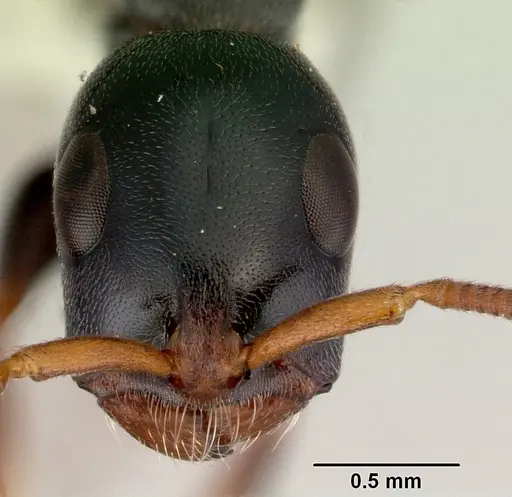
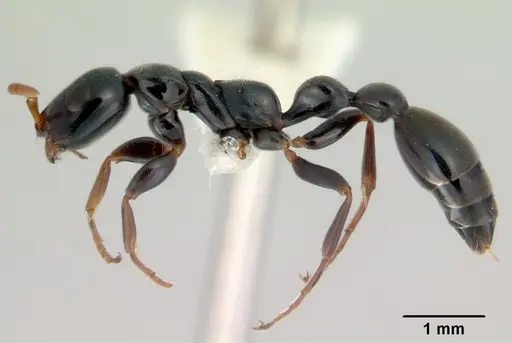
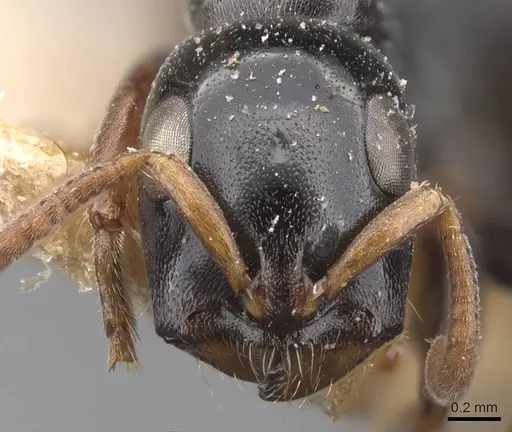
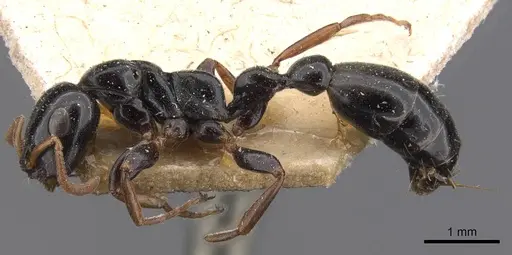
Tetraponera punctulata is an arboreal ant native to Australia and southern Papua New Guinea . It is most common in Eucalyptus woodland and open forest, but it also lives in mangroves, rainforest, and even urban parkland . The body is black to dark brownish-black, with lighter-colored mandibles, antennae, and tarsi that can be medium-brown to yellowish-brown. These ants have an unusually long, thin outline that makes them easy to spot in the field . They nest in dead tree branches, especially eucalypts, and often take over old beetle or moth larvae tunnels . An interesting part of their biology is that they tend scale insects (Coccoidea) inside the nest for their honeydew .
Quick Summary
- Difficulty: Medium
- Origin & Habitat: Australia and southern Papua New Guinea [1]. Found across most of Australia except the far south and some arid interior areas [1]. They prefer Eucalyptus woodland but also occur in riparian woodland, mangrove, monsoon gully forest, rainforest, gallery rainforest, and urban parkland [1].
- Colony Type: Single-queen colonies based on field observations [4]. Found in dead branches of eucalypts and other trees.
- Size & Growth:
- Queen: Size data unavailable, no total length measurements published.
- Worker: Size data unavailable, no total length measurements published. Body is notably long and thin [1].
- Colony: Up to 11 workers in wild nests [4].
- Growth: Moderate, inferred from related Pseudomyrmecinae
- Development: Estimated 6-8 weeks based on related species [5] (Development time has not been directly studied for this species.)
- Antkeeping:
- Temperature: Keep warm at 24-28°C. These are tropical and subtropical ants from monsoonal Australia, so they do best with steady warmth [2][1]. Room temperature (20-24°C) is on the cool side for them.
- Humidity: Keep the nest substrate moderately damp but not soggy. Their natural dead-branch homes can hold some moisture but also need good airflow to prevent rot. Aim for nest material that feels slightly moist to the touch without water pooling [4].
- Diapause: No, these ants come from monsoonal Australia and Papua New Guinea where winters are mild. Keep them warm year-round [2].
- Nesting: Arboreal nesting specialist. Provide sections of dead hardwood branches, cork nests, or Y-tong/plaster nests with narrow chambers that mimic the twig cavities they use in the wild [3][1]. They naturally take over beetle-bored tunnels in dead wood [3].
- Behavior: Workers are active foragers that patrol tree trunks and branches [1]. They are not especially aggressive but will defend their nest if disturbed. Being Pseudomyrmecinae, they have a functional sting. They are excellent climbers, so your setup needs tight barriers. Their habit of tending scale insects for honeydew is a key part of their biology [1][3]. Escape risk is high due to their small size.
- Common Issues: colonies stay very small (under a dozen workers in the wild) and are easily stressed by disturbance [4], arboreal nature means they need vertical space and climbing structures, horizontal test tubes alone do not work, tending scale insects is part of their natural diet, they need a steady sugar source in captivity, workers are tiny enough to escape through standard barrier setups, limited captive breeding experience means care recommendations are mostly based on wild observations
Housing and Nest Setup
Tetraponera punctulata is an arboreal ant that nests in dead tree branches, especially eucalypts [1]. In captivity, you want to recreate that tree-dwelling habitat. Cork nests or nests made from Y-tong with narrow chambers work well, since these ants prefer tight spaces like the twig cavities they use in the wild [3]. You can also use sections of dead hardwood branches or bamboo that have been hollowed out, they naturally move into old beetle-bored tunnels [3]. Because they are arboreal, you need climbing structures like twigs or mesh so workers can move vertically. A foraging area with a small branch or even a live plant fits their natural style. Keep the nest moderately damp but allow some drying between waterings, their tree hollows do not stay constantly wet [4].
Feeding and Diet
In the wild, Tetraponera punctulata tends scale insects (Coccoidea) and feeds on the honeydew they produce [1][3]. They also catch small insects. In captivity, give them a varied diet. Provide sugar water or honey as a substitute for honeydew, and offer small live prey like fruit flies, pinhead crickets, or small mealworms. Some keepers experiment with keeping small colonies of scale insects on suitable host plants, but that is advanced. Offer protein prey 2 to 3 times per week and keep a sugar source available all the time. Remove uneaten prey after 24 to 48 hours to stop mold growing in the humid nest.
Temperature and Seasonal Care
Tetraponera punctulata comes from monsoonal Australia and Papua New Guinea, so it prefers warm temperatures in the 24 to 28°C range [2][1]. Northern Australia stays warm all year, so these ants likely do not need a true hibernation period. Room temperature (20 to 24°C) is a bit cool for them, you may want to use a gentle heating cable on one side of the nest. If workers seem slow or inactive, raise the temperature gradually. Avoid keeping them below 20°C for more than a short time.
Colony Dynamics and Growth
Tetraponera punctulata colonies are very small compared to many common ant species. A study in northern Australia found wild nests had only 1 to 11 workers, and some nests had a founding queen alone without any brood or scale insects [4]. This means you should not expect a big population explosion. Growth is probably moderate, it could take several months to a year to reach even 10 or so workers under good conditions. Be patient and avoid disturbing the colony often. Small colonies are more easily stressed by vibrations and light changes [4].
Behavior and Handling
Tetraponera punctulata workers are active foragers that patrol tree trunks and branches in the wild [1]. They are not very aggressive but will defend their nest if they feel threatened. Like other Pseudomyrmecinae, they have functional stingers and good vision, they notice movement outside their enclosure. They are excellent climbers, so you need tight-fitting barriers on your setup. When you work with the colony, move slowly and avoid sudden vibrations. These ants are better for watching than handling. They also tend and protect scale insects in the nest, which is interesting to observe [1][3].
Frequently Asked Questions
How long does it take for Tetraponera punctulata to produce first workers?
The exact development time is not known for this species. Based on related Pseudomyrmecinae ants, you can expect about 6 to 8 weeks from egg to worker at around 26°C [5]. Remember that these colonies grow slowly, so be patient.
Can I keep Tetraponera punctulata in a test tube setup?
A test tube can work for a founding queen, but these arboreal ants prefer tighter, more enclosed spaces than soil-nesting ants. A cork nest or a Y-tong nest with narrow chambers will better match their natural twig-nesting habit [3].
Do Tetraponera punctulata ants sting?
Yes, like other Pseudomyrmecinae, they have a functional stinger. They are not typically aggressive toward keepers but may sting if handled roughly or if their nest is threatened. The sting is not dangerous to most people but may cause mild, temporary irritation.
How big do Tetraponera punctulata colonies get?
Colonies stay small. In the wild, nests typically contain only 1 to 11 workers, and even well-kept captive colonies probably will not grow much beyond that [4]. Do not expect the large colonies you see with Lasius or Camponotus.
Do Tetraponera punctulata need hibernation?
No, these ants come from monsoonal Australia and Papua New Guinea where the winters are mild [2]. They do not need a diapause period. Keep them at warm temperatures year-round (24 to 28°C).
What do Tetraponera punctulata eat?
They eat both sugar and protein. In the wild, they tend scale insects for honeydew and also catch small insects [1]. In captivity, give them sugar water or honey along with small live prey like fruit flies or small crickets. Keep a sugar source available at all times.
Are Tetraponera punctulata good for beginners?
This species is medium difficulty. Their small colony size and specific arboreal nesting needs make them less straightforward than common beginner species like Lasius niger. They need more patience and a more specialized setup. Not recommended as a first ant, but doable for someone with some experience.
Why are my Tetraponera punctulata dying?
Common causes include: temperature too cold (below 20°C), too much moisture causing mold, stress from frequent disturbance, or lack of sugar in their diet [1][4]. Also check for escapes, their small size lets them slip through standard barriers. Make sure the nest has some airflow to prevent stagnant, moldy conditions.
Can I keep multiple Tetraponera punctulata queens together?
No, field observations show this is a single-queen species [4]. Unrelated queens will fight. Keep only one queen per colony.
When should I move Tetraponera punctulata to a formicarium?
Wait until the queen has 5 to 8 workers and the founding chamber starts to feel crowded. If workers are spending a lot of time exploring beyond the founding tube, that is a sign they need more space. Make sure the new setup has small chambers and good humidity.
Report an Issue
The current care sheet is based fully on literature. See inconsistencies, or something that's incorrect? Please , it will be resolved after review from an admin. Contributing to the blogs tab also helps providing information, to make us be able to further improve the caresheets. Thank you for your support!
References

This caresheet is licensed under CC BY-SA 4.0 .
Community Blogs
ANTWEB1008728
View on AntWeb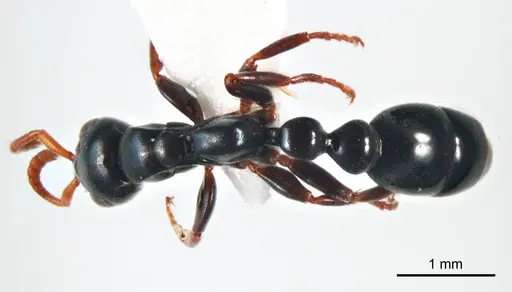
CASENT0106098
View on AntWeb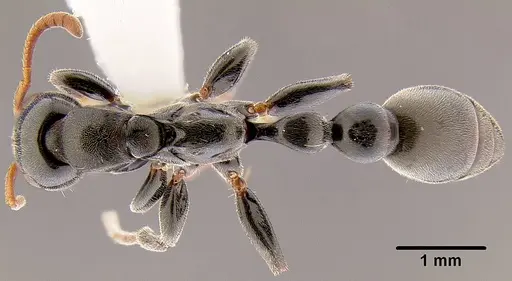
CASENT0172000
View on AntWeb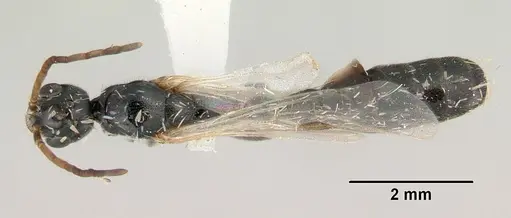
CASENT0172001
View on AntWeb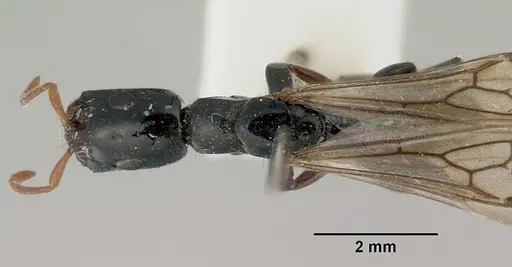
CASENT0172004
View on AntWeb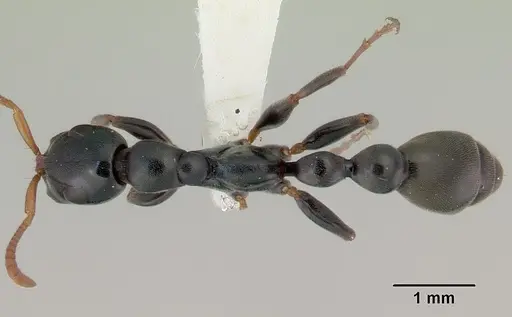
CASENT0907468
View on AntWeb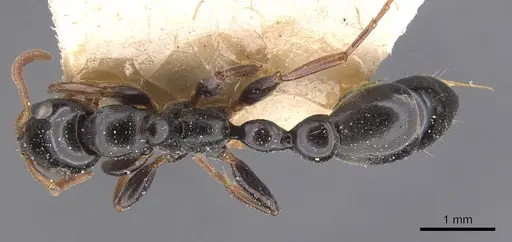
Literature
Loading distribution map...Loading products...