
Natal Slender Ant
Tetraponera natalensis
- Sci. Name
- Tetraponera natalensis
- Tribe
- Pseudomyrmecini
- Subfamily
- Pseudomyrmecinae
- Author
- Smith, 1858
- Common Name
- Natal Slender Ant
- Distribution
- Found in 9 countries
Introduction
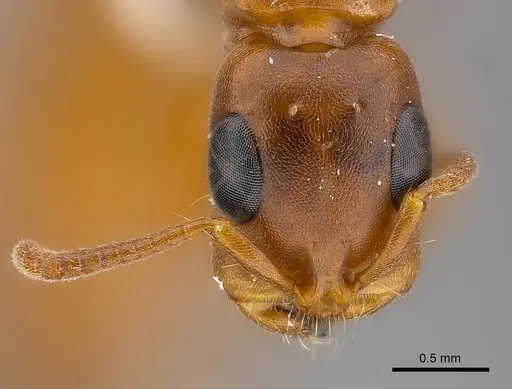
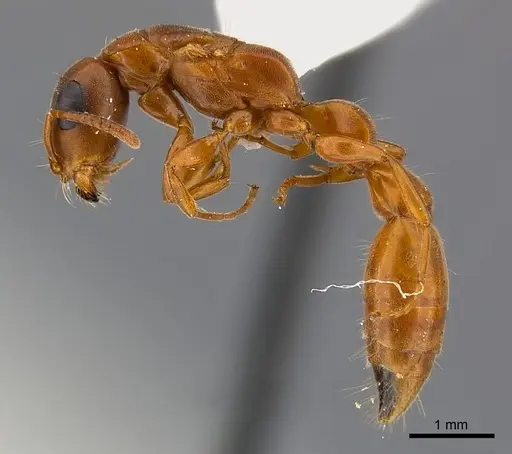
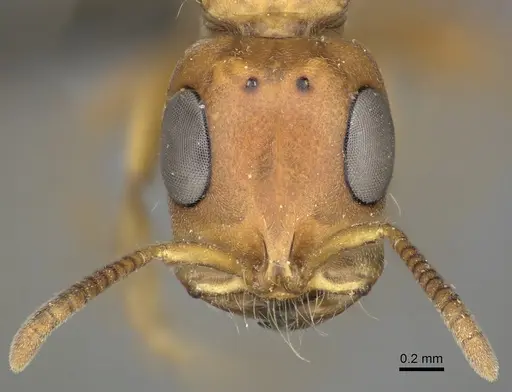
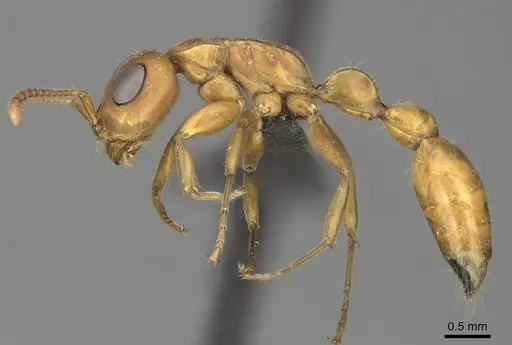
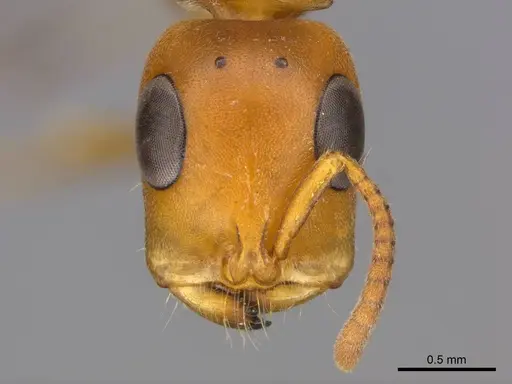
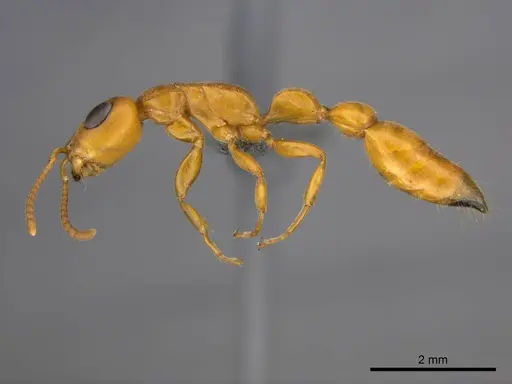
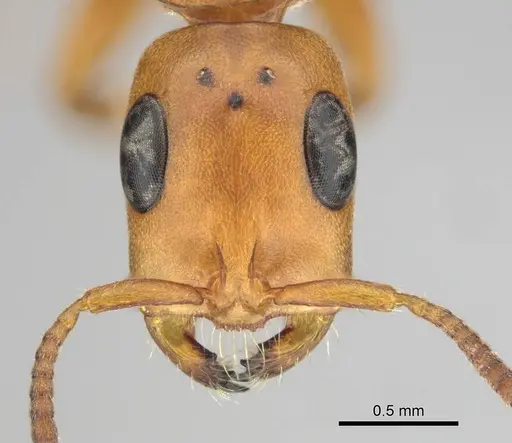
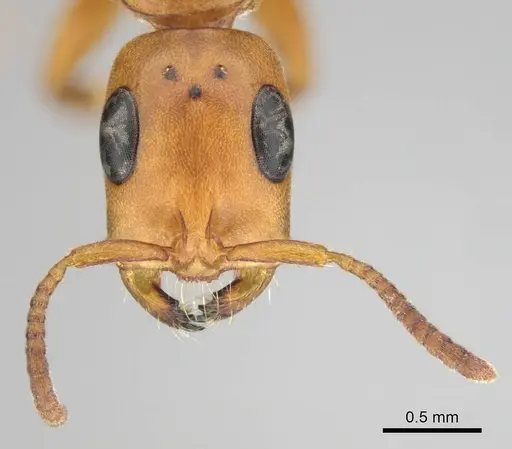
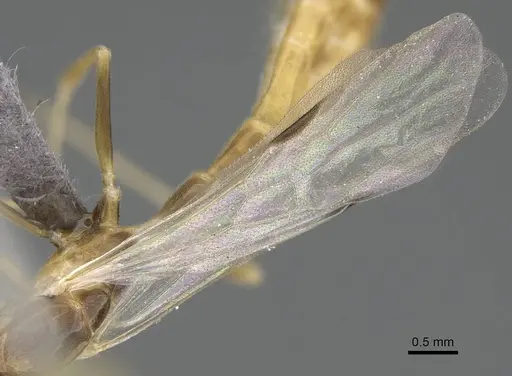
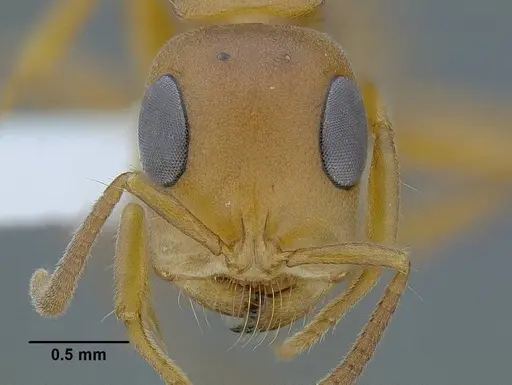
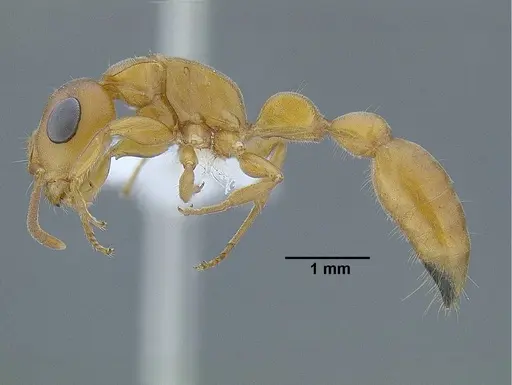
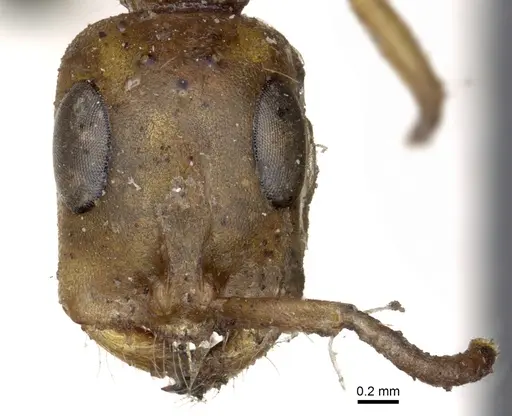
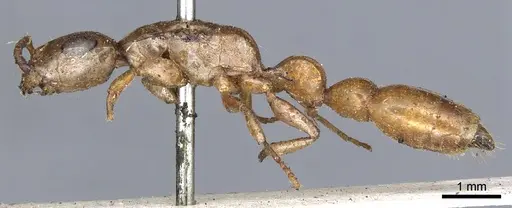
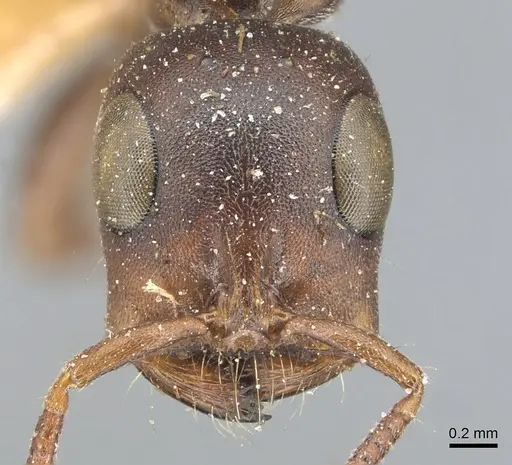
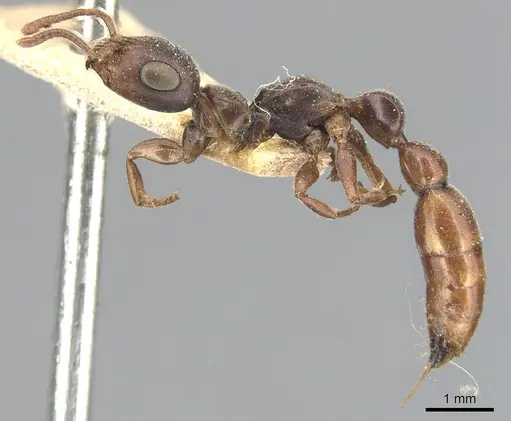
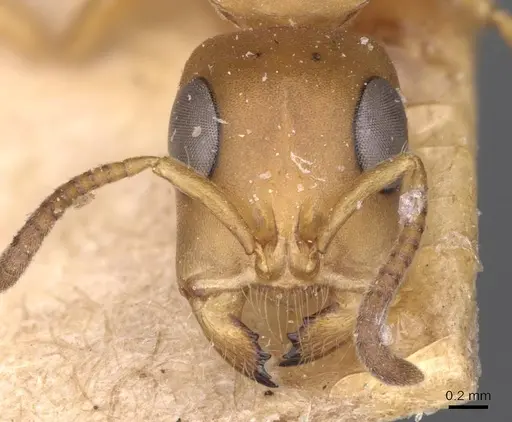
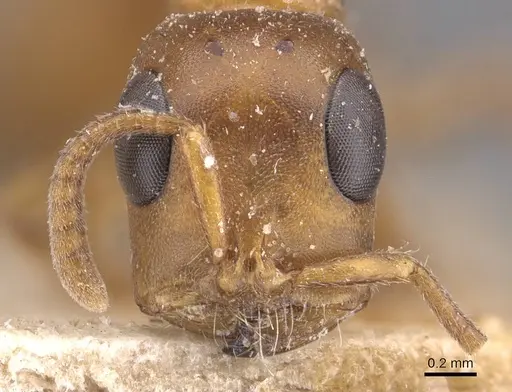
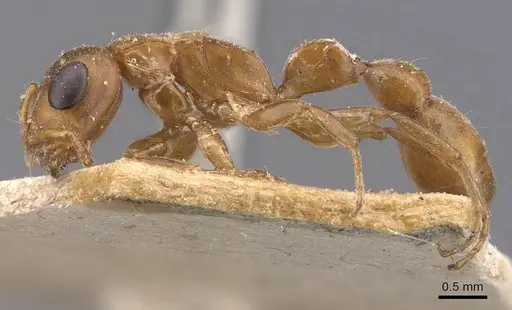
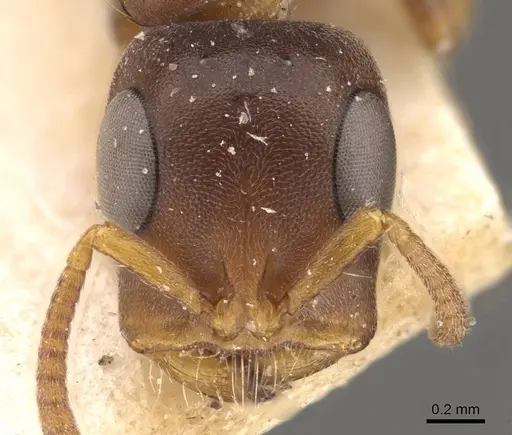
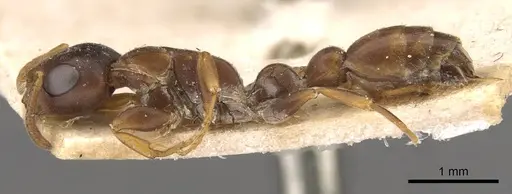
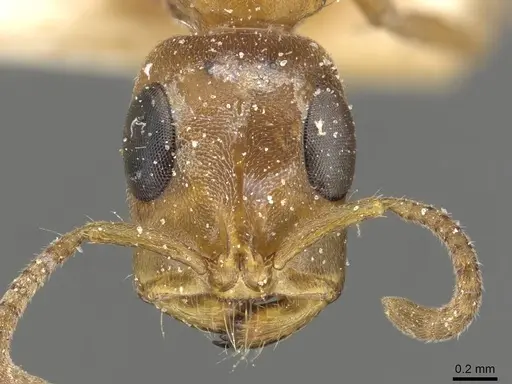
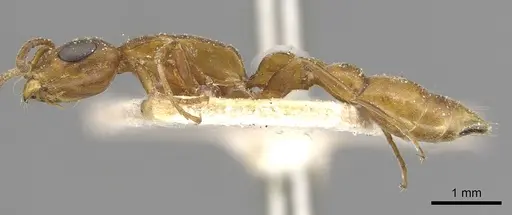
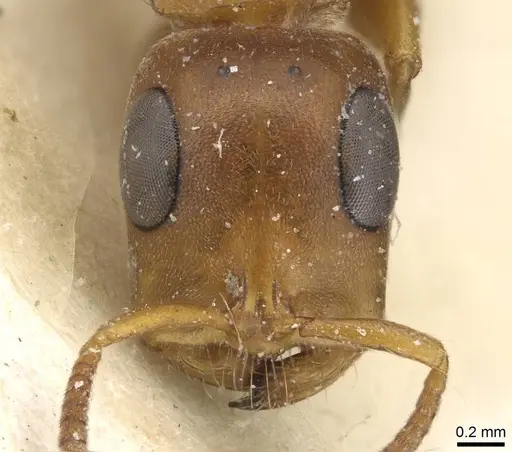
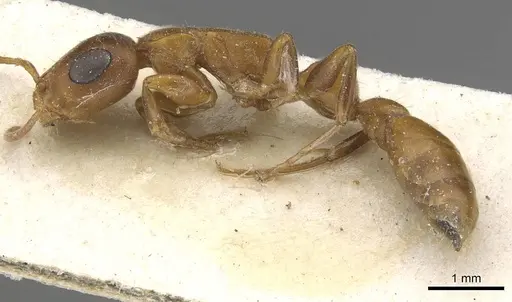
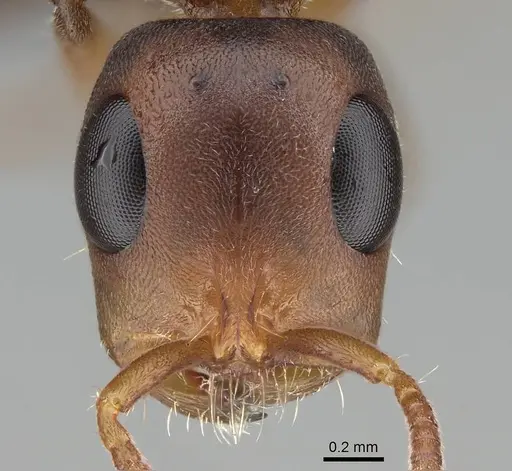
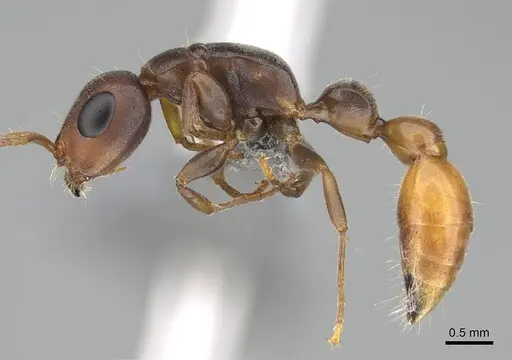
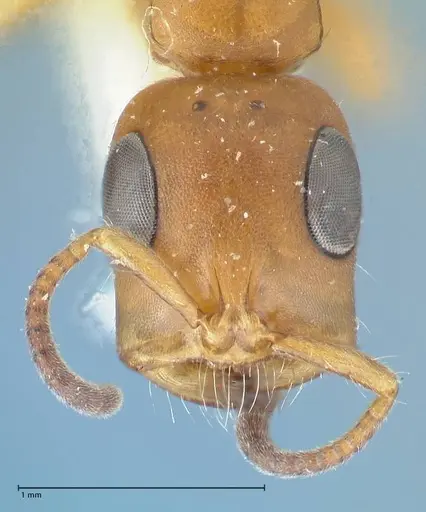
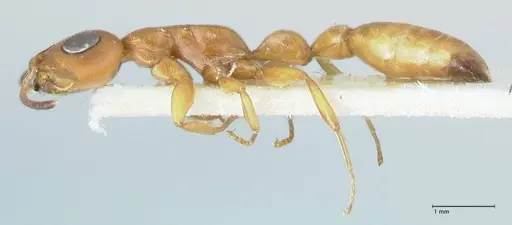
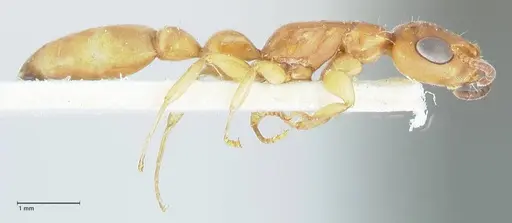
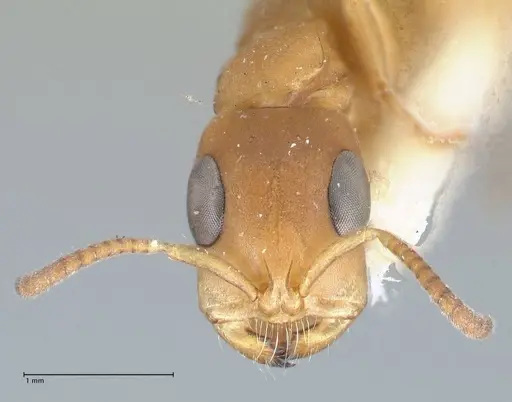
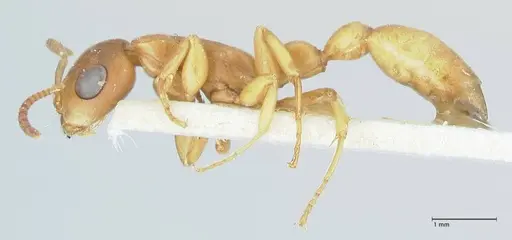
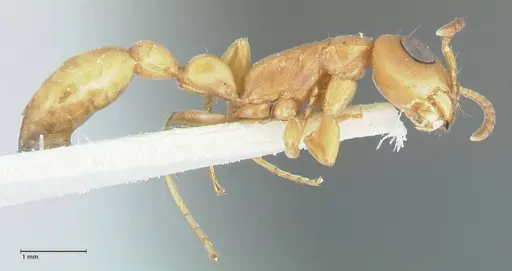
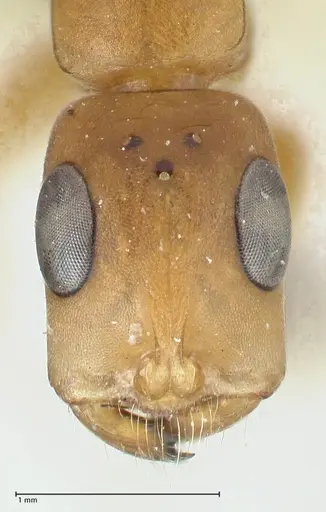
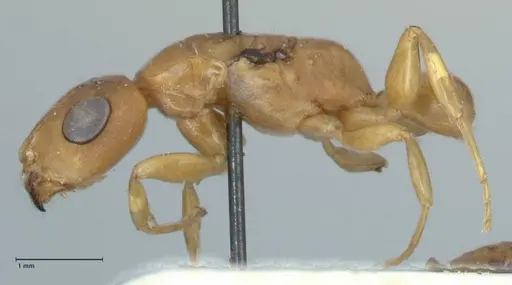
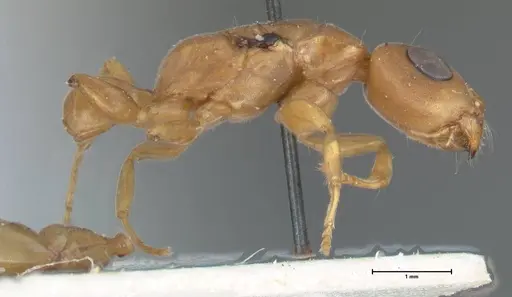
Tetraponera natalensis is a medium-sized arboreal ant native to the Afrotropical region, found across eastern and southern Africa from Kenya down to South Africa . Workers measure 5.6-7.5 mm in total length and have the characteristic large eyes and slender, matte body typical of the Pseudomyrmecinae subfamily . They nest in hollow plant stems, thorns (especially of acacia species), and dead branches . This species stands out for its ecological flexibility and competitive nature. In Rwanda, it is restricted to regenerated secondary forests with native trees, where it outcompetes many other insects and remains dominant . Unlike ground-nesting ants, Tetraponera natalensis spends its entire life in the canopy, making it a unique challenge for antkeepers who want to replicate its arboreal lifestyle.
Quick Summary
- Difficulty: Medium
- Origin & Habitat: Native to the Afrotropical region, with documented populations in Angola, Democratic Republic of Congo, Eswatini, Kenya, Mozambique, Namibia, Somalia, South Africa, Tanzania, Zambia, and Zimbabwe [2]. Found across diverse habitats from coastal lowlands to highlands up to 1440 m elevation (Kilimandjaro) [6]. In Rwanda, restricted to regenerated secondary forests with native trees [5]. Typically nests in thorns and hollow stems of acacia and other savannah trees (Lannea schweinfurthii, Combretum molle, Vachellia nilotica) [3][4].
- Colony Type: Colony structure is not well-documented. Likely monogyne (single queen) based on typical genus patterns, but unconfirmed. Workers are moderate in number based on collection data.
- Size & Growth:
- Queen: Size data unavailable, not directly measured. Based on worker total length (5.6-7.5 mm), queens are probably similar or slightly larger, but this is an inference [3].
- Worker: 5.6-7.5 mm total length [3].
- Colony: Colony size is not specifically documented. Based on typical Pseudomyrmecinae patterns, colonies likely reach several hundred workers.
- Growth: Moderate, based on related species. Development timeline estimated at 6-10 weeks from egg to first worker at optimal temperature.
- Development: Estimated 6-10 weeks at optimal temperature (24-28°C), based on typical Pseudomyrmecinae development patterns. This is an inference rather than direct measurement for this species. (Direct development data for T. natalensis is not available. The estimate comes from related arboreal ants.)
- Antkeeping:
- Temperature: Keep the nest area at 24-28°C. These tropical/subtropical ants prefer warm, stable conditions. A gentle temperature gradient (using a heating cable on the top of the nest) allows workers to self-regulate [1][7].
- Humidity: Provide a moist but well-ventilated nest, think the interior of a tree hollow in a humid forest. The substrate should be damp but not waterlogged. Use a water reservoir or test tube setup with a cotton wick to add moisture. Allow a humidity gradient within the nest: some chambers damp, some drier. Avoid direct misting into small chambers. Good ventilation prevents stagnant air and mold, but avoid placing the nest in direct airflow from fans or air conditioners.
- Diapause: Likely no true diapause. As a tropical/subtropical species from eastern and southern Africa, they do not experience harsh winters. A slight temperature reduction during winter months (cooling to around 18-22°C) may help simulate natural seasonal patterns but is not required. Avoid temperatures below 15°C.
- Nesting: Arboreal specialists, they need vertical space and climbing structures. In captivity, they do well in acrylic nests with horizontal tunnels, Y-tong (AAC) nests, or naturalistic setups with cork bark and branches. Provide tight-fitting chambers that mimic tree hollows. Include climbing materials like twigs, cork, or mesh for foragers.
- Behavior: T. natalensis is an active, diurnal species with pronounced foraging behavior. Workers are alert, responsive to disturbances, and can be aggressive when defending the nest. They possess a functional sting (typical of the Pseudomyrmecinae subfamily) and will use it if threatened. Their slender bodies make them escape artists, they can squeeze through gaps as small as 1 mm. Large eyes indicate visual hunting and navigation. They typically forage on tree trunks and branches rather than on the ground. Handle with care when opening the nest, have a plan to secure it quickly [1][5].
- Common Issues: escape prevention is critical, their slender bodies squeeze through tiny gaps that other ants cannot fit through, arboreal nature means they need vertical space and climbing structures, not standard horizontal nests, humidity control is tricky, too wet causes mold, too dry causes desiccation, wild-caught colonies may have parasites or be stressed from removal from tree hollows, they are aggressive defenders, opening the nest carelessly can result in defensive swarming and stings
Housing and Nest Setup
Tetraponera natalensis requires housing that reflects its arboreal lifestyle. These ants are not ground-nesters, they naturally live in tree hollows, thorns, and dead branches. In captivity, the best options are acrylic nests with horizontal or slightly inclined tunnels, Y-tong (AAC) nests, or naturalistic setups featuring cork bark and small branches. The key is providing tight-fitting chambers that mimic the snug fit of tree hollows. Avoid deep, open spaces that don't offer secure perching spots. Include climbing structures like cork pieces, twigs, or mesh so workers can move around freely. The outworld should also be designed for arboreal foraging, include vertical surfaces and branches for workers to explore. Escape prevention is critical because their slender bodies can squeeze through gaps as small as 1 mm. Use tight-fitting lids and fine mesh on all openings [1][4].
Feeding and Diet
In the wild, T. natalensis is a predator and forager that hunts small insects and tends honeydew-producing insects on trees. They are opportunistic feeders, taking advantage of tree-dwelling arthropods. In captivity, offer a varied diet: small live insects (fruit flies, small crickets, mealworms) as the primary protein source, and sugar water or honey as an energy source. They will likely accept small arthropods readily given their predatory nature. Feed protein 2-3 times per week and keep sugar water available at all times. Remove uneaten prey after 24-48 hours to prevent mold. Because they are arboreal, place food on elevated surfaces or near climbing routes rather than on the floor of the outworld. Some colonies may be picky, if they ignore certain foods, try varying the protein source. Fresh killed insects are usually accepted better than dried or frozen [3].
Temperature and Seasonal Care
As a tropical/subtropical species from eastern and southern Africa, T. natalensis prefers warm conditions. Keep the nest area at 24-28°C for optimal brood development. Temperatures below 20°C may slow activity significantly, while temperatures above 32°C can stress the colony. A heating cable on the top of the nest creates a gentle gradient that allows workers to self-regulate. Place the heating element on top, not underneath, to avoid evaporating moisture too quickly. Regarding winter care, these ants do not require true hibernation, but you can reduce temperatures slightly during winter months (around 18-22°C) to simulate natural seasonal patterns. This winter cooldown may help maintain natural colony rhythms but is not strictly necessary. Avoid sudden temperature swings, stability is more important than hitting exact numbers. Monitor colony behavior: if workers become sluggish, slightly increase temperature [1][7].
Humidity Management
Maintaining proper humidity for arboreal ants requires a different approach than for ground-nesting species. T. natalensis needs moderate to high humidity with good ventilation to prevent mold. The nest substrate should be damp but not waterlogged, think of the interior of a tree hollow in a humid forest. Use a water reservoir or small test tube setup connected to the nest to provide moisture through a cotton wick. Check the nest daily for condensation: excessive condensation means too wet, while visible drying cracks mean too dry. Provide a moisture gradient within the nest, some chambers damp, some drier, so workers can choose. Avoid misting directly onto the nest as this can flood small chambers. Good ventilation is essential to prevent stagnant air and mold growth, but avoid placing the nest in direct airflow from fans or air conditioners that would dry it out too quickly.
Behavior and Colony Dynamics
T. natalensis is an active, diurnal species with pronounced foraging behavior. Workers are alert and responsive to disturbances, their large eyes indicate good vision for navigating arboreal environments. Colonies can be defensive, especially when brood is present. When opening the nest for feeding or observation, do so carefully and have a plan to close it quickly. Workers may swarm defensively if they feel the nest is threatened, and they can deliver a painful sting. In terms of colony growth, expect moderate expansion, these are not fast-growing species like some Camponotus, but they are also not slow like some tropical arboreal species. New colonies may take several months to establish their first significant worker cohort. Once established, colonies can grow steadily over several years. The queen is likely long-lived, as is typical for Pseudomyrmecinae, so established colonies can persist for many years with proper care [1][5].
Frequently Asked Questions
Can I keep Tetraponera natalensis in a test tube?
Test tubes can work for founding colonies but are not ideal for established colonies. These arboreal ants need vertical space and climbing structures that test tubes don't provide well. For founding colonies, a test tube setup with a cotton barrier and water reservoir can work short-term, but plan to move them to a more appropriate arboreal setup (acrylic nest, Y-tong, or naturalistic) once the colony reaches 15-20 workers. The key is providing chambers scaled to their body size and climbing opportunities.
How long does it take for Tetraponera natalensis to produce first workers?
Based on typical Pseudomyrmecinae development, expect 6-10 weeks from egg to first worker at optimal temperature (24-28°C). This is an estimate rather than a direct measurement for this species. The first workers (nanitics) will likely be smaller than mature workers. Patience is key, founding colonies can be slow to establish, and disturbing the queen during founding can cause her to abandon or eat her brood.
Do Tetraponera natalensis ants sting?
Yes. Tetraponera belongs to the Pseudomyrmecinae subfamily, which possesses a functional sting. They use it aggressively to defend their nest and host plants. Their sting is noticeable and can be painful, though not dangerous to humans. When opening the nest, be prepared for defensive swarming.
Are Tetraponera natalensis good for beginners?
This species is rated as Medium difficulty. While not the hardest species, it requires understanding of arboreal ant husbandry, proper humidity control, escape prevention, and appropriate housing. Beginners should have experience with at least one other arboreal or semi-arboreal species before trying T. natalensis. The main challenges are escape prevention (due to their slender bodies) and maintaining proper humidity without causing mold.
What do Tetraponera natalensis eat?
They are opportunistic predators and foragers. In captivity, feed small live insects (fruit flies, small crickets, mealworms) as protein 2-3 times per week. Keep sugar water or honey available constantly for energy. They may also accept other sweet liquids. Place food on elevated surfaces near their climbing routes rather than on the nest floor. Remove uneaten prey after 24-48 hours to prevent mold [3].
Can I keep multiple queens together?
Combining unrelated queens has not been documented for this species and is not recommended. In the wild, colony founding is likely solitary (one queen per nest). If you obtain multiple foundresses, keep them in separate setups until you confirm they are not aggressive toward each other. Even then, introducing multiple queens to an established colony typically results in conflict. The safest approach is one queen per colony.
Do Tetraponera natalensis need hibernation?
No true hibernation is required. As a tropical/subtropical species from eastern and southern Africa, they do not experience harsh winters. However, a slight temperature reduction during winter months (cooling to around 18-22°C) may be beneficial for simulating natural seasonal patterns. This winter cooldown is optional but can help maintain colony health long-term. Avoid temperatures below 15°C.
Why are my Tetraponera natalensis dying?
Common causes include: escape through tiny gaps (check all seals and mesh), humidity problems (either too dry causing desiccation or too wet causing mold and drowning), temperature stress (too cold slows activity, too hot stresses the colony), and stress from disturbance during founding. Also check for parasites, wild-caught colonies may bring mites or other pathogens. Review each of these factors systematically and adjust husbandry accordingly.
When should I move Tetraponera natalensis to a formicarium?
Move from founding setup to a proper nest when the colony reaches 15-20 workers and the founding tube shows signs of drying or contamination. The transition should be gradual, connect the new nest to the old setup and allow workers to explore before moving the queen. Make sure the new nest has appropriate chamber sizes and humidity levels before introducing the colony.
How big do Tetraponera natalensis colonies get?
Colony size is not specifically documented, but based on typical Pseudomyrmecinae patterns, colonies likely reach several hundred workers over several years. They are not supercolony species. With a long-lived queen, established colonies can persist for many years and grow steadily. Maximum size is estimated at 300-500 workers, though this is an inference rather than confirmed data.
Report an Issue
The current care sheet is based fully on literature. See inconsistencies, or something that's incorrect? Please , it will be resolved after review from an admin. Contributing to the blogs tab also helps providing information, to make us be able to further improve the caresheets. Thank you for your support!
References

This caresheet is licensed under CC BY-SA 4.0 .
Community Blogs
CASENT0217594
View on AntWeb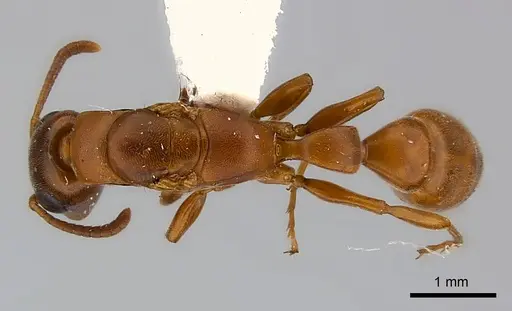
CASENT0235819
View on AntWeb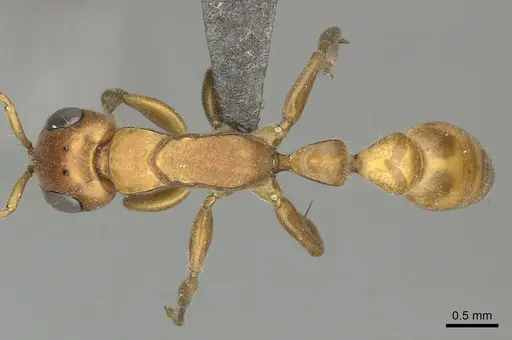
CASENT0257309
View on AntWeb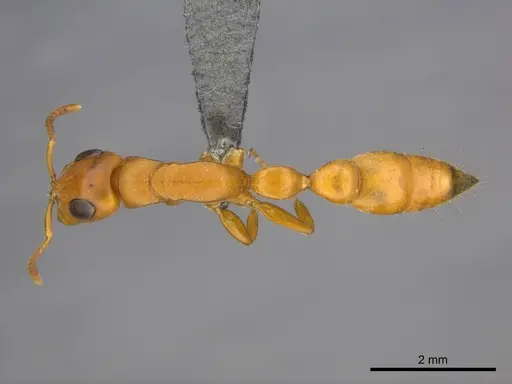
CASENT0257421
View on AntWeb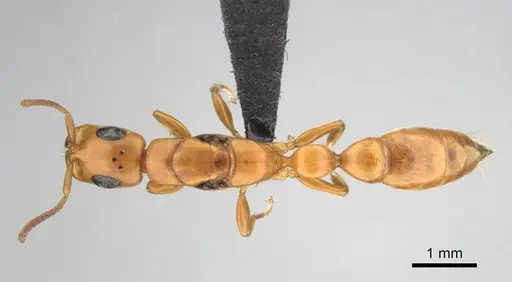
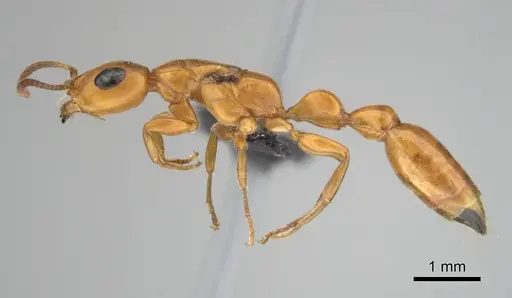
CASENT0778290
View on AntWeb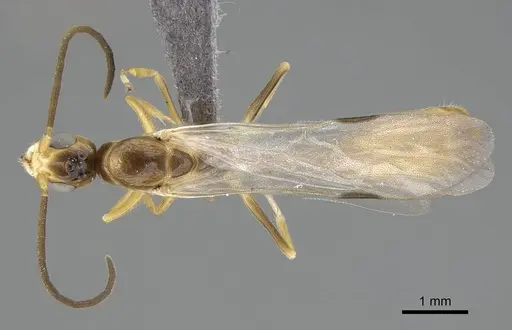
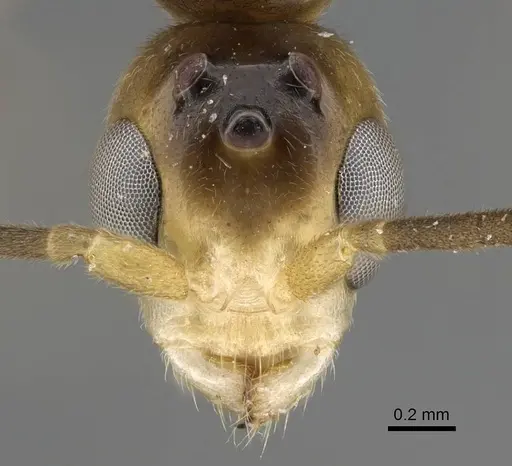
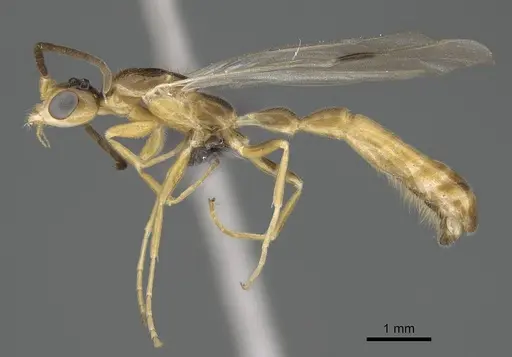
CASENT0794194
View on AntWeb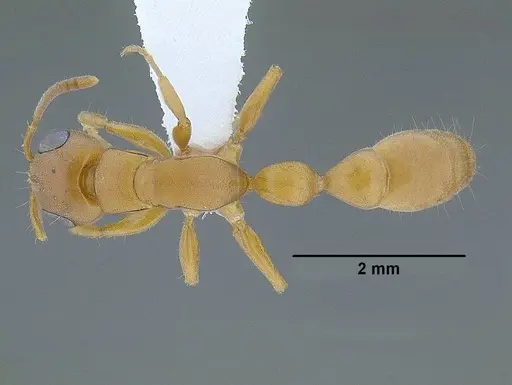
CASENT0902819
View on AntWeb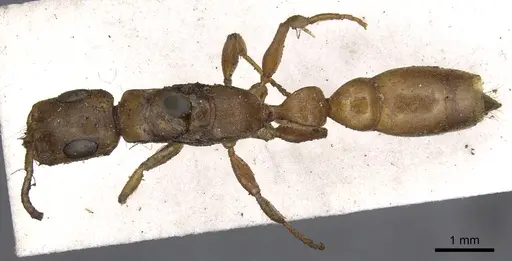
CASENT0904031
View on AntWeb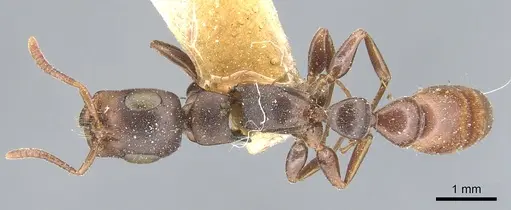
CASENT0907452
View on AntWeb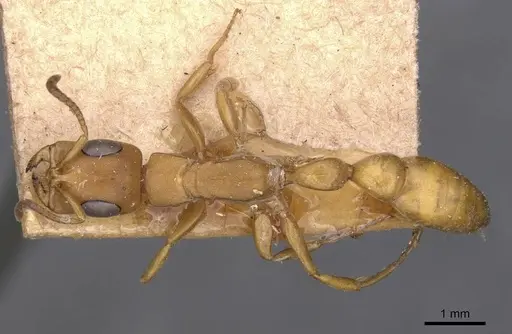
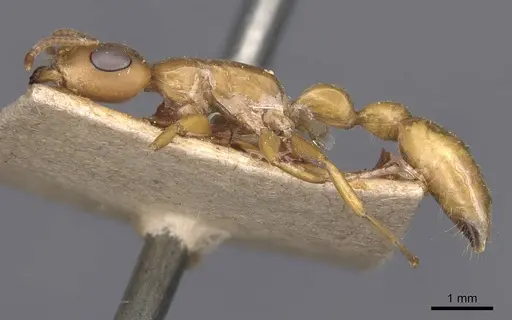
CASENT0907453
View on AntWeb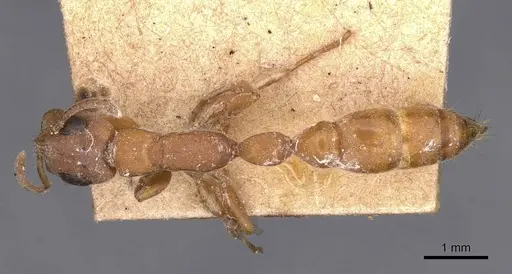
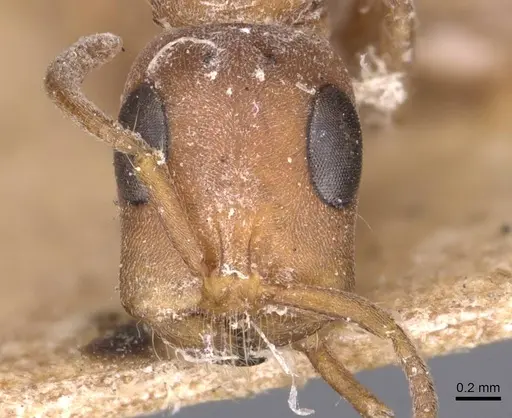
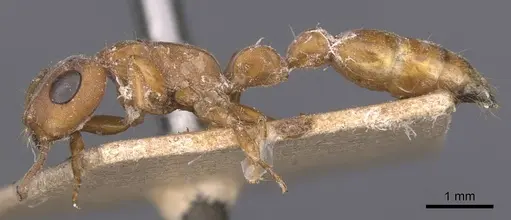
CASENT0907454
View on AntWeb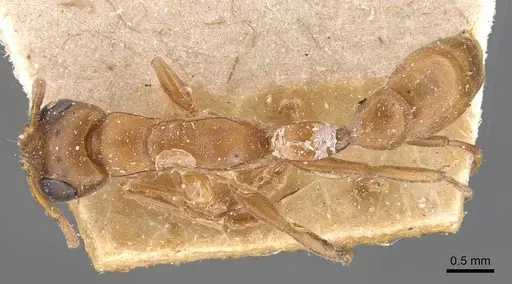
CASENT0907474
View on AntWeb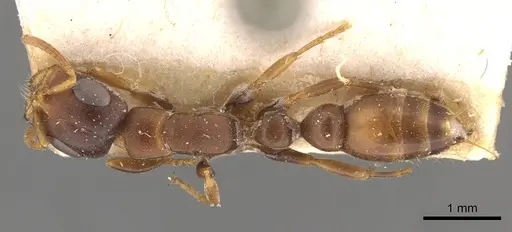
CASENT0915533
View on AntWeb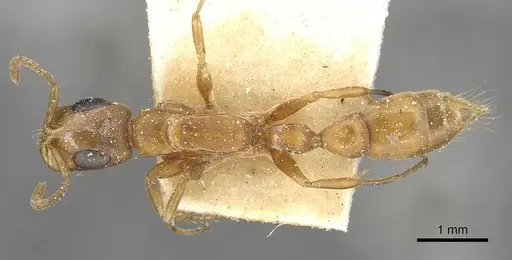
CASENT0915534
View on AntWeb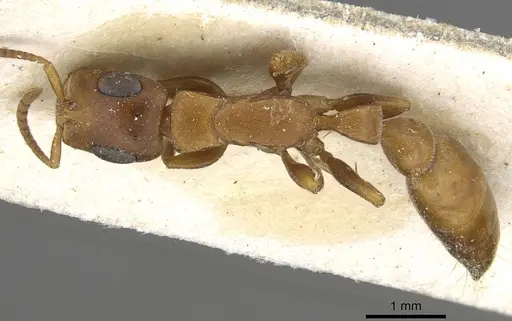
CASENT0922254
View on AntWeb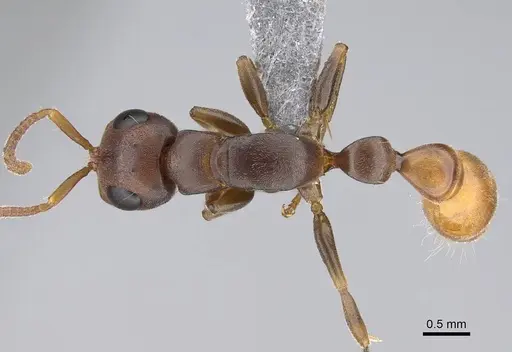
FOCOL1158
View on AntWeb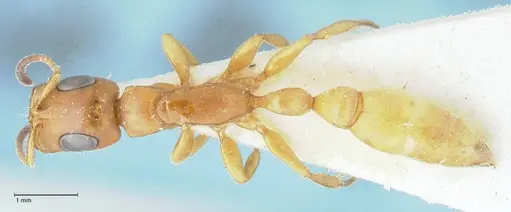
FOCOL1159
View on AntWeb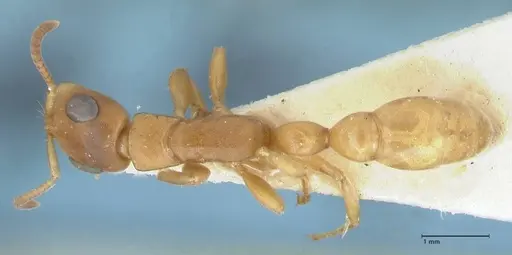
FOCOL1160
View on AntWeb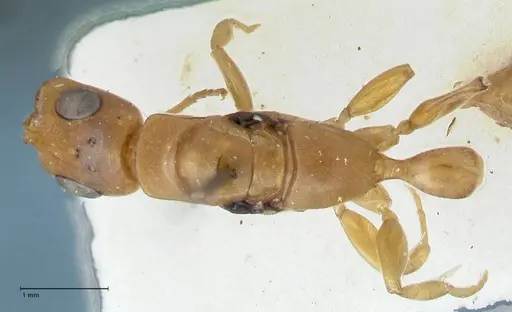
Literature
Loading distribution map...Loading products...