
Tetraponera liengmei
- Sci. Name
- Tetraponera liengmei
- Tribe
- Pseudomyrmecini
- Subfamily
- Pseudomyrmecinae
- Author
- Forel, 1894
- Distribution
- Found in 2 countries
Introduction
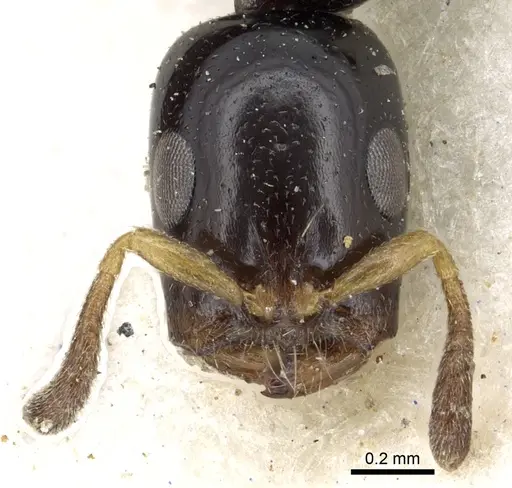
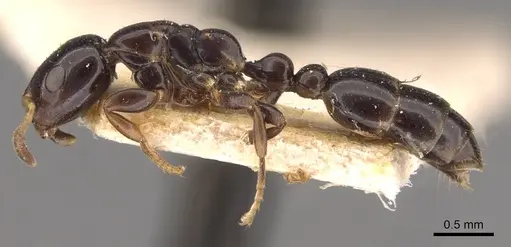
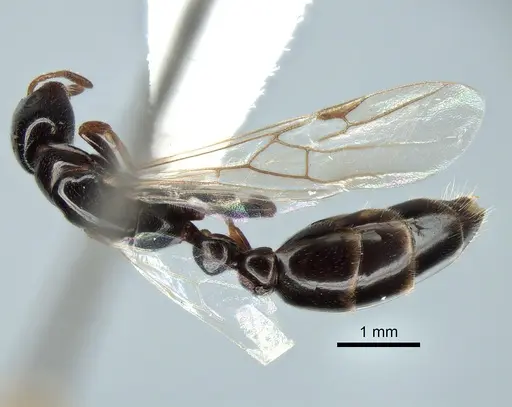
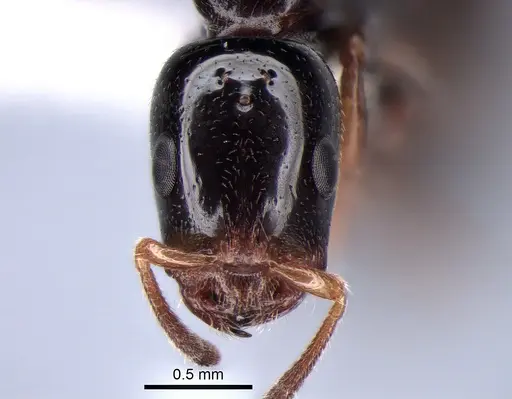
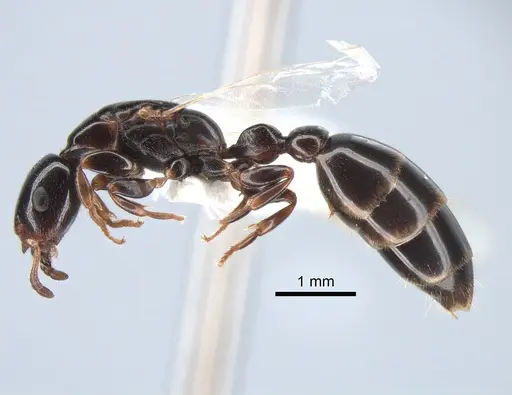
Tetraponera liengmei is a slender, long-legged ant species belonging to the subfamily Pseudomyrmecinae. Detailed biological information is scarce. This species is found across southern Africa, including Mozambique (type locality Delagoa), Namibia, South Africa, and Zimbabwe . As a member of the allaborans species group, these ants are typically arboreal, often nesting in hollow twigs, dead wood, or under bark. They are active foragers that move quickly and are often observed hunting small prey or tending sap‑sucking insects for honeydew .
Quick Summary
- Difficulty: Medium
- Origin & Habitat: Southern Africa (Mozambique, Namibia, South Africa, Zimbabwe), typically found in forested areas and woodland habitats where they nest in dead wood, hollow twigs, or under bark [1][2].
- Colony Type: Colony structure is not documented for this species. Based on typical Tetraponera patterns, colonies may be single‑queen (monogyne), but this is unconfirmed.
- Size & Growth:
- Queen: Not documented
- Worker: Not documented
- Colony: Not documented
- Growth: Not documented
- Development: Not documented (No direct data available.)
- Antkeeping:
- Temperature: Based on its subtropical origin, maintain temperatures around 24-28°C.
- Humidity: Provide a moisture gradient, keep the nest chamber humid but not waterlogged. One area should be moist, the rest can dry slightly.
- Diapause: Diapause requirements are unknown. Given its subtropical distribution, full hibernation is not expected. A slight cooling period (16-20°C) for 2-3 months may be tried, but it is not required.
- Nesting: Use a naturalistic setup or a Y‑tong/plaster nest with small, tight chambers. They prefer humid conditions, so a water reservoir in the nest helps. Provide climbing surfaces like cork bark or twigs in the outworld.
- Behavior: Tetraponera liengmei workers are active, fast‑moving, and alert. They forage individually, hunting small prey and collecting honeydew. They have a functional sting and may use it if threatened, but they are not particularly aggressive and tend to flee rather than attack. Escape prevention is essential due to their small size and slender bodies, use fine mesh and tight‑fitting lids.
- Common Issues: colonies may fail if temperatures drop below 20°C, keep them warm, escape prevention is critical due to their small size and slender bodies, wild‑caught colonies may carry parasites, overfeeding can lead to mold, remove uneaten prey after 24 hours, they need climbing surfaces and vertical space in the outworld
Housing and Nest Setup
Tetraponera liengmei does well in a naturalistic setup or a Y‑tong/plaster nest with small, tight chambers. They prefer humid conditions, so a nest with a water reservoir or moisture gradient works well. The outworld should include climbing surfaces like cork bark, twigs, or fake plants since they are semi‑arboreal and like to forage at different heights. A test tube setup can work for founding colonies, but they will need more space as the colony grows. Use a small formicarium with chambers sized appropriately for their small workers, too large spaces can stress them. Escape prevention is critical, these slender ants can squeeze through surprisingly small gaps, so use fine mesh and tight‑fitting lids.
Feeding and Diet
In the wild, Tetraponera liengmei is an opportunistic predator that hunts small insects and arthropods, but they also tend sap‑sucking insects (like aphids and scale insects) for honeydew [1]. In captivity, offer a varied diet including small live prey (fruit flies, pinhead crickets, small mealworms) and sugar sources (honey water, sugar water). They typically accept protein sources readily but may take some time to discover sugar liquids, place these near active foraging trails. Feed every 2-3 days, removing uneaten prey after 24 hours to prevent mold. A constant sugar source is beneficial once the colony reaches 10+ workers.
Temperature and Seasonal Care
These ants come from subtropical southern Africa, so they prefer warm conditions. Keep the nest area at 24-28°C, with a slight gradient allowing workers to move between warmer and cooler areas. A heating cable or mat on one side of the nest can create this gradient, place it on top of the nest to warm the chamber without drying it out. During winter or cooler months, they may become less active but typically do not require full hibernation. A slight cooling period to 18-22°C for 2-3 months during winter may help simulate natural seasonal cycles and promote colony health, but avoid temperatures below 15°C.
Behavior and Colony Dynamics
Tetraponera liengmei workers are active, alert, and fast‑moving. They forage individually rather than in trails, hunting small prey and collecting honeydew. Workers are not particularly aggressive and will typically flee from disturbance rather than attack, but they have a functional sting if threatened. The colony will grow moderately, expect several months before the first workers (nanitics) appear from a founding queen, and several more months before the colony reaches 50+ workers. Colonies are typically single‑queen based on typical genus patterns. Watch for signs of stress including workers clustering at nest entrances, refusal of food, or unusual numbers of deaths, these often indicate temperature or humidity problems.
Frequently Asked Questions
How long does it take for Tetraponera liengmei to have first workers?
This is not documented. Based on related Tetraponera species, it may take around 6-8 weeks from laying to first workers, but specific data for T.lengmei is lacking.
Can I keep Tetraponera liengmei in a test tube?
Yes, a test tube setup works well for founding colonies. Use a test tube with a water reservoir (filled about 1/3 and stopped with cotton) to maintain humidity. Keep the tube in a warm, dark place and avoid disturbing the queen during the founding stage. Once the colony reaches 15-20 workers, consider moving them to a small formicarium or naturalistic setup with more space.
Do Tetraponera liengmei ants sting?
Yes, they have a functional sting as members of the Pseudomyrmecinae subfamily. However, they are not aggressive and typically use stinging only as a last resort when threatened. The sting is mild compared to some ant species and most keepers report minimal pain if stung. These ants are not considered dangerous to humans.
What do Tetraponera liengmei eat?
They are opportunistic predators that accept small live prey (fruit flies, small crickets, mealworms) and also feed on honeydew and sugar sources. Offer a varied diet: protein prey 2-3 times per week and a constant sugar source (honey water or sugar water). Remove uneaten prey after 24 hours to prevent mold.
Are Tetraponera liengmei good for beginners?
They are moderate difficulty, easier than some tropical species but requiring more attention to temperature and humidity than hardy temperate ants. They are active and interesting to watch, and their colony sizes remain manageable. However, their small size and escape abilities require good husbandry practices. They are a good intermediate species for keepers who have successfully kept simpler ants like Lasius or Tetramorium.
How big do Tetraponera liengmei colonies get?
Colony size is not documented for this species. Based on typical Tetraponera patterns, colonies may reach several hundred workers, but this is speculation.
Do Tetraponera liengmei need hibernation?
Full hibernation is not typically required for this subtropical species. However, a slight cooling period (15-20°C) for 2-3 months during winter months can help simulate natural seasonal cycles. Reduce feeding during this period and avoid temperatures below 15°C. Some keepers skip cooling entirely with no ill effects, but a slight rest period may promote long‑term colony health.
Why are my Tetraponera liengmei dying?
Common causes include: temperatures too low (keep above 20°C), humidity too dry or too wet, mold from overfeeding, or stress from too‑large enclosure spaces. Also check for escape routes, these small ants can slip through tiny gaps. Wild‑caught colonies may carry parasites that cause gradual colony decline. Ensure proper ventilation while maintaining humidity, and feed appropriately sized portions.
When should I move Tetraponera liengmei to a formicarium?
Move them when the colony reaches 15-25 workers and the test tube is becoming crowded. They do well in naturalistic setups or small plaster/Y‑tong nests with humid chambers. Make the transition gradual, connect the test tube to the new enclosure and allow workers to explore before moving the queen. They prefer tight chambers and climbing surfaces.
Can I keep multiple Tetraponera liengmei queens together?
No data exists for this species. Based on typical Tetraponera patterns, colonies are likely monogyne (single‑queen), so it is best to keep founding queens separately. Combining unrelated queens is not recommended.
Report an Issue
The current care sheet is based fully on literature. See inconsistencies, or something that's incorrect? Please , it will be resolved after review from an admin. Contributing to the blogs tab also helps providing information, to make us be able to further improve the caresheets. Thank you for your support!
References

This caresheet is licensed under CC BY-SA 4.0 .
Community Blogs
CASENT0794351
View on AntWeb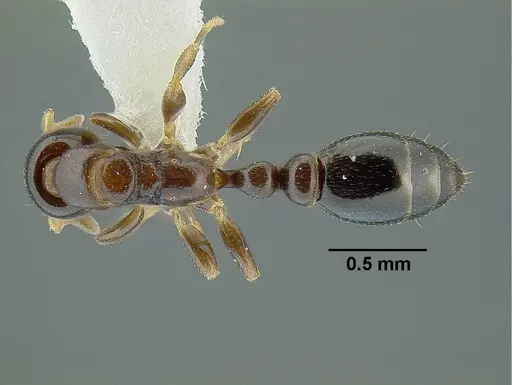
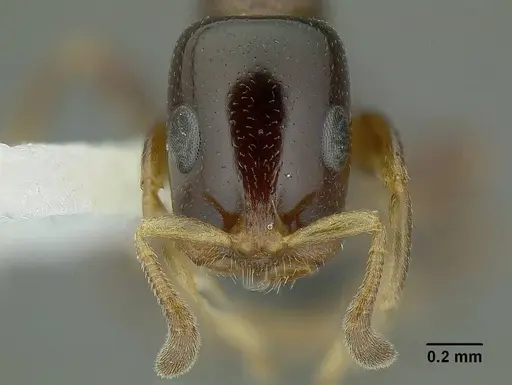
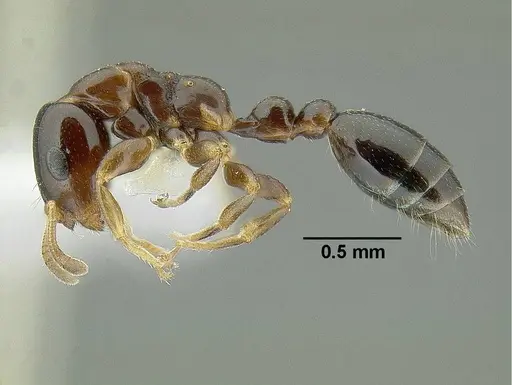
CASENT0902817
View on AntWeb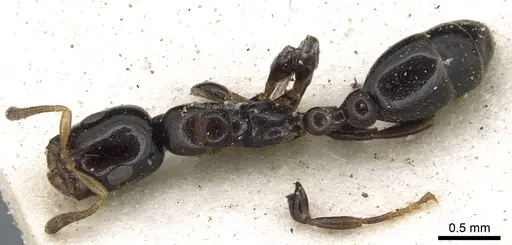
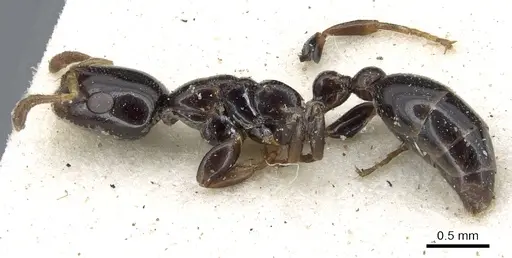
CASENT0907472
View on AntWeb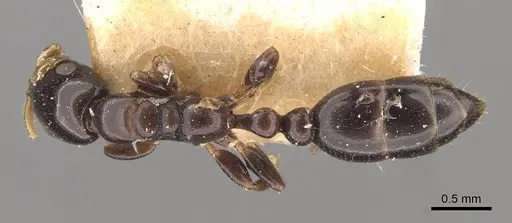
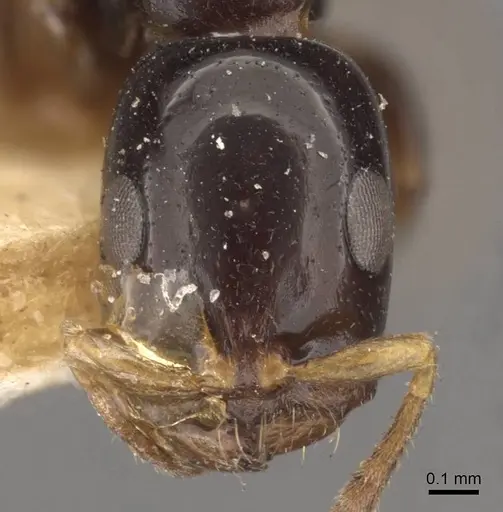
MZLU-HYM00031388
View on AntWeb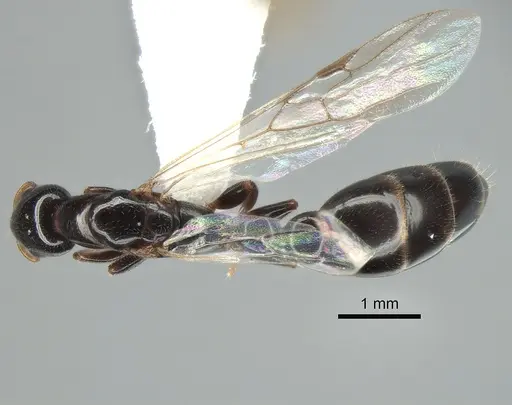
Literature
Loading distribution map...Loading products...