
Tetraponera laeviceps
- Sci. Name
- Tetraponera laeviceps
- Tribe
- Pseudomyrmecini
- Subfamily
- Pseudomyrmecinae
- Author
- Smith, 1859
- Distribution
- Found in 5 countries
Introduction
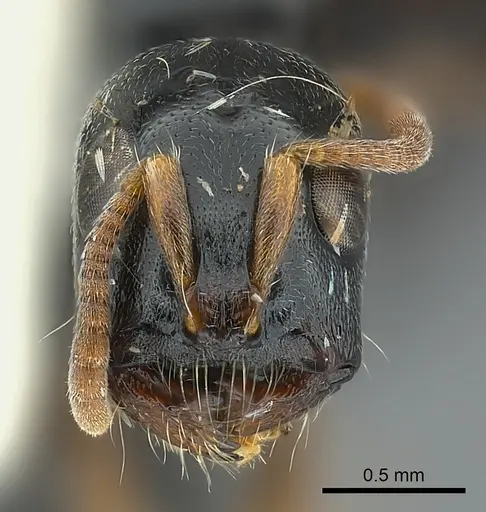
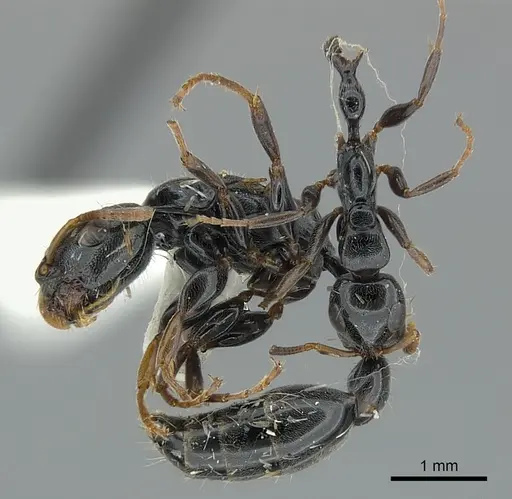
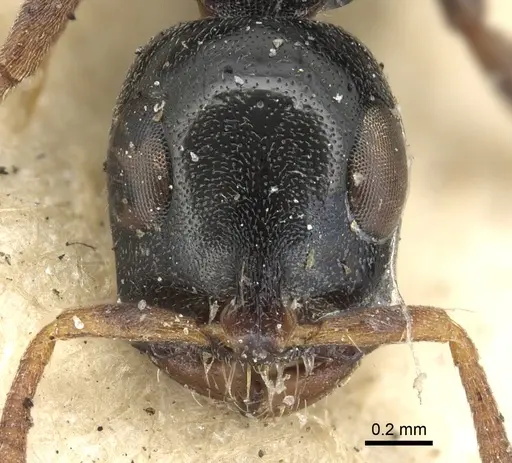
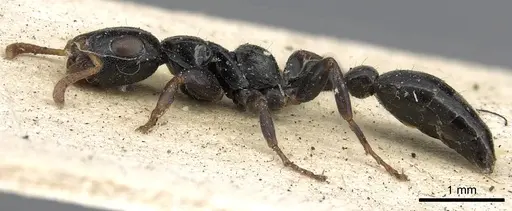
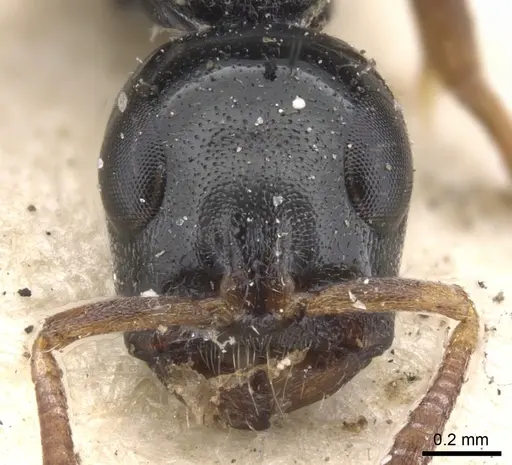
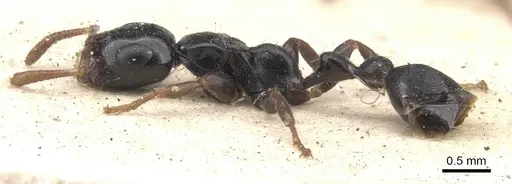
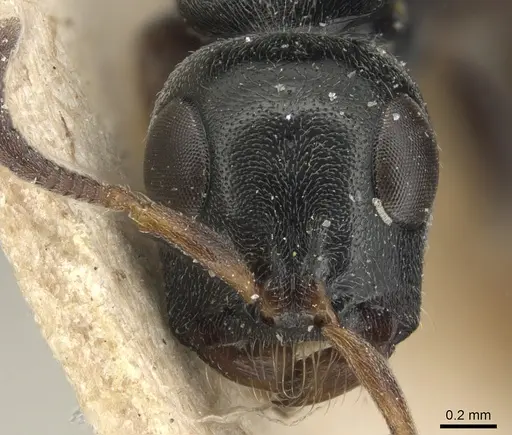
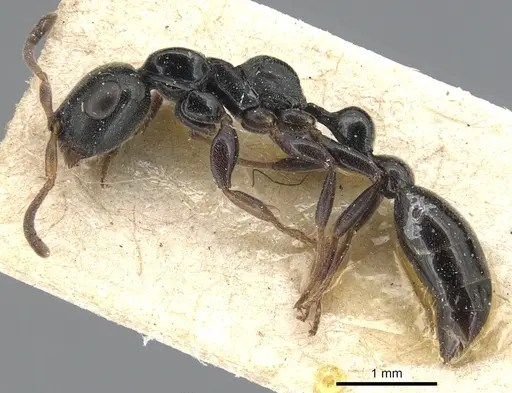
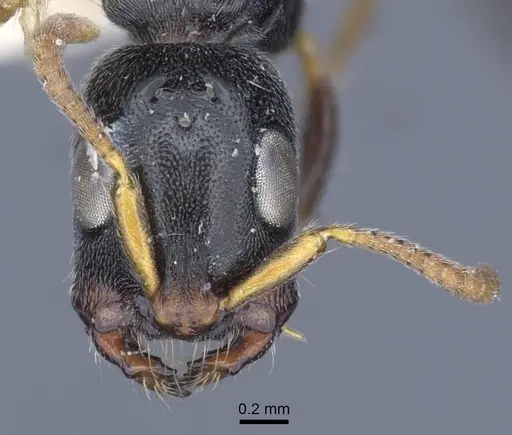
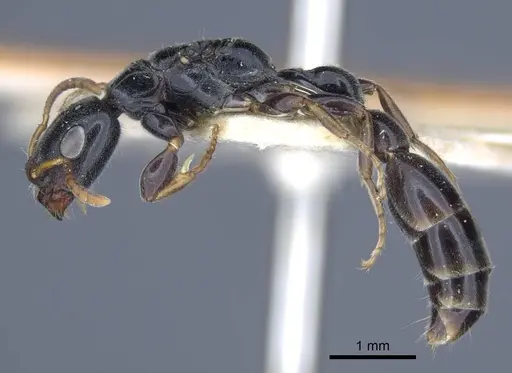
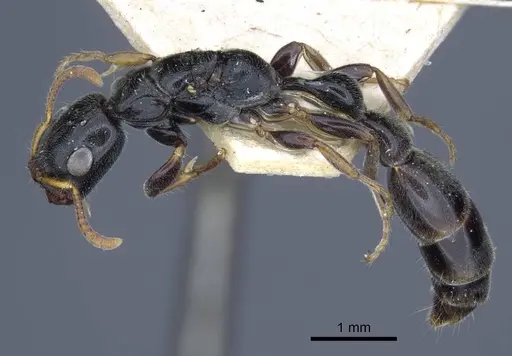
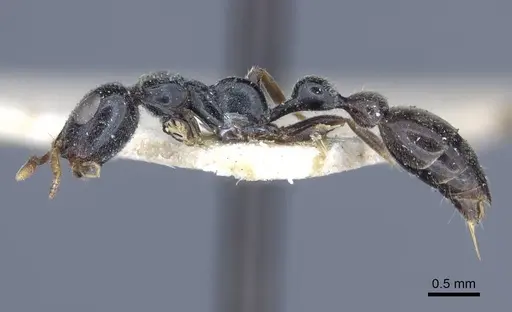
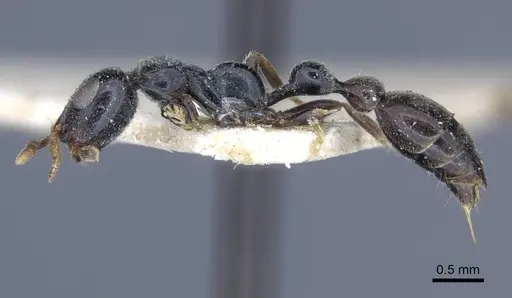
Tetraponera laeviceps is a medium-sized ant from the subfamily Pseudomyrmecinae, easily recognized by its slender body and large eyes. Workers are black to dark brownish-black with contrasting yellow-brown appendages (scape, front tibia, and tarsi) . This species ranges across the Australasian region, from the Maluku Islands through New Guinea to northern Australia and the Solomon Islands . They inhabit lowland tropical forests, secondary forests, and coastal vegetation, typically below 200 m elevation . What makes T. laeviceps interesting is its nesting habit - they are opportunistic colonists of dead plant cavities, nesting in hollow twigs and branches of various trees and shrubs such as Hibiscus tiliaceus, Gnetum, and Premna serratifolia . They are also found on the foliage and trunks of recently felled rainforest trees in New Guinea and Cape York, Australia . Their nest abundance drops sharply with elevation, with most nests found around 200 m and very few above 900 m .
Quick Summary
- Difficulty: Medium
- Origin & Habitat: Tropical Australasian region, Maluku Islands, New Guinea, northern Australia (Cape York), and Solomon Islands. Inhabits lowland secondary forest, littoral vegetation, and rainforest. Most common below 200 m elevation [1][2][3].
- Colony Type: Colony structure is unconfirmed. Based on typical Pseudomyrmecinae patterns, likely single-queen (monogyne) colonies, but this has not been documented for this species.
- Size & Growth:
- Queen: Size data unavailable, no measurements are recorded for queens [1].
- Worker: Size data unavailable, only head width is reported (0.75-0.91 mm), not total body length [1].
- Colony: Unknown, no colony size data available.
- Growth: Moderate, inferred from typical Pseudomyrmecinae development.
- Development: Unknown, no confirmed data. Estimated 6-10 weeks based on related species, but this is speculative. (Development is likely accelerated by warm tropical temperatures (24-28 °C).)
- Antkeeping:
- Temperature: 24-28 °C year-round (tropical species). Provide a gentle gradient for self-regulation. Avoid temperatures below 22 °C.
- Humidity: Keep the nest substrate consistently moist but not waterlogged. Mimic the damp conditions of tropical forests but ensure good ventilation to prevent mold.
- Diapause: No, as a lowland tropical species, they require warmth year-round. Do not cool for winter.
- Nesting: Arboreal specialist, provide a Y‑tong (AAC) nest or a naturalistic setup with hollow twigs/branches placed above ground. Avoid underground formicariums, they prefer elevated chambers that mimic tree holes [1].
- Behavior: T. laeviceps are fast-moving, alert ants with large eyes adapted for visual hunting. As Pseudomyrmecinae, they have a well‑developed sting and will defend themselves if threatened. They are primarily predatory, hunting small insects and arthropods. Their small size makes them escape artists, use fine mesh and secure barriers. They are arboreal and explore upward, so provide climbing surfaces in the outworld.
- Common Issues: escape prevention is critical due to their very small size, they can squeeze through standard gaps easily, tropical humidity requirements can lead to mold if ventilation is poor, founding behavior is unconfirmed, making colony establishment unpredictable, arboreal nesting means they may not adapt well to ground-level test tube setups, warm temperature requirements year-round can be expensive in temperate climates, they possess a functional sting which can be painful, handle with care
Housing and Nest Setup
T. laeviceps is an arboreal species that naturally nests in dead twigs and hollow branches of tropical trees and shrubs [1]. In captivity, provide a Y‑tong (AAC) nest or a naturalistic setup with hollow twigs placed above ground. Avoid underground formicariums. The nest should be positioned to mimic their tree‑hole habitat. Since they are most abundant below 200 m elevation [3], keep the setup in warm, humid conditions. Include climbing structures (cork bark, branches) in the outworld. Ensure all connections are sealed with fine mesh to prevent escape.
Feeding and Diet
As predators, T. laeviceps hunt small insects and arthropods. Offer live prey such as fruit flies, springtails, and pinhead crickets. They may also accept sugar water occasionally, but protein should be the main component. Feed every 2-3 days and remove uneaten prey after 24 hours to prevent mold. [1]
Temperature and Climate
These tropical ants need consistent warmth year-round. Maintain nest temperatures between 24-28 °C. Avoid temperatures below 22 °C, as they come from lowland tropical habitats with no cold season[1]]. A heating cable placed on top of the nest (not underneath) can create a useful gradient. Monitor humidity, heating can dry the nest quickly. No hibernation needed, keep warm throughout the year.
Behavior and Temperament
T. laeviceps are active, visually oriented ants with large eyes. They move quickly and explore their surroundings thoroughly. As Pseudomyrmecinae, they have a functional sting used for defense. They are more likely to flee than attack, but will sting if trapped or threatened. Their small size (head width ~0.75-0.91 mm) means gaps must be sealed with fine mesh. Provide an outworld with climbing structures to satisfy their arboreal nature. [1]
Colony Establishment
Founding behavior is unconfirmed for this species. It is not known whether queens are claustral or semi‑claustral. If you obtain a queen, place her in a small, dark, warm (24-28 °C) and humid chamber. Monitor her without disturbance. Once workers appear, they will need live prey. Be prepared for uncertainty, there is no established protocol. Success may require patience and careful observation.
Distribution and Range
T. laeviceps occurs from the Maluku Islands (Indonesia) through New Guinea to northern Australia (Cape York) and the Solomon Islands [2]. It was first recorded in the Solomon Islands in 1919 [2]. Within its range, it shows a strong preference for low elevations: 14 nests were found at 200 m, only 1 at 900 m, and none at 1800 m [3]. Habitats include secondary forest, coastal vegetation, and rainforest. They nest opportunistically in dead plant cavities [1].
Frequently Asked Questions
Can I keep Tetraponera laeviceps in a test tube?
Test tubes can be used for short‑term founding if you provide a horizontal setup with a cotton ball for humidity. However, they are not ideal long‑term because these ants prefer arboreal nests (hollow twigs, AAC). Transfer to a more appropriate setup once workers appear.
How long does it take for Tetraponera laeviceps to develop from egg to worker?
Exact development time is unknown. Based on related Pseudomyrmecinae, an estimate is 6-10 weeks at 24-28 °C, but this is not confirmed. Cooler temperatures will slow development.
Do Tetraponera laeviceps ants sting?
Yes, as Pseudomyrmecinae, they have a well‑developed functional sting. They use it to defend their nest and can deliver a painful sting if handled. Avoid squeezing or trapping them.
Are Tetraponera laeviceps good for beginners?
This species is rated Medium difficulty. Limited species‑specific information is available, their founding behavior is unknown, and their small size requires excellent escape prevention. They are not ideal for absolute beginners but can be suitable for intermediate keepers who can provide stable tropical conditions.
What do Tetraponera laeviceps eat?
They are predators that hunt small insects and arthropods. Offer live prey like fruit flies, springtails, and tiny crickets. They may also take sugar water occasionally, but protein should be the main diet. Remove leftovers after 24 hours.
Do Tetraponera laeviceps need hibernation?
No, they are a tropical species and require warm conditions year‑round (24-28 °C). Do not cool them, doing so would likely kill the colony. Maintain temperature continuously.
How big do Tetraponera laeviceps colonies get?
Colony size is unknown. Based on related Pseudomyrmecinae, they likely reach no more than a few hundred workers, but this is speculative. Their arboreal nesting likely limits maximum colony size.
When should I move Tetraponera laeviceps to a formicarium?
Wait until the colony has at least a few workers (10+). Use a Y‑tong or naturalistic twig setup rather than a traditional underground formicarium. Move them during their inactive period (evening) and ensure the new nest has appropriate humidity and climbing surfaces.
Why are my Tetraponera laeviceps dying?
Common causes include: temperatures below 22 °C, low humidity causing desiccation, escape through small gaps, and lack of appropriate live prey. Check your heating, humidity, and seal all connections. Also ensure the nest isn't too dry.
Can I keep multiple Tetraponera laeviceps queens together?
Colony structure is unconfirmed, but based on typical Pseudomyrmecinae they are likely monogyne (single queen). Do not attempt to combine unrelated queens. Keep them separately unless you observe peaceful cohabitation.
What is the best nest type for Tetraponera laeviceps?
Y‑tong (AAC) nests or naturalistic hollow‑twig setups work best because they mimic the narrow cavities these ants naturally inhabit. Avoid plaster nests (dry too quickly) and underground formicariums. Ensure the nest is placed above ground level.
Where is Tetraponera laeviceps found in the wild?
They range from the Maluku Islands (Indonesia) through New Guinea to northern Australia (Cape York) and the Solomon Islands [2][1]. They live in lowland tropical forests, secondary forests, and coastal vegetation, typically below 200 m elevation [3]. They nest in dead twigs and branches of various trees and shrubs [1].
Report an Issue
The current care sheet is based fully on literature. See inconsistencies, or something that's incorrect? Please , it will be resolved after review from an admin. Contributing to the blogs tab also helps providing information, to make us be able to further improve the caresheets. Thank you for your support!
References

This caresheet is licensed under CC BY-SA 4.0 .
Community Blogs
CASENT0217592
View on AntWeb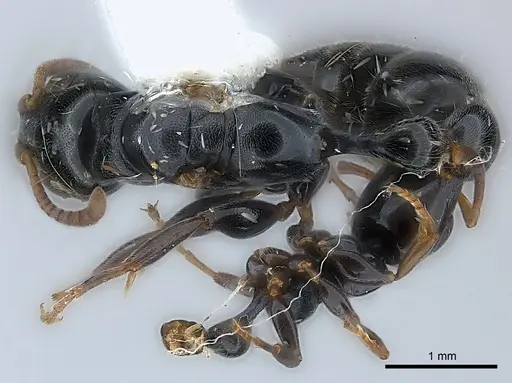
CASENT0901932
View on AntWeb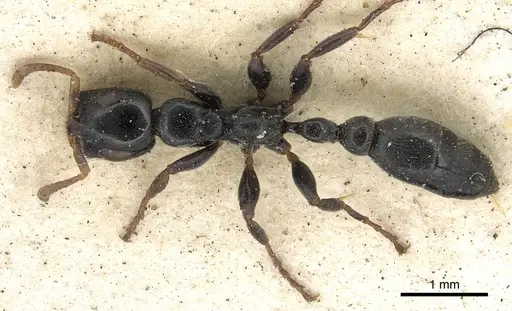
CASENT0902833
View on AntWeb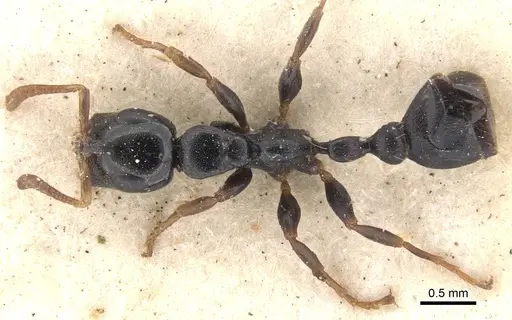
CASENT0904041
View on AntWeb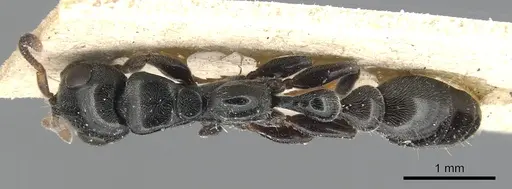
CASENT0916870
View on AntWeb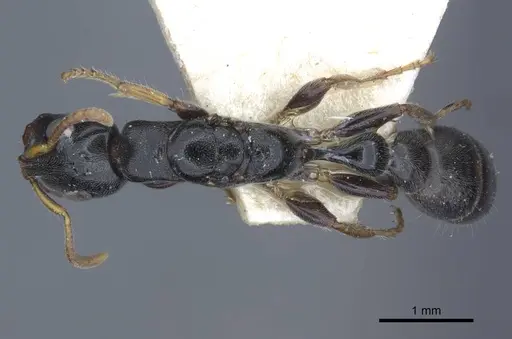
CASENT0916872
View on AntWeb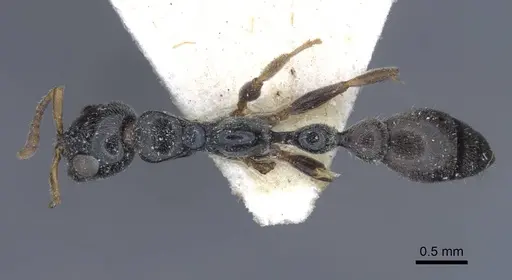
Literature
Loading distribution map...Loading products...