
Tetraponera difficilis
- Sci. Name
- Tetraponera difficilis
- Tribe
- Pseudomyrmecini
- Subfamily
- Pseudomyrmecinae
- Author
- Emery, 1900
- Distribution
- Found in 6 countries
Introduction
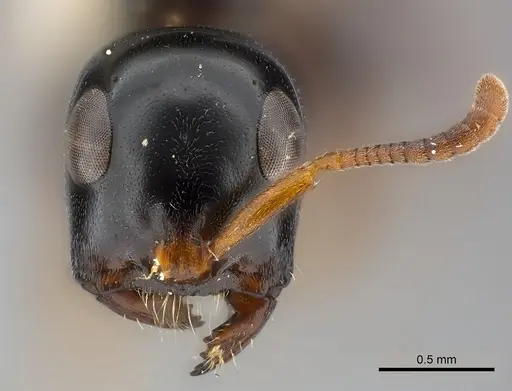
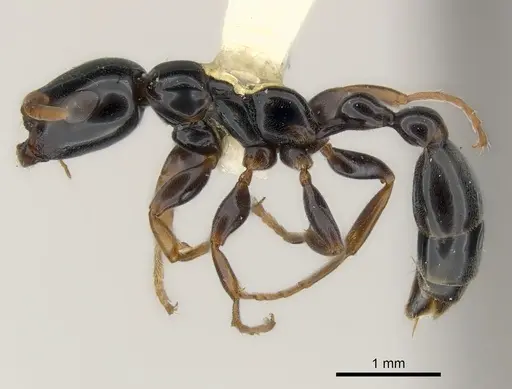
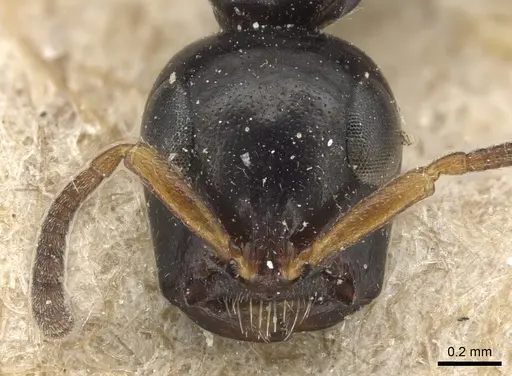
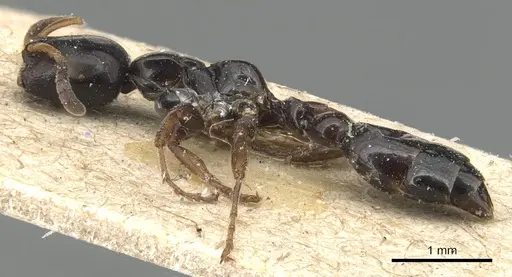
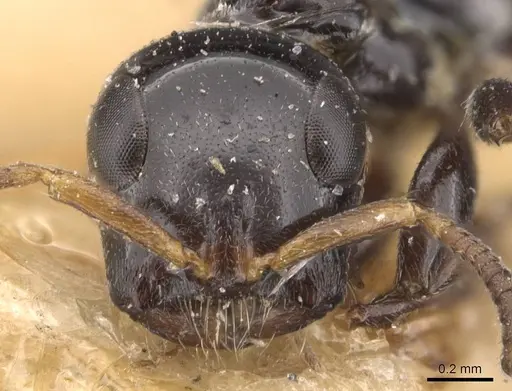
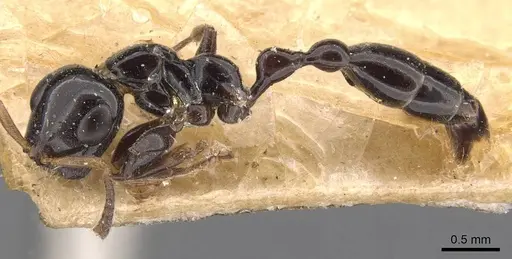
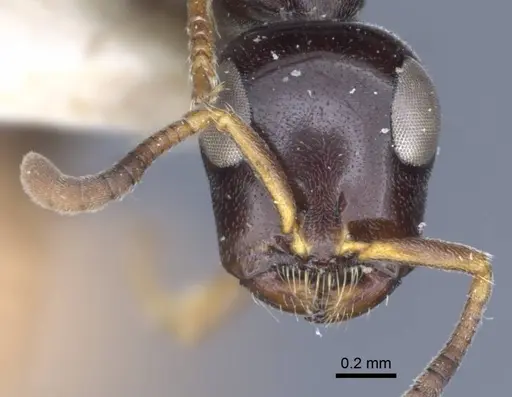
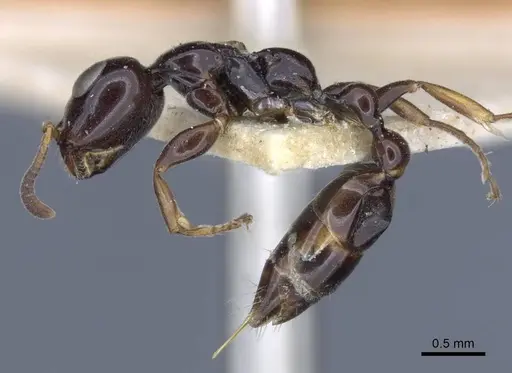
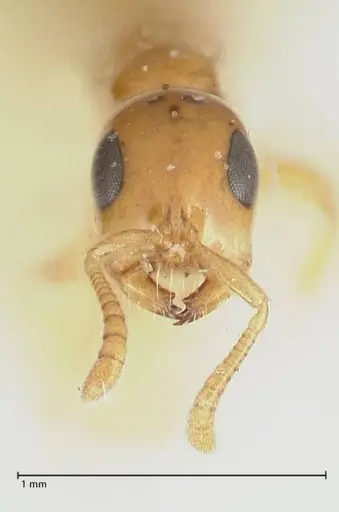
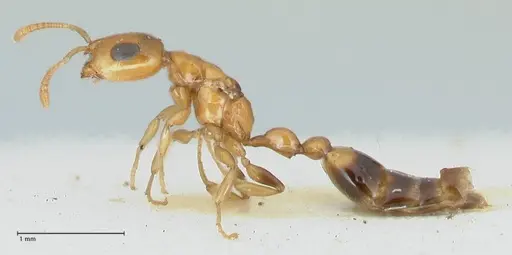
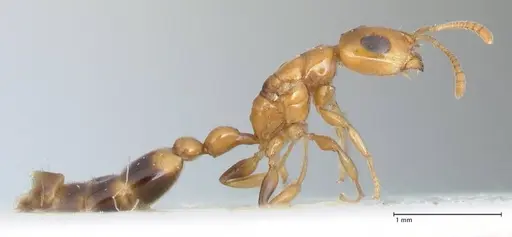
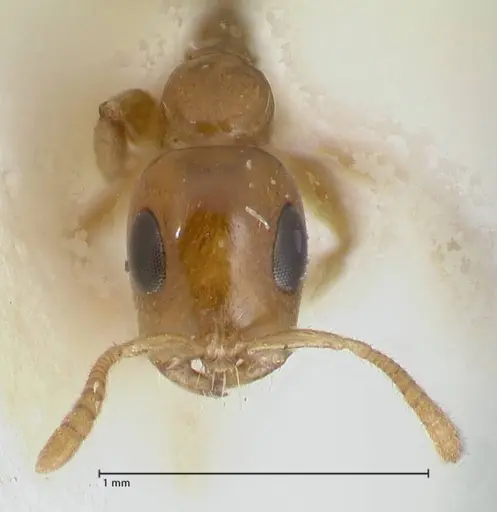
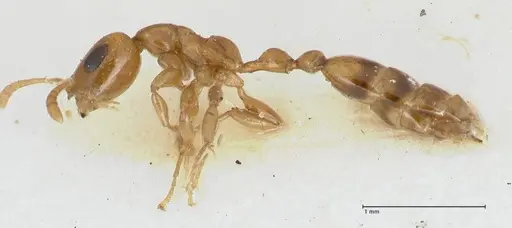
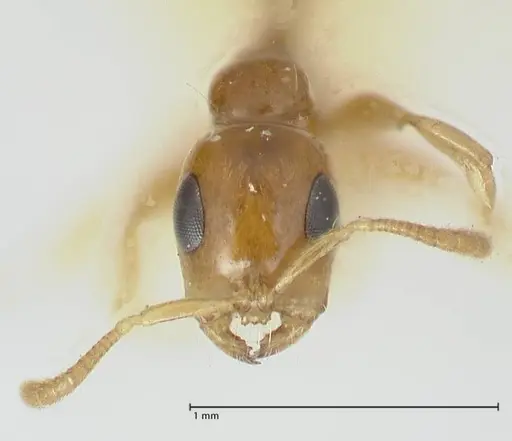
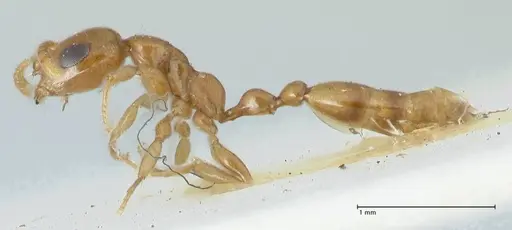
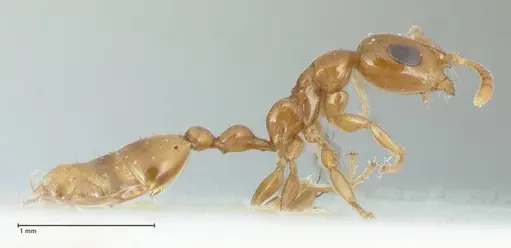
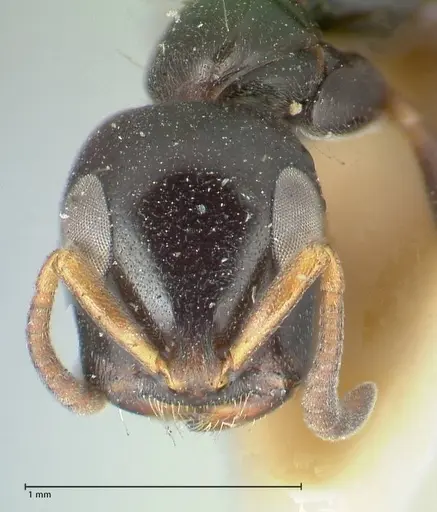
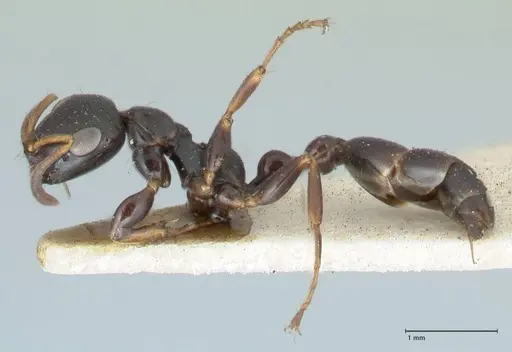
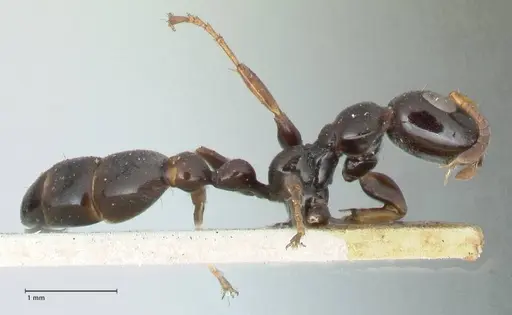
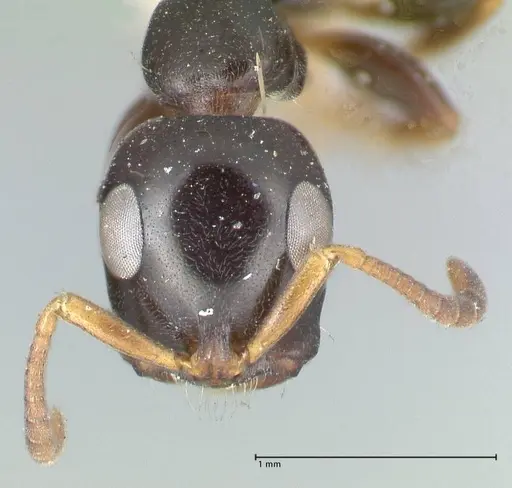
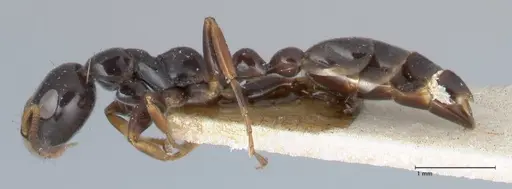
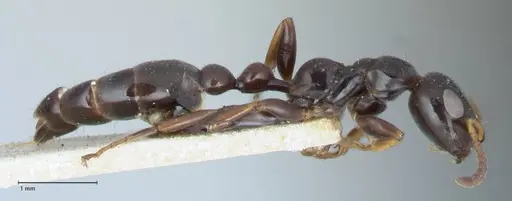
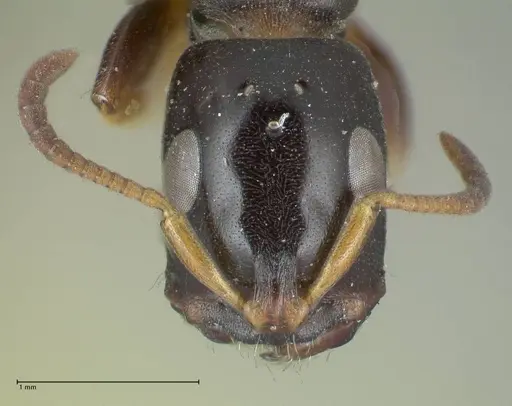
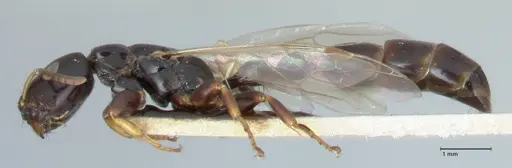
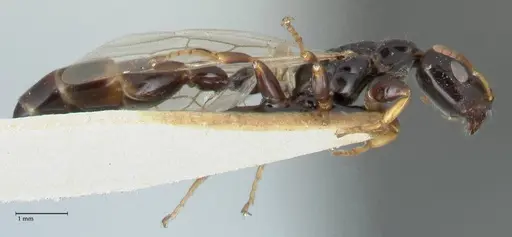
Tetraponera difficilis is a medium-sized arboreal ant native to Southeast Asia, found across Borneo, Indonesia, Malaysia, the Philippines, Singapore, and Thailand . Workers are black to brownish-black with noticeably lighter appendages . They belong to the nigra species group and can be identified by their intermediate eye size, sparse body hairs, and the distinctive structure of their mesopropodeal impression . These ants nest in dead twigs and small cavities in trees, showing remarkable flexibility by colonizing everything from mangrove trees to rainforest edges and even second-growth areas . What sets T. difficilis apart from many other Tetraponera species is their notably aggressive temperament. While related species like T. allaborans, T. extenuata, and T. nitida show relatively passive behavior, T. difficilis workers are actively stinging and defensive . They form polydomous colonies - meaning they occupy multiple connected nest sites rather than a single location . This combination of aggressive defense and complex colony organization makes them a compelling species for experienced antkeepers.
Quick Summary
- Difficulty: Medium
- Origin & Habitat: Native to Southeast Asia including Borneo, Indonesia, Malaysia, Philippines, Singapore, and Thailand. Found in a wide range of habitats: primary and secondary rainforest, rainforest edge, mangrove swamps, lower montane mixed dipterocarp forest, and even Acacia mangium plantations [3]. Also recorded in dry dipterocarp and mixed-deciduous forests [4].
- Colony Type: Polydomous colonies, meaning they nest in multiple connected locations [3]. Monogyny (single queen) is unconfirmed from available studies.
- Size & Growth:
- Queen: Unknown, no body length measurements are documented in the available literature.
- Worker: Medium-sized, but total body length is not documented in available studies. Head width measurements exist but are not representative of overall body size.
- Colony: Unknown, survey data shows moderate abundance in disturbed forests, suggesting colonies may reach several hundred workers, but exact maximum is not recorded [5].
- Growth: Unknown, no published data on colony growth rate.
- Development: Unknown, no published data on development time. (No specific developmental studies exist for this species.)
- Antkeeping:
- Temperature: Keep at 24-28°C, typical of tropical forest species. Avoid temperatures below 20°C. Provide a gradient so workers can self-regulate.
- Humidity: High humidity is needed to match their rainforest habitats. Keep the nest substrate consistently moist but not waterlogged. Avoid dry conditions which can quickly stress or kill colonies.
- Diapause: No, as a tropical species, they do not require hibernation. Maintain consistent warm temperatures year-round.
- Nesting: Arboreal nesting specialists, they naturally inhabit dead twigs, hollow stems, and small tree cavities [3]. In captivity, use Y-tong (AAC) or plaster nests with chambers scaled to their medium size. Because they are polydomous, providing multiple connected chambers or tubes encourages natural colony organization. Test tube setups work for founding, but transition to a more structured nest as the colony grows.
- Behavior: T. difficilis workers are aggressive and actively sting, which sets them apart from many related Tetraponera species [3][6]. They are arboreal foragers that move readily upward into vegetation. Workers are medium-sized and relatively fast-moving. Their polydomous colony structure means they may establish multiple nest sites if given enough space, a fascinating behavior to observe. Escape prevention is important, while not tiny, they are active and will exploit any gaps.
- Common Issues: aggressive stinging workers make handling and colony maintenance challenging, use caution when working with the nest., high humidity requirements mean desiccation can kill a colony quickly if conditions become dry., polydomous nature may lead to them abandoning suboptimal nest sites, ensure housing meets their preferences., tropical species cannot tolerate cool temperatures, keep warm year-round., lack of published data on founding, development, and colony size means care is experimental, monitor closely.
Housing and Nest Setup
T. difficilis is an arboreal species that naturally nests in dead twigs, hollow stems, and small tree cavities [3]. In captivity, they adapt well to Y-tong (AAC) or plaster formicariums with chambers sized for a medium ant. Because they form polydomous colonies in the wild, providing multiple connected chambers or tubes can encourage natural colony organization and reduce stress [3]. A test tube setup works for a founding queen, but you should plan to move to a proper nest once the colony grows beyond 20-30 workers. Regardless of nest type, ensure excellent escape prevention: these ants are active and will find and exploit any gaps.
Temperature and Humidity
As a tropical species from Southeast Asian rainforests, T. difficilis requires warm and humid conditions. Maintain temperatures between 24 and 28°C year-round, they have no known tolerance for cool conditions. A heating cable on one side of the nest creates a gradient. Humidity should be high: keep the nest substrate consistently moist but avoid standing water. These ants naturally inhabit damp forest environments where desiccation is rare, so dry conditions are one of the biggest threats in captivity [3]. Regularly check substrate moisture and consider using a water reservoir or moist substrate.
Feeding and Diet
Like other Pseudomyrmecinae ants, T. difficilis is predatory and likely feeds on small insects and arthropods in the wild. In captivity, offer a varied diet including small live prey such as fruit flies, small crickets, and mealworms. Sugar sources like honey water or sugar water are also typically accepted, based on general ant feeding behavior. Feed protein-rich foods 2-3 times per week and maintain a constant sugar source. Remove uneaten prey after 24-48 hours to prevent mold issues. Note that specific dietary studies for this species are lacking. [3]
Behavior and Temperament
The most distinctive behavioral trait of T. difficilis is their aggressive, actively stinging workers [3][6]. This sets them apart from many related Tetraponera species which show more passive behavior [3]. Workers will readily defend the nest and attack perceived threats, use caution when working with established colonies. They are arboreal by nature and will often forage upwards rather than on the ground. Their polydomous colony structure means they may establish multiple nest sites if given the space, which is interesting to observe but requires appropriate housing. Workers are medium-sized, relatively fast-moving, and show daytime activity patterns typical of tropical forest ants.
Colony Development
T. difficilis forms polydomous colonies, multiple connected nest sites [3]. The colony likely starts with a single queen, but founding and social structure are not well documented. As the colony grows, workers may establish additional nest chambers connected to the main colony. This polydomous structure may help with resource distribution. Development from egg to worker, and exact colony growth rates, are unknown. Colonies appear to reach moderate numbers, based on their presence in disturbed forests [5], but exact maximum size is not recorded.
Frequently Asked Questions
Can I keep Tetraponera difficilis in a test tube?
Yes, test tubes work for founding colonies, but these arboreal ants may do better in Y-tong or plaster nests as they grow. Their polydomous nature means they appreciate having multiple connected chambers. If using test tubes, provide at least 2-3 connected tubes to allow for natural colony organization [3].
Do Tetraponera difficilis ants sting?
Yes, they actively sting and are notably more aggressive than many related Tetraponera species [3][6]. Use caution when working with established colonies, their sting can be painful and they will readily defend the nest.
How long does it take for Tetraponera difficilis to produce first workers?
This is unknown, no published data exists on development time for this species.
Are Tetraponera difficilis good for beginners?
No, they are considered medium difficulty due to their aggressive stinging behavior, high humidity requirements, and need for warm tropical conditions. Their sting and humidity needs make them better suited for more experienced antkeepers.
Do Tetraponera difficilis need hibernation?
No, as a tropical species from Southeast Asia, they do not require hibernation. Maintain consistent temperatures between 24 and 28°C year-round.
What do Tetraponera difficilis eat?
They are predatory and likely feed on small insects and arthropods. Offer live prey like fruit flies, small crickets, and mealworms. They also accept sugar sources like honey water or sugar water. Feed protein 2-3 times weekly with constant sugar access. Specific dietary studies are lacking.
How big do Tetraponera difficilis colonies get?
Exact maximum colony size is not documented. Survey data shows moderate abundance in disturbed forests, suggesting colonies may reach several hundred workers [5].
Why are my Tetraponera difficilis dying?
Common causes include: desiccation from dry conditions (they need high humidity), temperatures below 20°C (they are strict tropical ants), or stress from too much disturbance. Their aggressive nature means they may also be more prone to self-harm if provoked. Ensure warm, humid conditions and minimal nest disturbance.
Can I keep multiple Tetraponera difficilis queens together?
Not recommended, while colonies are polydomous (multiple nest sites), monogyny is unconfirmed but likely. Combining unrelated queens has not been documented and would likely result in fighting.
When should I move Tetraponera difficilis to a formicarium?
Move from test tube to a proper nest (Y-tong or plaster) when the colony reaches 20-30 workers and the test tube becomes cramped. These arboreal ants appreciate vertical space and multiple chambers. Ensure the new setup maintains high humidity.
Report an Issue
The current care sheet is based fully on literature. See inconsistencies, or something that's incorrect? Please , it will be resolved after review from an admin. Contributing to the blogs tab also helps providing information, to make us be able to further improve the caresheets. Thank you for your support!
References

This caresheet is licensed under CC BY-SA 4.0 .
Community Blogs
CASENT0217589
View on AntWeb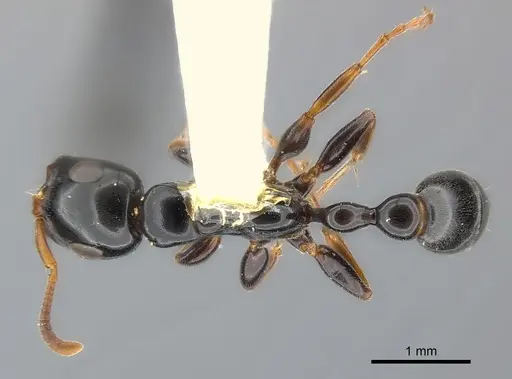
CASENT0904040
View on AntWeb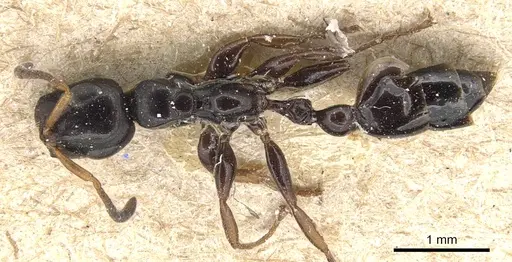
CASENT0907466
View on AntWeb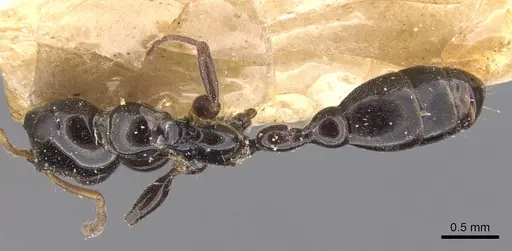
CASENT0916871
View on AntWeb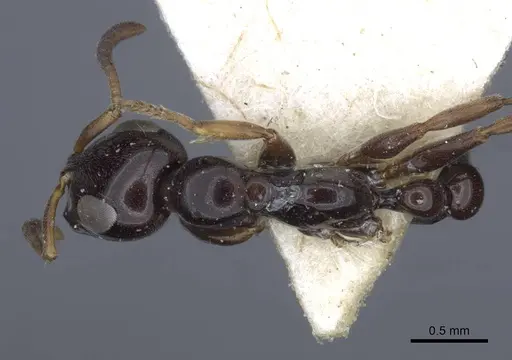
FOCOL1176
View on AntWeb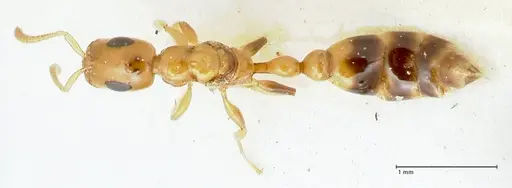
FOCOL1177
View on AntWeb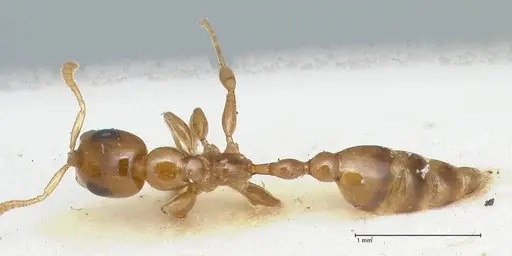
FOCOL1178
View on AntWeb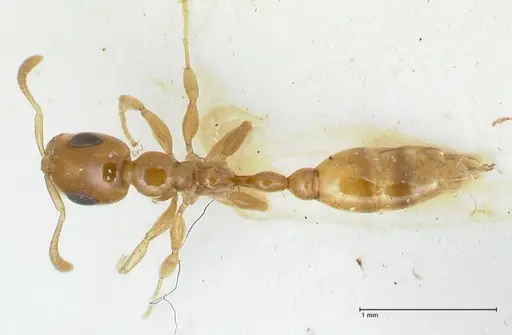
FOCOL1179
View on AntWeb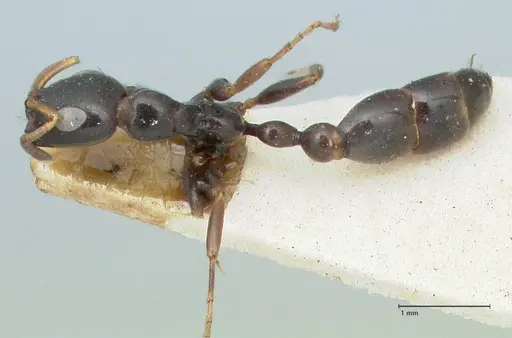
FOCOL1180
View on AntWeb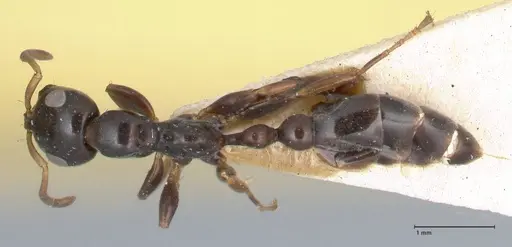
FOCOL1181
View on AntWeb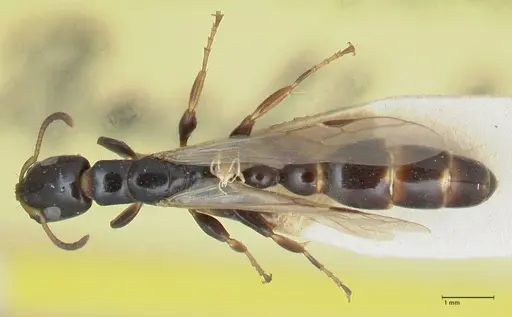
Literature
Loading distribution map...Loading products...