
Coastal Slender ant
Tetraponera caffra
- Sci. Name
- Tetraponera caffra
- Tribe
- Pseudomyrmecini
- Subfamily
- Pseudomyrmecinae
- Author
- Santschi, 1914
- Common Name
- Coastal Slender ant
- Distribution
- Found in 3 countries
Introduction
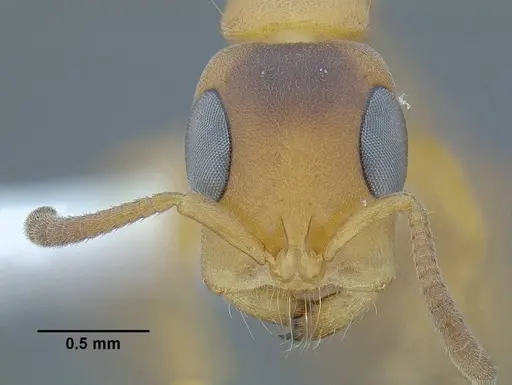
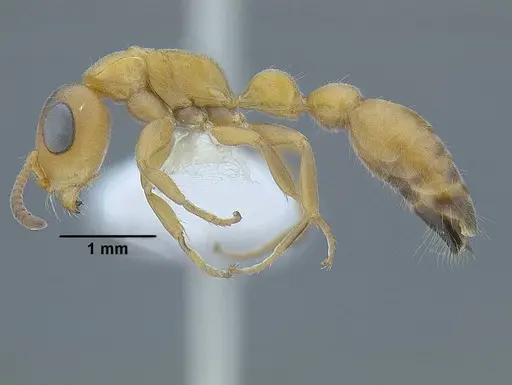
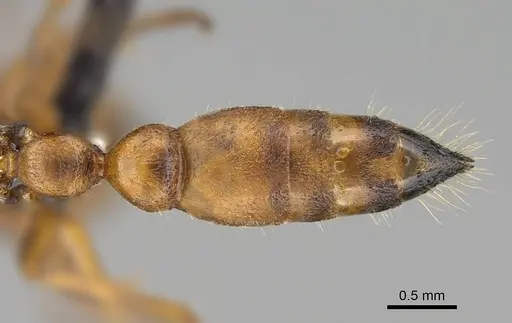
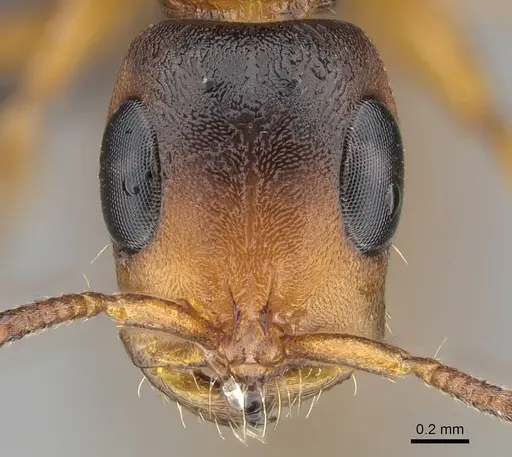
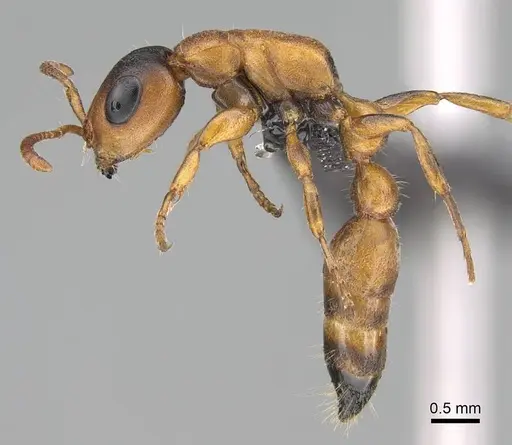
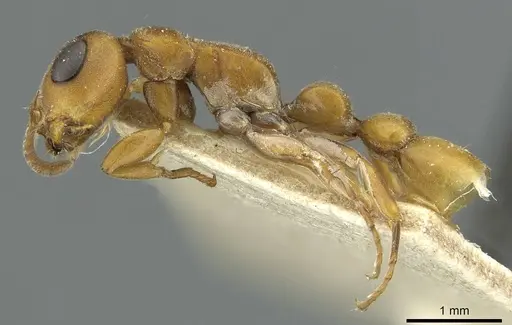
Tetraponera caffra is a small to medium-sized ant from the subfamily Pseudomyrmecinae, commonly called big-eyed ants or twig ants because of their large eyes and slender bodies. Workers are fast-moving and predatory, actively hunting small insects in trees and shrubs. This species is native to South Africa in the Afrotropical region . It was originally described as a subspecies of Tetraponera natalensis before being raised to full species status in 2005 . Like other Pseudomyrmecinae, T. caffra nests in hollow twigs, dead branches, or rotting wood in trees and shrubs. Their large compound eyes give them excellent vision for hunting.
Quick Summary
- Difficulty: Medium
- Origin & Habitat: South Africa, Afrotropical region [1]. These ants live arboreally in trees and shrubs, nesting in hollow twigs, dead branches, and rotting wood [2].
- Colony Type: Likely monogyne (single queen) based on typical Pseudomyrmecinae patterns, but this is unconfirmed. Colony size is likely small to moderate.
- Size & Growth:
- Queen: ~6-8mm, inferred from related Tetraponera species (no direct measurements available)
- Worker: ~4-7mm, inferred from genus averages [2]
- Colony: Unknown, likely under a few hundred workers based on arboreal nesting habits
- Growth: Moderate, based on typical genus patterns
- Development: Estimated 6-10 weeks at warm conditions, based on related Pseudomyrmecinae species (Development time depends heavily on temperature, exact timeline unconfirmed for this species.)
- Antkeeping:
- Temperature: Maintain warm conditions around 22-26°C, typical for subtropical species. Exact requirements are unknown, avoid extremes above 30°C.
- Humidity: Provide moderate to high humidity. The nest substrate should be kept damp but not waterlogged. Mist the outworld occasionally and provide a water source.
- Diapause: Unknown, may benefit from a mild winter rest given South African origin, but details are unconfirmed. If attempted, reduce temperature to 15-18°C for 2-3 months during local winter and reduce feeding.
- Nesting: Arboreal specialists: use hollow twigs, cork tubes, or a formicarium with narrow, thin chambers (3-5mm height) that mimic twig interiors. Y-tong (AAC) or plaster nests work well. Provide climbing structures and branches in the outworld.
- Behavior: T. caffra is active, fast-moving, and visually oriented. Workers have large eyes and actively hunt small insects. They are not typically aggressive toward keepers but will defend the nest if disturbed. Their primary defense is speed, they flee quickly. They have a functional sting [1] and can sting if handled roughly. Escape prevention is critical: they are excellent climbers and can squeeze through tiny gaps.
- Common Issues: escape prevention is critical, they are excellent climbers and can squeeze through small gaps in lids and connections, arboreal nesting means they need vertical space and climbing structures, not just horizontal floor space, predatory diet requires consistent live prey, colonies can struggle if they only receive dead insects, small colony sizes make them vulnerable to disturbance, avoid excessive handling, humidity control is important, too dry desiccates brood, too wet causes mold
Housing and Nest Setup
T. caffra naturally nests in hollow twigs, dead branches, and rotting wood in trees [2]. Replicate these conditions by providing narrow, enclosed spaces. A Y-tong (AAC) nest with thin chambers works well, or you can use custom acrylic nests with chambers about 3-5mm high. Cork tubes or hollow branches are also good options. The nest should be kept dark to encourage activity. In the outworld, provide vertical climbing surfaces like branches, twigs, or mesh. These ants are excellent climbers, so seal all connections tightly and use fluon or similar barriers on smooth surfaces to prevent escapes. Include a small area of substrate or leaf litter in the outworld for natural foraging.
Feeding and Diet
As a predatory Pseudomyrmecinae, T. caffra needs live prey to trigger hunting behavior. Offer small insects such as fruit flies, small crickets, mealworms, or waxworms. They have good vision and will actively chase their prey. Occasionally you can provide frozen or pre-killed insects if live prey is unavailable, but live food is best. Sugar sources like honey water or sugar water can be offered in small amounts, but protein should be the main part of their diet. Feed every 2-3 days, adjusting based on colony size and consumption. Remove uneaten prey after 24 hours to prevent mold. Always provide a clean water source. [2]
Temperature and Seasonal Care
Maintain temperature around 22-26°C for general activity. Exact optimal range is unknown, but avoid temperatures above 30°C which can be dangerous. A temperature gradient allows ants to self-regulate. Since this species comes from South Africa [1], it may experience a mild winter in its natural habitat. A winter rest period may be beneficial, but this is unconfirmed. If you choose to cool them, reduce temperature to 15-18°C for 2-3 months during your local winter and reduce feeding significantly. Resume normal temperatures gradually in spring.
Behavior and Colony Dynamics
Workers are fast-moving and visually oriented, actively hunting during daylight. They are not aggressive toward humans but will defend the nest if disturbed. Their primary defense is speed: they flee quickly. They also have a functional sting [1] for defense against threats. Colonies are relatively small, typical of arboreal Pseudomyrmecinae, reaching likely under a few hundred workers. The queen lays eggs continuously once established, and brood development is temperature-dependent. These ants are engaging to watch because of their active hunting and climbing behavior.
Growth and Development
Colony growth is moderate. Exact founding behavior is unknown, but based on genus patterns the queen likely raises the first workers without foraging (claustral founding). The first workers (nanitics) are smaller than mature workers. Development time from egg to worker is estimated at 6-10 weeks at optimal temperature, but this is not confirmed for this species. Colony growth depends on temperature, feeding frequency, and prey availability. A mature colony may contain several hundred workers, but patience is required. Their active hunting behavior makes them rewarding to keep.
Frequently Asked Questions
Can I keep Tetraponera caffra in a test tube?
Test tubes can work for founding but are not ideal long-term. They prefer narrow, enclosed spaces like hollow twigs, so a Y-tong (AAC) nest or custom acrylic nest with thin chambers is better long term. If using test tubes, provide a large outworld with climbing structures.
How long does it take for Tetraponera caffra to produce first workers?
Estimated 6-10 weeks after egg-laying at warm conditions (22-26°C), but this is not confirmed. Development time varies with temperature.
What do Tetraponera caffra ants eat?
They are predatory and need live small insects like fruit flies, small crickets, and mealworms. They may also accept small amounts of sugar water, but protein is the main diet.
Are Tetraponera caffra ants aggressive?
They are not aggressive toward keepers but will defend the nest if disturbed. Their primary defense is speed, but they also have a functional sting [1].
Do Tetraponera caffra ants need hibernation?
Unknown, they come from South Africa, which has a mild winter. A winter rest period may be beneficial, but details are unconfirmed. If attempted, reduce temperature to 15-18°C for 2-3 months.
How big do Tetraponera caffra colonies get?
Unknown, likely under a few hundred workers, typical for arboreal Pseudomyrmecinae. No specific data available.
Can I keep multiple Tetraponera caffra queens together?
This species is likely monogyne (single queen), but this is unconfirmed. Combining unrelated queens is not recommended as they may fight.
Why are my Tetraponera caffra ants dying?
Common causes include: escape (they are excellent climbers), lack of live prey, improper humidity (too dry kills brood), or temperature stress (above 30°C is dangerous). Check these parameters.
Are Tetraponera caffra good for beginners?
They are rated medium difficulty. They need specific arboreal housing and a steady supply of live prey, but their active behavior is rewarding for keepers willing to meet their needs.
Do Tetraponera caffra ants sting?
Yes, they have a functional sting [1] and can sting if handled. The sting is likely mild, similar to a minor bee sting, but reactions vary.
Report an Issue
The current care sheet is based fully on literature. See inconsistencies, or something that's incorrect? Please , it will be resolved after review from an admin. Contributing to the blogs tab also helps providing information, to make us be able to further improve the caresheets. Thank you for your support!
References

This caresheet is licensed under CC BY-SA 4.0 .
Community Blogs
CASENT0220752
View on AntWeb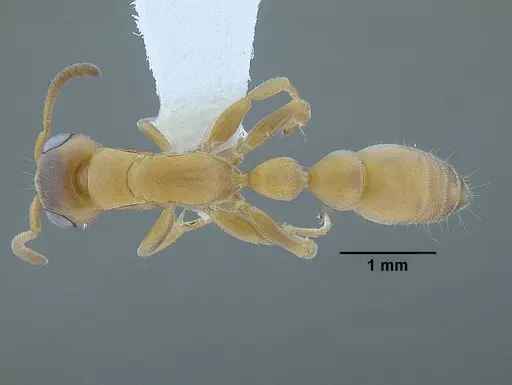
CASENT0822190
View on AntWeb
CASENT0822192
View on AntWeb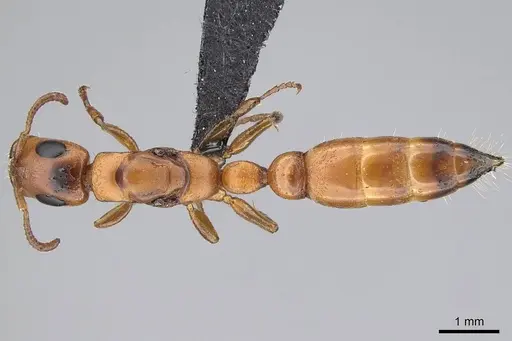
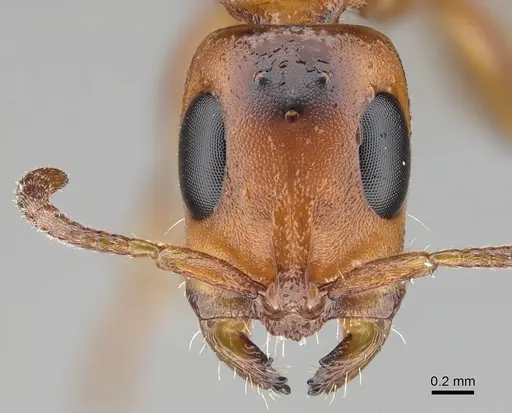
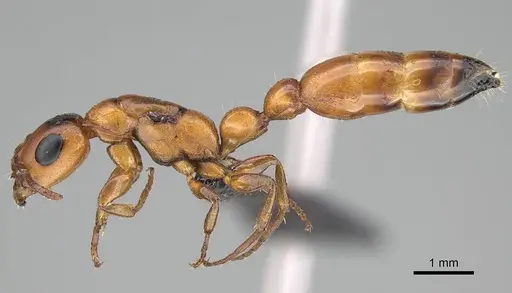
CASENT0822194
View on AntWeb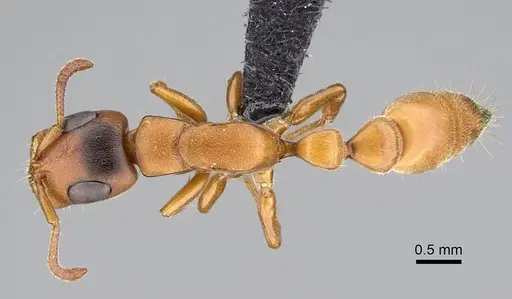
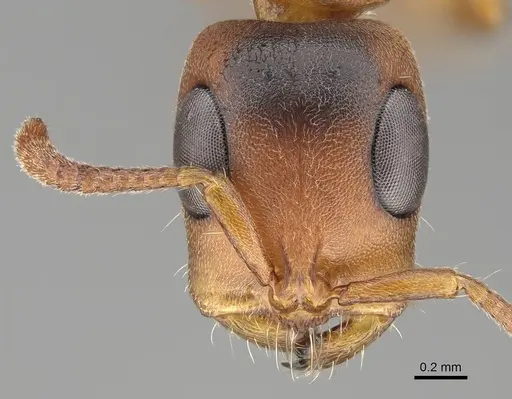
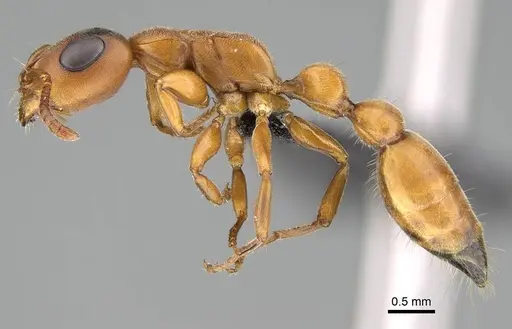
CASENT0822195
View on AntWeb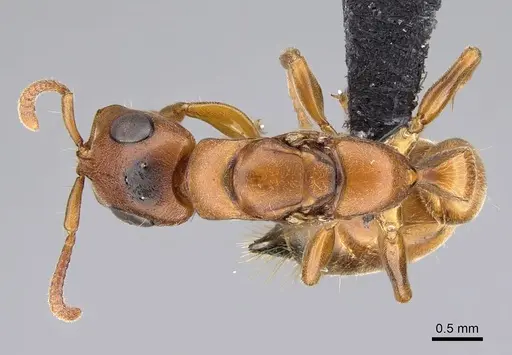
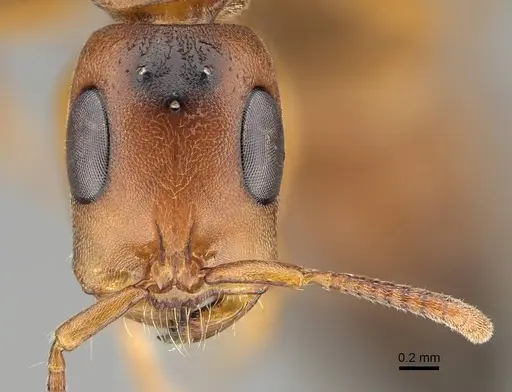
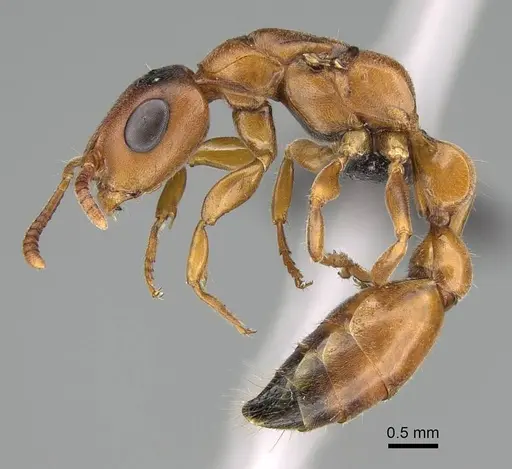
CASENT0822197
View on AntWeb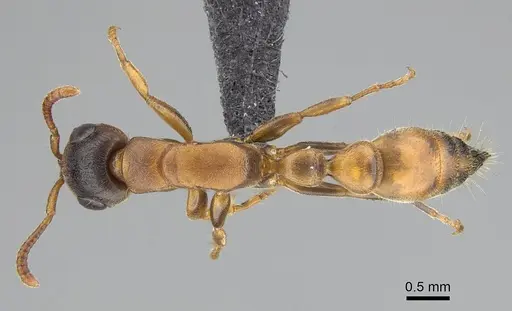
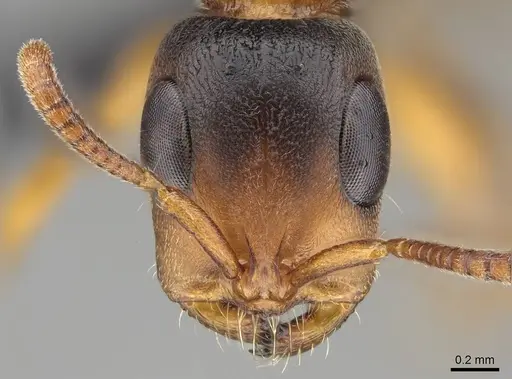
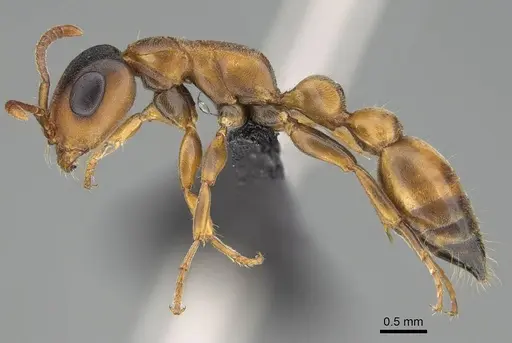
CASENT0915532
View on AntWeb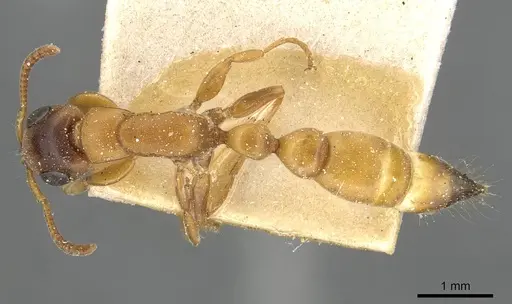
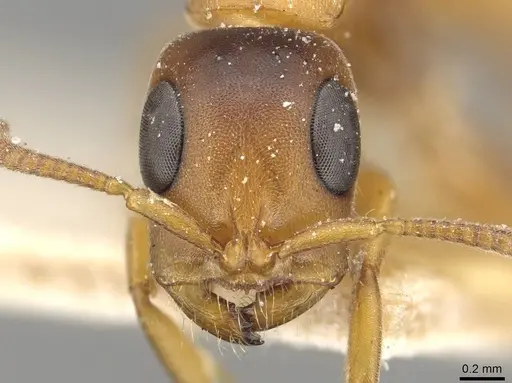
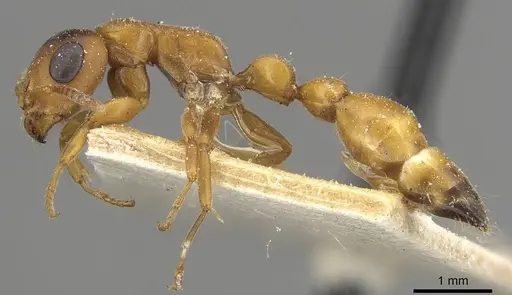
RMCAENT000017746
View on AntWeb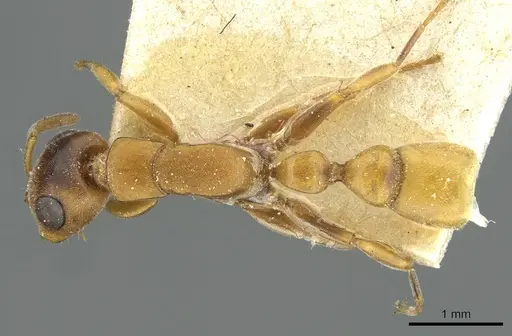
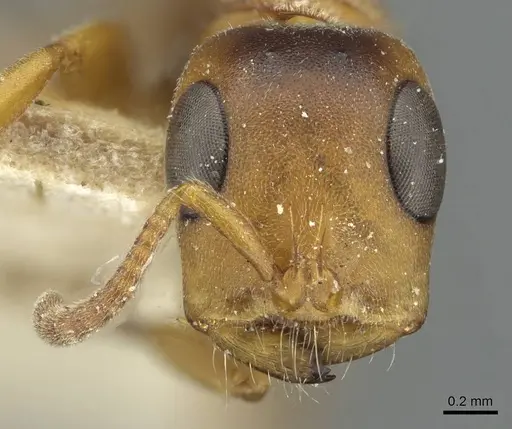
Literature
Loading distribution map...Loading products...