
Tetraponera amargina
- Sci. Name
- Tetraponera amargina
- Tribe
- Pseudomyrmecini
- Subfamily
- Pseudomyrmecinae
- Author
- Xu & Chai, 2004
- Distribution
- Found in 1 countries
Introduction
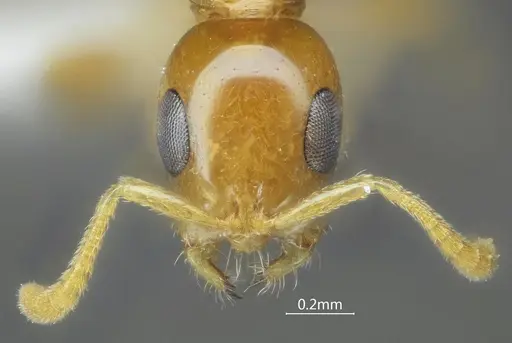
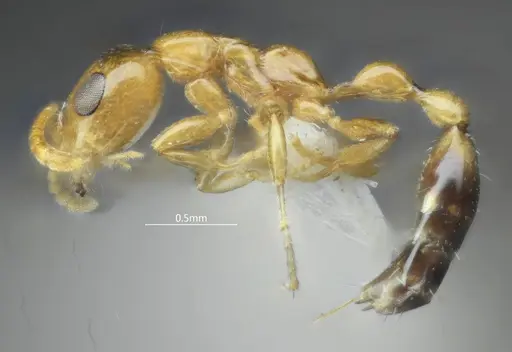
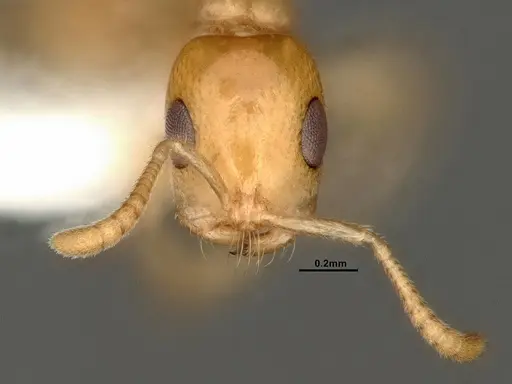
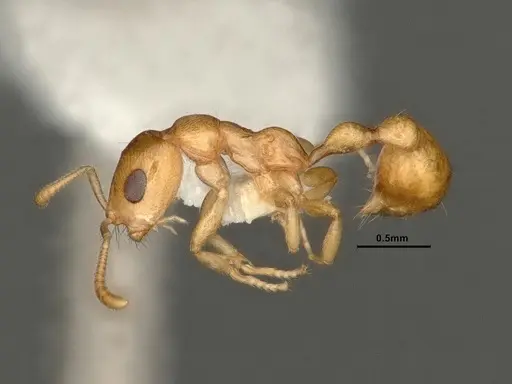
Tetraponera amargina is a small ant from the subfamily Pseudomyrmecinae, native to southern China. Workers measure 3.2–3.6 mm and are bright yellow with a black abdomen, though some workers have entirely yellow gasters . Queens are larger at 3.8–4.4 mm and have three distinct ocelli (simple eyes) on the head . They belong to the Tetraponera allaborans species group and look similar to Tetraponera modesta, but can be told apart by a roundly convex and symmetrical petiolar node . The whole body is smooth and shiny, with sparse, short hairs. This ant is a habitat specialist that lives only in primary old‑growth forests at elevations of 850–1300 m in Yunnan Province, China . It has never been found in secondary forest or rubber plantations, making it a good indicator of undisturbed forest . Like most Pseudomyrmecinae, they are arboreal and nest in hollow twigs, branches, or plant cavities.
Quick Summary
- Difficulty: Medium
- Origin & Habitat: Southern China (Yunnan Province) – high‑elevation primary forests (850–1300 m) in Xishuangbanna Nature Reserve and Ailaoshan Mountain. Found in mountain rain forest, seasonal rain forest, semi‑evergreen monsoon forest, deciduous monsoon forest, warm conifer forest, and conifer‑broadleaf mixed forest [1]. Never recorded outside primary forest [2].
- Colony Type: Unconfirmed. Related Tetraponera species are typically monogyne (single queen), but no research exists on the social structure of Tetraponera amargina itself.
- Size & Growth:
- Queen: 3.8–4.4 mm (total length) [1]
- Worker: 3.2–3.6 mm (total length) [1]
- Colony: Unknown. Based on related species, colonies probably stay under a few hundred workers.
- Growth: Unknown – no data. Moderate, inferred from genus patterns.
- Development: Unknown. No data available for this species. (All development information is speculative. Expect roughly 6–10 weeks if temperatures are optimal, but this is an educated guess.)
- Antkeeping:
- Temperature: No specific data. As a subtropical forest ant, keep temperatures stable around 22–26 °C. Avoid sudden swings or drafts.
- Humidity: High humidity is needed. Keep the nest substrate moist but not waterlogged, and maintain overall high ambient humidity – similar to a tropical forest understory.
- Diapause: Unknown. Yunnan has cool winters, so a winter rest period (2–3 months at 15–18 °C) may be beneficial, but this is unconfirmed.
- Nesting: Arboreal. Use hollow bamboo sections, cork bark tubes, or narrow‑chambered Y‑tong nests. They need tight, enclosed spaces. Avoid large open chambers.
- Behavior: Based on its subfamily, Tetraponera amargina has a functional sting and is likely alert and quick‑moving. Their small size (3–4 mm) makes escape prevention critical – use fine mesh (≤0.5 mm) or a Fluon barrier. They probably hunt small arthropods and may accept honeydew.
- Common Issues: primary forest specialist – may not adapt well to captive conditions, all care advice is experimental, tiny size makes escapes a serious risk, excellent barriers are essential, high humidity needs can cause mold if ventilation is poor, no field data on captive care exists – expect trial and error
Natural History and Distribution
Tetraponera amargina is endemic to Yunnan Province in southern China, specifically the Xishuangbanna region and Ailaoshan Mountain area [1]. It lives only in primary old‑growth forests at elevations of 850–1300 m, never in secondary forests or rubber plantations [2]. Type specimens were collected from diverse primary forest types – mountain rain forest, seasonal rain forest, monsoon forests, warm conifer forest, and mixed conifer‑broadleaf forest [1]. This extreme habitat specialization makes T. amargina a good indicator of undisturbed forest. They are arboreal ants that likely nest in hollow twigs, branches, and tree cavities, as is usual for the subfamily Pseudomyrmecinae.
Housing and Nest Setup
Because this species is arboreal, provide hollow bamboo sections, cork bark tubes, or narrow‑chambered Y‑tong nests. Their small size (workers ~3.2–3.6 mm) means passages should be narrow – think tight wood cavities. The outworld should have vertical climbing surfaces (twigs, mesh) and plenty of visual cover. Keep the nest area humid but with good ventilation to avoid mold. Escape prevention is essential: use a fine mesh (≤0.5 mm) or apply Fluon to container edges. Their tiny size lets them squeeze through very small gaps. [1]
Temperature and Seasonal Care
No direct data exists for this species. As a subtropical high‑elevation forest ant, stable temperatures around 22–26 °C are likely best. Avoid placing the nest near air conditioning vents, windows with direct sun, or other sources of rapid temperature change. Because Yunnan has cool winters, a winter rest period (2–3 months at 15–18 °C) may be helpful, but this is unconfirmed – watch your colony and adapt.
Feeding and Diet
There is no species‑specific dietary data. Based on related Pseudomyrmecinae, Tetraponera amargina probably hunts small arthropods. Offer small live prey such as fruit flies, pinhead crickets, springtails, or small mealworms. They may also accept sugar water or diluted honey as a supplement. Feed small portions 2–3 times per week and remove leftovers after 24 hours to prevent mold.
Colony Development
Founding behavior is unknown for Tetraponera amargina. Many Pseudomyrmecinae are claustral (the queen seals herself in and raises the first workers using stored fat), but this is not confirmed for this species. Development time from egg to worker and maximum colony size are also unknown. Patience is essential – do not disturb a founding queen. The colony is likely to grow slowly.
Frequently Asked Questions
How long does it take for Tetraponera amargina to produce first workers?
Unknown – no data available for this species. If you keep them at 22–26 °C,6–10 weeks is a rough guess based on related species.
What size colony does Tetraponera amargina reach?
Unknown. Based on similar Tetraponera species, colonies probably do not exceed a few hundred workers.
Do Tetraponera amargina ants sting?
As a member of the subfamily Pseudomyrmecinae, they have a functional sting. It is likely mild due to their small size, but they may use it if threatened.
Can I keep Tetraponera amargina in a test tube setup?
A test tube can work for founding, but this arboreal species prefers tight, enclosed spaces like hollow bamboo or cork bark. A small Y‑tong nest with narrow chambers is better long‑term.
Does Tetraponera amargina need hibernation?
Probably beneficial but unconfirmed. Because its native Yunnan has cool winters, a 2–3 month rest at 15–18 °C may help, but no research confirms this.
Are Tetraponera amargina good for beginners?
No. This is a habitat specialist with very specific needs, and almost no captive care data exists. It is more suitable for experienced keepers willing to experiment.
What do Tetraponera amargina eat?
No confirmed data. They likely take small live prey (fruit flies, springtails) and may accept sugar water. Offer a varied diet.
Why is my Tetraponera amargina colony dying?
The most likely causes are incorrect humidity (too low or too high), temperature stress, poor ventilation, or insufficient protein. Because so little is known, you will need to experiment carefully.
When should I move Tetraponera amargina to a formicarium?
Unknown – the optimal colony size for moving is not established. Wait until the colony clearly outgrows its current nest before attempting a move, and do so gently to avoid stressing the queen.
Can I keep multiple Tetraponera amargina queens together?
Colony structure is unconfirmed for this species. Related Tetraponera are usually monogyne (single queen), so combining queens is not recommended without documented success in this species.
Report an Issue
The current care sheet is based fully on literature. See inconsistencies, or something that's incorrect? Please , it will be resolved after review from an admin. Contributing to the blogs tab also helps providing information, to make us be able to further improve the caresheets. Thank you for your support!
References

This caresheet is licensed under CC BY-SA 4.0 .
Community Blogs
ANTWEB1060539
View on AntWeb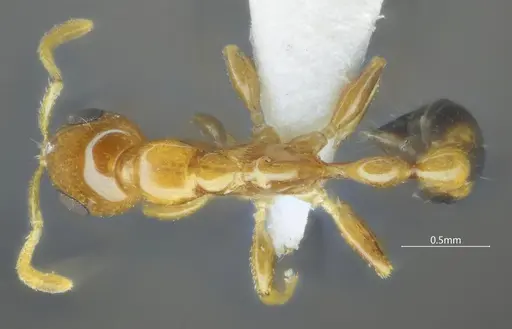
CASENT0884318
View on AntWeb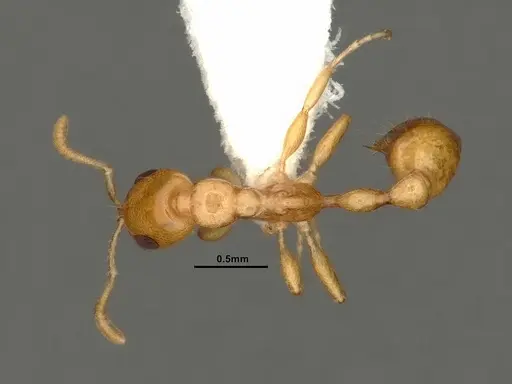
Literature
Loading distribution map...Loading products...