Tetraponera allaborans shows a January to December flight window. Peak activity occurs in January, with nuptial flights distributed across 3 months.

Tetraponera allaborans
- Sci. Name
- Tetraponera allaborans
- Tribe
- Pseudomyrmecini
- Subfamily
- Pseudomyrmecinae
- Author
- Walker, 1859
- Distribution
- Found in 14 countries
- Nuptial Flight
- From January to December
- Peak flight Time
- 11:00
AI Identifiable
try →
Introduction
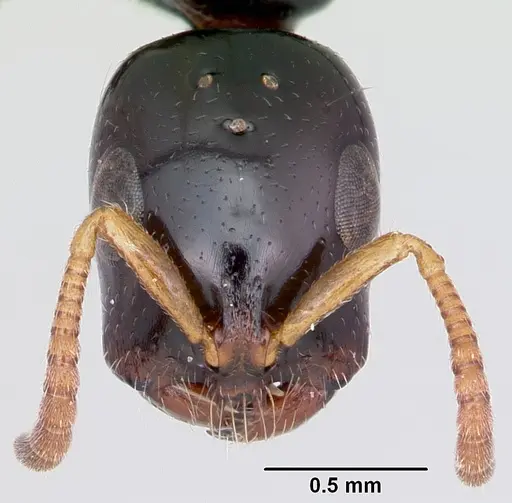
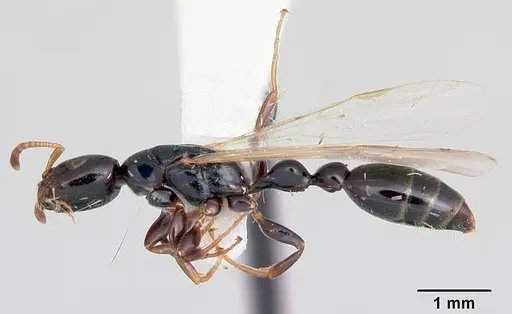
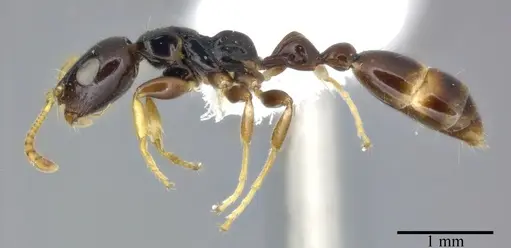
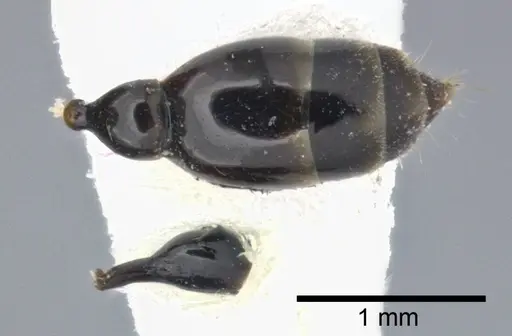
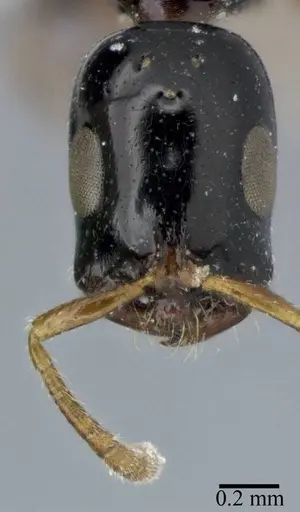
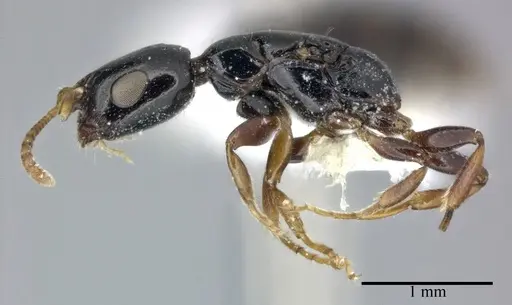
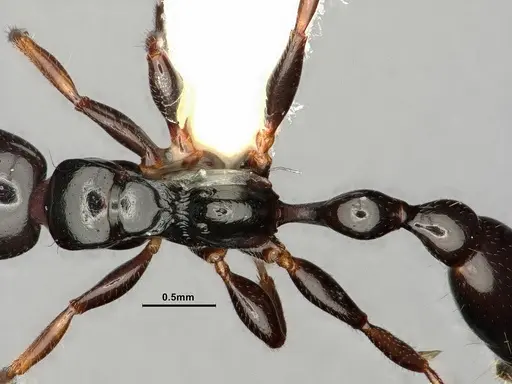
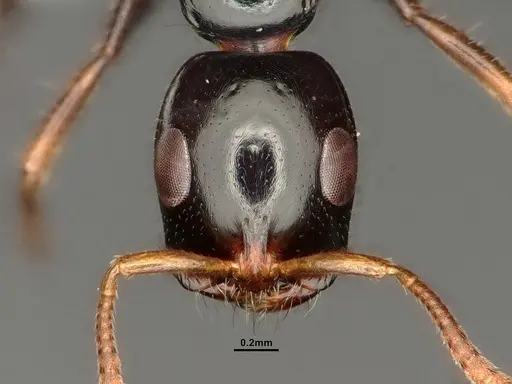
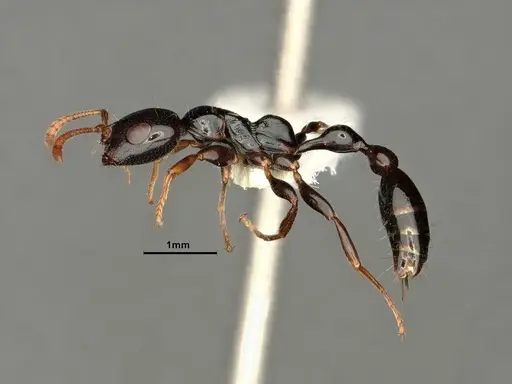
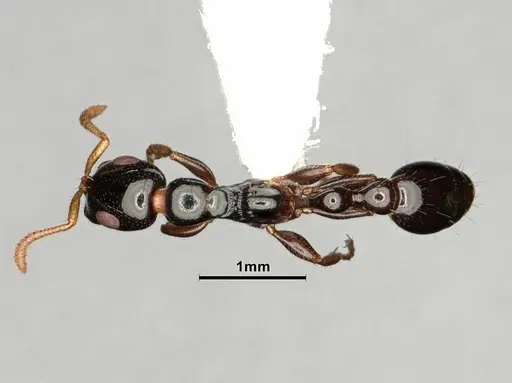
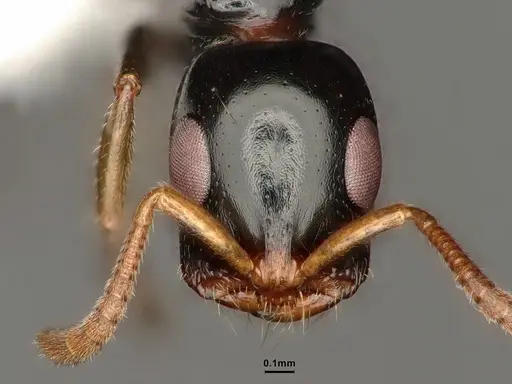
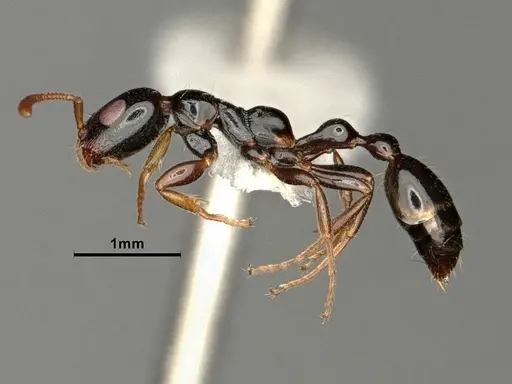
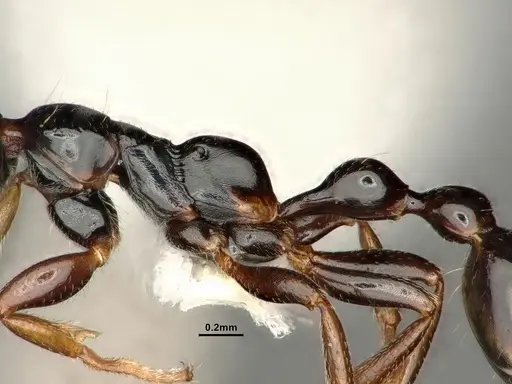
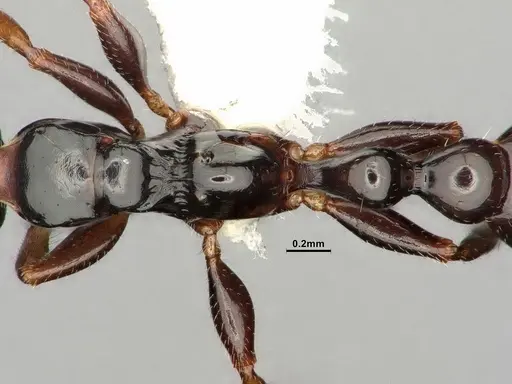
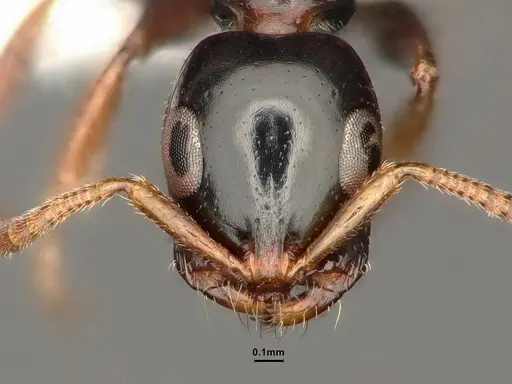
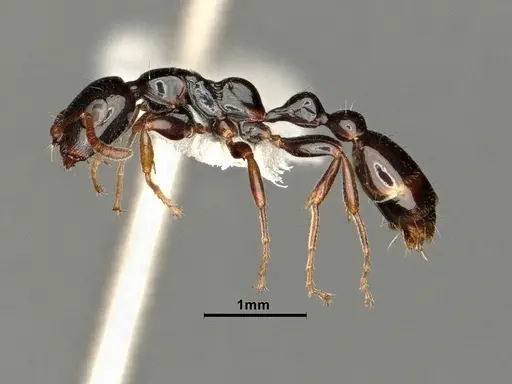
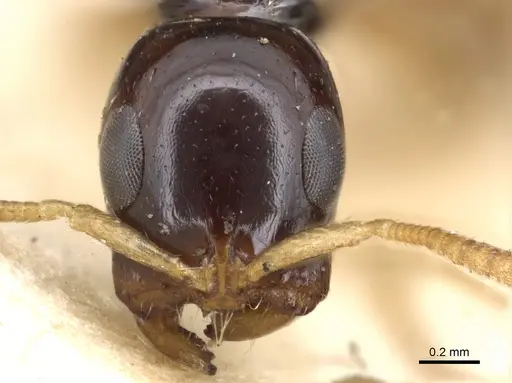
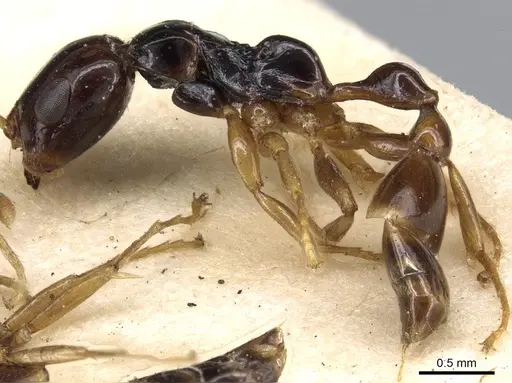
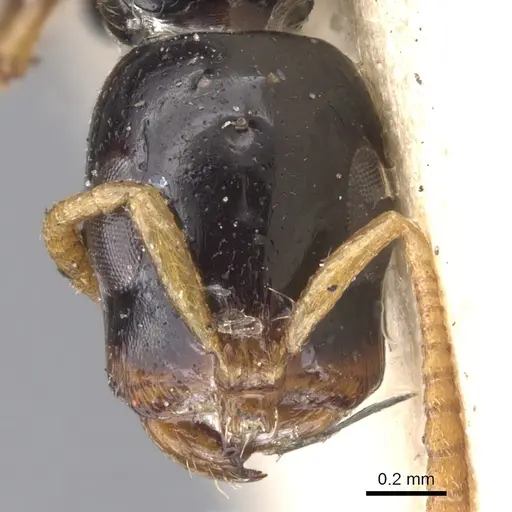
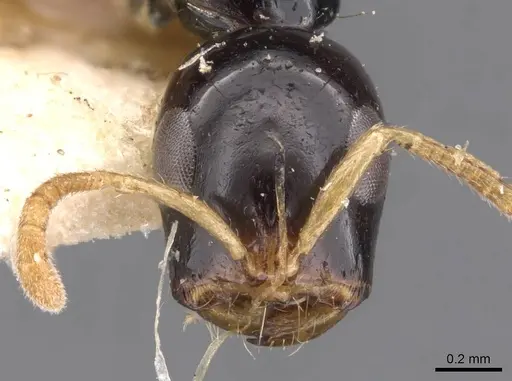
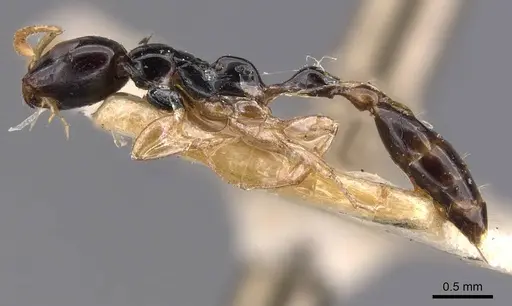
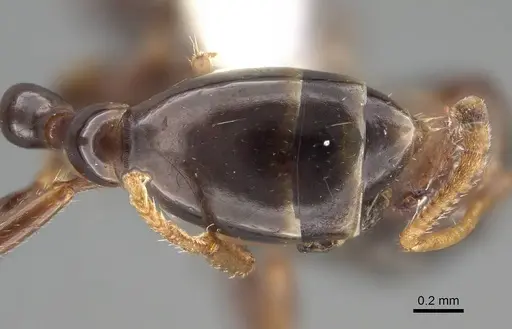
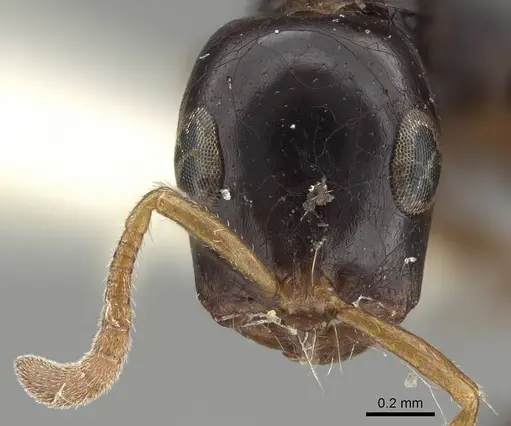
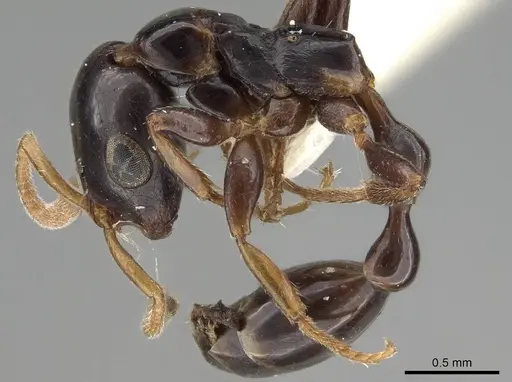
Tetraponera allaborans is a small to medium-sized arboreal ant from tropical Asia and northern Australia. Workers measure 4.1-5.8 mm and are black or dark brownish-black with a highly polished, shining body. The mandibles, antennae, and legs are often lighter in color (reddish yellow to reddish brown) . This species belongs to the Pseudomyrmecinae subfamily, which are slender ants with large eyes. Their most notable trait is nesting exclusively in preformed plant cavities like dead twigs and branches. They have been found in a huge variety of host plants, including Citharexylum spinosum, Gliricidia sepium, Hibiscus tiliaceus, and Gigantochloa bamboo . They are often associated with scale insects (Coccoidea) that produce honeydew . In the wild, they avoid dense primary forest and are more common in open, disturbed habitats like rubber plantations and urban parkland . The species is diurnal and has been seen tending aphids for honeydew .
Quick Summary
- Difficulty: Expert
- Origin & Habitat: Tetraponera allaborans occurs from India and Sri Lanka east to China and Taiwan, and south through Southeast Asia to northern Australia [7]. It occupies an exceptionally broad range of habitats: primary rainforest, secondary rainforest, montane rainforest, broad-leaved evergreen forest, oak-pine forest, bamboo forest, tropical dry forest, riparian forest, mangrove, rubber plantations, and urban parkland [3]. Elevational range is 75–1450 m [8].
- Colony Type: Colony structure is not well documented. Based on related Tetraponera species, they likely have a single queen (monogyne), but this is unconfirmed. Workers are monomorphic (all the same size) [9].
- Size & Growth:
- Queen: ~7-8 mm (inferred from Tetraponera genus) [10]
- Worker: 4.1-5.8 mm [1][2]
- Colony: Not well documented, based on related species, likely several hundred workers.
- Growth: Growth rate is unconfirmed. Based on its tropical distribution, expect moderate growth.
- Development: Development timeline is unconfirmed. Based on typical tropical Pseudomyrmecinae patterns, estimate 6-10 weeks from egg to worker at optimal temperatures (24-26°C). (Tropical species – development is likely faster than in temperate ants due to year-round warm conditions in their native range.)
- Antkeeping:
- Temperature: Keep at 22-28°C (ideally 24-26°C). Avoid temperatures below 18°C for extended periods. These ants are from warm climates and do well at typical room temperatures.
- Humidity: Provide moderate to high humidity (nest substrate slightly moist but not waterlogged,60-80% relative humidity). Good ventilation is essential to prevent mold. As an arboreal species nesting in plant cavities, they prefer humid conditions.
- Diapause: No diapause required. This tropical species remains active year-round in its native range [11].
- Nesting: Arboreal only – they exclusively use preformed plant cavities like dead twigs, bamboo sections, or cork bark. Provide naturalistic setups with hollow branches or narrow-chambered nests. They will not dig in soil. Test tubes work for founding but eventually need twig or bark nesting [3].
- Behavior: Tetraponera allaborans is a diurnal, arboreal ant that forages in trees and shrubs [6]. They are fast-moving and alert, relying partly on vision for hunting. Workers have functional stingers (like all Pseudomyrmecinae) and may sting if threatened, but they are not particularly aggressive – their main defense is escaping quickly. They have been seen tending aphids and scale insects for honeydew [5][3]. Escape risk is significant due to their small size (4-6 mm) and agile climbing ability.
- Common Issues: thrives only in arboreal setups – standard soil nests will be rejected and can kill the colony, high escape risk due to small size and climbing ability – requires secure containment, mold problems can occur if ventilation is poor, especially in humid setups with twig nests, limited availability in the antkeeping trade, may be hard to find, WARNING: This species is considered invasive in some regions (e.g., China, Europe). Do not release any ants outside their native range. Extreme precautions against escape are required.
Nuptial Flight Activity Analysis 72 observations
Flight Activity by Hour 72 observations
Tetraponera allaborans nuptial flight activity peaks around 11:00 during the late morning to early afternoon. Activity is spread across a 24-hour window (00:00–23:00). A secondary activity peak occurs around 14:00. Times may be influenced by human observation patterns.
Housing and Nest Setup
Tetraponera allaborans will not nest in soil. In the wild they live exclusively in preformed plant cavities such as dead twigs and branches [3]. For captive colonies, use hollow twigs, bamboo sections, or cork bark with inserted cavities. Custom arboreal nests with narrow chambers (e.g., Y-tong or plaster) also work. The nest chambers should be snug. Provide an outworld with branches and leaves for natural foraging.
Founding queens can be kept in a test tube with a small cotton ball for moisture, but once the first workers appear you should move them to an arboreal setup. Always ensure there are no gaps – these ants are excellent climbers and can escape through tiny openings.
Feeding and Diet
This species is omnivorous with a strong preference for honeydew. In the wild they tend scale insects and aphids to collect honeydew [5][3]. They also hunt small arthropods for protein.
In captivity: provide a constant sugar source (honey water, sugar water, or ant nectar), and give protein 2–3 times per week (small fruit flies, pinhead crickets, mealworms). Remove uneaten prey after 24 hours to prevent mold. They accept a wide range of sugary foods and will thrive with a balanced diet.
Temperature and Seasonal Care
As a tropical species, Tetraponera allaborans needs warm conditions year-round. Keep them at 22–28°C, ideally 24–26°C. They are active year-round in their native range and show no diapause requirement [11]. Use a heating cable on one side of the nest to create a gradient, room temperature in the low to mid 20s°C is usually fine. Avoid temperatures below 18°C and cold drafts. They tolerate higher temperatures well because they come from sun-exposed habitats.
Humidity and Water
Provide moderate to high humidity – about 60–80% relative humidity. The nest material (twigs, cork) should be slightly moist but not wet. Connect a test tube water reservoir to the nest, and mist the outworld occasionally. Good ventilation is crucial to prevent mold and fungal growth. Monitor for condensation and adjust watering if needed. Their natural nests in plant cavities have moderate airflow, so avoid stagnant air. [3]
Behavior and Defense
These ants are diurnal and highly active during the day [6]. They are fast movers with large eyes, suggesting good vision. Workers will sting if threatened but prefer to flee. Their sting is not medically significant for humans but can cause mild pain. They are generally not aggressive toward other species unless defending the nest.
Escape prevention is critical: they can squeeze through gaps smaller than their body size (workers ~4–6 mm). Use tight-fitting lids or fluon barriers on the outworld.
Colony Establishment
Founding queens are rarely observed in the wild, so the exact founding method is unconfirmed. Most Pseudomyrmecinae are claustral (queens seal themselves in a cavity and raise the first brood without feeding), but this is not proven for T. allaborans. Provide the queen with a small, dark cavity (twig section or test tube with a reduced entrance). Do not disturb her for the first few weeks.
First workers (nanitics) are smaller than normal. Once the colony has 10–20 workers, move them to a more spacious arboreal nest. Growth is probably moderate, expect a few months before the first major worker batch emerges. [10][7]
Frequently Asked Questions
Can I keep Tetraponera allaborans in a test tube?
Test tubes work for founding colonies, but this ant needs arboreal nesting in the long term. Once the colony grows, switch to a twig, cork, or bamboo setup. A test tube alone will not support an established colony.
What is the best nest type for Tetraponera allaborans?
Use natural twigs, bamboo sections, or cork bark with drilled chambers. Custom 3D-printed arboreal nests with narrow chambers also work well. Avoid soil nests.
How long does it take for first workers to emerge?
Exact timing is unknown. Based on related tetraponerines, expect first workers about 6–10 weeks after the queen lays eggs, at 24–26°C.
Do Tetraponera allaborans ants sting?
Yes, like all Pseudomyrmecinae, they have stings. They rarely use them unless handled roughly, and the sting is mild.
Are Tetraponera allaborans good for beginners?
No, this species is rated Expert because of its specific arboreal nesting requirements and invasive potential. It is not recommended for novice keepers.
Do Tetraponera allaborans need hibernation?
No. They are tropical and active all year. Keep them warm (22–28°C) year-round. Do not attempt to hibernate them.
What do Tetraponera allaborans eat?
They eat sugary liquids (honey water, ant nectar) and small insects. In the wild they tend aphids and scale insects for honeydew [5].
Why are my Tetraponera allaborans dying?
Common causes: using a soil nest (they need twigs), low humidity leading to desiccation, temperatures below 18°C, escape, or mold from poor ventilation. Check your setup.
Can I keep multiple queens together?
Colony structure is not well studied. Based on related Tetraponera, they are likely monogynous (single queen). Do not combine unrelated queens.
How big do Tetraponera allaborans colonies get?
Exact colony size is undocumented. Related species reach a few hundred workers, so expect a moderate-sized colony.
When is the nuptial flight of Tetraponera allaborans?
The nuptial flight of Tetraponera allaborans typically occurs From January to December.
What time of day does Tetraponera allaborans fly?
The nuptial flight of Tetraponera allaborans peaks around 11:00 during the late morning to early afternoon, with most activity between 00:00 and 23:00. Times may be influenced by human observation patterns.
Report an Issue
The current care sheet is based fully on literature. See inconsistencies, or something that's incorrect? Please , it will be resolved after review from an admin. Contributing to the blogs tab also helps providing information, to make us be able to further improve the caresheets. Thank you for your support!
References

This caresheet is licensed under CC BY-SA 4.0 .
Community Blogs
CASENT0103238
View on AntWeb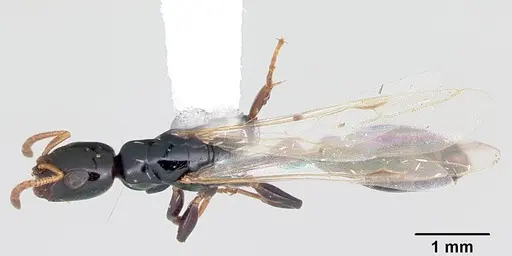
CASENT0103239
View on AntWeb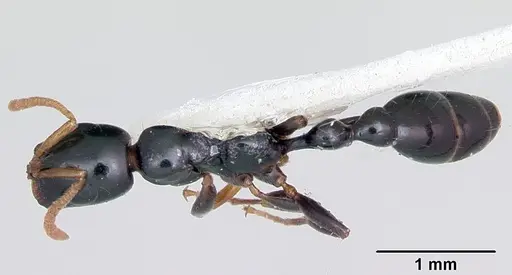
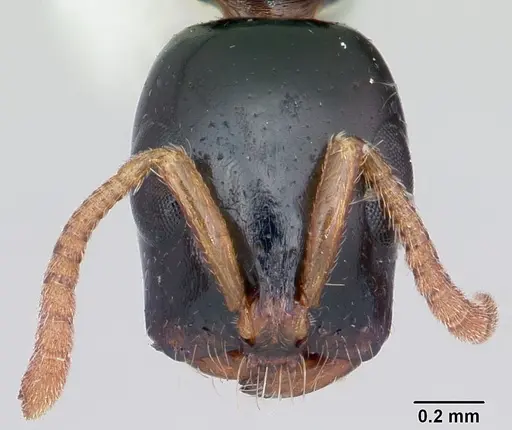
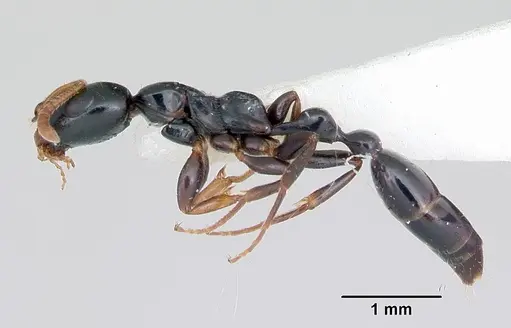
CASENT0246285
View on AntWeb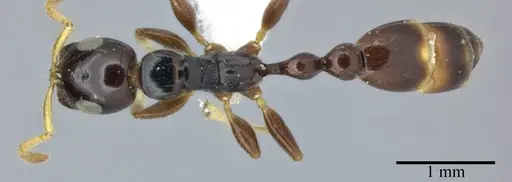
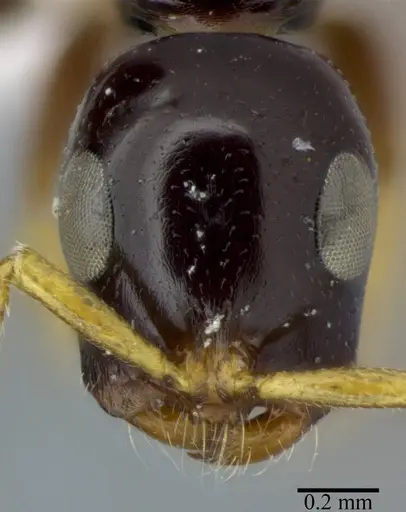
CASENT0246306
View on AntWeb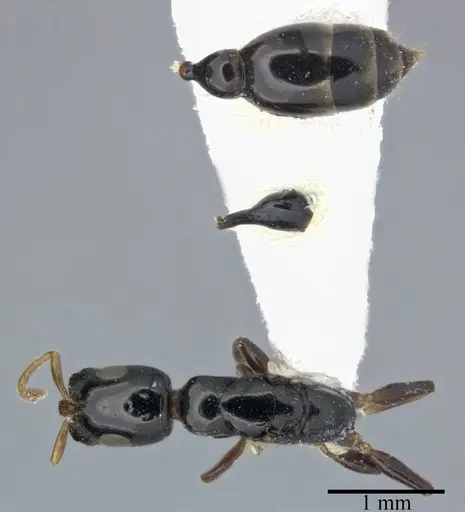
CASENT0883572
View on AntWeb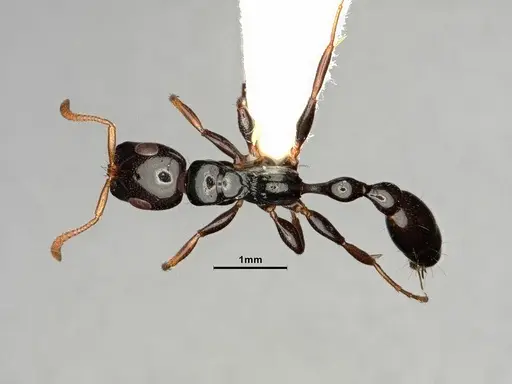
CASENT0883880
View on AntWeb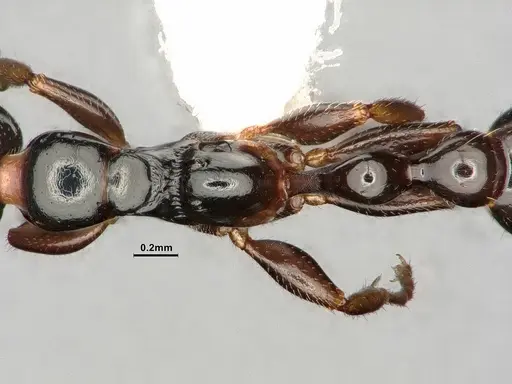
CASENT0884286
View on AntWeb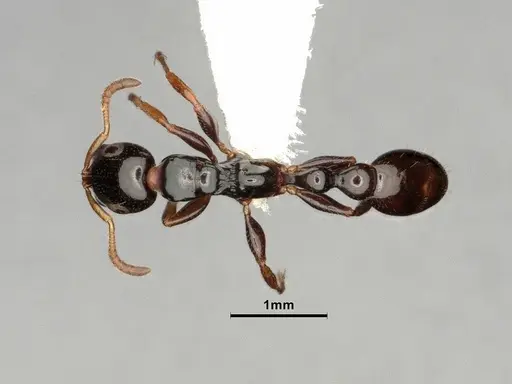
CASENT0902822
View on AntWeb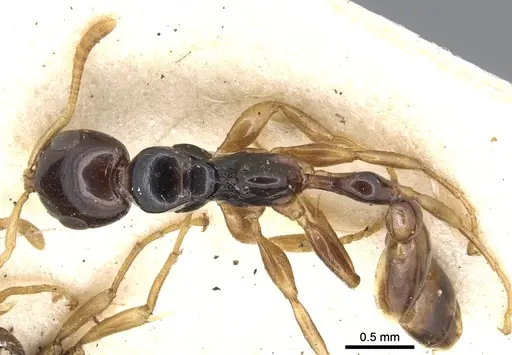
CASENT0902823
View on AntWeb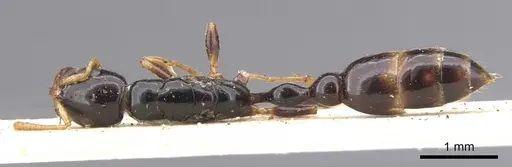
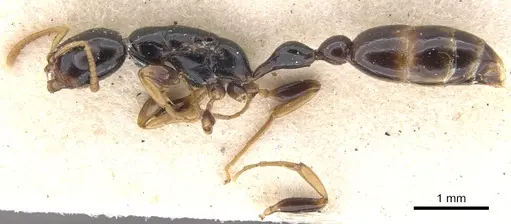
CASENT0904037
View on AntWeb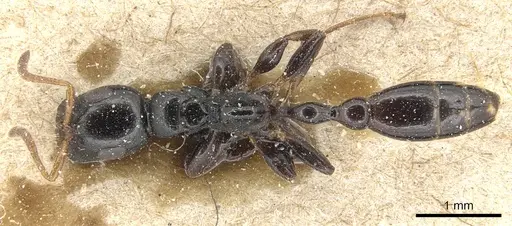
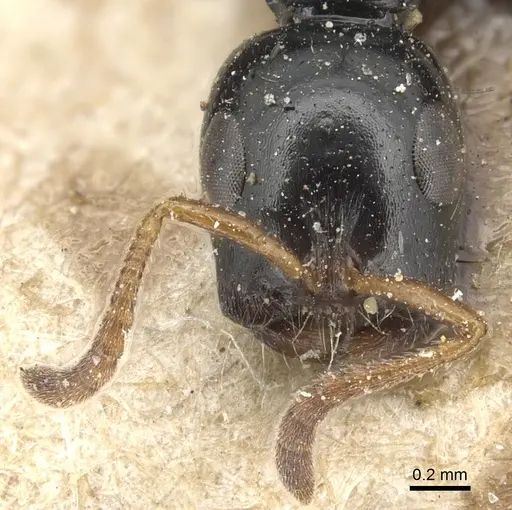
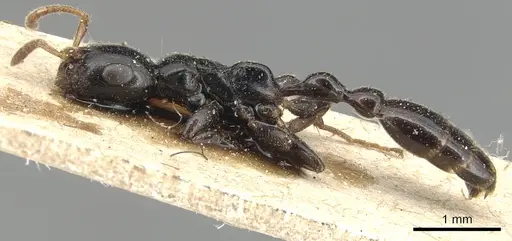
CASENT0907456
View on AntWeb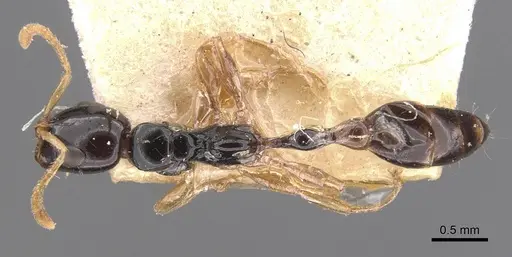
CASENT0919889
View on AntWeb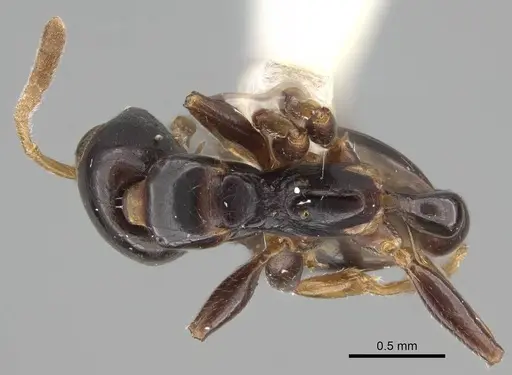
Literature
Loading distribution map...Loading products...