
Tetramorium yerburyi
- Sci. Name
- Tetramorium yerburyi
- Tribe
- Crematogastrini
- Subfamily
- Myrmicinae
- Author
- Forel, 1902
- Distribution
- Found in 1 countries
Introduction
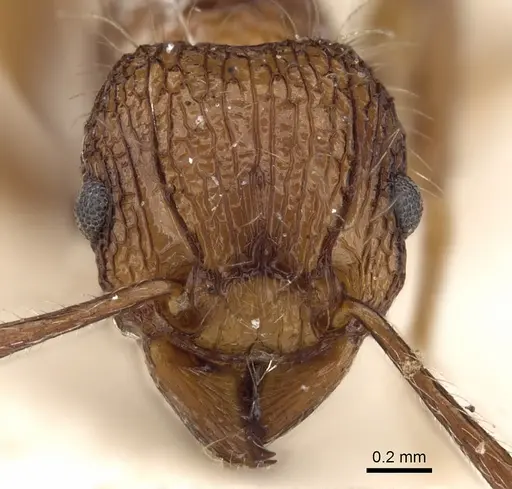
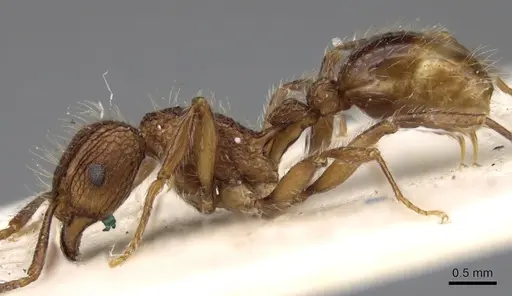
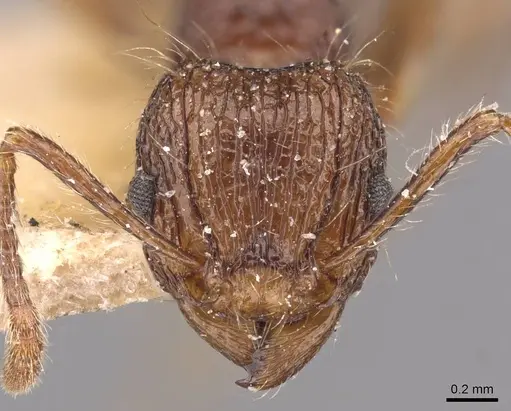
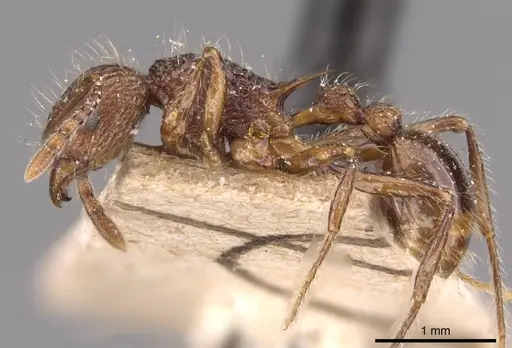
Tetramorium yerburyi is a medium-sized ant from the Myrmicinae subfamily, native to southern India and Sri Lanka. Workers measure 4.2–5.0 mm and are orange-brown with a heavily wrinkled (rugose) sculpture on the head and body. They have long, sharp propodeal spines and a petiole with a distinct right angle between the front face and top surface. This species belongs to the Tetramorium tortuosum group and can be told apart from similar species because its postpetiole is sculptured, unlike the smooth postpetiole of Tetramorium tortuosum . Almost nothing is documented about the biology of T. yerburyi in the wild . It is reported from the Western Ghats in India (Kerala and Tamil Nadu) and parts of Sri Lanka . Because it comes from a tropical climate, it likely needs warm, humid conditions in captivity. Until more research is done, keepers should base care on general Tetramorium patterns and watch the colony's response closely.
Quick Summary
- Difficulty: Medium
- Origin & Habitat: Southern India (Kerala, Tamil Nadu) and Sri Lanka – tropical regions with warm temperatures and high humidity [3][1]
- Colony Type: Colony structure is unconfirmed. Based on typical Tetramorium patterns, colonies are likely monogyne (single queen), but this needs verification.
- Size & Growth:
- Queen: Unconfirmed – no documented measurements available
- Worker: 4.2–5.0 mm [1]
- Colony: Unconfirmed – likely a few hundred workers based on genus patterns
- Growth: Moderate (estimated)
- Development: 8–12 weeks – estimated from typical Tetramorium development at 24–28°C (Development timeline is unconfirmed for this species, estimate based on genus-level data for similar Tetramorium species.)
- Antkeeping:
- Temperature: Keep at 24–28°C – tropical species needing warmth. Provide a gentle heat gradient using a heating cable on one side of the nest. Avoid temperatures below 20°C for long periods.
- Humidity: High humidity is vital. Keep the nest substrate consistently damp but not waterlogged. Well-aerated setups help prevent mold while maintaining moisture.
- Diapause: Unlikely. Because this species comes from a tropical region without cold winters, a true hibernation period is probably not needed. A slight temperature drop (to about 20–22°C) during cool months may be okay but is not required.
- Nesting: Ground-nesting species likely preferring naturalistic setups with soil or a Y‑tong/plaster nest that holds moisture. Provide dark chambers and a damp area for brood development.
- Behavior: Behavior is undocumented, but based on related Tetramorium species, workers are likely active foragers that defend the nest with moderate aggression. As a member of the Myrmicinae subfamily (tribe Crematogastrini), they defend themselves by smearing venom onto attackers using a flattened stinger rather than piercing – a “smear” defense. Workers are medium-sized (4–5 mm) and can climb well, so use standard escape barriers like fluon or mineral oil. They may tend aphids for honeydew.
- Common Issues: No documented biology – keepers must adapt care based on colony response and watch for signs of stress., High humidity needs can cause mold if ventilation is poor, balance moisture with airflow., Temperature sensitivity – this tropical species may slow down or fail to grow in cool rooms., Wild-caught colonies may carry parasites or diseases since their health in captivity is unstudied., Uncertain growth rate – beginners may find it hard to tell if the colony is doing well or struggling.
Temperature and Heating
As a tropical species from southern India and Sri Lanka, Tetramorium yerburyi needs steady warmth. Keep the nest area at 24–28°C. Use a heating cable or mat on one side of the nest (placed on top, not underneath) to create a warm zone and a cooler zone – this lets workers move to their preferred temperature. If your home stays within 24–28°C, extra heating may not be needed. Watch the colony: sluggish workers or tight clustering in one spot usually means they are too cold. Avoid keeping them below 20°C for long periods, as their cold tolerance is unknown.
Humidity and Moisture
High humidity is essential for this species. Keep the nest substrate damp (like squeezed-out soil) but not soaking wet. Aim for the nest material to feel moist to the touch without standing water. A test‑tube water reservoir or a plaster nest with a water chamber can help maintain stable moisture. Condensation on the nest walls is a good sign, but make sure there is enough ventilation to stop mold. If mold appears, increase airflow and let the nest dry out a little before re‑moistening.
Feeding and Diet
Tetramorium yerburyi is likely omnivorous, like most Tetramorium. Offer protein 2–3 times a week: small insects such as fruit flies, pinhead crickets, or small mealworms. Keep a constant source of sugar – honey water, sugar water, or honeydew. Remove uneaten prey after 24–48 hours to stop mold or mites. They may also eat seeds or other plant matter, but protein is the main food for brood growth. Watch what your colony prefers and adjust accordingly.
Nest Preferences and Setup
In the wild, Tetramorium species usually nest in soil or under stones. For captivity, a naturalistic setup with damp soil or a Y‑tong/plaster nest that holds moisture works well. Chambers should match the workers’ size (4–5 mm) – ants prefer snug nests for brood care. Darken the nest completely and provide a connected foraging area for food. For a founding colony, a test‑tube with a water reservoir is fine until about 20–30 workers, then move them to a larger formicarium.
Colony Development and Growth
Since no specific data exists for T. yerburyi, expect development similar to related Tetramorium. After mating, the queen will likely lay eggs within a week or two. The first workers (nanitics) should appear in roughly 8–12 weeks at 24–28°C. The first generation is small (maybe 5–15 workers) and the workers will be smaller than mature ones. Growth speeds up after the first workers arrive. Under good conditions, a healthy colony can reach about 50 workers within 6–12 months. Be patient: Tetramorium colonies can live many years once established. Slow growth usually means something is off – check temperature, humidity, and feeding schedule.
Behavior and Temperament
Specific observations for T. yerburyi are missing, but typical Tetramorium behavior includes active daytime foraging, moderate nest defense, and opportunistic feeding. Workers likely forage alone rather than in mass raids. They belong to the Myrmicinae subfamily (tribe Crematogastrini) and use a smearing defense – they have a modified spatulate stinger that wipes venom onto enemies instead of stinging. The venom is not medically significant to humans, just a mild irritant. Escape prevention is important: workers are 4–5 mm and can squeeze through small gaps. Use fluon or mineral oil barriers on the outworld walls, and fine mesh on any ventilation openings.
Frequently Asked Questions
How long does it take for Tetramorium yerburyi to get their first workers?
Based on typical Tetramorium development, expect first workers (nanitics) to emerge about 8–12 weeks after the queen lays eggs, provided temperatures stay at 24–28°C. This timeline is an estimate – no specific data exists for this species. Be patient and avoid disturbing the queen during founding.
What temperature do Tetramorium yerburyi ants need?
Keep them at 24–28°C. This tropical species from southern India and Sri Lanka needs steady warmth. Use a heating cable on one side of the nest to create a temperature gradient. Avoid keeping them below 20°C for long periods.
Can I keep Tetramorium yerburyi in a test tube setup?
Yes, test tubes are great for founding colonies. Set up a test‑tube with a water reservoir and cotton plug to provide moisture. Once the colony reaches about 20–30 workers, move them to a larger formicarium or naturalistic setup with better humidity control.
Do Tetramorium yerburyi ants sting?
They have a stinger, but it is modified for smearing venom rather than piercing. As a Myrmicinae in the tribe Crematogastrini, they use a “smear” defense – the flat stinger wipes venom onto attackers. The venom causes only mild irritation, similar to a mosquito bite, and is not dangerous to healthy humans.
How big do Tetramorium yerburyi colonies get?
Colony size has not been recorded for this species. Based on related Tetramorium, colonies likely reach a few hundred workers after several years. They are not supercolonial and probably have only one queen.
Do Tetramorium yerburyi need hibernation?
Probably not. Because they come from tropical regions without cold winters, a true diapause is unlikely. If your room gets cooler in winter, a slight drop to around 20–22°C is fine, but forced hibernation is not recommended.
What do Tetramorium yerburyi eat?
They are omnivorous. Feed small insects (fruit flies, small mealworms, crickets) as a protein source 2–3 times per week, plus a constant supply of sugar water, honey, or honeydew. They may also take seeds or other plant matter. Adjust based on what your colony prefers.
Is Tetramorium yerburyi good for beginners?
This species is rated Medium difficulty. While not extremely hard, the complete lack of documented biology means you must be ready to adapt care based on colony response. Beginners with some antkeeping experience will do better than absolute first‑timers.
Why is my Tetramorium yerburyi colony not growing?
Common causes: temperatures below 24°C, humidity too low, not enough protein, or the queen has died. Check all conditions and confirm the queen is alive and laying. If everything seems fine but growth is slow, remember that founding colonies naturally take time – be patient.
Where is Tetramorium yerburyi native to?
This species is native to southern India (Kerala and Tamil Nadu) and Sri Lanka. It was originally described from Sri Lanka and belongs to the Tetramorium tortuosum group [3][1]. Reports from China are considered doubtful [1].
How do I identify Tetramorium yerburyi?
Workers are 4.2–5.0 mm, orange‑brown, with a heavily wrinkled (rugose) head and body. They have long propodeal spines and a petiole with a sharp right angle between the front and top surfaces. The postpetiole is sculptured (wrinkled), which separates them from the similar Tetramorium tortuosum, which has a smooth postpetiole. They belong to the T. tortuosum group [1].
Report an Issue
The current care sheet is based fully on literature. See inconsistencies, or something that's incorrect? Please , it will be resolved after review from an admin. Contributing to the blogs tab also helps providing information, to make us be able to further improve the caresheets. Thank you for your support!
References

This caresheet is licensed under CC BY-SA 4.0 .
Community Blogs
CASENT0280880
View on AntWeb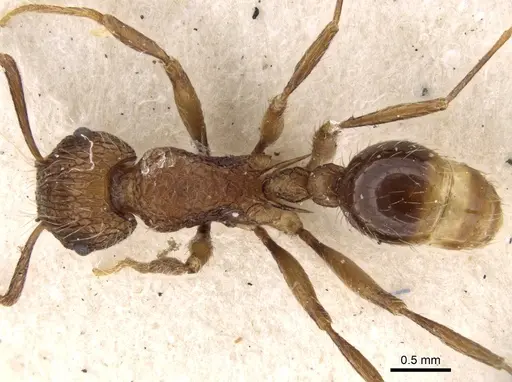
CASENT0909188
View on AntWeb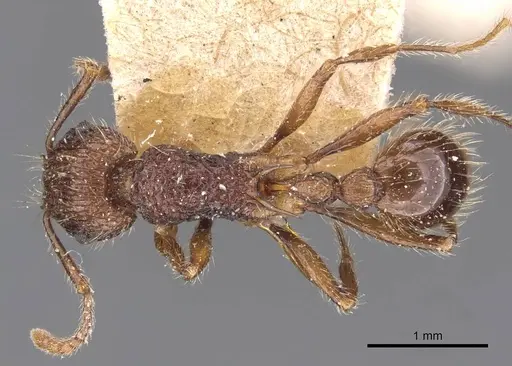
Literature
Loading distribution map...Loading products...