
Fuzzy Pavement Ant
Tetramorium walshi
- Sci. Name
- Tetramorium walshi
- Tribe
- Crematogastrini
- Subfamily
- Myrmicinae
- Author
- Forel, 1890
- Common Name
- Fuzzy Pavement Ant
- Distribution
- Found in 5 countries
Introduction
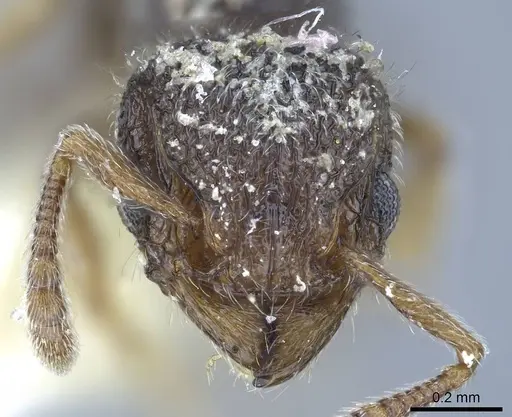
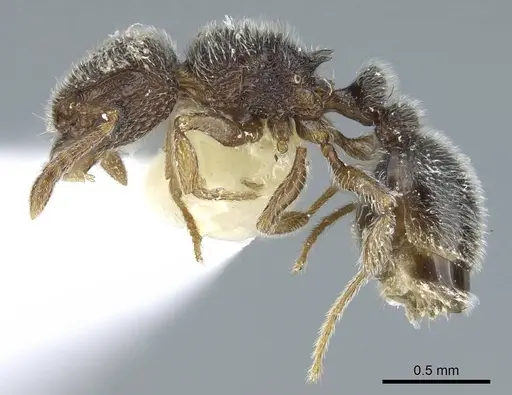
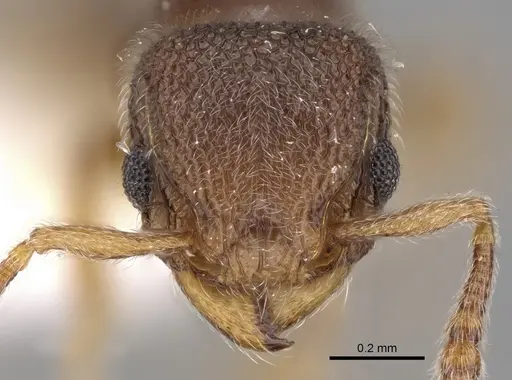
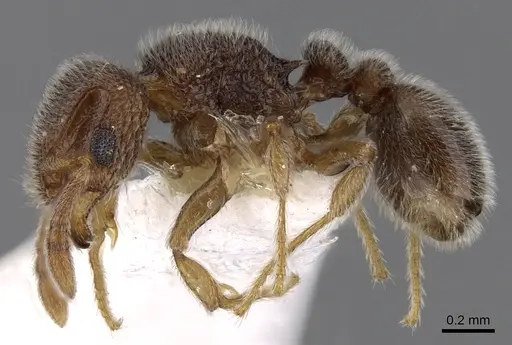
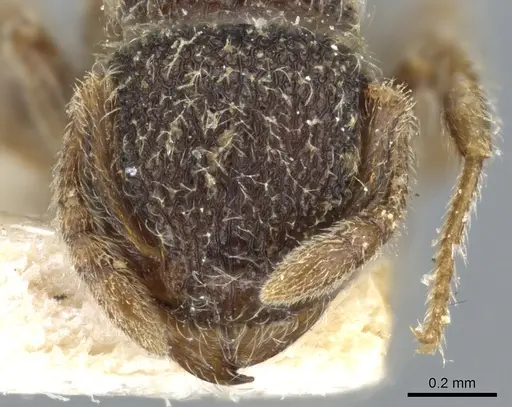
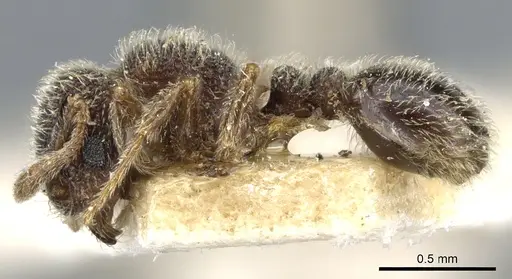
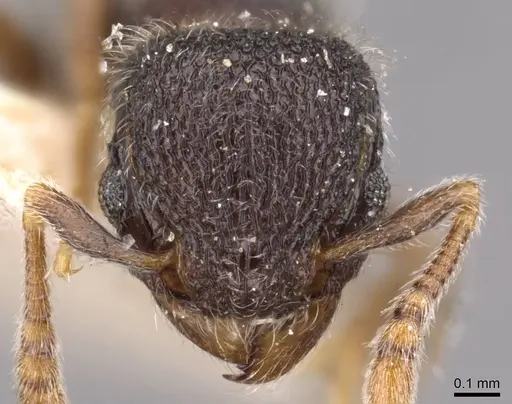
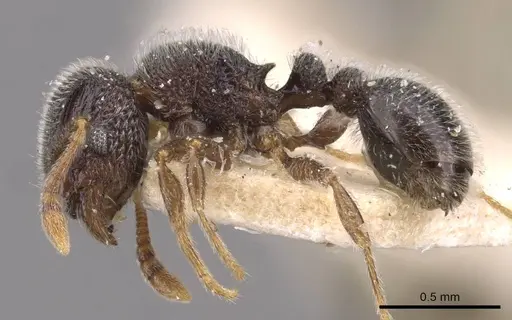
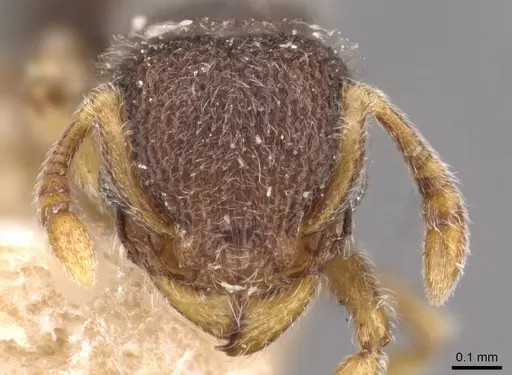
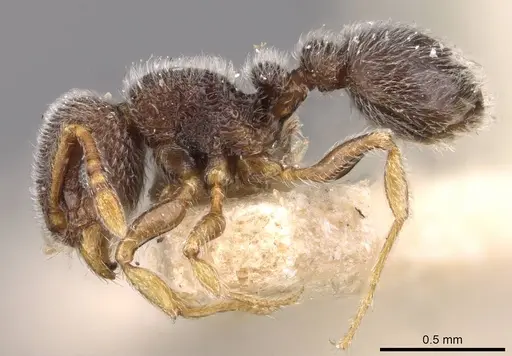
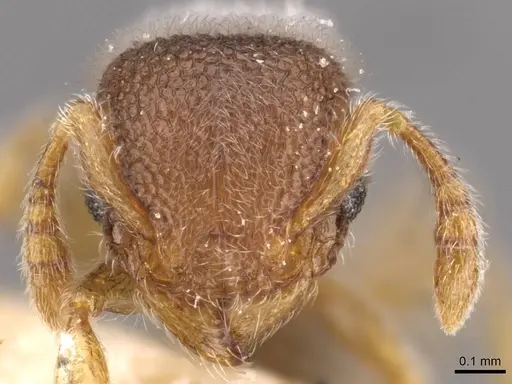
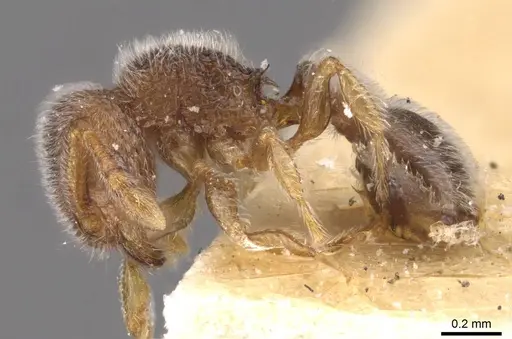
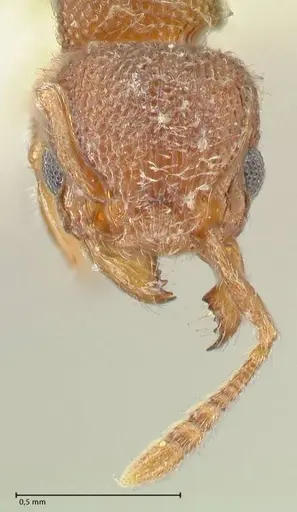
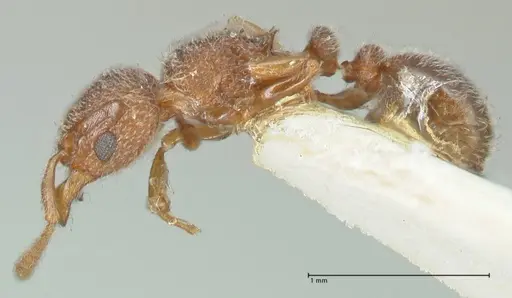
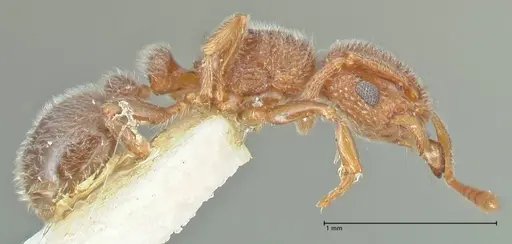
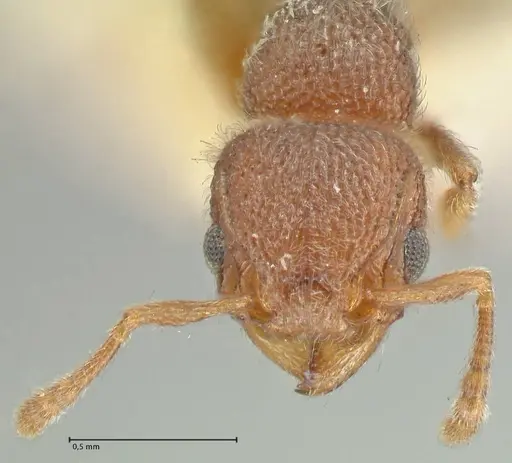
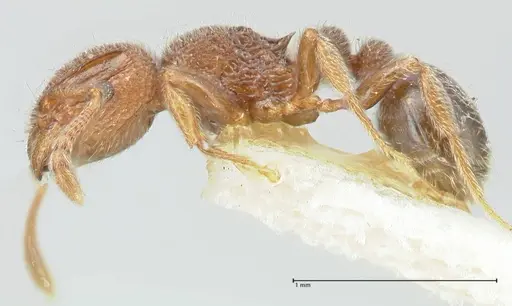
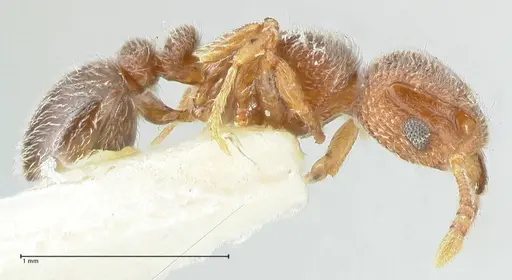
Tetramorium walshi is a small ground-dwelling ant native to South and Southeast Asia. Workers measure 2.0-2.8 mm in total length and have a distinctive fuzzy appearance due to dense branched (trifid or quadrifid) hairs covering the head, body, and legs . Body color ranges from yellow-brown to dark brown, with the abdomen often darker than the head and thorax . The petiole node is strongly compressed front-to-back and much broader than long when viewed from above . It belongs to the Tetramorium walshi species group and is found across India, Sri Lanka, Thailand, the Philippines, southern China (Yunnan, Guangxi, Fujian, Hainan), and Taiwan . This species is an ecological opportunist that thrives in a variety of habitats, from dry dipterocarp and mixed-deciduous forests to agricultural fields, coconut plantations, and urban green spaces . It was recorded in all four climatic zones of Sri Lanka and dominates in non-agricultural lands . Workers forage on the ground and in leaf litter, keeping close to the nest .
Quick Summary
- Difficulty: Easy
- Origin & Habitat: Native to South and Southeast Asia: India, Sri Lanka, Thailand, Philippines, Bangladesh, Singapore, China (Yunnan, Guangxi, Fujian, Hainan), and Taiwan [5][6][12]. Inhabits ground and leaf litter in dry dipterocarp forests, mixed-deciduous forests, agricultural fields, coconut plantations, urban green spaces, and non-agricultural lands [7][8][9][11].
- Colony Type: Likely monogyne (single queen) based on typical Tetramorium colony structure, but not confirmed from literature.
- Size & Growth:
- Queen: ~5-6 mm, estimated based on genus patterns (no specific measurements available)
- Worker: 2.0-2.8 mm [1][2]
- Colony: Up to several hundred workers (estimated based on typical Tetramorium species)
- Growth: Moderate
- Development: Estimated 6-8 weeks at optimal temperature (24-28°C), no specific data for this species (Inferred from related Tetramorium species, specific development studies lacking.)
- Antkeeping:
- Temperature: Keep at 24-28°C, this tropical/subtropical species is active in warm seasons. In its native range it is found in summer, rainy, autumn, and spring but not winter [13].
- Humidity: Moderate, keep nest substrate moist but not waterlogged. These ants nest in ground and leaf litter, so a slightly moist substrate with some dry areas mimics their natural conditions [7].
- Diapause: No true diapause required. Activity may slow in winter if kept cool, but cold treatment is not necessary. In native range surveys, they were absent during winter months [13].
- Nesting: Does well in test tubes for founding, later Y-tong (AAC) or naturalistic nests with moist substrate. Provide some leaf litter or debris in the outworld to mimic their leaf-litter habitat [7].
- Behavior: Docile and non-aggressive. Workers forage individually on the ground, searching through leaf litter [14]. They are not known to be escape artists, but standard escape prevention (fluon on rims) is recommended due to small size. This species belongs to the Myrmicinae tribe Crematogastrini, so it has a modified flattened stinger used to smear venom onto enemies rather than pierce them, harmless to humans.
- Common Issues: colonies may decline if kept too cold, maintain 24-28°C, especially during founding, small size (2-2.8 mm) means they can slip through tiny gaps, use fluon or PTFE barriers, overwatering can cause mold, keep substrate moist but allow some dry areas, wild-caught colonies may carry parasites, quarantine new colonies and observe for mites or disease
Housing and Nest Setup
Start with a standard test tube setup: a water reservoir sealed by a cotton plug, with the ants clustering in the humid zone. This works well for founding colonies. As the colony grows, move them to a Y-tong (AAC) nest or a naturalistic setup with a layer of moist soil and some leaf litter on top to mimic their natural leaf-litter habitat [7][9]. These ants are ground-dwelling and prefer horizontal chambers, vertical space is unnecessary. Provide a small outworld with substrate for foraging. Keep the nest area humid but include a dry zone so ants can regulate their moisture exposure. Because workers are only 2-2.8 mm, ensure all vents and gaps are sealed with fine mesh or fluon to prevent escapes.
Feeding and Diet
Tetramorium walshi is an omnivore. Offer a constant sugar source (sugar water, honey, or diluted maple syrup). For protein, provide small insects like fruit flies, tiny mealworms, or cricket pieces. In Sri Lankan paddy fields, they were not attracted to honey baiting [15], but captive colonies will accept sugary liquids. Feed protein every 2-3 days and remove uneaten prey after 24 hours to prevent mold. Because of their small size, cut food into appropriately tiny pieces. No special dietary supplements are needed.
Temperature and Seasonal Care
Maintain a stable temperature between 24-28°C year-round. This species originates from tropical/subtropical Asia [6][12] and is active in summer, rainy, autumn, and spring seasons, but was not found in winter surveys in India [13][16]. A heating cable on one side of the nest helps if your room runs cool. Avoid temperatures below 20°C for extended periods, as the colony may decline. No winter diapause is required, but if your home gets cooler in winter, they will naturally slow down, simply reduce feeding. If you keep them in a cooler climate, a brief period at 18-20°C is likely safe but not necessary.
Behavior and Colony Dynamics
These are docile ants that forage individually rather than in groups. They are classified as ecological opportunists [14], meaning they adapt readily to different food sources and habitats. Workers search through leaf litter and soil surface for food and are not aggressive toward humans or other ants. The species belongs to the Myrmicinae tribe Crematogastrini, so it has a modified, flattened stinger used for smearing venom onto enemies instead of piercing, this defense is harmless to you. Colonies grow at a moderate pace: expect several months to reach 20-30 workers, and a year or more to reach 100+ under good conditions.
Handling and Safety
Tetramorium walshi is completely harmless to keepers. They have a modified stinger (typical of Myrmicinae tribe Crematogastrini) used to smear venom, but it cannot penetrate human skin and poses no danger. They rarely bite, and their tiny size makes any bite negligible. Standard handling precautions apply: wash hands before and after maintenance, avoid sudden vibrations near the nest, and use escape prevention barriers (fluon) on test tube rims. These ants are not aggressive and are suitable for beginners who want a low-maintenance, observing-only species.
Frequently Asked Questions
How long does it take for Tetramorium walshi to produce first workers?
Expect 6-8 weeks from egg to first worker at 24-28°C. This is an estimate based on related Tetramorium species, no specific data exists for Tetramorium walshi.
Can I keep Tetramorium walshi in a test tube?
Yes, test tubes are ideal for founding colonies. Their small size (2-2.8 mm) means a standard test tube provides plenty of room for a queen and her first workers. Move to a larger nest when the colony reaches about 30-50 workers.
Do Tetramorium walshi ants sting?
They have a modified, flattened stinger used for smearing venom rather than piercing, and it cannot penetrate human skin. They do not sting in the conventional sense and are harmless. They may attempt to bite if roughly handled, but the bite is negligible.
What do Tetramorium walshi eat?
A mixed diet of sugars (sugar water, honey, maple syrup) and small protein sources (fruit flies, pinhead crickets, tiny mealworms). In the wild they were not strongly attracted to honey baiting [15], but captive colonies will accept both. Offer protein every 2-3 days and keep a sugar source available at all times.
Are Tetramorium walshi good for beginners?
Yes, this is an excellent beginner species. They are small, docile, easy to house, and have no special requirements beyond warm temperatures and moderate humidity. They do not sting aggressively and are widely available through wild collection in their native range.
How big do Tetramorium walshi colonies get?
Mature colonies likely reach several hundred workers, typical of Tetramorium. Growth is moderate, expect 6-12 months to reach 50+ workers from a founding queen.
Do Tetramorium walshi need hibernation?
No, hibernation is not required. This tropical/subtropical species reduces activity in winter but does not enter true diapause. In surveys in India they were absent during winter months [13], but in captivity, simply keep them warm (24-28°C) year-round. A slight seasonal slowdown is natural and not harmful.
Why are my Tetramorium walshi dying?
Common causes: temperatures below 20°C (keep them at 24-28°C), excessive moisture leading to mold (allow dry areas), or poor nutrition (offer varied protein and sugar). Wild-caught colonies may also carry parasites, quarantine new collections for a few weeks.
When should I move my colony to a formicarium?
Wait until the colony has 30-50 workers before moving to a larger setup. Test tubes work well for colonies up to this size. A Y-tong or naturalistic nest is suitable for larger colonies. Moving too early can stress the colony.
Where is Tetramorium walshi native to?
Native to South and Southeast Asia: India, Sri Lanka, Thailand, Philippines, Bangladesh, Singapore, southern China (Yunnan, Guangxi, Fujian, Hainan), and Taiwan [5][6][12]. It has been introduced to some areas (e.g., Christmas Island [17]) but is not considered invasive.
Report an Issue
The current care sheet is based fully on literature. See inconsistencies, or something that's incorrect? Please , it will be resolved after review from an admin. Contributing to the blogs tab also helps providing information, to make us be able to further improve the caresheets. Thank you for your support!
References

This caresheet is licensed under CC BY-SA 4.0 .
Community Blogs
CASENT0248784
View on AntWeb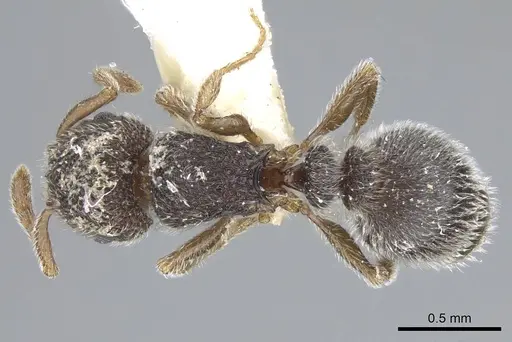
CASENT0280877
View on AntWeb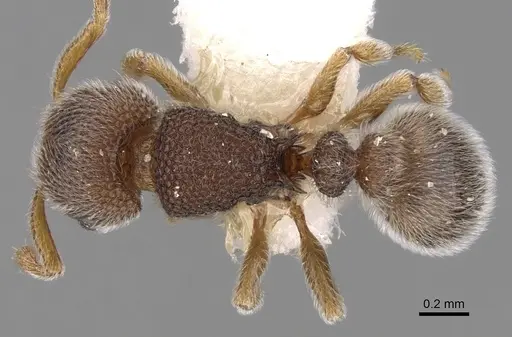
CASENT0904795
View on AntWeb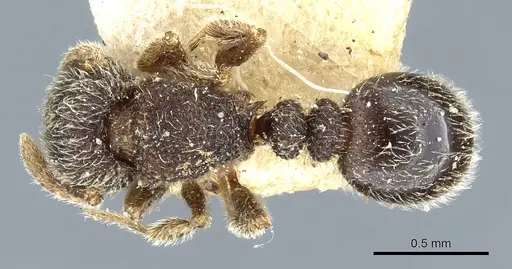
CASENT0909092
View on AntWeb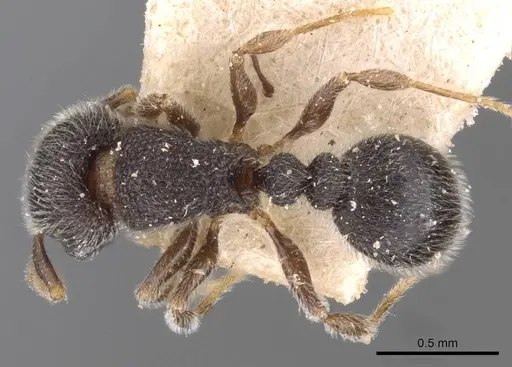
CASENT0909098
View on AntWeb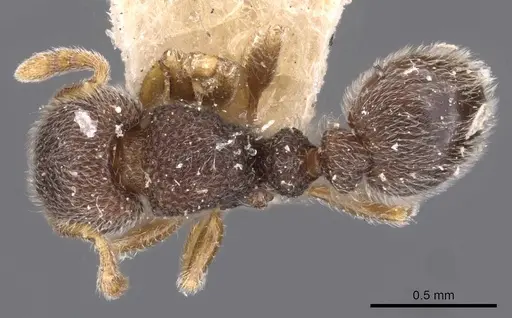
CASENT0909099
View on AntWeb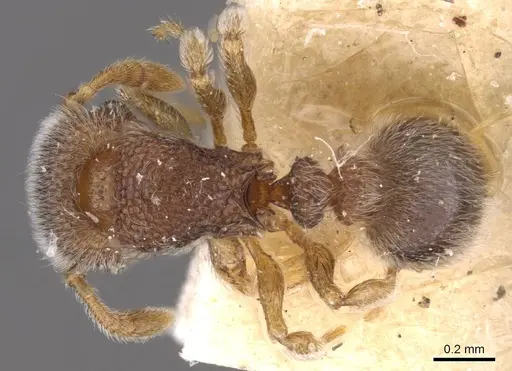
FOCOL2061
View on AntWeb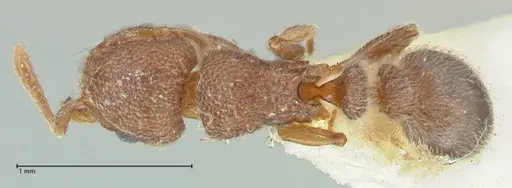
FOCOL2062
View on AntWeb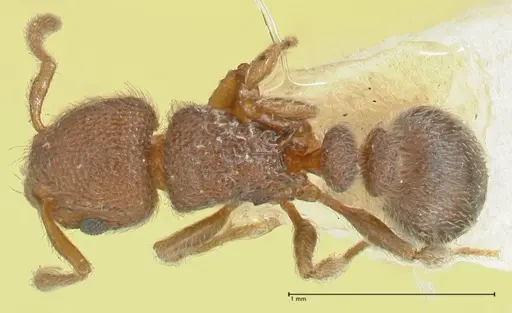
Literature
Loading distribution map...Loading products...