
Tetramorium transformans
- Sci. Name
- Tetramorium transformans
- Tribe
- Crematogastrini
- Subfamily
- Myrmicinae
- Author
- Santschi, 1914
- Distribution
- Found in 1 countries
Introduction
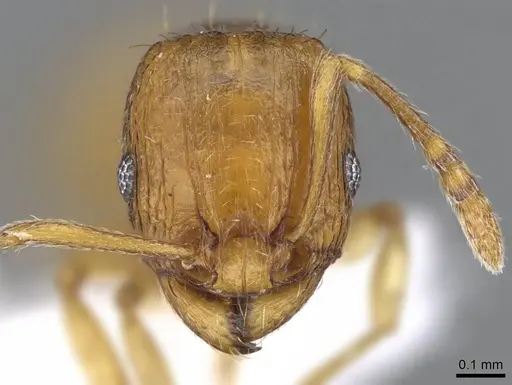
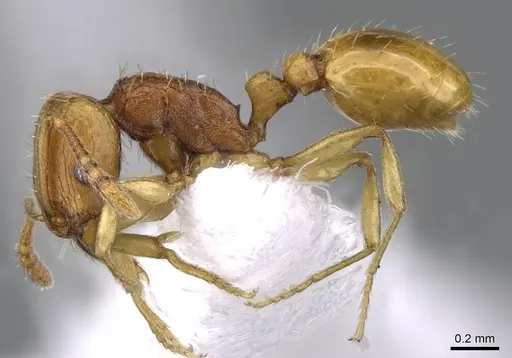
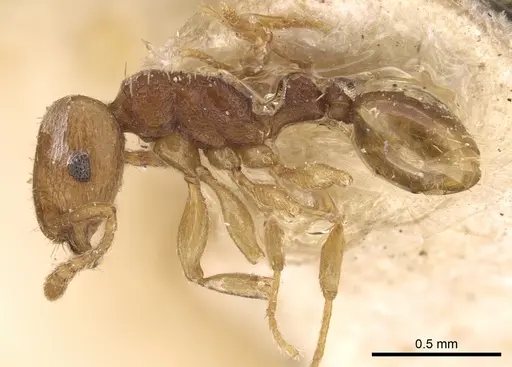
Tetramorium transformans is a small ant species found in East Africa and the Arabian Peninsula. Workers have a distinctive color pattern: the head and gaster are yellowish, with the first gastral segment darker than the rest, while the mesosoma, petiole, and postpetiole are reddish and clearly stand out . This species was originally described from Kenya and has since been recorded on Socotra Archipelago and in Yemen . For a long time it was considered a synonym of Tetramorium caldarium, but it was revalidated in 2017 based on differences in eye size and head sculpture . These ants are ground-nesters found in varied microhabitats: from dry leaf litter under Ficus cordata trees to moist, organic-rich soil near streams, and even in termite galleries under rocks . This flexibility suggests they can adapt to a range of conditions in captivity.
Quick Summary
- Difficulty: Easy
- Origin & Habitat: Native to Kenya, Socotra Archipelago, and Yemen (Afrotropical region) [1]. In their range, they inhabit dry leaf litter under Ficus cordata trees, dry soil under date palms, moist leaf litter rich in decaying organic matter near streams, and termite galleries under rocks [1].
- Colony Type: Colony structure is unconfirmed. Based on typical Tetramorium patterns, likely single-queen (monogyne) colonies with claustral founding, but this has not been studied in this species.
- Size & Growth:
- Queen: Queen size data unavailable, estimated ~5-7 mm based on related Tetramorium species
- Worker: Estimated 3-4 mm based on typical Tetramorium worker sizes (exact measurements not provided in literature) [1]
- Colony: Unknown, likely up to several hundred workers based on related Tetramorium species
- Growth: Moderate (estimated)
- Development: Estimated 6-10 weeks at optimal temperature, based on related Tetramorium species (species-specific data unavailable) (Development time is inferred from genus-level patterns as no direct studies exist for this species)
- Antkeeping:
- Temperature: Keep at 22-26 °C. They tolerate a range from low to mid 20s °C. Avoid sustained temperatures below 18 °C or above 30 °C.
- Humidity: Provide a moisture gradient. Offer a range from slightly dry to consistently moist substrate, as their natural habitats include both dry soil and wet leaf litter. Avoid waterlogging.
- Diapause: Unknown. As an Afrotropical species, a true diapause may not be required, but a slight winter temperature drop (to ~18-20 °C) could simulate natural seasonal variation.
- Nesting: Y-tong (AAC) nests or plaster nests work well. Test tubes are ideal for founding. Provide a humidity gradient so colonies can self-regulate.
- Behavior: Workers are small, active, and non-aggressive, they typically flee rather than fight. Their tiny size (3-4 mm) means escape prevention is critical, use fine mesh and check all gaps. Based on subfamily (Myrmicinae, tribe Crematogastrini), they possess a modified stinger used to smear venom rather than inject, though they rarely sting in captivity.
- Common Issues: escape risk, their small size allows them to slip through standard gaps, use fine mesh barriers and check lid fit regularly, humidity balance, too wet leads to mold, too dry causes desiccation, a gradient helps them self-regulate, wild-caught colonies may carry parasites that can devastate a captive setup, slow founding phase can tempt overfeeding or disturbance, patience is needed, they may be outcompeted by more aggressive ants if housed together (not recommended)
Housing and Nest Setup
Tetramorium transformans adapts well to various nest types. Y-tong (AAC) nests or plaster nests work well for established colonies, providing narrow chambers that suit these small ants. Test tubes are ideal during founding, place a cotton plug between the water reservoir and the queen chamber. Founding behavior is unconfirmed, but based on typical Tetramorium, the queen likely seals herself in and raises the first brood without foraging. Once a small workforce emerges (nanitics), you may offer a small outworld. Ensure excellent escape prevention: use fine mesh (≤0.5 mm) and seal all gaps. [1]
Feeding and Diet
In the wild, Tetramorium transformans forages in dry soil and leaf litter, suggesting it is a generalist [1]. Offer a constant source of sugar water or honey, and protein 2-3 times a week: small fruit flies, pinhead crickets, or pieces of mealworm. Because workers are tiny, prey should be appropriately sized. Remove uneaten protein within 24 hours to prevent mold. No specialized diet is required.
Temperature and Seasonal Care
Maintain 22-26 °C for optimal development. Brief fluctuations outside this range are tolerated, but prolonged exposure below 18 °C or above 30 °C may stress the colony. A heating cable on one side creates a gradient. Since this species comes from warm Afrotropical regions, a true diapause is likely not needed. However, a slight winter reduction (to 18-20 °C) may simulate natural variation. Monitor activity, if it slows, reduce feeding accordingly. [1]
Humidity Requirements
This ant occupies both dry soil and moist leaf litter in nature [1]. Provide a humidity gradient within the nest: one area slightly moist (not waterlogged) and another drier. Too much moisture encourages mold, too little causes desiccation. Plaster nests with a water reservoir or test tubes with a cotton water plug help maintain stability. Observe where the ants cluster: if they consistently gather near moisture, increase overall humidity, if they avoid wet areas, reduce it.
Colony Founding and Growth
Based on related Tetramorium species, the queen likely founds claustraly, sealing herself in a chamber and using stored reserves to raise the first workers (nanitics) without leaving to forage. Growth is moderate: expect the colony to reach a few dozen workers after several months. Avoid disturbing the nest during this period. Once workers emerge, they will forage and care for brood. Overfeeding or excessive disturbance can kill the queen or stunt growth. Patience is key.
Behavior and Temperament
Workers are small, active, and non-aggressive, they typically flee when disturbed. Their defense relies on a spatulate stinger that smears venom (common to Myrmicinae tribe Crematogastrini), but they rarely use it in captivity. Because of their size, they are expert escape artists: use fine mesh and check all connections regularly. They forage individually rather than in swarms and maintain moderate activity throughout the day. The reddish mesosoma, petiole, and postpetiole contrasting with the yellowish head and gaster make them visually distinctive [1].
Frequently Asked Questions
How long does it take for Tetramorium transformans to get their first workers?
Based on related Tetramorium species, first workers likely emerge 6-10 weeks after the queen lays eggs at around 24 °C. Species-specific data is not available. The queen will not leave the founding chamber during this time.
Can I keep multiple Tetramorium transformans queens together?
Not recommended. Most Tetramorium species are monogyne, and combining unrelated queens has not been studied for this species. House any acquired founding queens separately to avoid fighting.
Do Tetramorium transformans ants sting?
As a member of Myrmicinae (tribe Crematogastrini), they possess a modified stinger used for smearing venom rather than injecting. However, they are not aggressive and rarely sting in captivity. Any sting would be mild due to their small size.
What is the best nest type for Tetramorium transformans?
Y-tong (AAC) nests or plaster nests work well for established colonies. For founding, a test tube setup is ideal. The key is providing appropriately sized chambers and a humidity gradient. Avoid large, open spaces that may make them feel exposed.
Are Tetramorium transformans good for beginners?
Yes, they are considered a good beginner species. They are small but hardy, tolerate a range of conditions, and are not aggressive. The main challenges are escape prevention due to their tiny size and the slow initial growth during founding, which requires patience.
What do Tetramorium transformans eat?
They are generalist feeders. Offer sugar water or honey as a constant energy source, and small protein sources (fruit flies, pinhead crickets, tiny mealworms) 2-3 times per week. Remove uneaten prey after 24 hours. Size prey appropriately for their small workers.
Do Tetramorium transformans need hibernation?
This species comes from Afrotropical regions where temperatures stay warm year-round, so a true diapause is likely not required. A slight temperature reduction during winter (to around 18-20 °C) may be beneficial but is not essential. Reduce feeding if activity drops.
How big do Tetramorium transformans colonies get?
Exact maximum size is not documented. Based on related Tetramorium species, colonies likely reach several hundred workers over time. Growth is moderate, and patience over several years is needed to achieve large colony sizes.
Why are my Tetramorium transformans dying?
Common causes include: escape through small gaps (use fine mesh), excessive moisture causing mold, insufficient humidity causing desiccation, temperatures outside 22-26 °C, or stress from frequent disturbance during founding. Wild-caught colonies may also carry parasites. Review each factor and adjust accordingly.
When should I move Tetramorium transformans to a formicarium?
You can move them once a small workforce (a few dozen workers) has emerged, but they can thrive in a test tube much longer. Consider moving when the test tube becomes crowded or the water reservoir is depleted. Ensure the new setup has suitable humidity and escape-proof barriers.
Report an Issue
The current care sheet is based fully on literature. See inconsistencies, or something that's incorrect? Please , it will be resolved after review from an admin. Contributing to the blogs tab also helps providing information, to make us be able to further improve the caresheets. Thank you for your support!
References

This caresheet is licensed under CC BY-SA 4.0 .
Community Blogs
CASENT0746629
View on AntWeb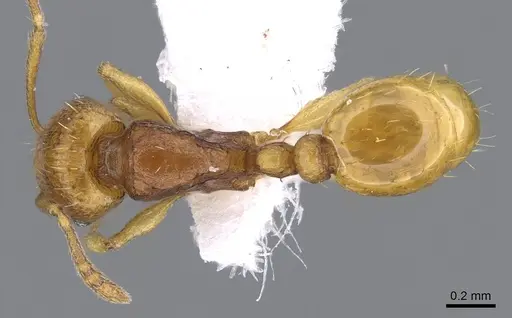
CASENT0906135
View on AntWeb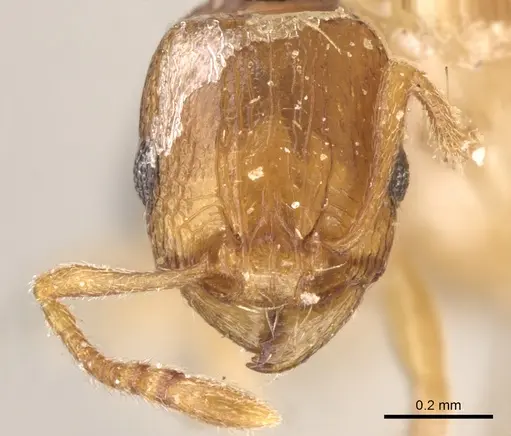
Literature
Loading distribution map...Loading products...