
Tetramorium surrogatum
- Sci. Name
- Tetramorium surrogatum
- Tribe
- Crematogastrini
- Subfamily
- Myrmicinae
- Author
- Bolton, 1985
- Distribution
- Found in 1 countries
Introduction
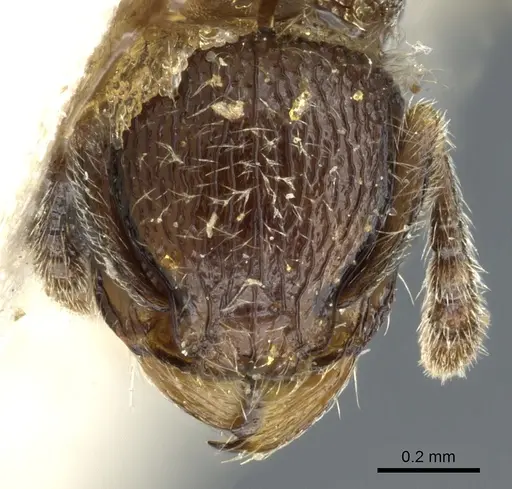
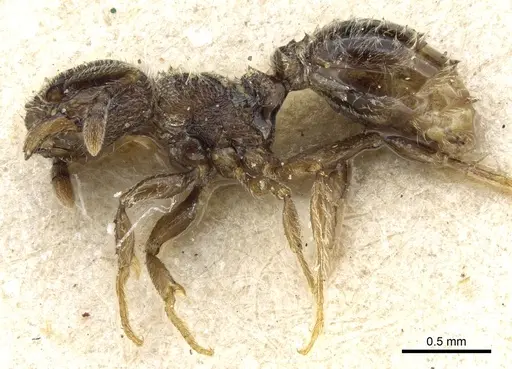
Tetramorium surrogatum is a small myrmicine ant from Eritrea in East Africa . Like other Tetramorium ants, workers are compact with a two-segmented waist and 12-segmented antennae. The species was originally described from the Horn of Africa, so it probably comes from warm, dry habitats such as savanna or rocky terrain. Because very little is known about its specific biology, most care advice is based on what we know about other Tetramorium ants.
Quick Summary
- Difficulty: Unknown
- Origin & Habitat: Eritrea, East Africa, recorded there in early 20th-century collections [1]. Likely inhabits dry savanna or rocky areas typical of the Horn of Africa.
- Colony Type: Unconfirmed, no data on whether colonies have one queen or multiple.
- Size & Growth:
- Queen: Size data unavailable, based on typical Tetramorium, queens are roughly 7-9 mm (inferred from genus).
- Worker: Size data unavailable, based on typical Tetramorium, workers are roughly 3-5 mm (inferred from genus).
- Colony: Unknown, no colony size data for this species.
- Growth: Unknown
- Development: Estimated 6-8 weeks (based on typical Tetramorium development at 24-28°C). (Specific timing for this species has not been studied.)
- Antkeeping:
- Temperature: Based on its tropical origin, likely prefers warm conditions around 24-28°C. Provide a temperature gradient so the colony can find its preferred spot.
- Humidity: Likely prefers moderate to low humidity, dry to semi‑arid conditions. Allow the nest substrate to dry out slightly between waterings.
- Diapause: Unconfirmed, as a tropical species, it probably doesn't need true hibernation, but may slow down during cooler months.
- Nesting: Based on typical Tetramorium ground‑nesting habits, it likely nests under stones or in shallow soil cavities. A Y‑tong (AAC) nest with compact chambers, or a naturalistic setup with flat stones and soil, works well.
- Behavior: Tetramorium ants are generally defensive and will use their modified stinger to smear venom onto threats (typical of tribe Crematogastrini). Workers are active foragers that collect seeds, insects, and honeydew. Escape risk is moderate, use Fluon barriers and fine mesh because ants this size can squeeze through tiny gaps.
- Common Issues: Very little species‑specific information is available, you'll need to watch the colony and adjust conditions based on its behavior., Tropical origin means cool temperatures (below 20°C) may stress the colony, keep them warm year‑round., Ground‑nesting species may escape if the setup allows digging, secure the outworld connection and use a nest they can't dig through.
Temperature and Care
Because T. surrogatum comes from Eritrea in East Africa, it almost certainly prefers warm conditions. Aim for 24-28°C, using a heating cable on one side of the nest to create a gradient. Unlike temperate species, it probably doesn't need a cold winter rest, keep it warm all year for steady brood development. If you see reduced activity during cooler months, that's normal, but don't let temperatures drop below 20°C for long. [1]
Nesting Preferences
In the wild, Tetramorium ants typically nest in soil under stones or in shallow cavities. For captive colonies, a Y‑tong (AAC) nest with narrow, compact chambers works well, it mimics their natural tunnels. A soil setup with a flat stone on top also feels natural. Keep the nest substrate slightly moist but not waterlogged, and let it dry a little between waterings. [1]
Feeding and Diet
Like most Tetramorium, this ant is likely omnivorous. Offer protein (small insects like fruit flies, pinhead crickets, or bits of mealworm) 2-3 times a week, and always have a sugar source available (sugar water, honey, or honeydew). Some Tetramorium also eat seeds, so you can try offering a few small seeds. Remove leftover food quickly to stop mold. [1]
Behavior and Temperament
As a member of tribe Crematogastrini, T. surrogatum has a spatulate stinger that it uses to smear venom onto attackers rather than stabbing them. Defended workers may also release alarm pheromones. They are active foragers but not unusually aggressive, they'll defend the nest if disturbed but won't go looking for trouble. Because workers are small, they can escape through tiny holes, so use standard barriers like Fluon on test‑tube rims and fine mesh on the outworld. [1]
Colony Establishment
The founding method hasn't been studied, but most Tetramorium queens are claustral: they seal themselves in a small chamber, use stored fat to raise the first batch of workers, and don't forage until those workers emerge. Give the queen a test‑tube setup with a water reservoir, keep it warm and dark, and don't disturb her. The first workers (nanitics) will be smaller than normal workers. Once you have a few workers, start offering tiny food in the outworld. Growth rate is unknown, but expect it to take a few months to get a small colony going. [1]
Frequently Asked Questions
How long does it take for Tetramorium surrogatum to go from egg to first worker?
The exact development time has not been documented. Based on typical Tetramorium at 24-28°C, estimate 6-8 weeks from egg to first worker. This is an estimate from related species, not confirmed data.
What temperature should I keep Tetramorium surrogatum at?
Aim for 24-28°C, using a heating cable to create a gradient. Avoid prolonged temperatures below 20°C.
Do Tetramorium ants sting?
Yes, but they use a modified, flattened stinger to smear venom onto enemies rather than piercing flesh. This is typical of tribe Crematogastrini, to which this species belongs. The venom is mild to moderate in effect.
Can I keep multiple queens together for Tetramorium surrogatum?
Colony structure for this species has not been documented. Some Tetramorium accept multiple queens, but we don't know about this one. It's safest to keep queens separately until more is known.
What do Tetramorium surrogatum ants eat?
They are likely omnivorous. Offer protein (small insects) 2-3 times per week and always provide sugar water or honey. They may also eat small seeds.
How big do Tetramorium surrogatum colonies get?
Colony size data is not available. Most Tetramorium species form colonies from a few hundred to several thousand workers. Expect moderate growth over several years.
Does Tetramorium surrogatum need hibernation?
This species comes from tropical Eritrea, so true hibernation is probably not needed. They may slow down in cooler months but keep them warm (24-28°C) year‑round for best growth.
What size are Tetramorium surrogatum queens and workers?
Specific measurements haven't been taken. Based on typical Tetramorium, queens are roughly 7-9 mm and workers 3-5 mm. These are genus‑level estimates.
Is Tetramorium surrogatum good for beginners?
This species is not well‑known in the hobby, so it's not ideal for beginners. If you have experience with Tetramorium, it could be interesting, but you'll have to experiment to find the right care.
What nest type is best for Tetramorium surrogatum?
A Y‑tong (AAC) nest with small chambers or a naturalistic soil setup with flat stones works well. Both mimic their ground‑nesting habits.
Report an Issue
The current care sheet is based fully on literature. See inconsistencies, or something that's incorrect? Please , it will be resolved after review from an admin. Contributing to the blogs tab also helps providing information, to make us be able to further improve the caresheets. Thank you for your support!
References

This caresheet is licensed under CC BY-SA 4.0 .
Community Blogs
CASENT0904793
View on AntWeb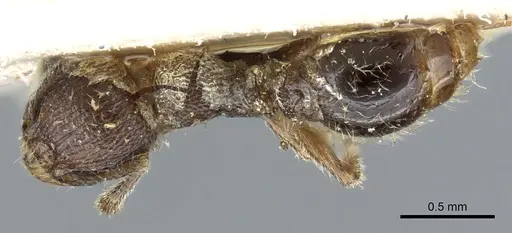
Literature
Loading distribution map...Loading products...