
Tetramorium squaminode
- Sci. Name
- Tetramorium squaminode
- Tribe
- Crematogastrini
- Subfamily
- Myrmicinae
- Author
- Santschi, 1911
- Distribution
- Found in 4 countries
Introduction
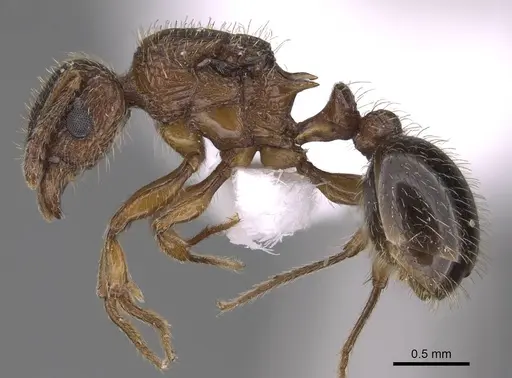
Tetramorium squaminode is a small ant from the Afrotropical region, recorded in Kenya, Saudi Arabia, South Africa, Tanzania, and Zimbabwe . Workers are 2.7-3.9 mm long and easy to recognize by their extremely narrow, knife-edged petiole scale - a thin, sharp crest that stands out from other Tetramorium species . They are brown with a darker head and gaster, and the mesosoma is yellowish-brown . Queens are larger (3.65-3.75 mm) and darker, appearing blackish-brown . This species is an Afromontane element that lives at high elevations above 2500 m, in places like the alpine heather zone of Mount Kilimanjaro (3200-3800 m) and juniper forests in Saudi Arabia . It has also been found in savannah habitats in South Africa . Despite its wide range, almost nothing is known about its colony life or captive care requirements.
Quick Summary
- Difficulty: Medium
- Origin & Habitat: Afrotropical region (Kenya, Saudi Arabia, South Africa, Tanzania, Zimbabwe). Inhabits high-elevation Afromontane forests and alpine heath above 2500 m, and also recorded in savannah areas [1][3][2][4].
- Colony Type: Unconfirmed. Most Tetramorium species are single-queen (monogyne), but this has not been documented for Tetramorium squaminode.
- Size & Growth:
- Antkeeping:
- Temperature: 20-24°C is a reasonable starting range given the high-elevation habitat. Provide a temperature gradient so workers can regulate themselves [3][2].
- Humidity: Moderate (50-70%), based on montane forest conditions. Keep the nest substrate moist but not waterlogged [2].
- Diapause: Likely needed because of seasonal temperature changes in the native habitat, but not directly studied. If the colony slows in winter, provide a cool period at 10-15°C for 2-3 months.
- Nesting: No specific data, based on typical Tetramorium, they probably nest in soil or under stones. Use Y-tong, plaster, or naturalistic soil nests with small chambers to match the small worker size.
- Behavior: Small, active ground-foragers. Like other Myrmicinae, they have a stinger that they use to smear venom (subfamily trait). Not particularly aggressive but will defend the nest. Their small size means they can slip through tiny gaps, so escape prevention is crucial.
- Common Issues: lack of species-specific care data makes all husbandry recommendations uncertain, high-elevation origin means temperature needs may differ from typical captive setups, small worker size (under 4 mm) increases escape risk, use fine mesh barriers, colony growth expectations are unknown due to no documented colony size, hibernation requirements are not confirmed but likely necessary
Origin and Natural Habitat
Tetramorium squaminode is native to the Afrotropical region, with records from Kenya, Saudi Arabia, South Africa, Tanzania, and Zimbabwe [1]. It is best known as an Afromontane faunal element, meaning it lives at high elevations above 2500 m [2]. The type locality is Mount Kilimanjaro in Tanzania, where it was collected in the alpine heather zone between 3200 and 3800 m [3]. In Saudi Arabia, it has been found in the Raydah Protectorate, which contains remnant juniper forest (Juniperus procera) at around 2761 m [2]. Other vegetation in this area includes Olea europaea, Maerua crassifolia, and various shrubs [2]. Some specimens were collected from pitfall traps in a burnt field, suggesting some tolerance for disturbed habitats [1]. A record from savannah sites in South Africa indicates the species may also occur at lower elevations [4].
Identification and Appearance
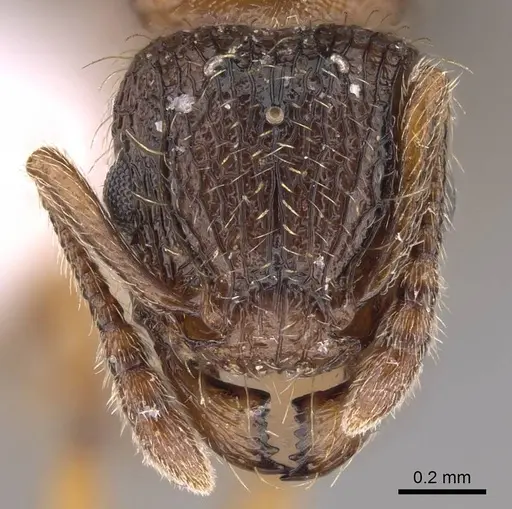
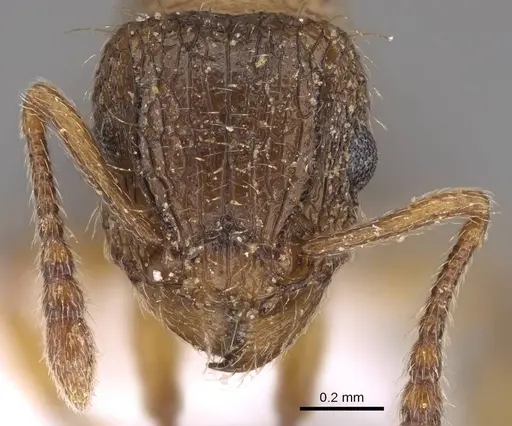
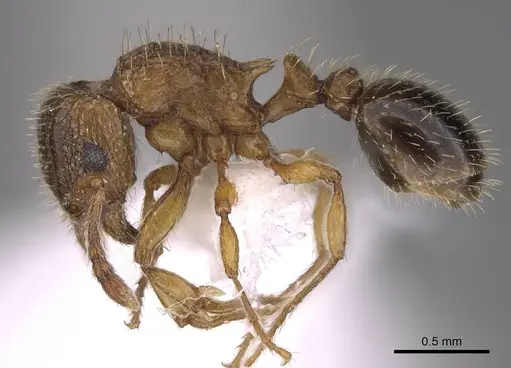
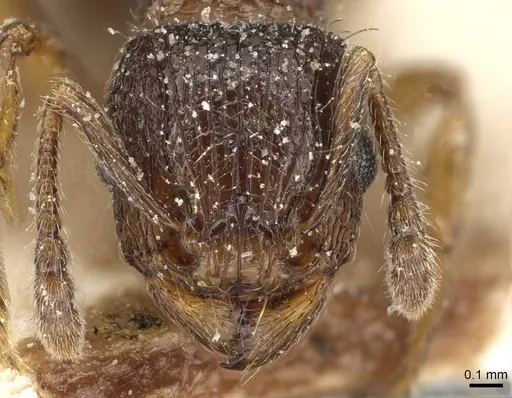
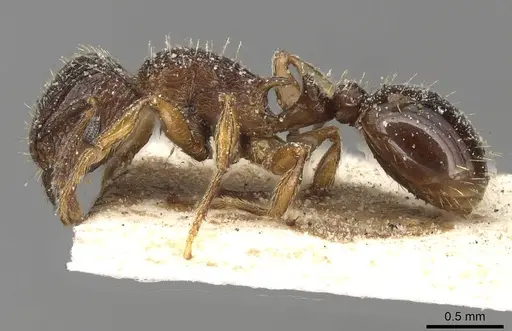
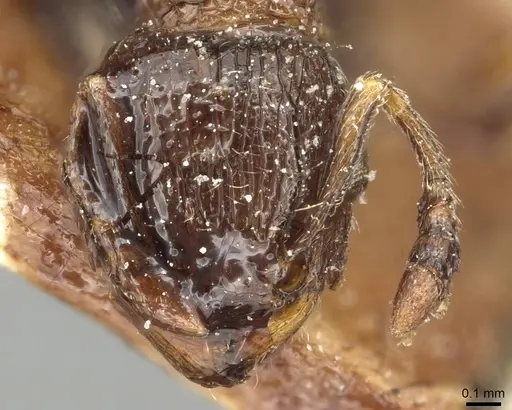
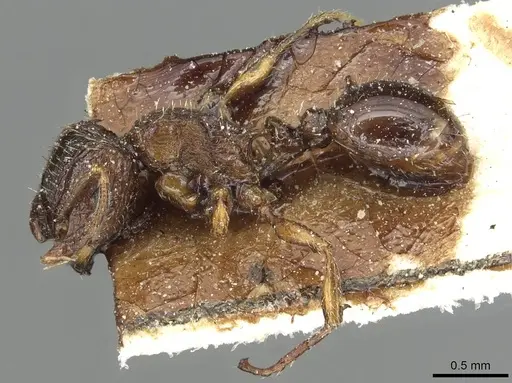
The hallmark feature of Tetramorium squaminode is its very narrow, knife-edged petiole scale. In profile, the scale is high and narrow with a thin, sharp dorsal crest that is acute, not rounded [1]. This is the best character to separate it from other members of the squaminode group [1]. Workers have a total length of 2.7-3.9 mm, a brown body with a dark brown head and gaster, and a yellowish-brown mesosoma, petiole, and postpetiole [2]. The anterior clypeal margin has a small median notch, the frontal carinae are long and reach the posterior corners of the head, and the propodeal spines are long and sharp, sometimes slightly curved downward [2]. Queens are larger,3.65-3.75 mm, and much darker: the head, mesosomal dorsum, petiole, and postpetiole are dark brown to blackish-brown, while the gaster is blackish [2]. Their antennae and legs are yellowish [2]. Both castes have abundant short, stout hairs on the body, some of which are clubbed at the tip [2].
Temperature and Care
Because Tetramorium squaminode comes from high-elevation Afromontane habitats, it likely prefers cooler temperatures than many tropical ants. Aim for 20-24°C as a starting range. Provide a temperature gradient across the nest (e.g., using a heating cable on one side) so workers can choose their preferred temperature [3][2]. Avoid overheating, this species is adapted to cool mountain conditions. Observe the colony: if workers consistently gather in cooler areas, reduce the overall temperature. Seasonal temperature changes in the native habitat suggest a winter rest period may be needed, but this has not been directly studied.
Housing and Nesting
No specific nesting records exist for this species. Based on typical Tetramorium habits, they likely nest in soil or under stones in the wild [1]. In captivity, you can use a Y-tong (AAC) nest, plaster nest, or a naturalistic setup with a soil substrate. Because workers are small (under 4 mm), make sure all chambers and passages are appropriately sized. Escape prevention is critical, use tight-fitting lids and fine mesh barriers. The species has been collected with pitfall traps, confirming its ground-foraging lifestyle [2]. Provide a foraging arena where workers can search for food. Keep the nest moderately humid (substrate moist but not waterlogged) to reflect the montane environment [2].
Feeding and Diet
There are no specific dietary studies on Tetramorium squaminode. Like most Tetramorium, it is probably an omnivorous ground-forager, eating small insects, seeds, and honeydew. In captivity, offer a varied diet: small live prey such as fruit flies, pinhead crickets, or chopped mealworms, along with sugar water or honey water. Provide protein 2-3 times per week and keep sugar sources constantly available. Since workers are small, prey items should be no larger than the worker's size. Remove uneaten food to prevent mold. Adjust the amount based on colony consumption.
Colony Structure and Development
The colony structure of Tetramorium squaminode has not been studied. Most Tetramorium species are monogyne (single queen), but this is not confirmed for this species. Queens measure 3.65-3.75 mm, larger than the workers [2]. No information is available on colony size, growth rate, or development timeline. Claustral founding (queen sealing herself in and raising the first brood on stored reserves) is typical for the genus but unconfirmed. Keepers should monitor their colony closely and adapt care based on observed growth.
Frequently Asked Questions
How long does it take for Tetramorium squaminode to produce first workers?
The exact timeline is unknown for this species. Based on typical Tetramorium patterns, expect roughly 6-10 weeks from egg to first worker at the recommended temperature (20-24°C). This is an estimate only.
What temperature do Tetramorium squaminode ants need?
Start at 20-24°C. As a high-elevation species, they prefer cooler conditions than most tropical ants. Provide a temperature gradient so workers can self-regulate [3][2].
Can I keep Tetramorium squaminode in a test tube setup?
Yes, a test tube is fine for founding colonies, provided the tube is appropriately sized for small workers (under 4 mm) and kept humid. Since there is no captive care experience with this species, monitor the colony closely for any signs of stress.
Do Tetramorium squaminode ants sting?
Like other Myrmicinae, they have a stinger and use it to smear venom onto enemies (a defense tactic called smearing). Their sting is not dangerous to humans.
How big do Tetramorium squaminode colonies get?
The maximum colony size is unknown because no data exists. Based on other Tetramorium species, colonies may eventually reach several hundred to a few thousand workers, but this is speculation.
Are Tetramorium squaminode ants good for beginners?
Not ideal for complete beginners because most care details are unknown. Experienced keepers willing to experiment may succeed, but there is a lack of established protocols.
Do Tetramorium squaminode ants need hibernation?
Likely yes, given the seasonal temperature changes in their high-elevation habitat, but this has not been studied. If your colony shows reduced activity, allow them to cool gradually to 10-15°C for 2-3 months.
What do Tetramorium squaminode ants eat?
No specific studies exist. Based on general Tetramorium feeding habits, they probably eat small insects, seeds, and honeydew. Offer small live prey (fruit flies, pinhead crickets) and sugar sources.
Where is Tetramorium squaminode found in the wild?
This species occurs in Kenya, Saudi Arabia, South Africa, Tanzania, and Zimbabwe [1]. It is mainly known from high-elevation sites above 2500 m in alpine heath and montane forests [3][2], but also from savannah in South Africa [4].
How do I identify Tetramorium squaminode ants?
The best clue is the extremely narrow, knife-edged petiole scale, the dorsal crest is thin and sharp [1]. Workers are 2.7-3.9 mm, brown with a darker head and gaster, and a yellowish-brown mesosoma [2]. Queens are 3.65-3.75 mm and much darker, almost black [2].
Report an Issue
The current care sheet is based fully on literature. See inconsistencies, or something that's incorrect? Please , it will be resolved after review from an admin. Contributing to the blogs tab also helps providing information, to make us be able to further improve the caresheets. Thank you for your support!
References

This caresheet is licensed under CC BY-SA 4.0 .
Community Blogs
CASENT0914584
View on AntWeb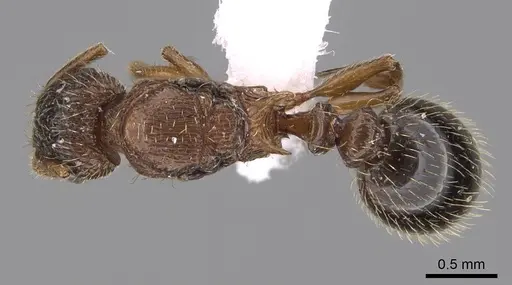
CASENT0914585
View on AntWeb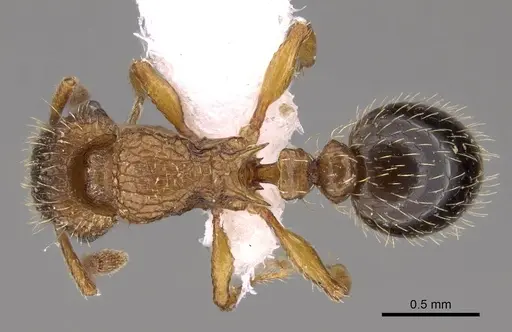
CASENT0915083
View on AntWeb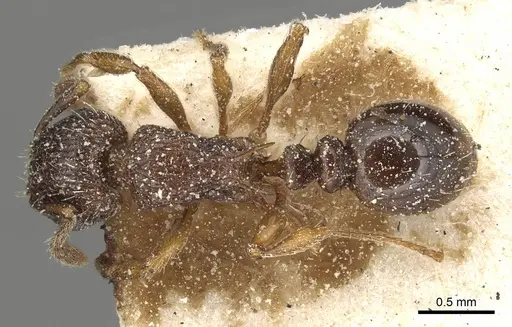
CASENT0915421
View on AntWeb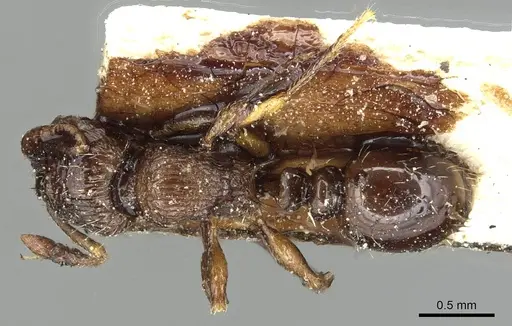
Literature
Loading distribution map...Loading products...