
Tetramorium sjostedti
- Sci. Name
- Tetramorium sjostedti
- Tribe
- Crematogastrini
- Subfamily
- Myrmicinae
- Author
- Forel, 1915
- Distribution
- Found in 1 countries
Introduction
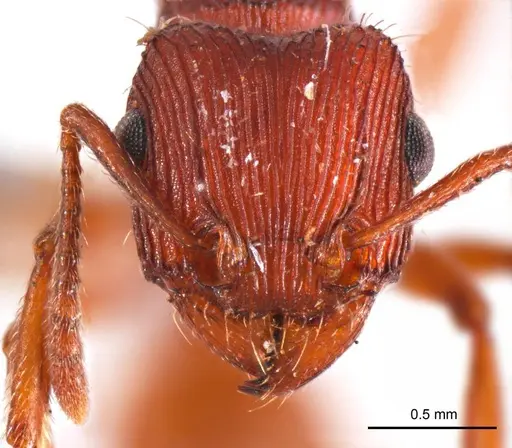
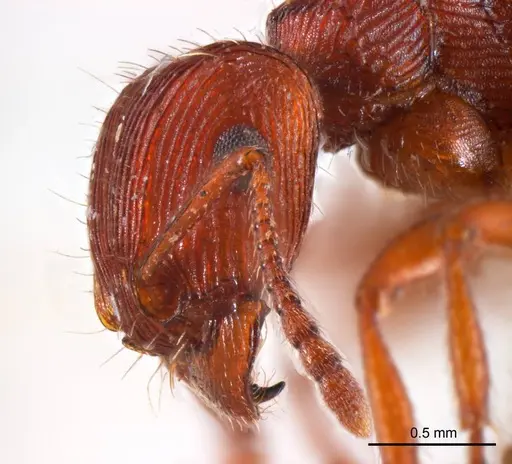
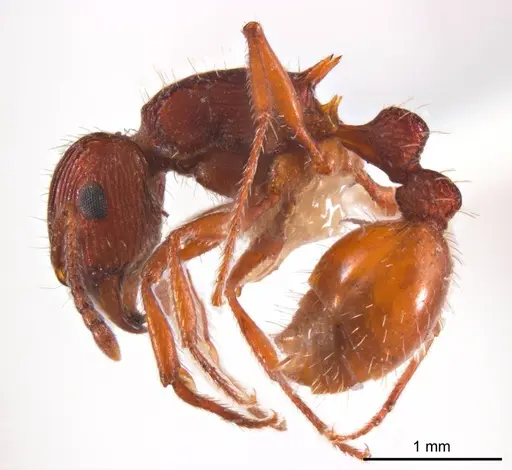
Tetramorium sjostedti is one of the largest Tetramorium species found in Australia, with workers measuring around 5.6 mm in total length . The workers have distinctive features including longitudinally striate mandibles, large eyes positioned slightly behind midlength, short and stout scapes that are broader at the base, and long propodeal spines . The species was originally described from the Kimberley District in Northern Western Australia . Biological data is nearly nonexistent for this species - no research has been published on its colony structure, founding behavior, diet, or other natural history . What we know comes from a few distribution records showing presence in northern Western Australia and Barrow Island .
Quick Summary
- Difficulty: Unknown
- Origin & Habitat: Northern Western Australia (Kimberley District) and Barrow Island, arid to semi-arid tropical region [1][3].
- Colony Type: Unconfirmed, no research on colony structure exists for this species
- Size & Growth:
- Queen: Unknown, not described in available literature
- Worker: ~5.6 mm total length [1]
- Colony: Unknown, no colony size data available
- Growth: Unknown
- Development: Unconfirmed, no development data exists (Based on typical Tetramorium genus patterns, expect 6-10 weeks at optimal temperature, but this is an estimate)
- Antkeeping:
- Temperature: Unconfirmed, infer warm conditions (25-28 °C) from northern Australian distribution and related Tetramorium species
- Humidity: Unconfirmed, likely prefers moderate to low humidity typical of arid Australian species
- Diapause: Unknown, unlikely to require true hibernation given tropical distribution, but unstudied
- Nesting: Likely ground-nesting based on typical Tetramorium behavior. Use a standard test tube setup or Y‑tong nest.
- Behavior: Undocumented, no behavioral studies exist. As a Myrmicinae species from the tribe Crematogastrini, it likely uses a smear defense mechanism, applying venom with a modified stinger. Based on genus patterns, expect moderate foraging activity and standard temperament. Escape risk is normal given the 5.6 mm worker size.
- Common Issues: biology is completely unstudied, no care information exists in scientific literature, colony structure (monogyne/polygyne) is unknown, founding behavior and development timeline are unconfirmed, diet preferences have not been documented, temperature and humidity requirements are inferred, not confirmed
Identification and Appearance
Tetramorium sjostedti is the largest of the Australian Tetramorium species [2]. Workers measure about 5.6 mm in total length [1]. Key features include longitudinally striate mandibles, very large eyes, short and stout scapes that are broader at the base than at midlength, and long, stout propodeal spines [1]. The metapleural lobes are elongated and directed upward. Long stout hairs cover the dorsal surfaces of the head and body. This species was originally described by Forel in 1915 and was later transferred from Xiphomyrmex to Tetramorium by Bolton in 1977 [1].
Distribution and Habitat
This species is known only from northern Western Australia, specifically the Kimberley District [1]. Records also show presence on Barrow Island in the context of non-indigenous species surveys [3]. The Kimberley region has a tropical to semi‑arid climate with distinct wet and dry seasons. The original collection by Mjoberg remains the only documented record [1].
Known Biology
The biology of Tetramorium sjostedti is completely unstudied [1]. No information exists on colony structure (single‑queen or multi‑queen), founding behavior, diet, development, nuptial flight timing, or any other natural history [1]. This gap means all care recommendations must be inferred from related species rather than specific research. The species was described in 1915 and has received almost no biological study since [1].
Care Recommendations (Inferred)
Since no species‑specific care information exists, recommendations are based on typical Tetramorium genus behavior and the known distribution. Provide a standard test tube setup or Y‑tong nest, these ants are likely ground‑nesting. Keep a warm environment, likely 25-28 °C, matching the northern Australian tropical climate. Humidity should be moderate, not overly wet, and can be supplied via a water tube in the test tube. Feed small insects (fruit flies, pinhead crickets, mealworms) as protein and offer sugar water or honey for carbohydrates. These are estimates, observe your colony and adjust conditions based on their response.
Research Gaps
This species represents a significant knowledge gap. The most critical unknowns include: colony structure (monogyne vs polygyne), founding type, exact temperature and humidity requirements, diet preferences, development timeline (egg to worker), nuptial flight season, and any unique behaviors. The species was described in 1915 but remains biologically unstudied [1]. Observations from antkeepers would contribute valuable original data. Approach this species with caution, start with typical Tetramorium conditions and adjust based on colony response.
Frequently Asked Questions
How do I keep Tetramorium sjostedti ants?
Care is not confirmed for this species, no biological studies exist. Use standard Tetramorium care as a starting point: test tube or Y‑tong nest, warm temperatures (25-28 °C), moderate humidity, and feed small insects and sugar water. Monitor your colony closely and adjust based on behavior.
What do Tetramorium sjostedti eat?
Diet is unconfirmed for this specific species. Based on typical Tetramorium behavior, they likely accept small insects (fruit flies, pinhead crickets, small mealworms) as protein and sugar water or honey as carbohydrates. Start with these basic foods and observe acceptance.
How big do Tetramorium sjostedti colonies get?
Colony size is unknown, no research exists on colony size for this species. Based on their large worker size (5.6 mm) and typical Tetramorium patterns, colonies likely reach several hundred workers, but this is an estimate.
Do Tetramorium sjostedti ants need hibernation?
Diapause requirements are unknown. Given their northern Australian tropical distribution, they likely do not require true hibernation. Some form of cooler period during winter months may be beneficial, but this is unconfirmed.
Are Tetramorium sjostedti good for beginners?
Difficulty level cannot be determined, this species has no documented care history in the antkeeping hobby. Their complete lack of biological data makes them unsuitable for beginners. Only experienced keepers comfortable with experimental husbandry should attempt this species.
How long does it take for Tetramorium sjostedti to develop from egg to worker?
Development timeline is unconfirmed, no research exists on this species' development. Based on typical Tetramorium genus patterns, expect approximately 6-10 weeks from egg to first worker at optimal warm temperatures, but this is purely an estimate.
Can I keep multiple Tetramorium sjostedti queens together?
Colony structure is unknown, no research exists on whether this species is monogyne (single queen) or polygyne (multiple queens). Do not combine unrelated queens without documented evidence that they can found colonies together.
What is the queen size of Tetramorium sjostedti?
Queen size is not described in available literature. The original description only covers worker morphology [1]. No queen measurements have been published.
Where is Tetramorium sjostedti found?
This species is known only from the Kimberley District in northern Western Australia [1]. The original collection was made by Mjoberg and the species remains known only from this region.
Do Tetramorium sjostedti ants sting?
Stinging ability is not documented for this species. As a Myrmicinae species, they likely have a functional stinger, but no specific documentation exists. General Myrmicinae precautions apply.
Report an Issue
The current care sheet is based fully on literature. See inconsistencies, or something that's incorrect? Please , it will be resolved after review from an admin. Contributing to the blogs tab also helps providing information, to make us be able to further improve the caresheets. Thank you for your support!
References

This caresheet is licensed under CC BY-SA 4.0 .
Community Blogs
ANTWEB1008723
View on AntWeb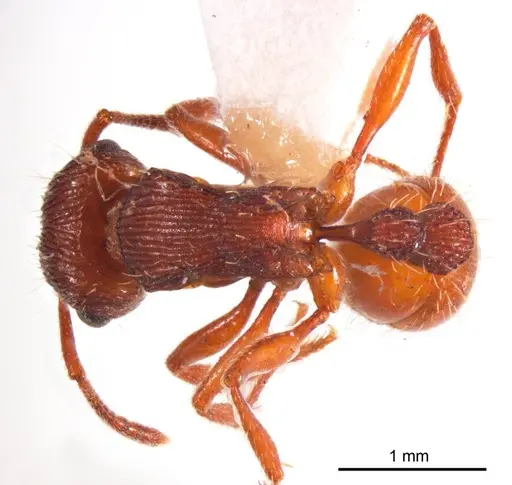
CASENT0909190
View on AntWeb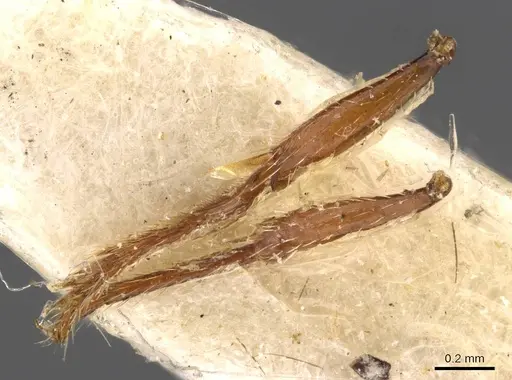
Literature
Loading distribution map...Loading products...