Tetramorium simillimum shows a January to November flight window. Peak activity occurs in November, with nuptial flights distributed across 3 months.
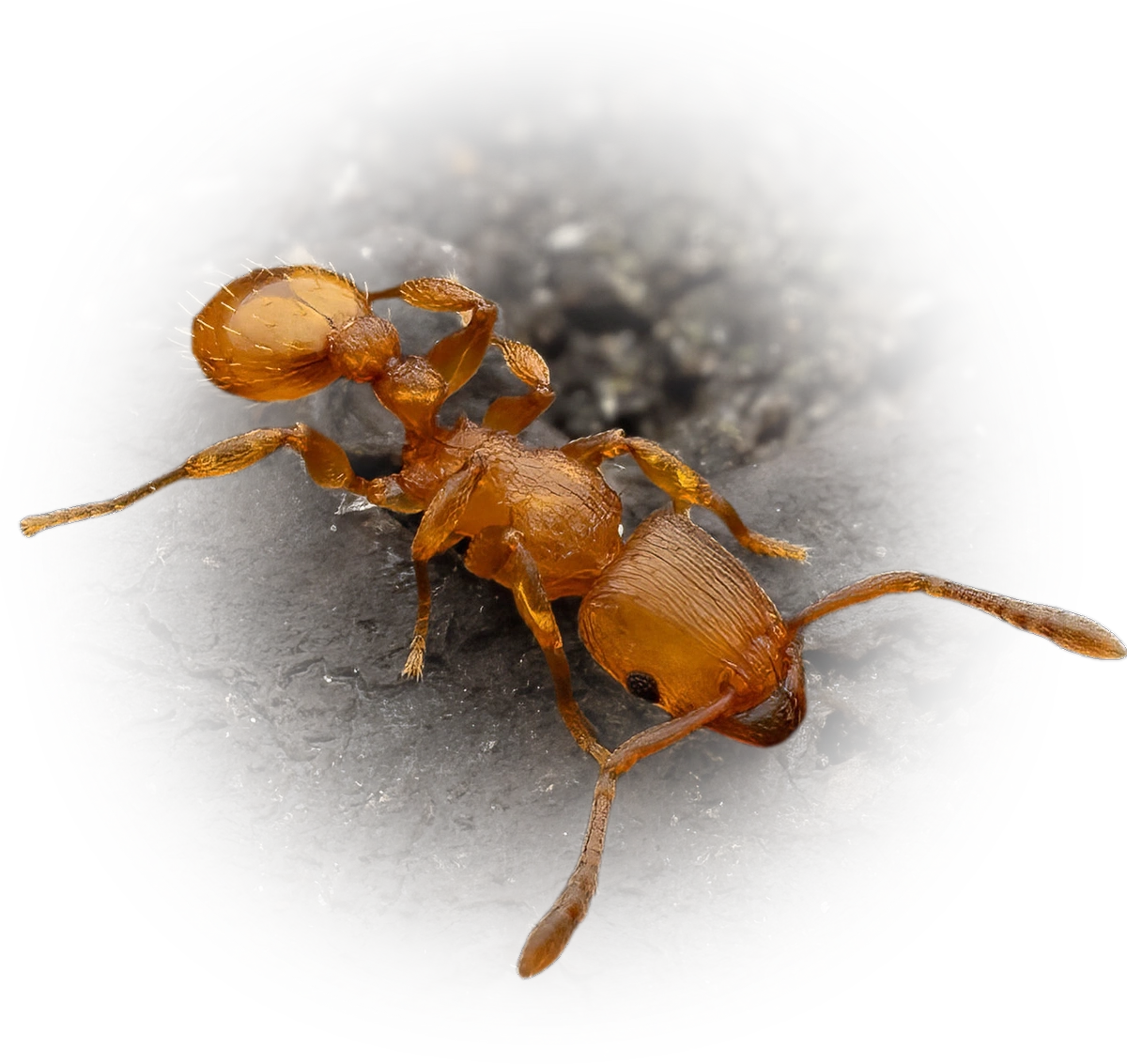
Groove-headed Fierce ant
Tetramorium simillimum
- Sci. Name
- Tetramorium simillimum
- Tribe
- Crematogastrini
- Subfamily
- Myrmicinae
- Author
- Smith, 1851
- Common Name
- Groove-headed Fierce ant
- Distribution
- Found in 20 countries
- Nuptial Flight
- From January to November
- Peak flight Time
- 19:00
AI Identifiable
try →
Introduction
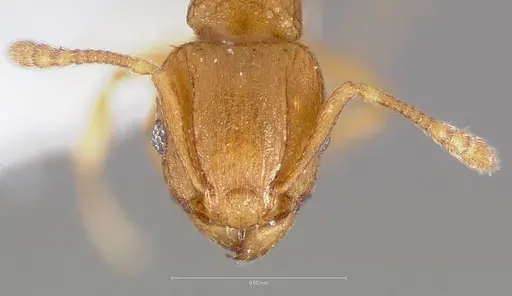
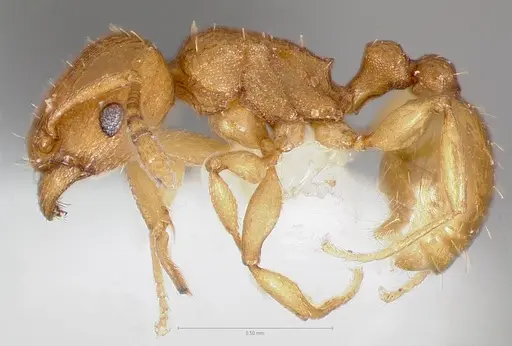
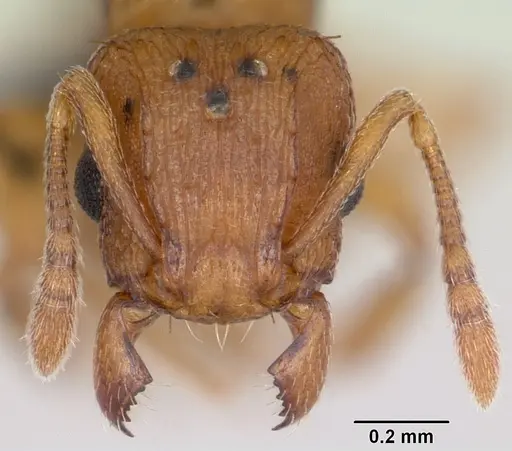
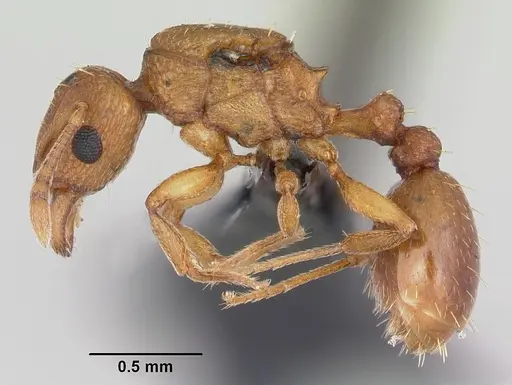
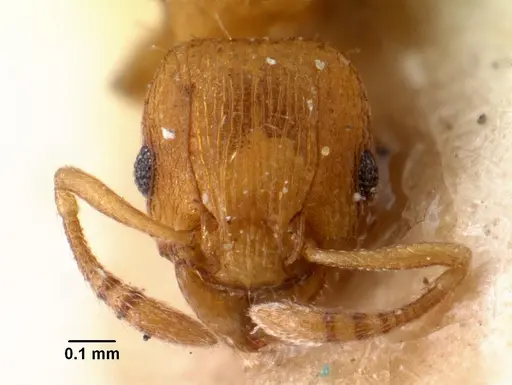
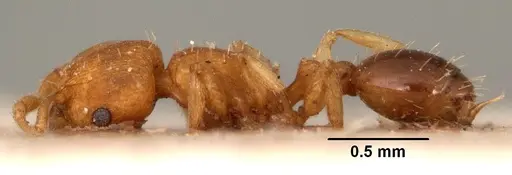
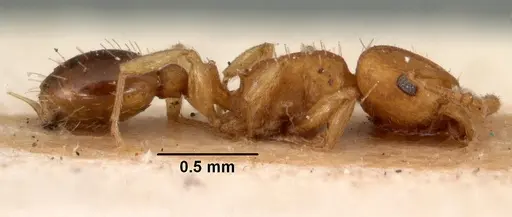
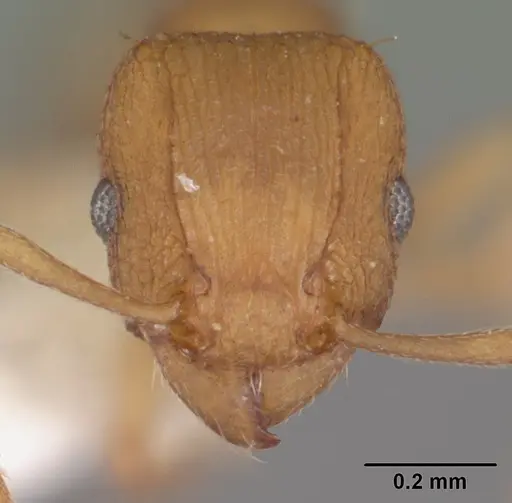
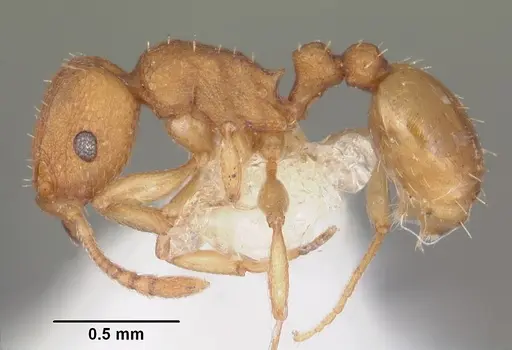
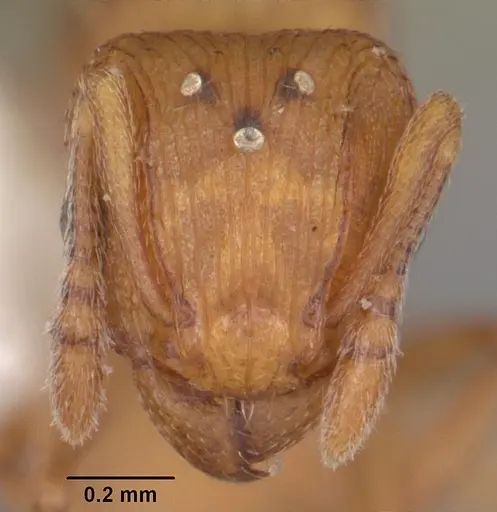
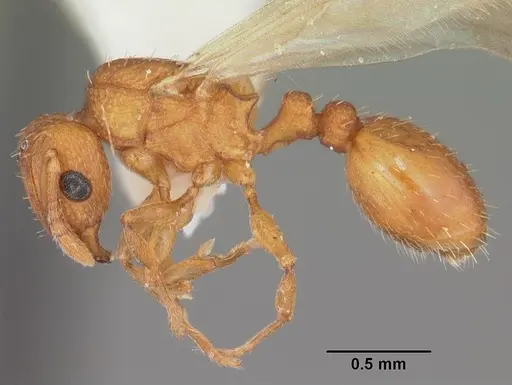
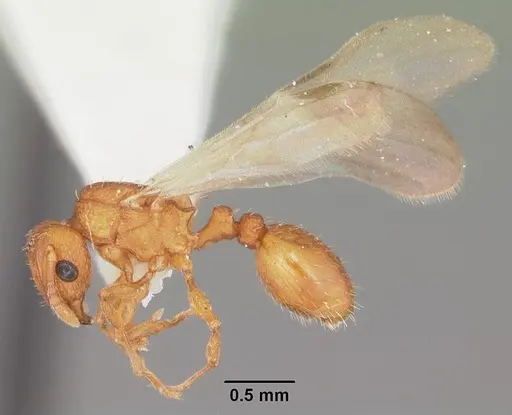
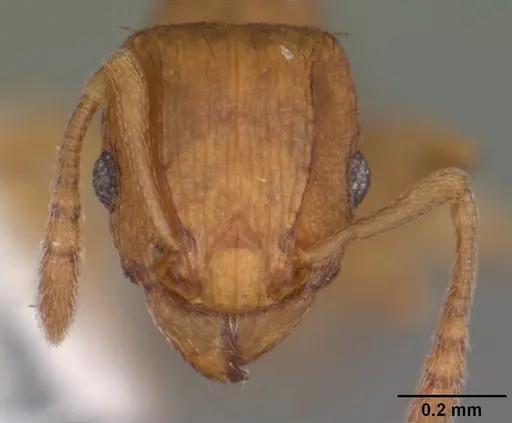
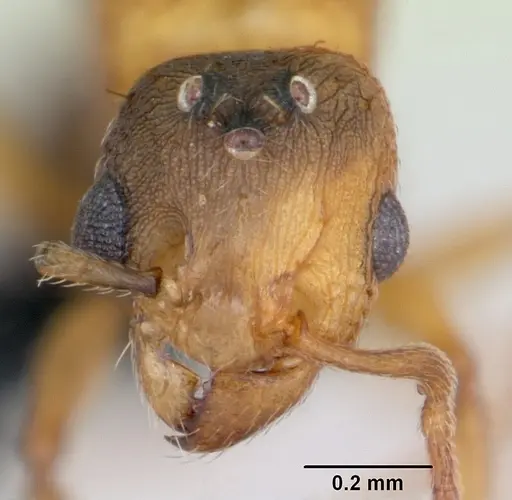
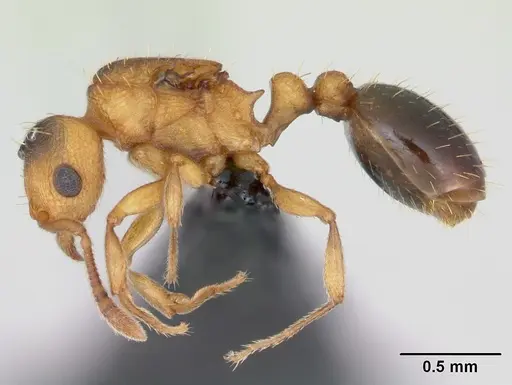
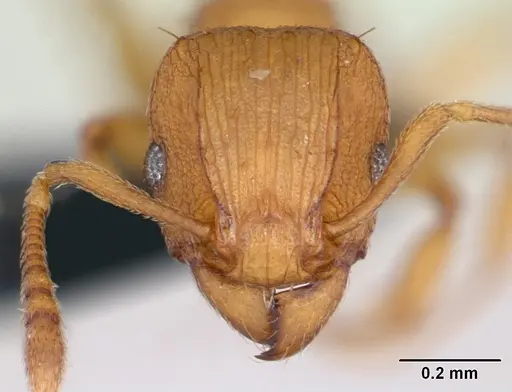
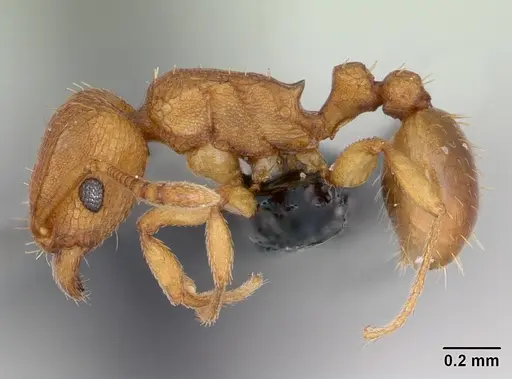
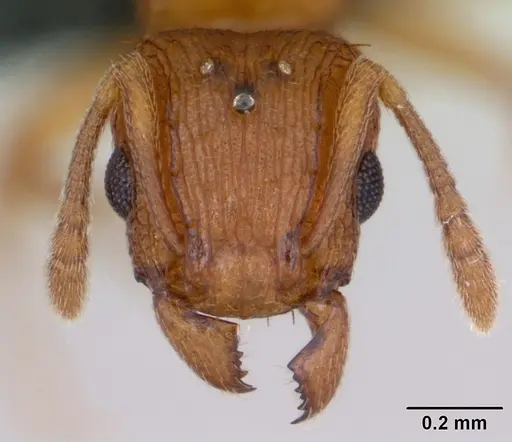
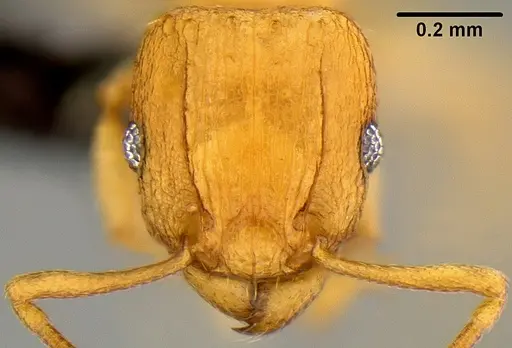
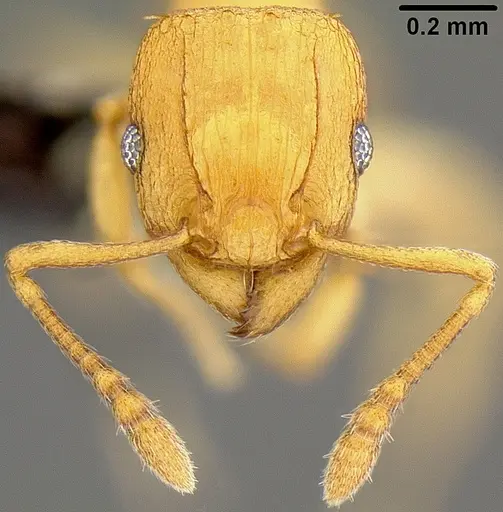
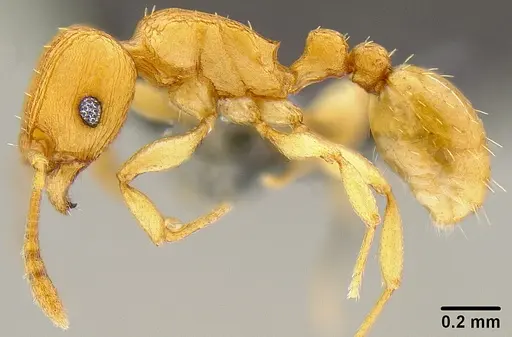
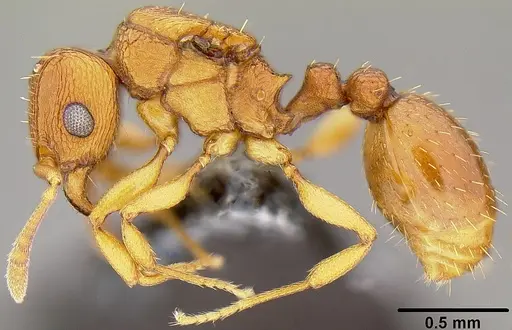
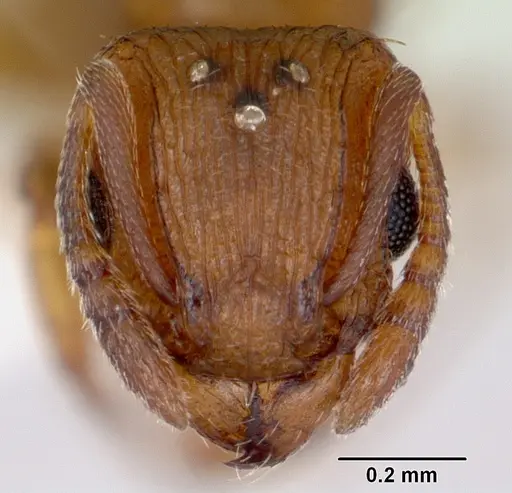
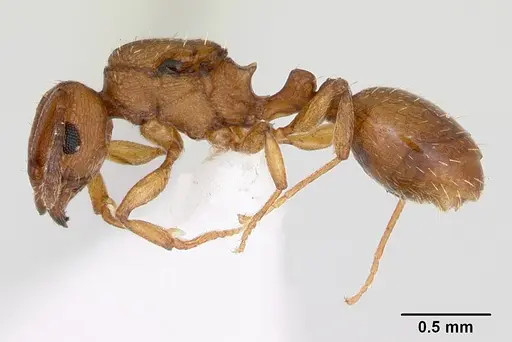
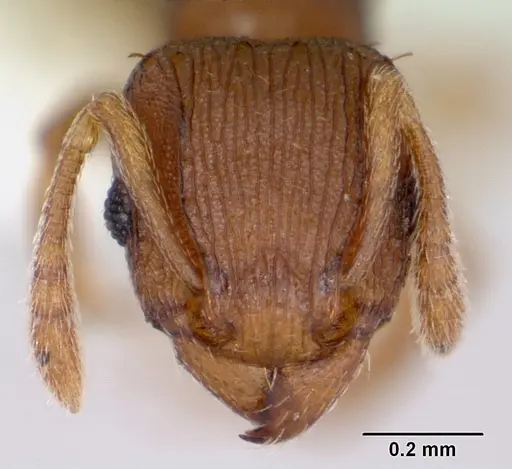
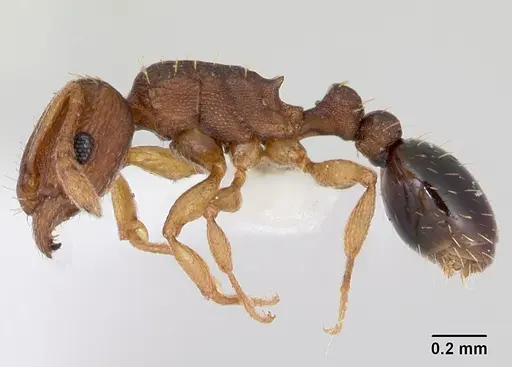
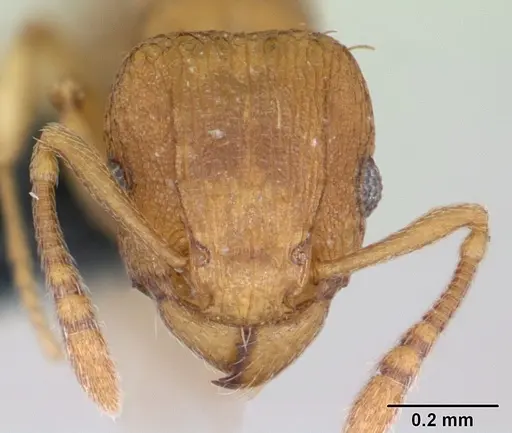
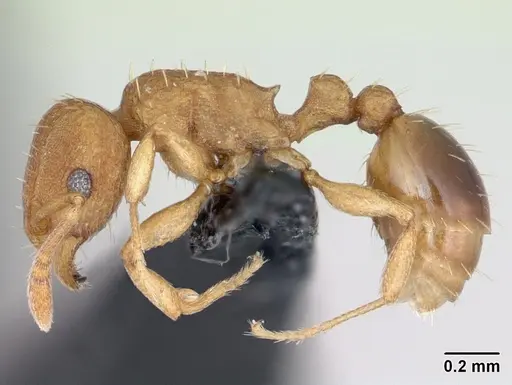
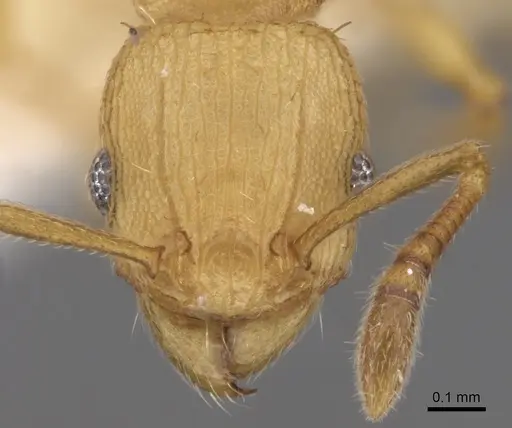
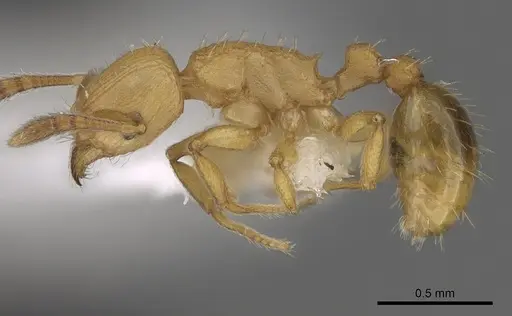
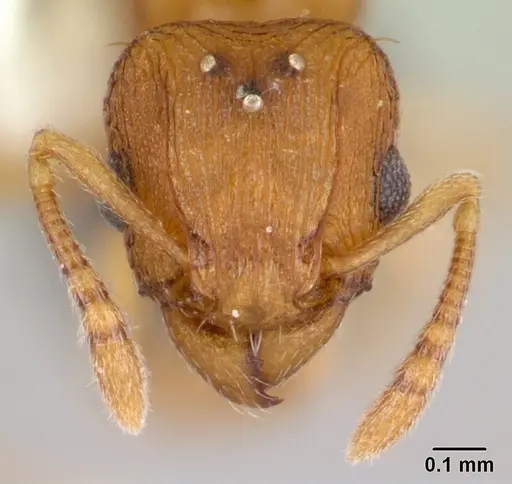
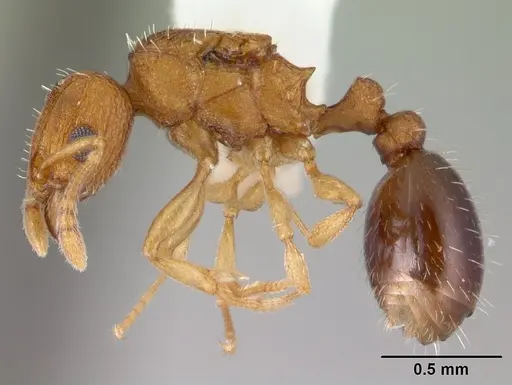
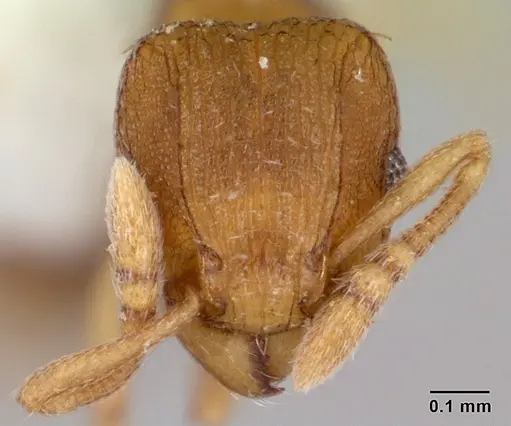
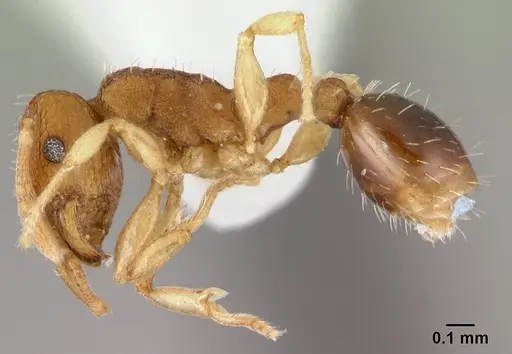
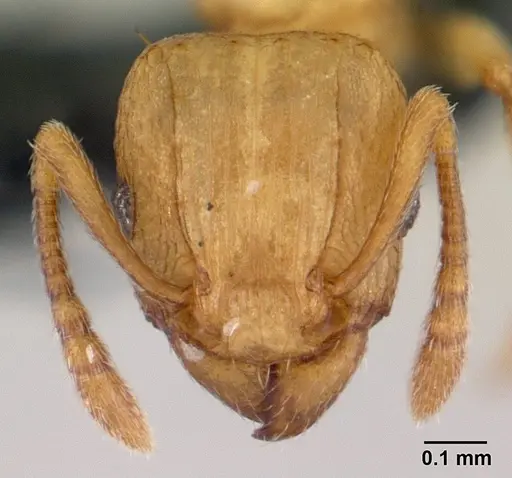
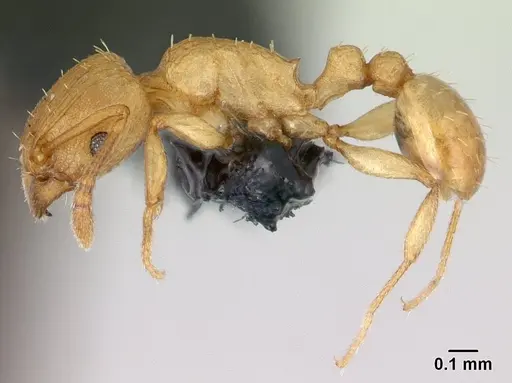
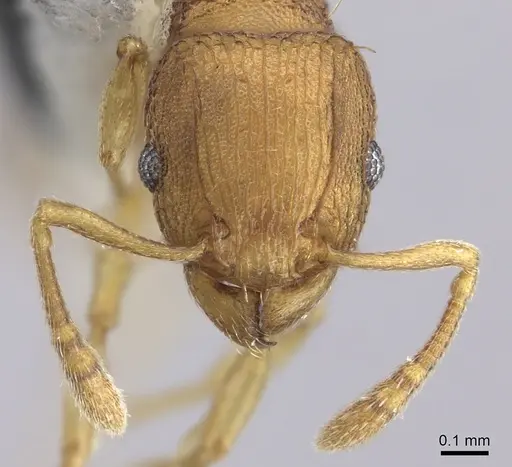
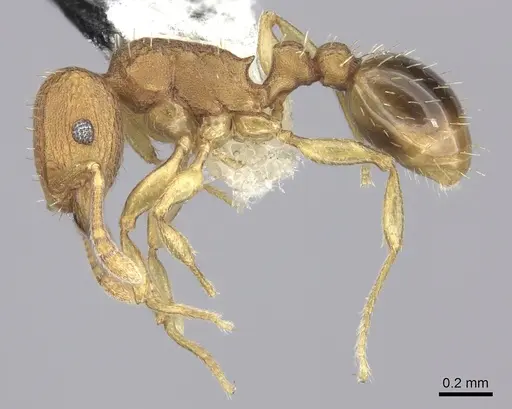
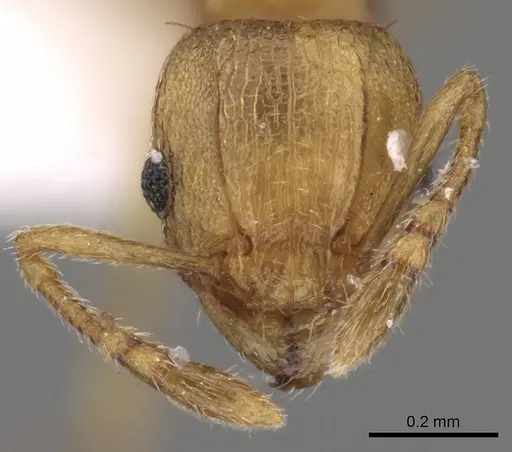
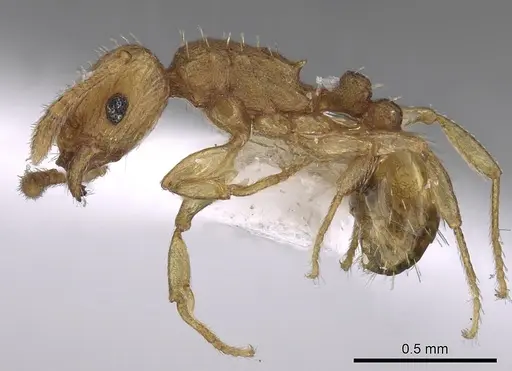
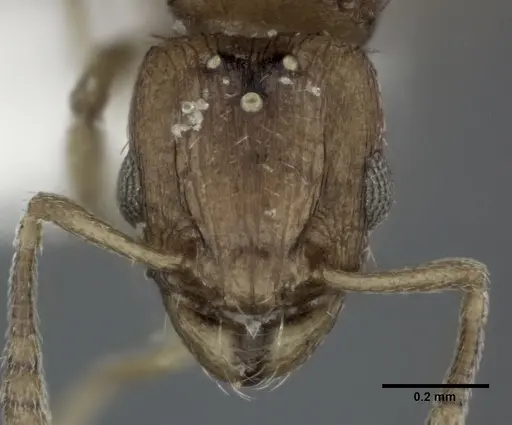
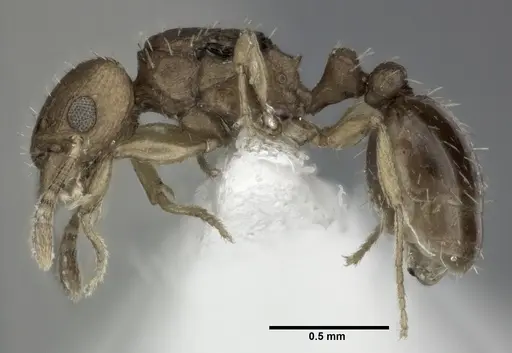
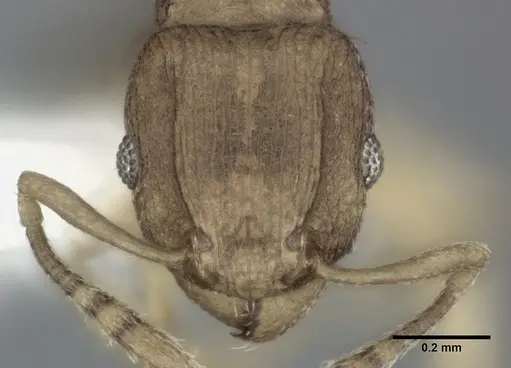
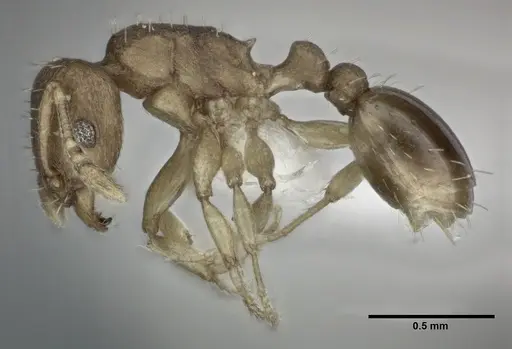
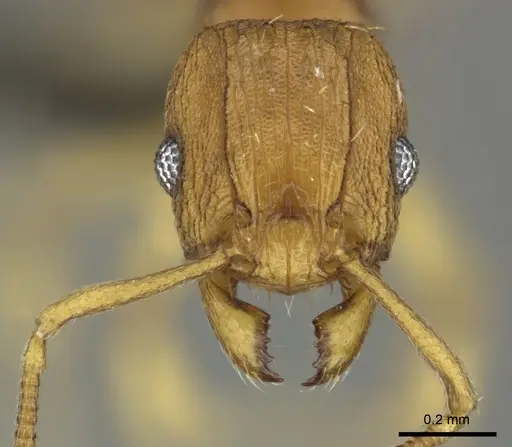
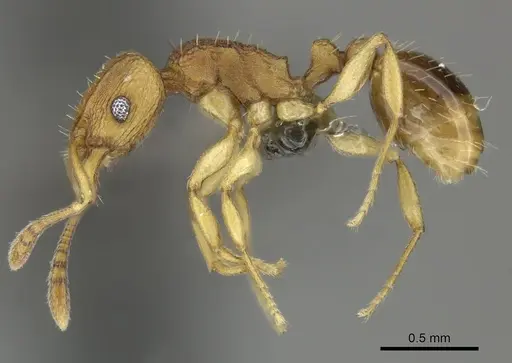
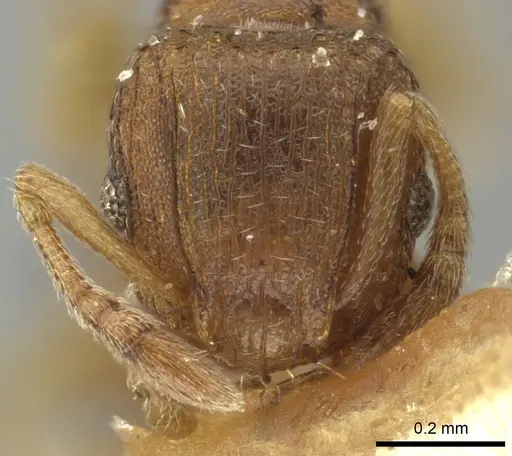
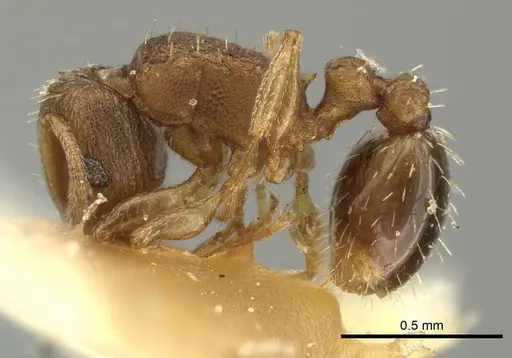
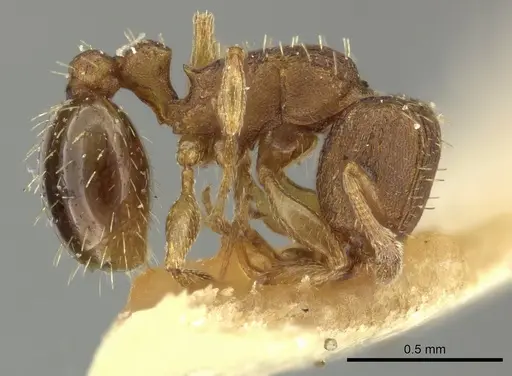
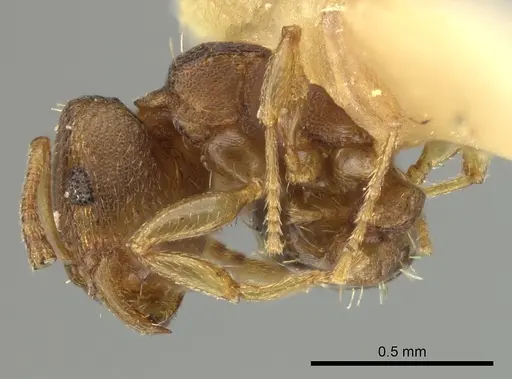
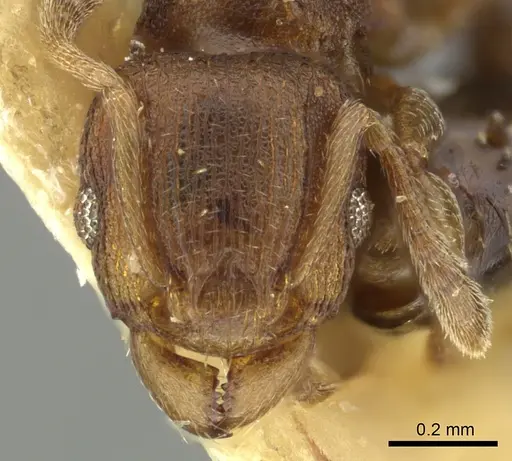
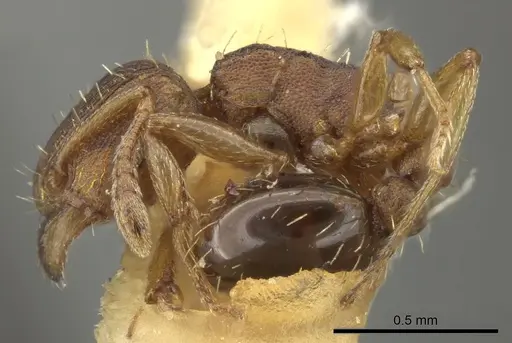
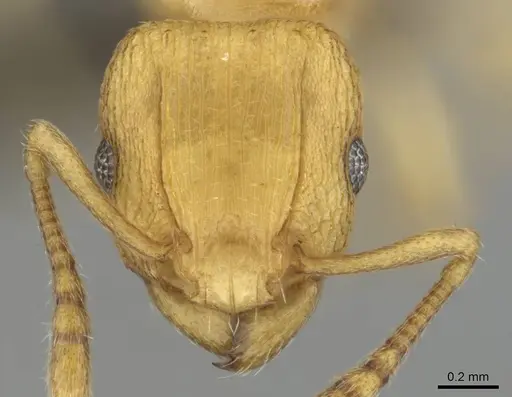
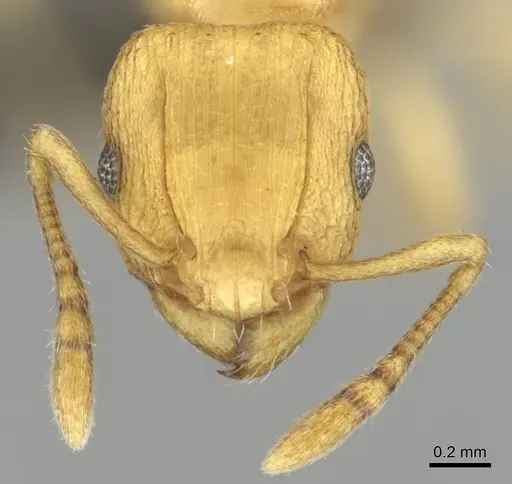
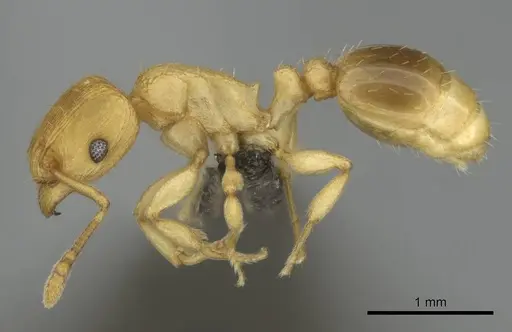
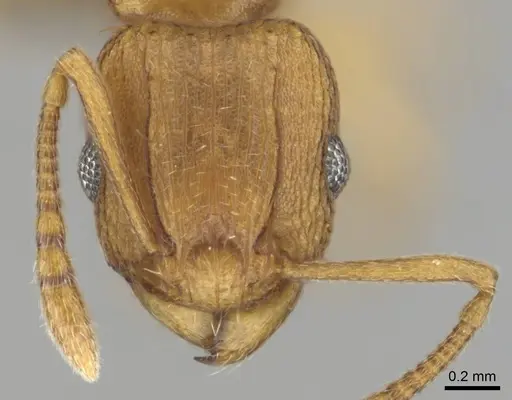
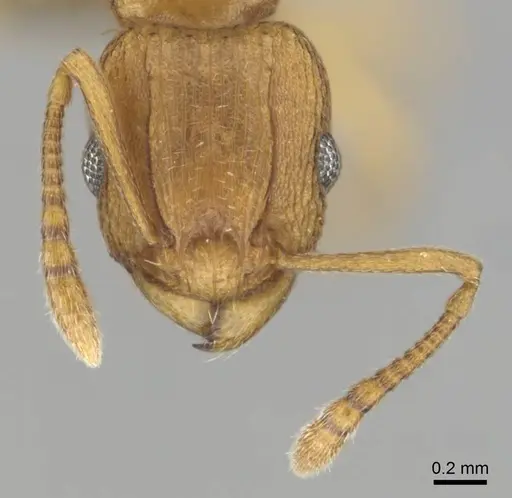
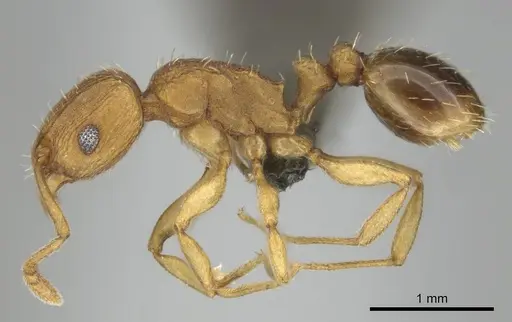
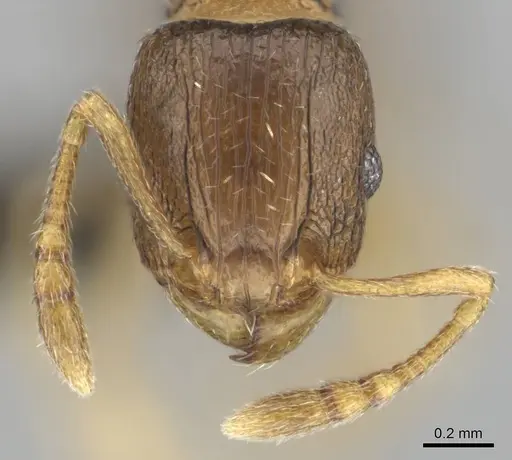
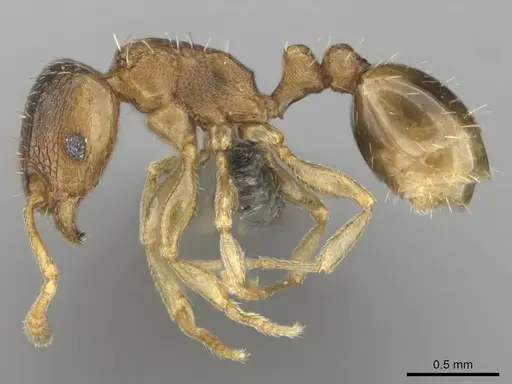
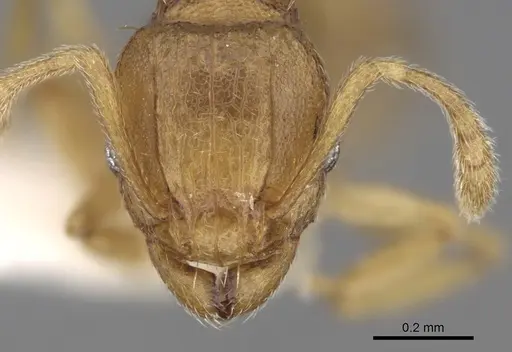
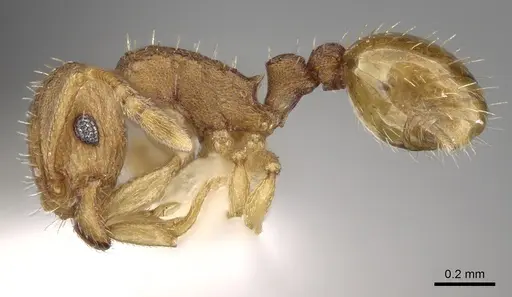
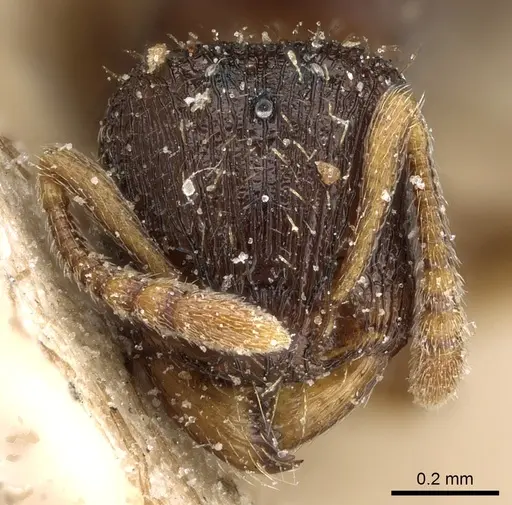
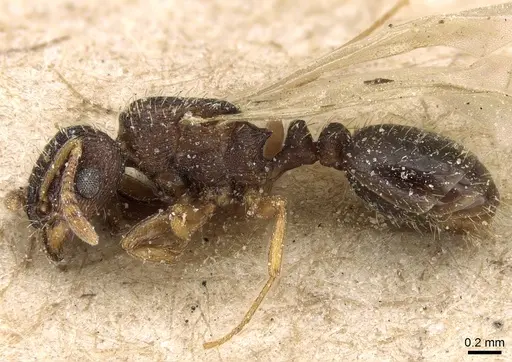
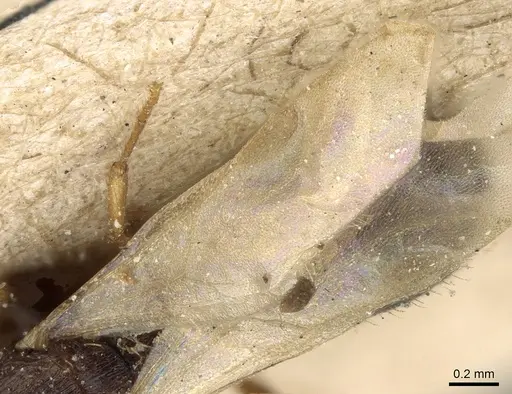
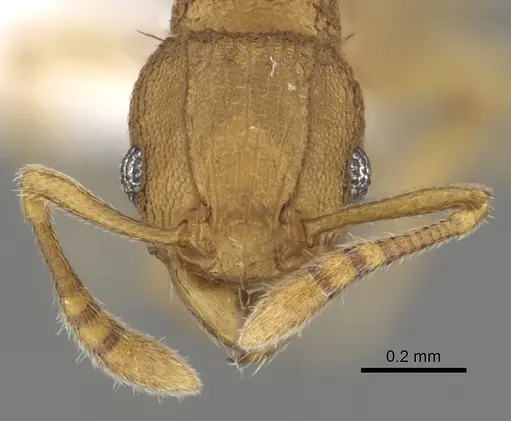
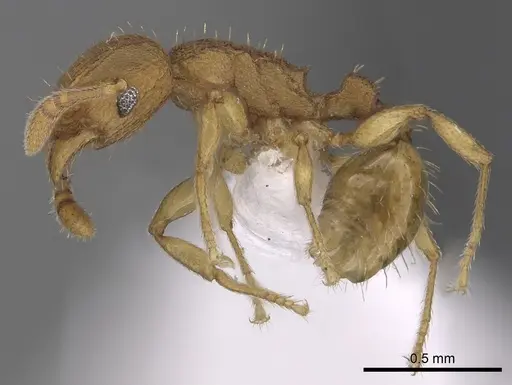
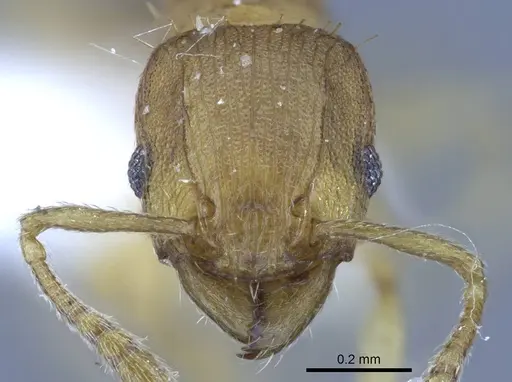
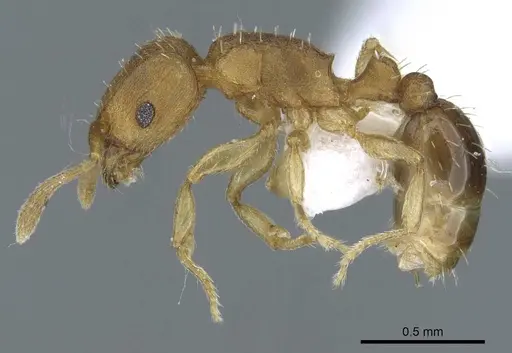
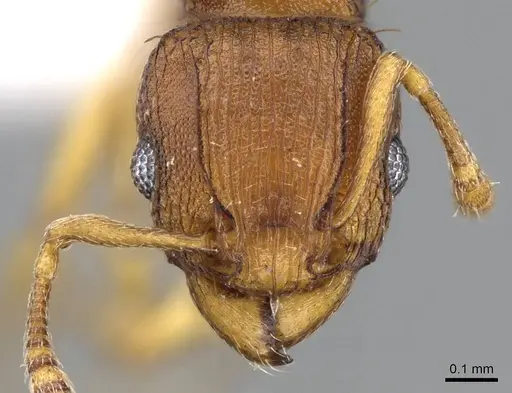
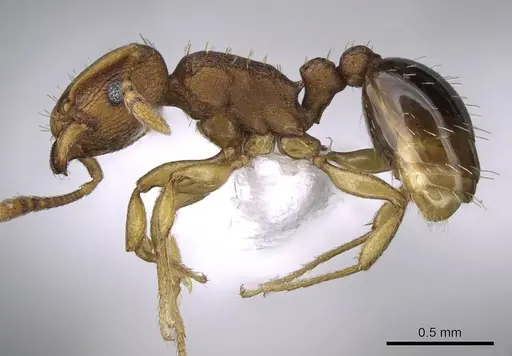
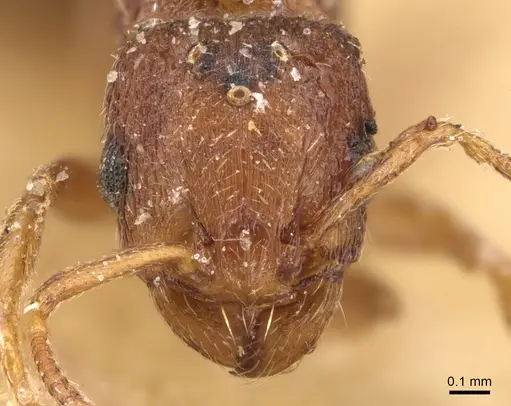
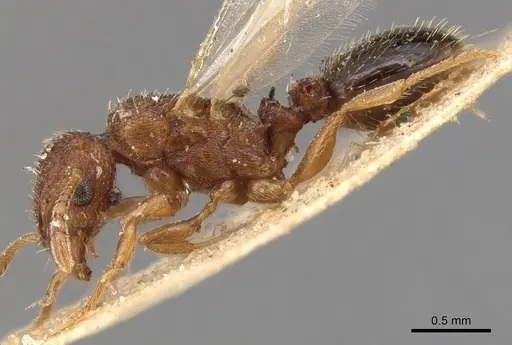
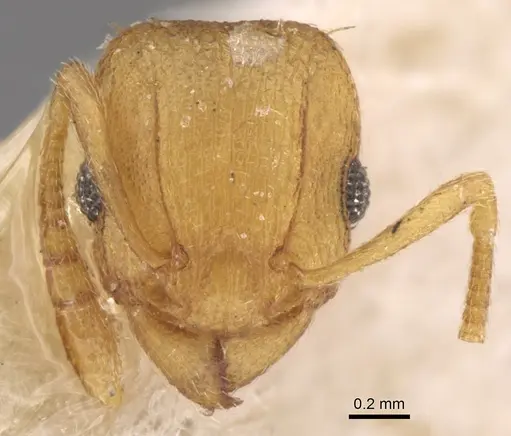
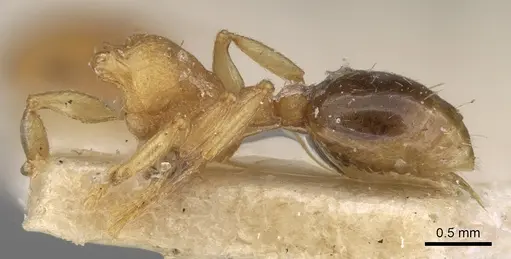
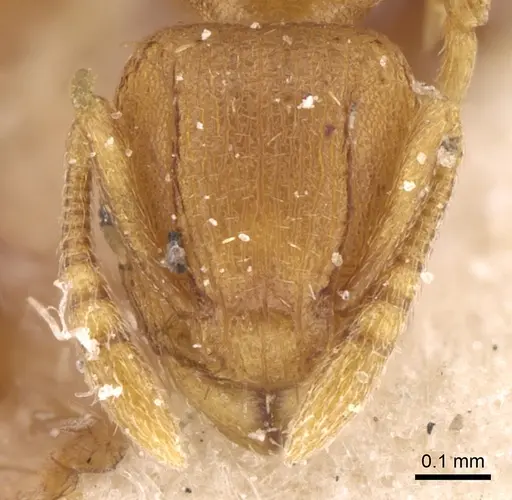
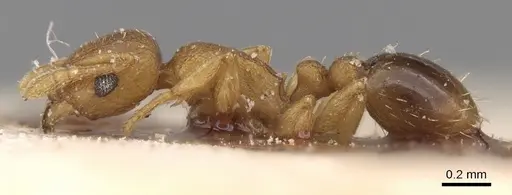
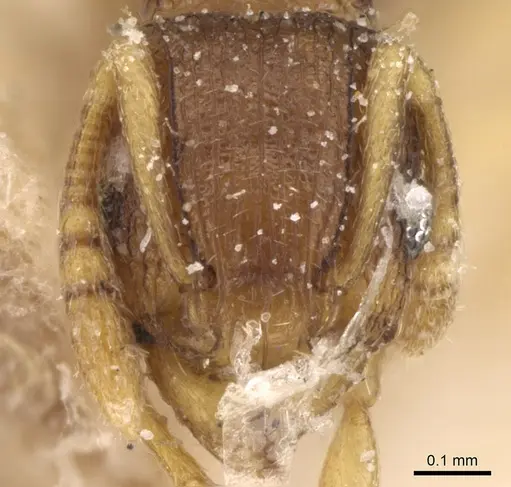
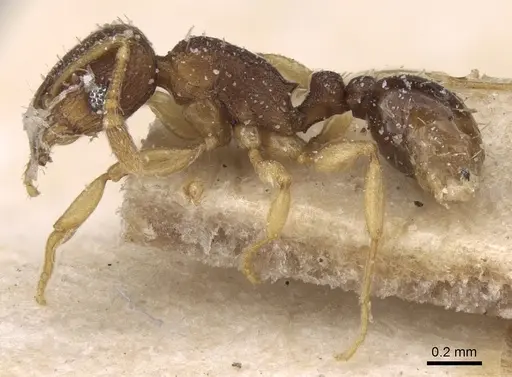
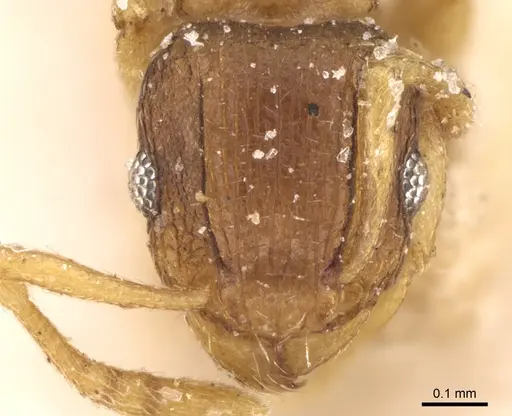
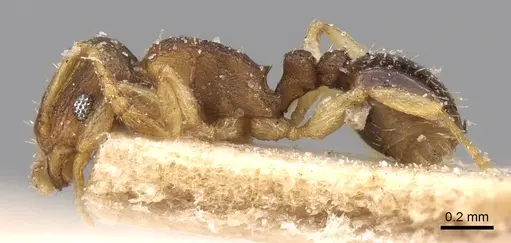
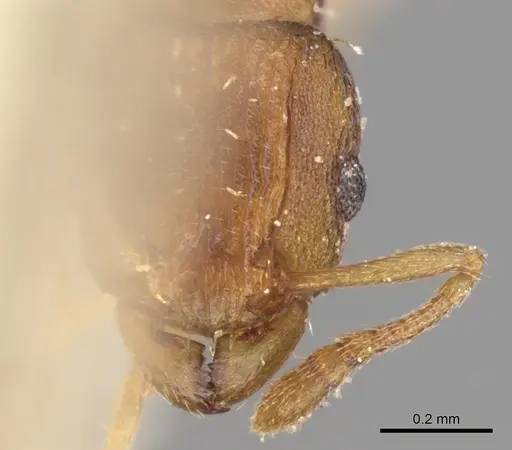
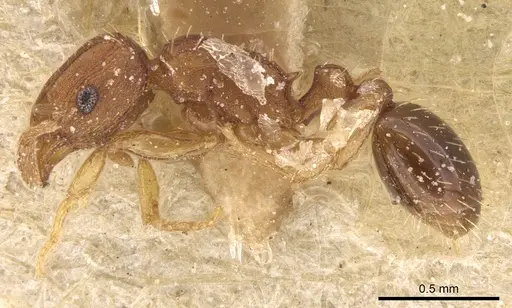
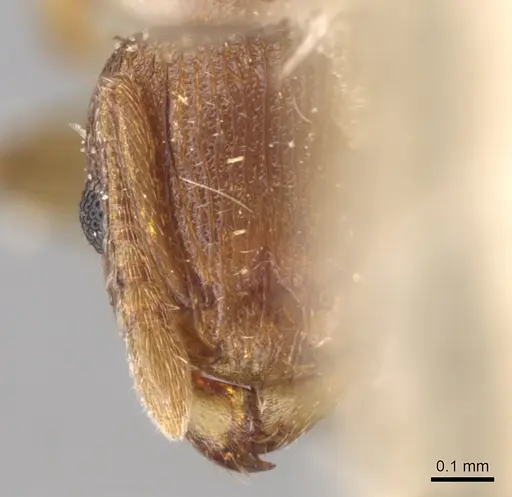
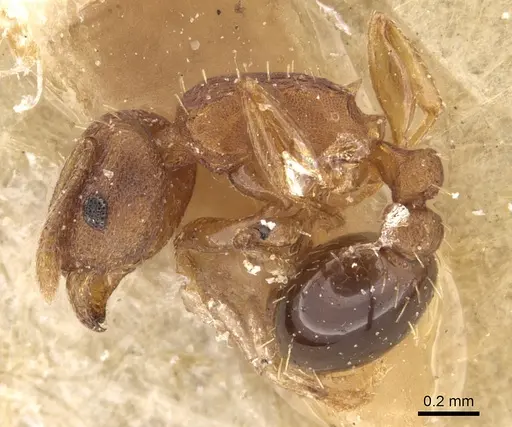
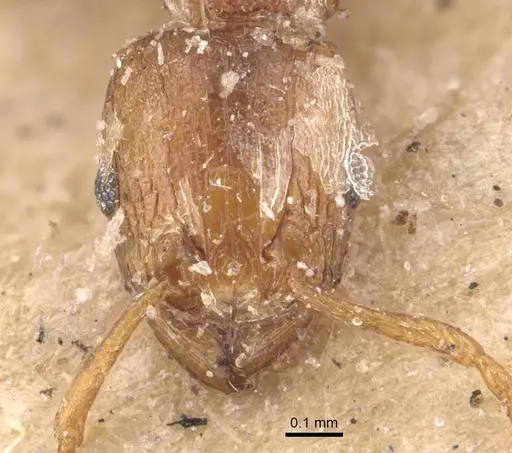
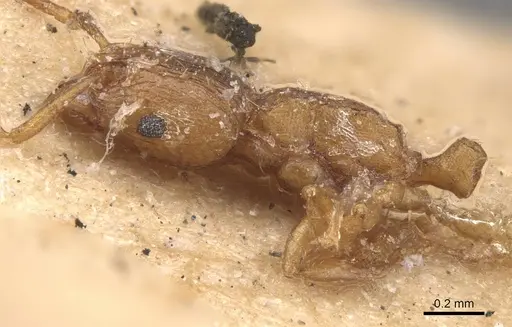
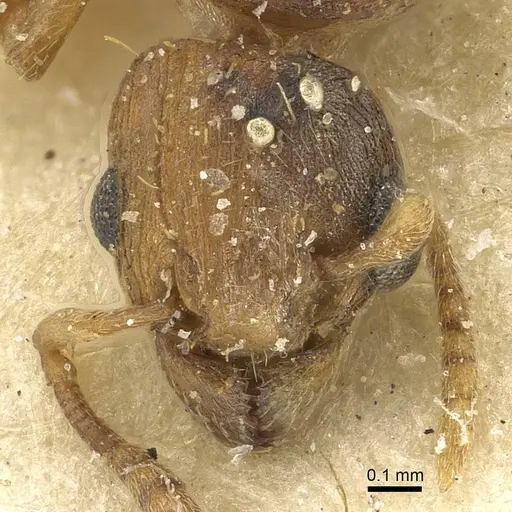
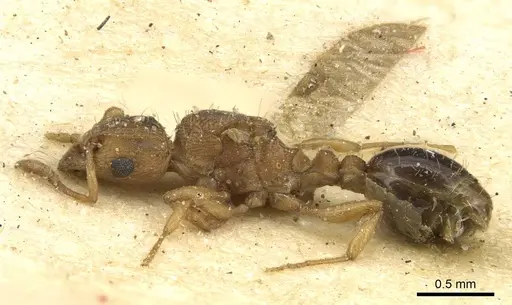
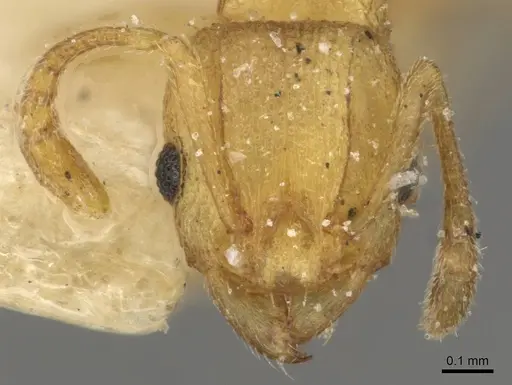
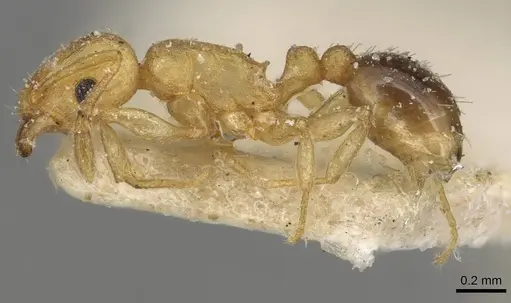
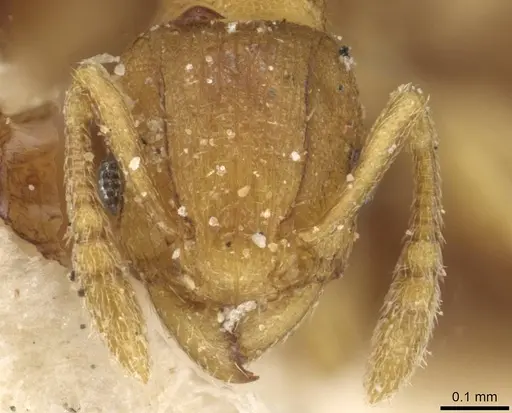
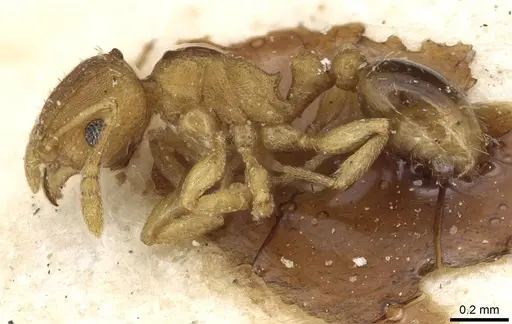
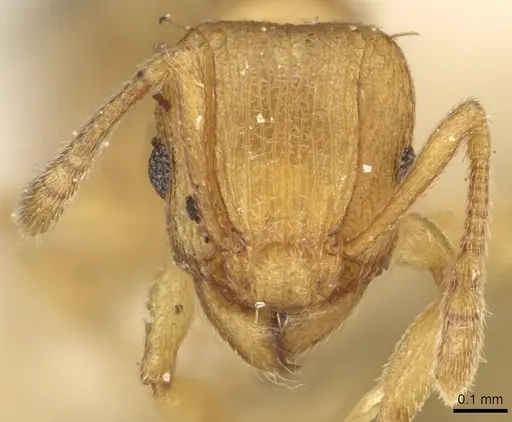
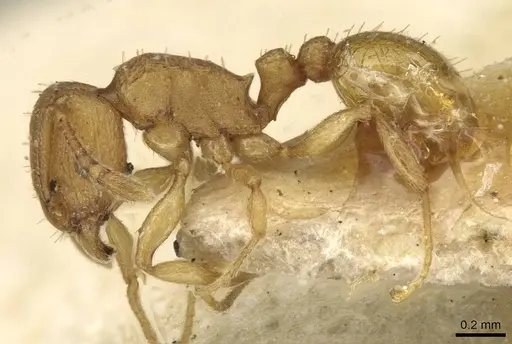
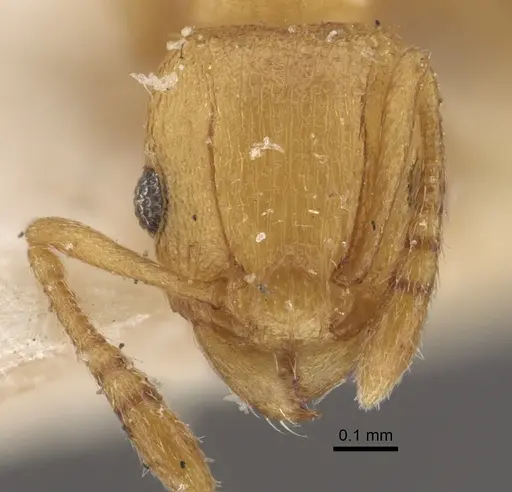
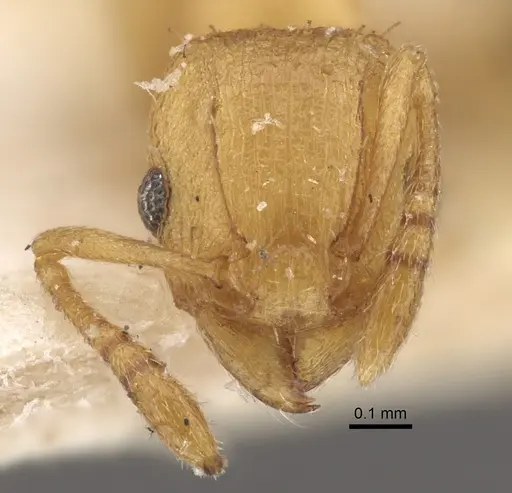
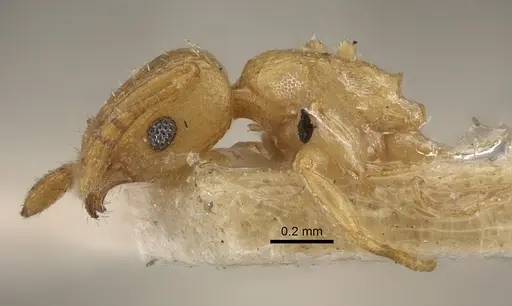
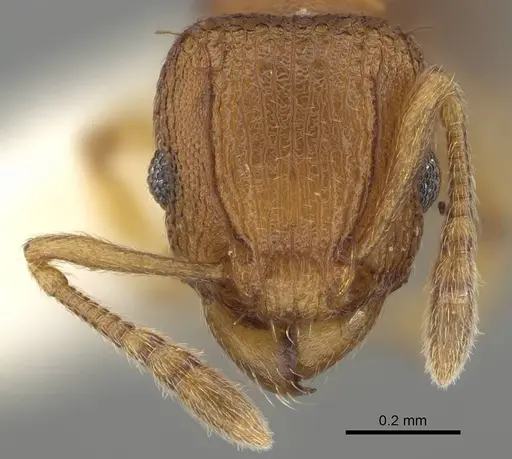
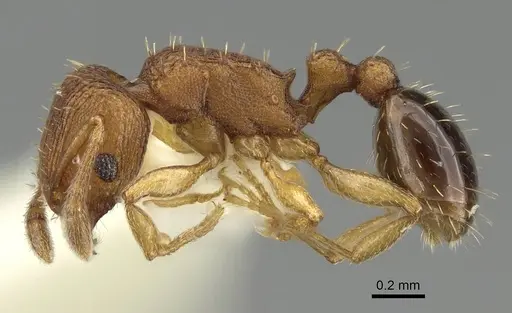
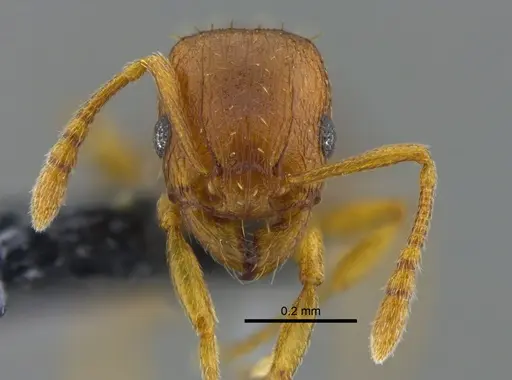
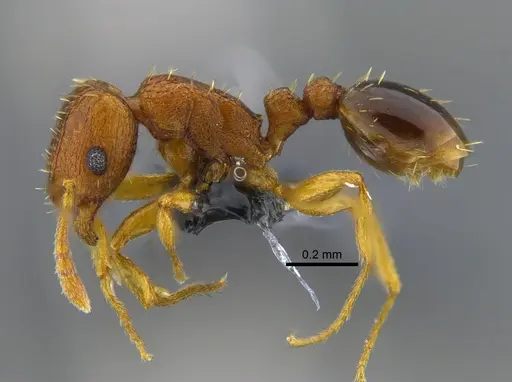
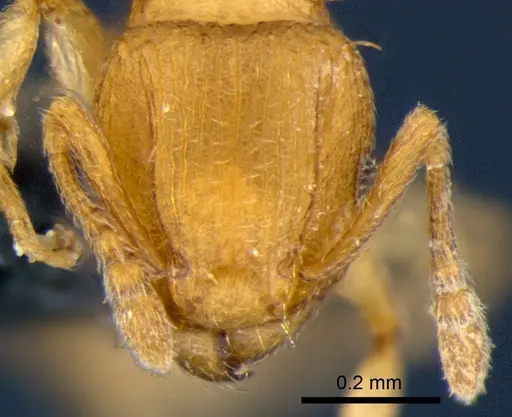
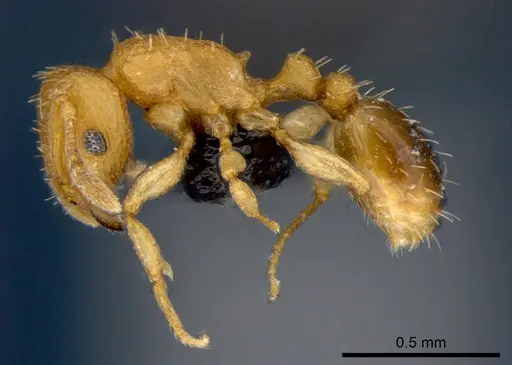
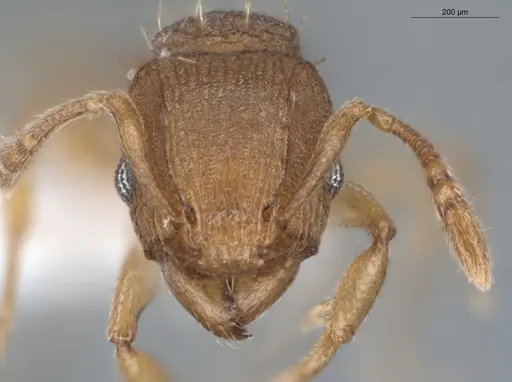
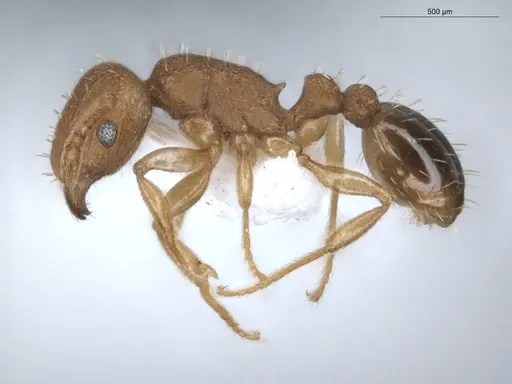
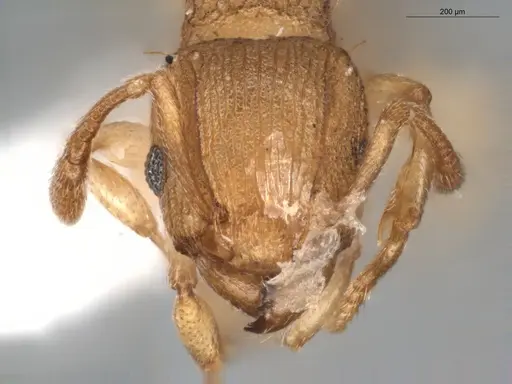
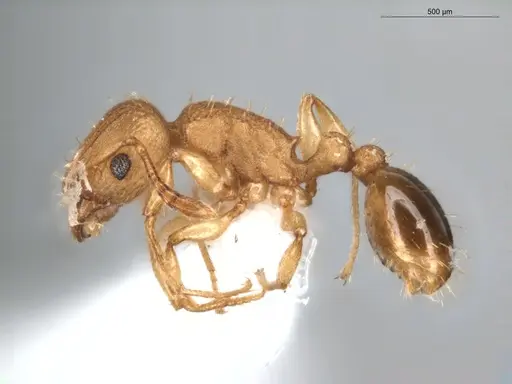
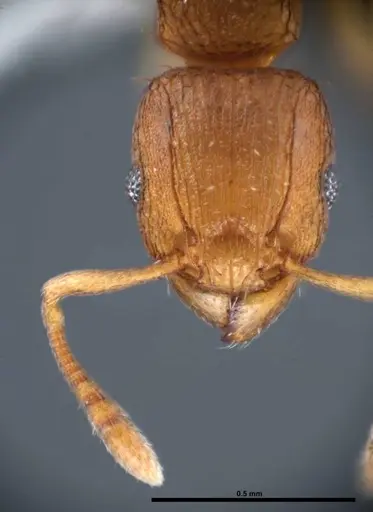
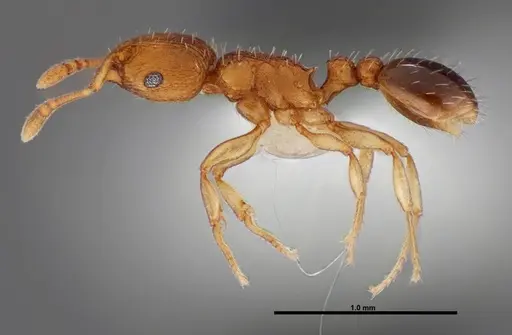
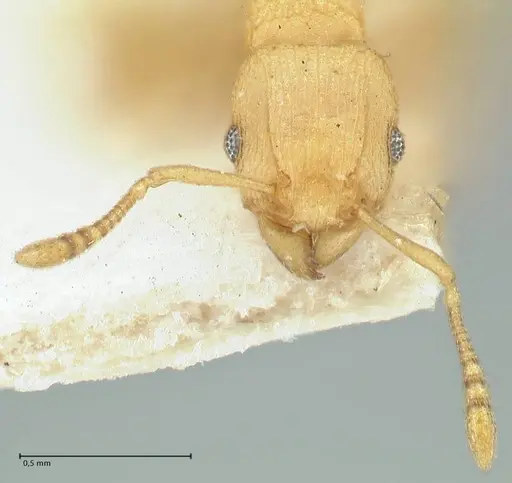
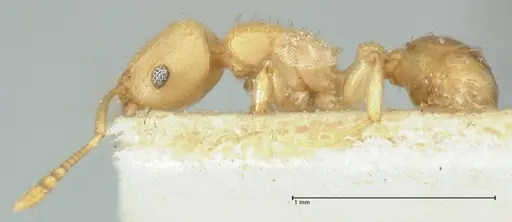
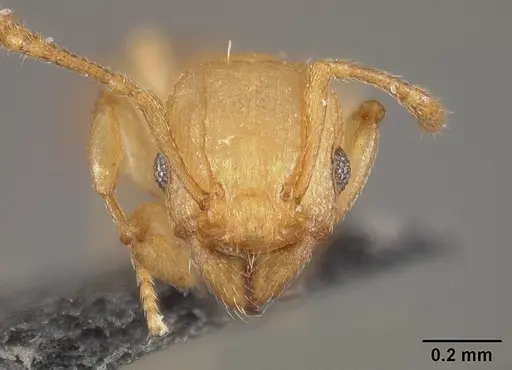
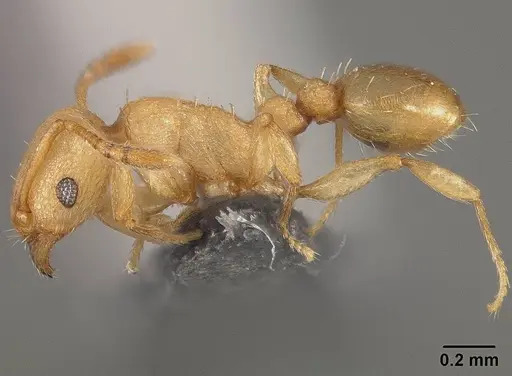
Tetramorium simillimum is a tiny ant native to Africa that has become one of the most widespread tramp ants in the world. Workers measure 2.0-2.7 mm and are yellow to light brown, often with a darker gaster. They have distinctive short, blunt hairs on the body and strongly developed frontal carinae (ridges along the head) . Queens are slightly larger at 2.3-2.6 mm with similar coloration . The species belongs to the Tetramorium simillimum group and is very similar to Tetramorium caldarium, which was once considered the same species . What makes Tetramorium simillimum stand out is its adaptability. Originally from tropical Africa, it has spread to virtually every warm region through human commerce, colonizing tropical rainforests, agricultural land, and even heated greenhouses in cold climates . It nests in soil, under stones, in rotting wood, and in building crevices . Despite being a successful invader, it generally has low ecological impact compared to other invasive ants and rarely displaces native species . However, because it is invasive, it is not recommended for beginners and should never be released.
Quick Summary
- Difficulty: Expert
- Origin & Habitat: Native to tropical Africa, now pantropical across Africa, Asia, Australia, the Americas, and Pacific Islands. Also occurs in heated greenhouses in temperate Europe and North America [4][5]. Prefers disturbed areas, gardens, agricultural land, and urban environments [6].
- Colony Type: Polygynous, colonies typically have multiple queens working together [9]. Queens can coexist in the same nest. (Note: founding behavior is unconfirmed.)
- Size & Growth:
- Queen: 2.3-2.6 mm [3]
- Worker: 2.0-2.7 mm [1][2]
- Colony: Up to several thousand workers in optimal conditions
- Growth: Fast, these ants establish quickly
- Development: Development timeline is not documented in available research. Based on typical Tetramorium patterns, egg to worker likely takes 6-8 weeks at warm temperatures, but this is unconfirmed. (Temperature depends, see requirements.)
- Antkeeping:
- Temperature: Keep at 22-26°C for best growth. They tolerate a wide range but thrive with supplemental warmth. Critical thermal maximum is 42°C and peak activity occurs around 28°C [2]. Avoid letting them get below 18°C for extended periods.
- Humidity: Moderate, keep the nest substrate slightly moist but not wet. A water tube provides adequate humidity. In dry artificial nests, add a small moist area. They prefer conditions that dry out gradually rather than staying constantly wet [4].
- Diapause: Not required, as a tropical species, they remain active year-round when kept at room temperature. In unheated rooms they may slow in winter but do not need a cold period [5].
- Nesting: Very flexible, they accept test tubes, Y-tong (AAC) nests, plaster nests, or naturalistic setups with soil. In the wild they nest in soil, under stones, and in rotting wood, so provide dark chambers and some substrate depth [6].
- Behavior: Workers are fast-moving, highly active foragers that use mass recruitment. They are diurnal with peak activity at dusk and during humid conditions [10]. They are omnivorous and will accept sugars and protein. They have a stinger but rarely use it, like other Crematogastrini, they smear venom rather than sting (general subfamily trait). Despite their small size they are bold but not aggressive toward humans. Escape prevention is critical because of their tiny size, use fine mesh and tight barriers.
- Common Issues: as an invasive species, never release colonies, extreme precautions needed to prevent escape, rapid colony growth can lead to overcrowding if the nest is too small, plan for expansion, tiny workers can squeeze through standard test tube plugs, use cotton or fine mesh, if kept in temperate regions, ensure stable warmth year-round since they don't hibernate, during founding, if multiple queens are kept together, monitor briefly for aggression (rare)
Nuptial Flight Activity Analysis 65 observations
Flight Activity by Hour 65 observations
Tetramorium simillimum nuptial flight activity peaks around 19:00 during the evening. Activity is spread across a 24-hour window (00:00–23:00). Times may be influenced by human observation patterns.
Housing and Nest Setup
Tetramorium simillimum is not picky about housing. Test tubes work well for starting colonies, keep the tube humid but not waterlogged. Once the colony outgrows the test tube, offer a Y-tong (AAC) nest, plaster nest, or naturalistic setup with soil substrate. They prefer dark chambers and a gradient from a humid nest area to a drier outworld. A standard water tube connected to the nest provides adequate humidity. Because these ants are tiny, make sure all connections are sealed with cotton or fine mesh to prevent escapes [11]. They will nest in soil, under stones, and in rotting wood in the wild, so providing some substrate depth is appreciated [6].
Feeding and Diet
These ants are omnivorous and accept a wide variety of foods. For sugars, offer honey water (diluted 1:4 with water) or sugar water regularly, they have a strong sweet tooth and will quickly recruit to these sources. For protein, offer small insects like fruit flies, pinhead crickets, and mealworms. In the wild, they tend hemipteran insects (aphids, scale insects) for honeydew [12], so they may also accept specialized ant foods containing honeydew. Feed every 2-3 days, removing any uneaten protein after 24 hours. Their small size means even tiny prey items are appreciated, flightless fruit flies are an excellent choice [13][6].
Temperature and Seasonal Care
Keep your colony at 22-26°C for optimal growth and activity. They can tolerate temperatures from roughly 18°C up to 30°C or higher, but growth slows at cooler temps. In their native tropical habitat and introduced ranges, they are active year-round, so no hibernation or diapause is required [2]. If you keep them in a room that gets cold in winter, consider using a heating cable or heat mat on one side of the formicarium. Their critical thermal maximum is 42°C, so avoid extreme heat [2]. They are highly adaptable and will do well in typical room temperature conditions in most homes.
Colony Structure and Multi-Queen Care
Tetramorium simillimum is polygynous, meaning colonies naturally have multiple queens. This makes them excellent for antkeepers who want quick growth, multiple foundresses can be kept together. However, because the founding method is unconfirmed, it is not certain whether queens seal themselves in or require feeding. If keeping multiple queens, provide multiple chambers in case of minor aggression. Once workers emerge, queen conflicts typically resolve. Colonies can grow quite large, potentially reaching several thousand workers in mature setups [4][9].
Behavior and Foraging
Workers are fast-moving and highly active foragers. They use chemical trails to recruit nestmates to food sources, forming visible trails within hours of discovering a food item. This mass recruitment allows them to quickly dominate baits, though they are not particularly aggressive toward other ant species. They are primarily diurnal but show peak activity during humid conditions and at dusk [10]. They are not dangerous to humans, their stinger is tiny and used mainly to smear venom (typical of Crematogastrini). Their small size means they can squeeze through tiny gaps, so excellent escape prevention is essential [6].
Frequently Asked Questions
Can I keep Tetramorium simillimum in a test tube?
Yes, test tubes work perfectly for starting colonies. Keep the tube humid but not waterlogged. Once the colony outgrows the test tube, you can transition them to a formicarium. Make sure the cotton plug is packed tightly, these tiny ants can squeeze through gaps that would hold back larger species.
How long until Tetramorium simillimum has first workers?
Development from egg to worker is not documented in available research. Based on typical Tetramorium patterns, it likely takes 6-8 weeks at warm temperatures (24-26°C), but this is unconfirmed for this species.
Do Tetramorium simillimum ants sting?
They have a stinger but rarely use it. These ants are not considered dangerous to humans and are too small to deliver a noticeable sting. They are among the more docile tramp ant species.
Can I keep multiple queens together?
Yes, this species is polygynous (multiple queens per colony) by nature. You can introduce multiple foundresses to the same setup, and they will typically cooperate. This can lead to faster colony growth. However, the founding method is unconfirmed, so minor aggression is possible, provide multiple chambers [9].
How big do Tetramorium simillimum colonies get?
Colonies can reach several thousand workers in optimal conditions. As a tramp species adapted to rapid establishment, they grow quickly and can become quite populous in a year or two with proper care [4].
Do they need hibernation?
No, as a tropical species they do not require hibernation. They remain active year-round when kept at room temperature (20°C+). In unheated rooms during winter, they may slow down slightly but will not enter true diapause [5].
Are Tetramorium simillimum good for beginners?
This species is not recommended for beginners because it is a widespread invasive tramp. Extreme care must be taken to prevent escapes, and releasing the colony is illegal in many areas. Experienced keepers who can guarantee containment may find them easy to keep, but the risks outweigh the benefits for novices.
What do Tetramorium simillimum eat?
They are omnivorous. Offer sugar sources (honey water, sugar water) regularly and protein (small insects like fruit flies, pinhead crickets, mealworms) every few days. They will also scavenge other organic matter [13][6].
Why are my Tetramorium simillimum dying?
Common causes include: escape through tiny gaps (check all barriers), drying out (keep water tube filled), too cold (ensure temperatures above 20°C), or poor nutrition (offer varied diet). They are quite resilient, so review your temperature, humidity, and feeding schedule.
When is the nuptial flight of Tetramorium simillimum?
The nuptial flight of Tetramorium simillimum typically occurs From January to November.
What time of day does Tetramorium simillimum fly?
The nuptial flight of Tetramorium simillimum peaks around 19:00 during the evening, with most activity between 00:00 and 23:00. Times may be influenced by human observation patterns.
Report an Issue
The current care sheet is based fully on literature. See inconsistencies, or something that's incorrect? Please , it will be resolved after review from an admin. Contributing to the blogs tab also helps providing information, to make us be able to further improve the caresheets. Thank you for your support!
References

This caresheet is licensed under CC BY-SA 4.0 .
Community Blogs
CASENT0005830
View on AntWeb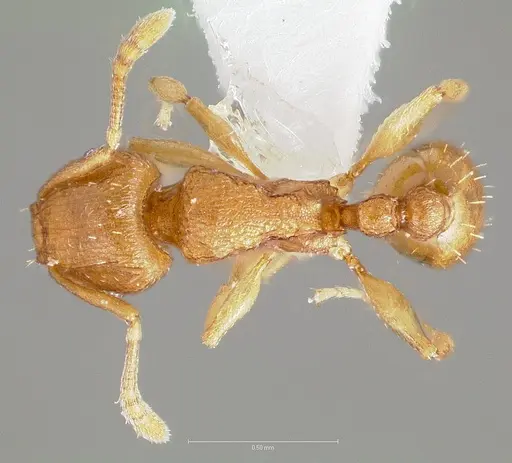
CASENT0060701
View on AntWeb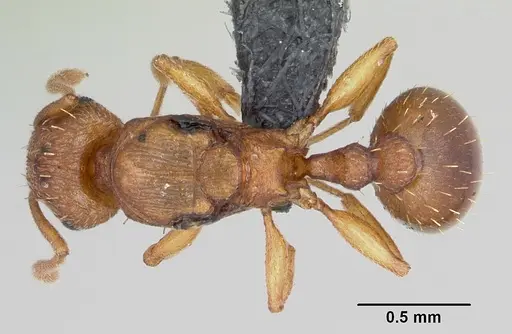
CASENT0101495
View on AntWeb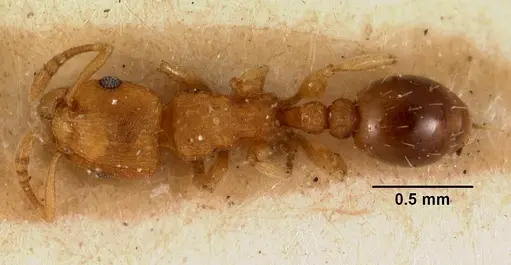
CASENT0102390
View on AntWeb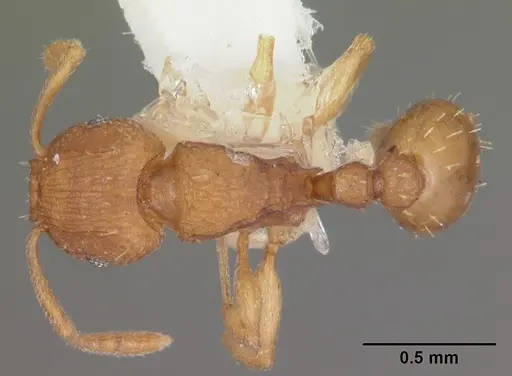
CASENT0102741
View on AntWeb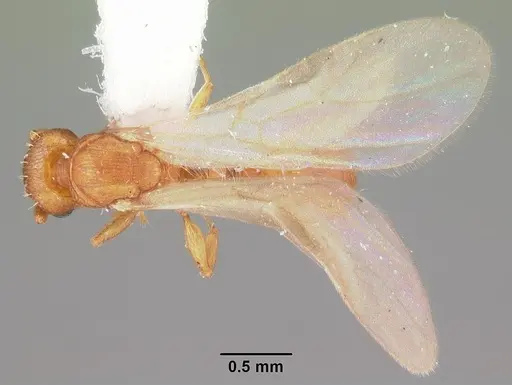
CASENT0102742
View on AntWeb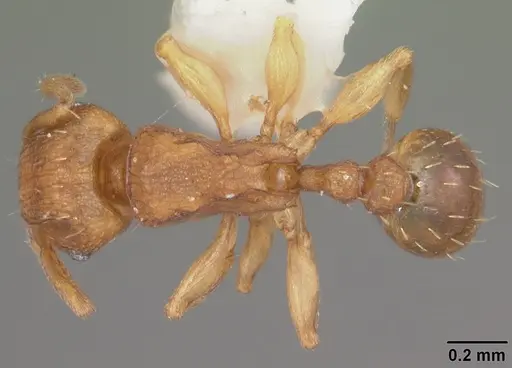
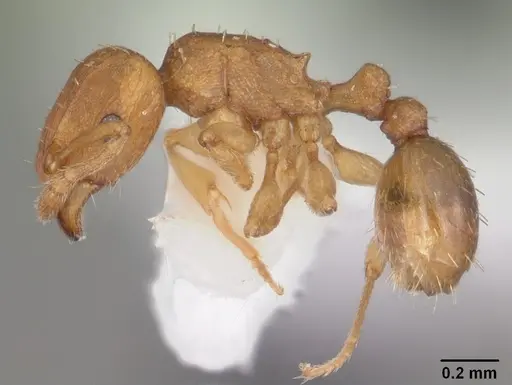
CASENT0102937
View on AntWeb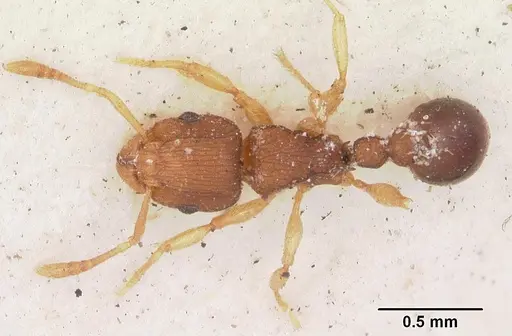
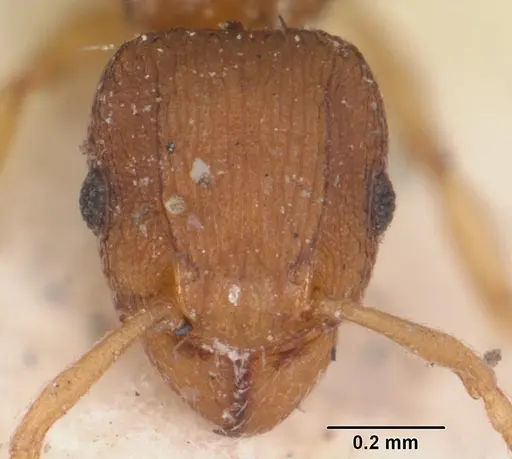
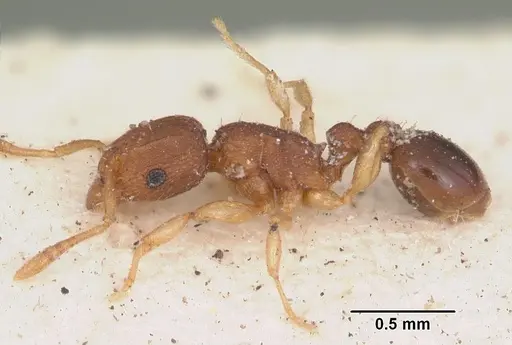
CASENT0125195
View on AntWeb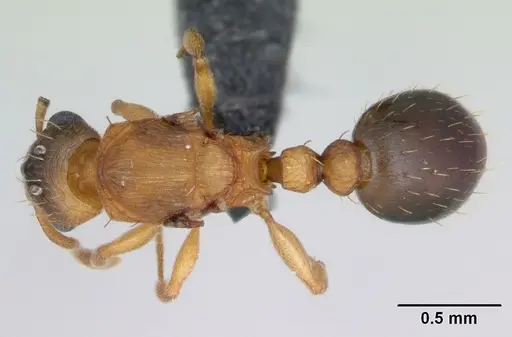
CASENT0135001
View on AntWeb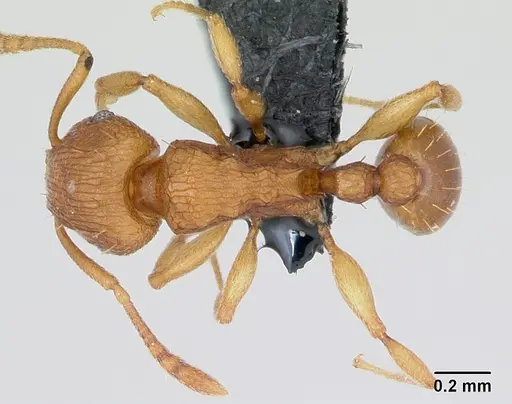
CASENT0135019
View on AntWeb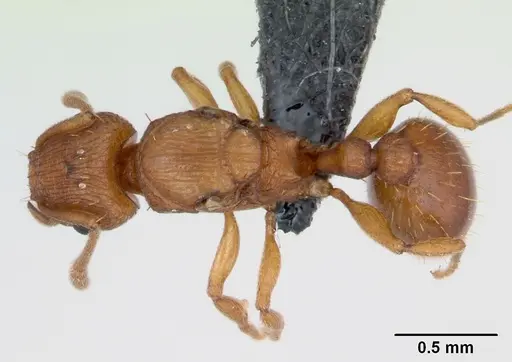
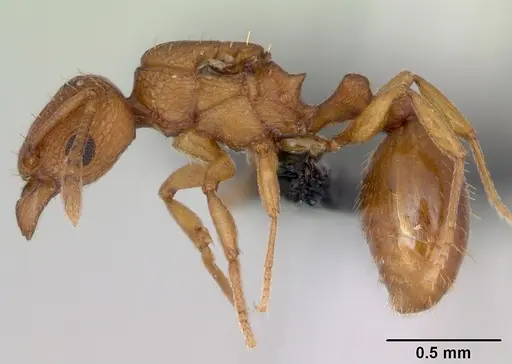
CASENT0146901
View on AntWeb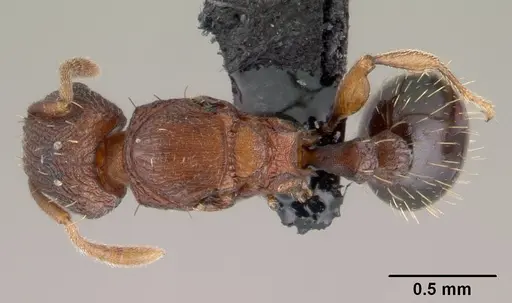
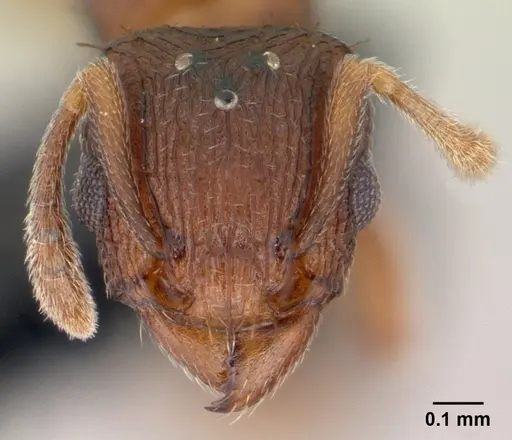
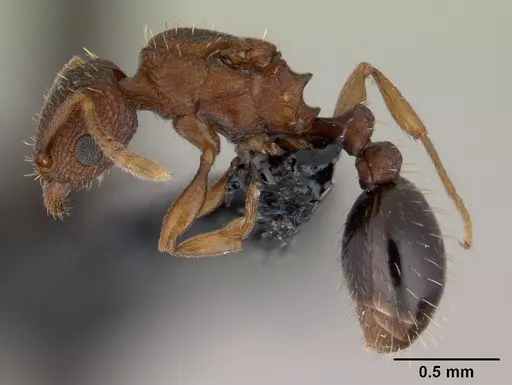
CASENT0171034
View on AntWeb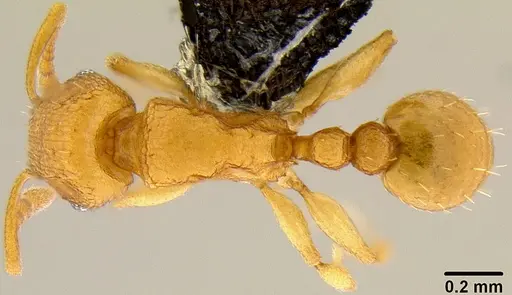
CASENT0171122
View on AntWeb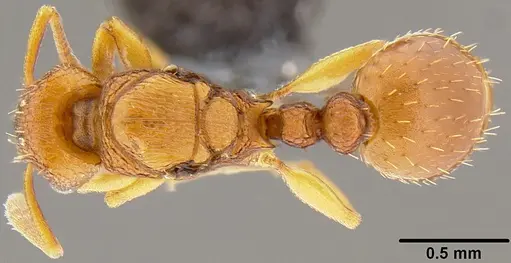
CASENT0173290
View on AntWeb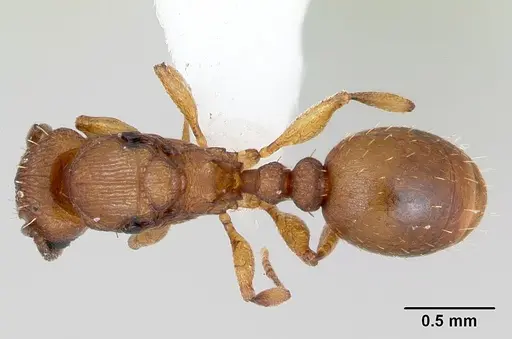
CASENT0173291
View on AntWeb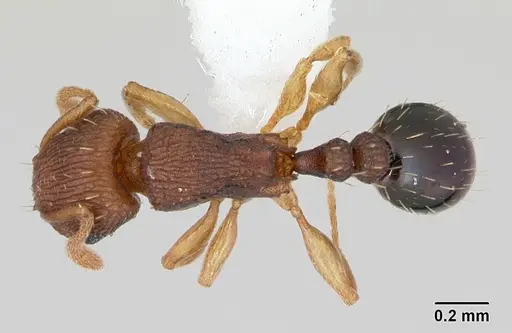
CASENT0173318
View on AntWeb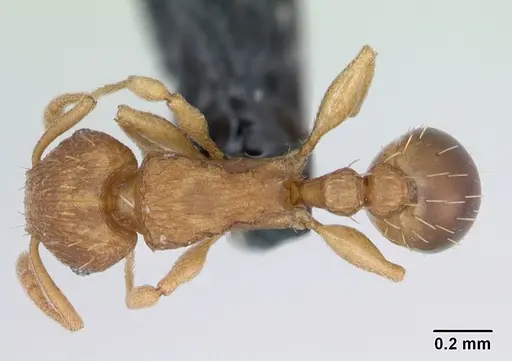
CASENT0175482
View on AntWeb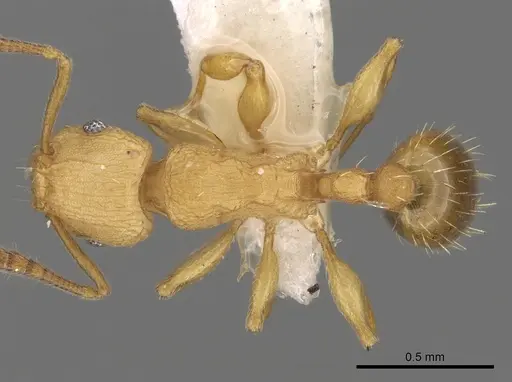
CASENT0178440
View on AntWeb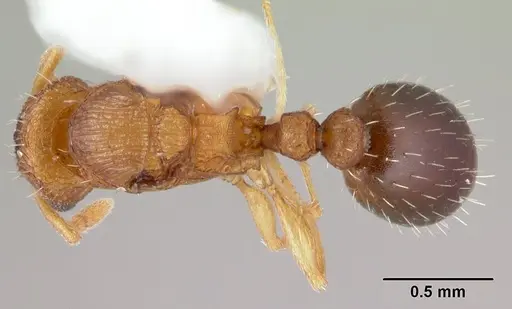
CASENT0178441
View on AntWeb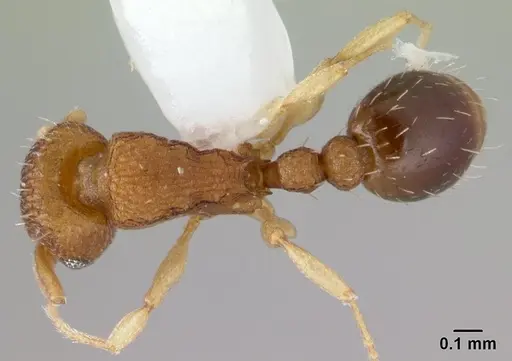
CASENT0188894
View on AntWeb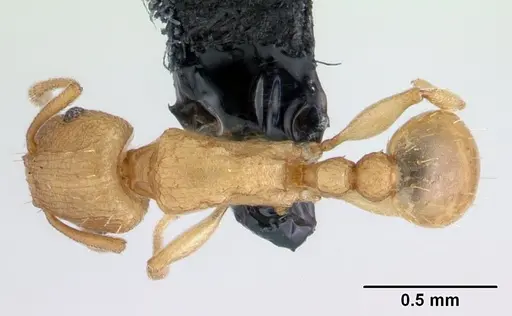
CASENT0199890
View on AntWeb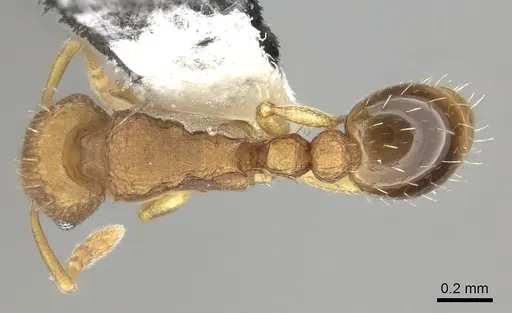
CASENT0217225
View on AntWeb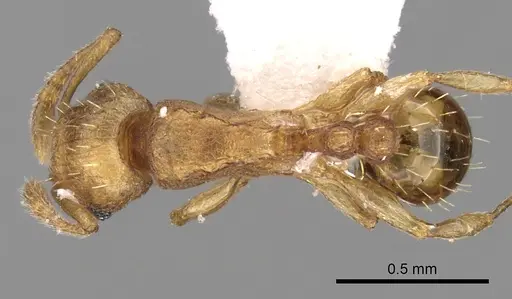
CASENT0246155
View on AntWeb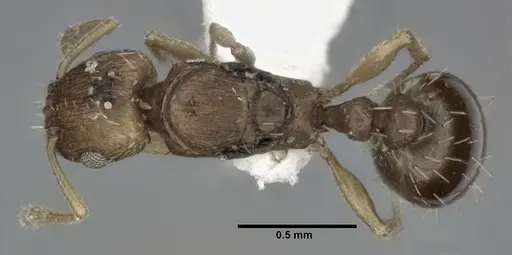
CASENT0246156
View on AntWeb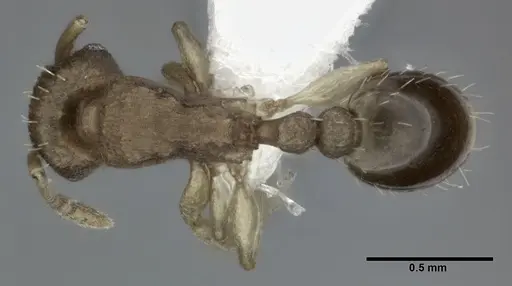
CASENT0249020
View on AntWeb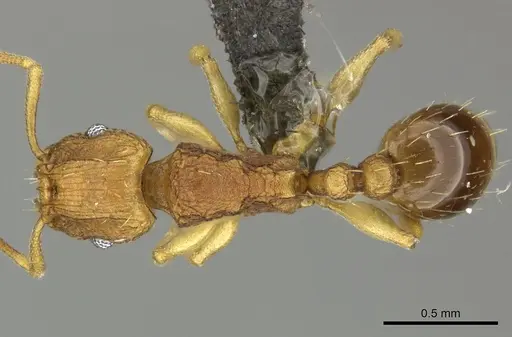
CASENT0249091
View on AntWeb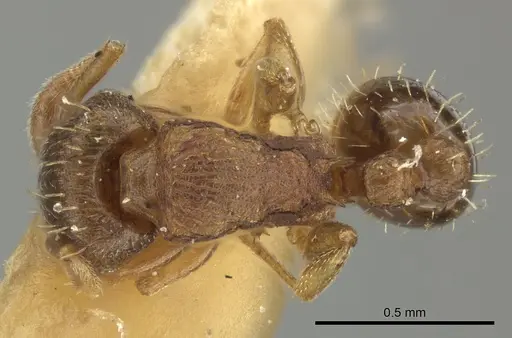
CASENT0249092
View on AntWeb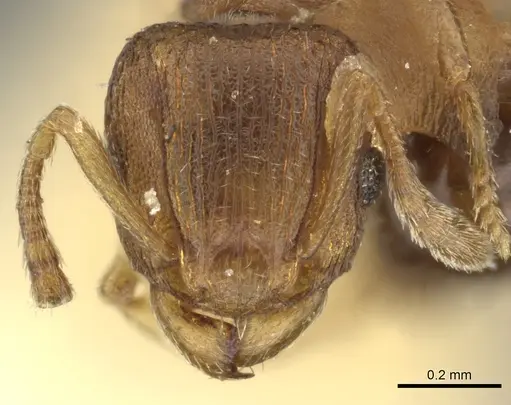
CASENT0249093
View on AntWeb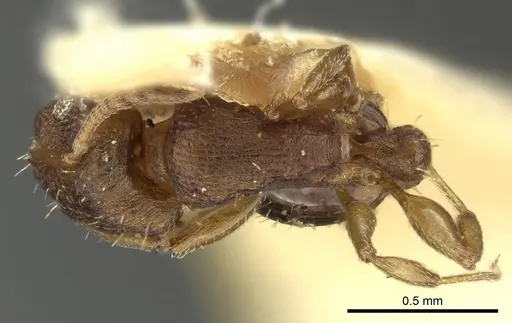
CASENT0253353
View on AntWeb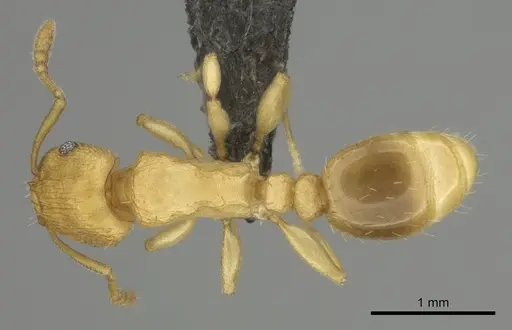
CASENT0253358
View on AntWeb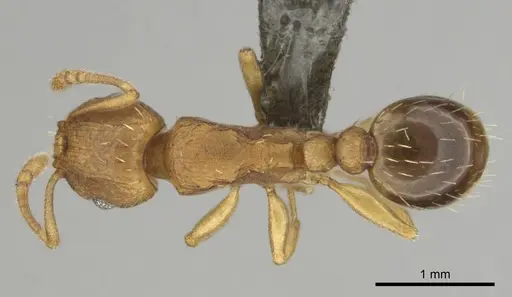
CASENT0253365
View on AntWeb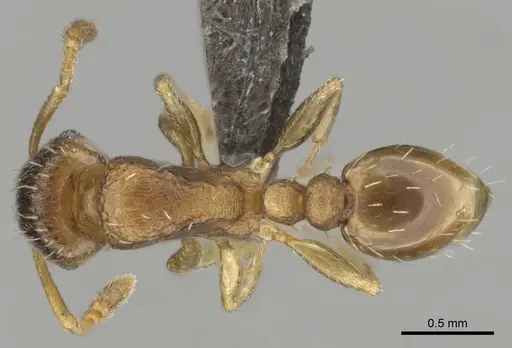
CASENT0280854
View on AntWeb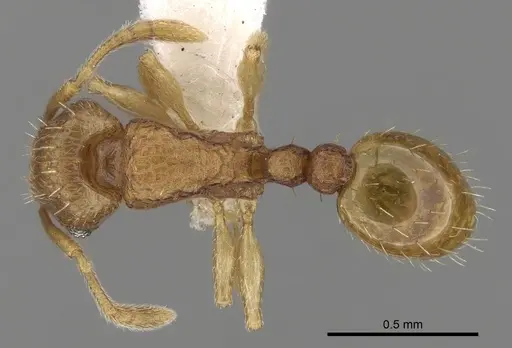
CASENT0281192
View on AntWeb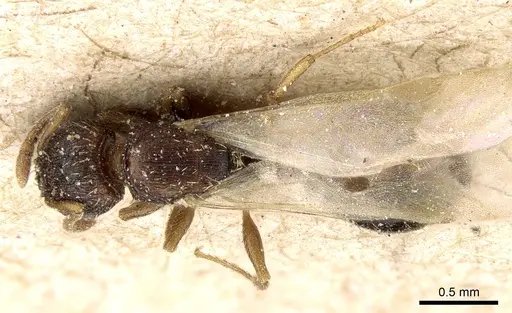
CASENT0316955
View on AntWeb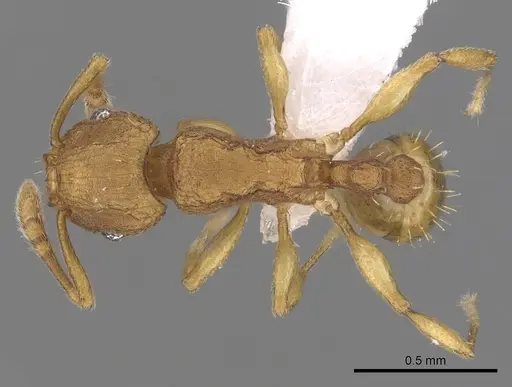
CASENT0365915
View on AntWeb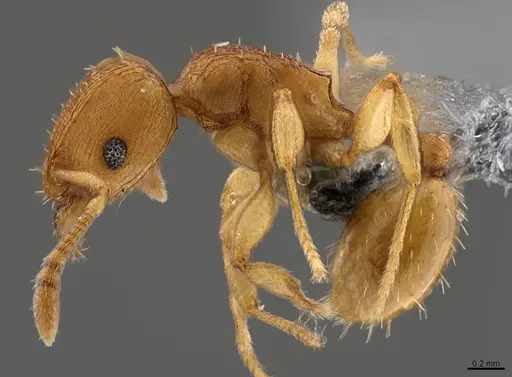
CASENT0740793
View on AntWeb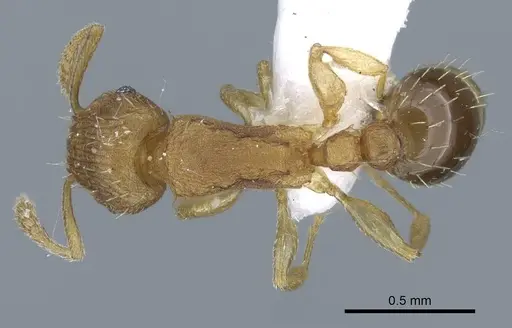
CASENT0746627
View on AntWeb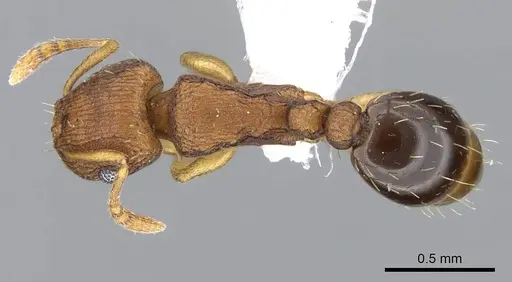
CASENT0904832
View on AntWeb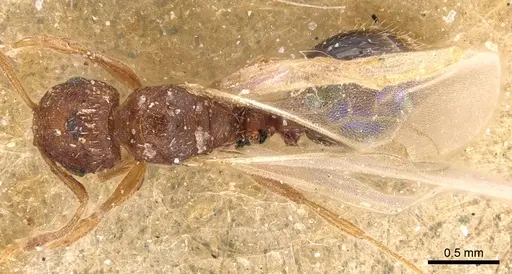
CASENT0906125
View on AntWeb
CASENT0906137
View on AntWeb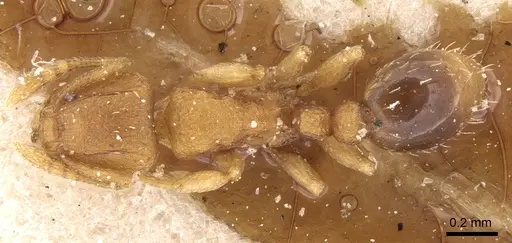
CASENT0906138
View on AntWeb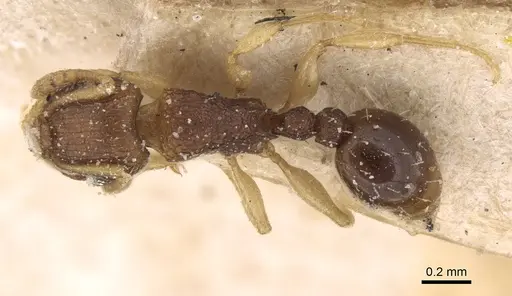
CASENT0906139
View on AntWeb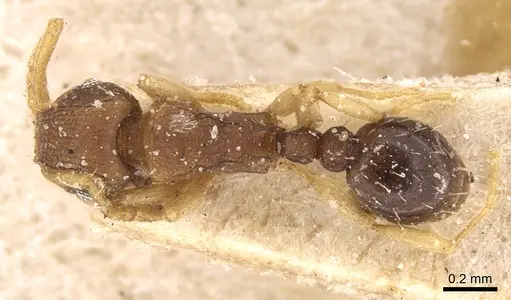
CASENT0906140
View on AntWeb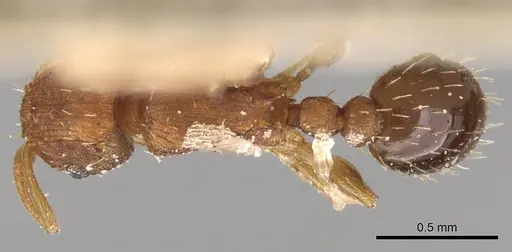
CASENT0906141
View on AntWeb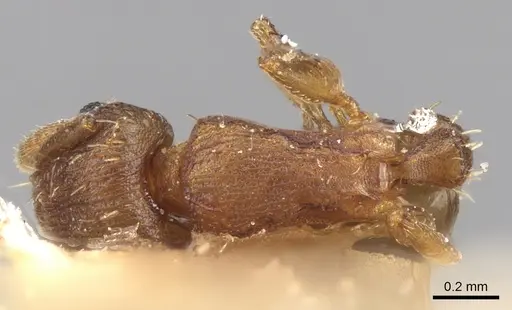
CASENT0909115
View on AntWeb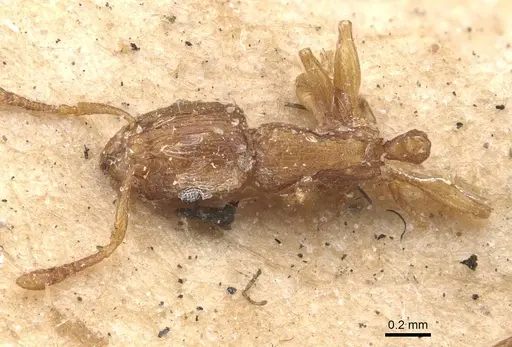
CASENT0915079
View on AntWeb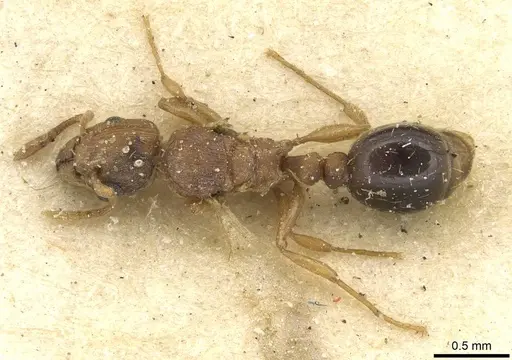
CASENT0915080
View on AntWeb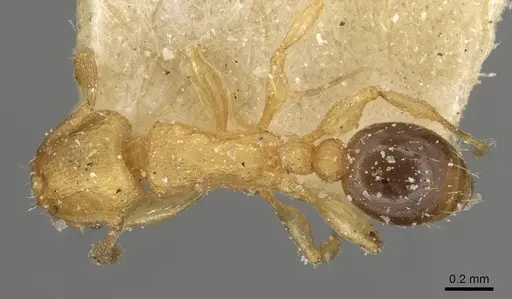
CASENT0915081
View on AntWeb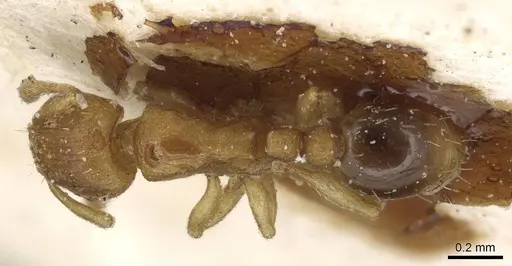
CASENT0915082
View on AntWeb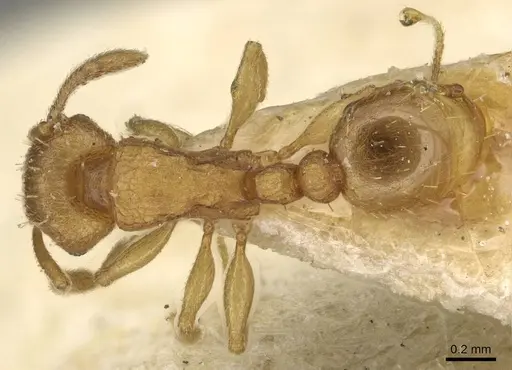
CASENT0917835
View on AntWeb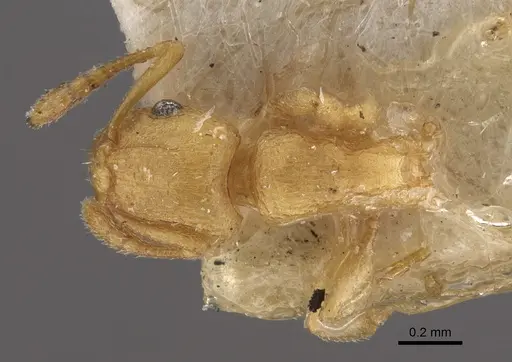
CASENT0919927
View on AntWeb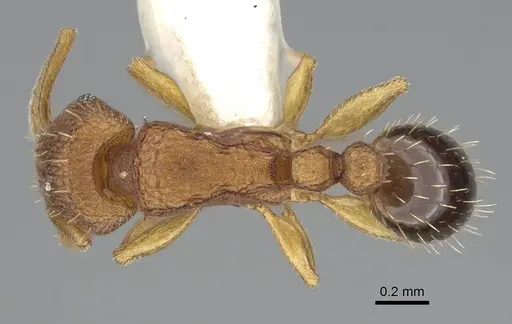
CBUMAGENT41958
View on AntWeb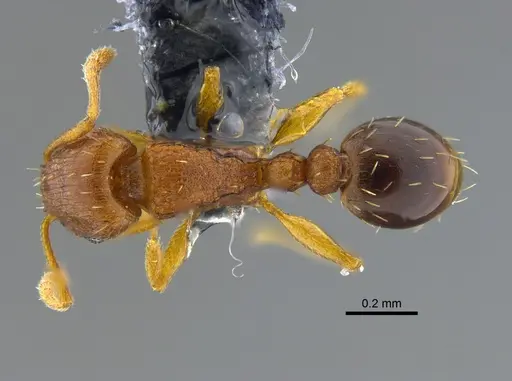
CSIRONC0062
View on AntWeb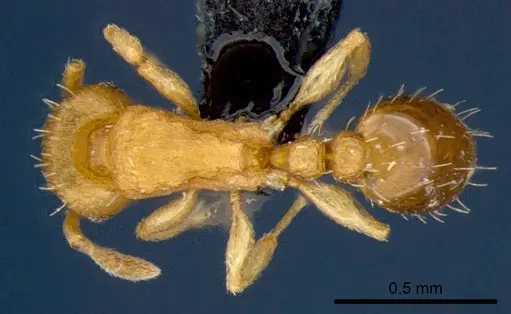
ECOFOG-BUG-0355-08
View on AntWeb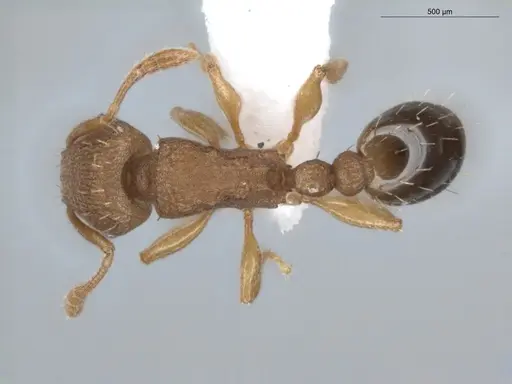
ECOFOG-BUG-0476-05
View on AntWeb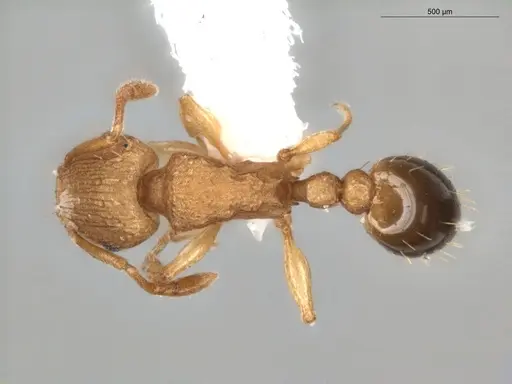
FMNHINS0000088656
View on AntWeb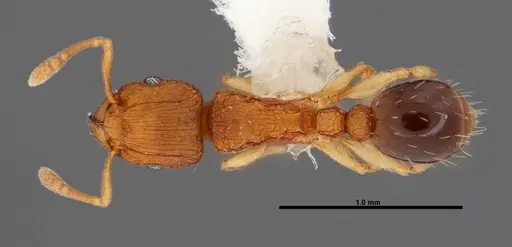
FOCOL2100
View on AntWeb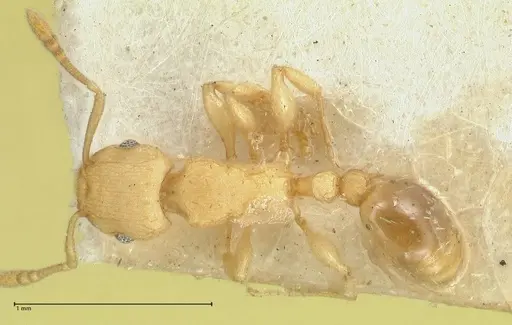
USNMENT01124292
View on AntWeb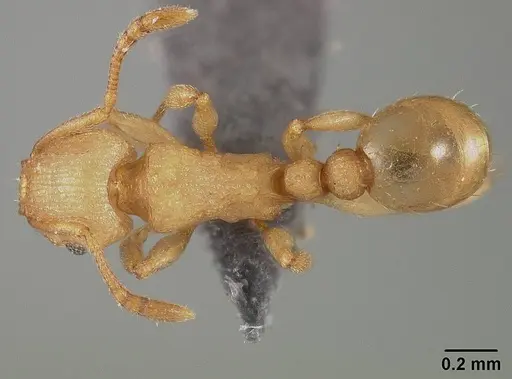
Literature
Loading distribution map...Loading products...