
Tetramorium sikorae
- Sci. Name
- Tetramorium sikorae
- Tribe
- Crematogastrini
- Subfamily
- Myrmicinae
- Author
- Forel, 1892
- Distribution
- Found in 1 countries
Introduction
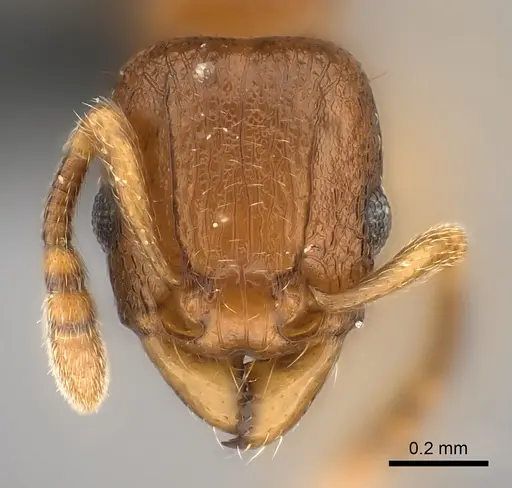
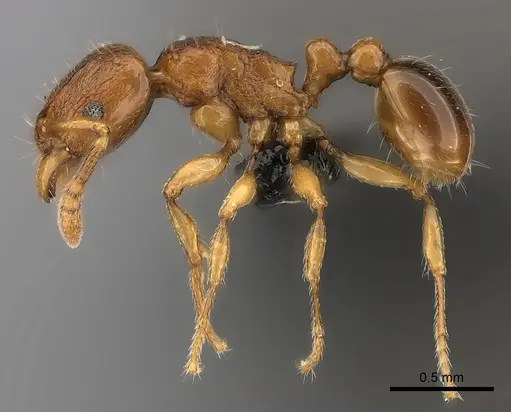
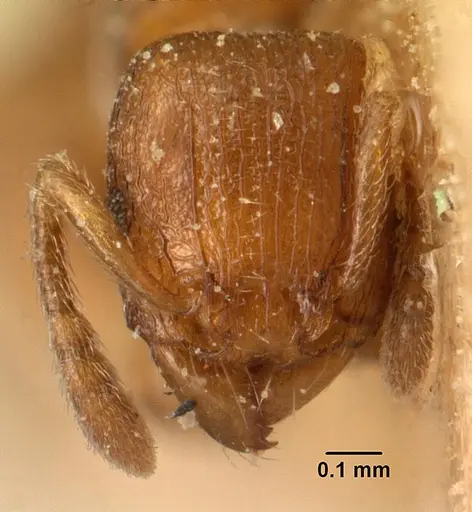
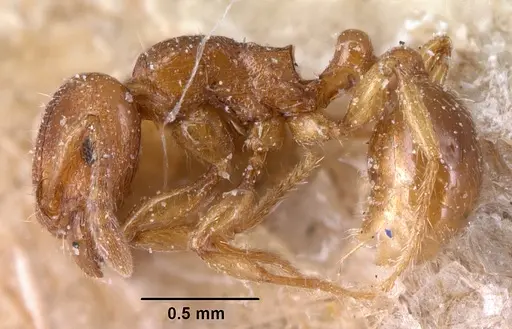
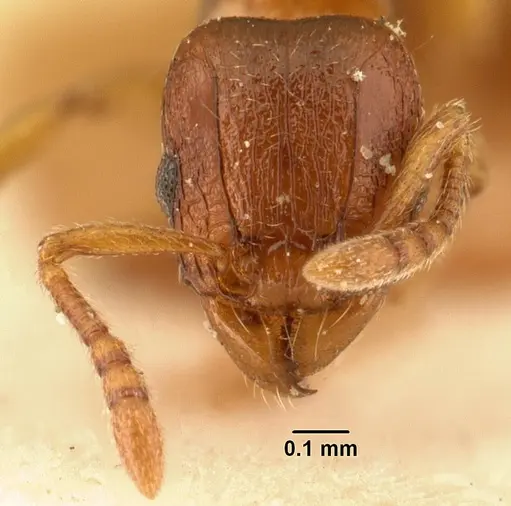
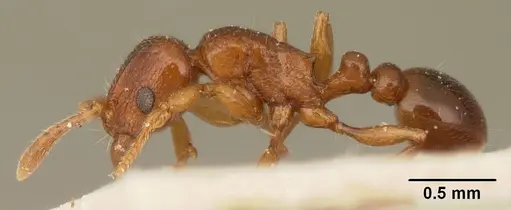
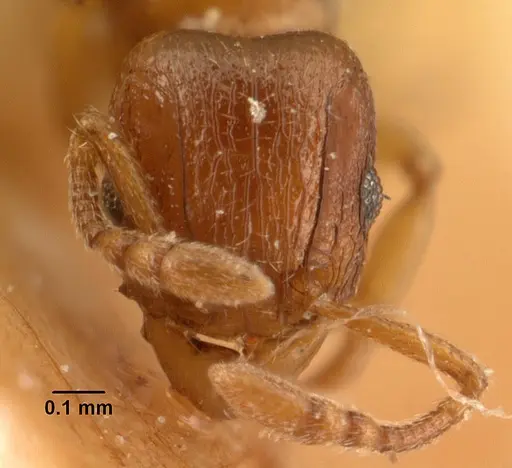
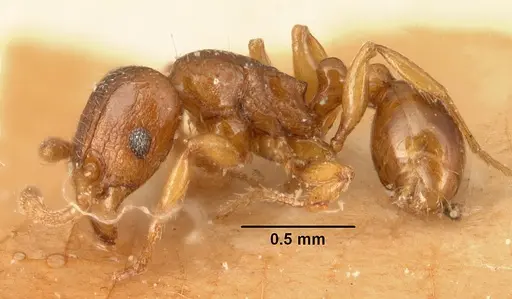
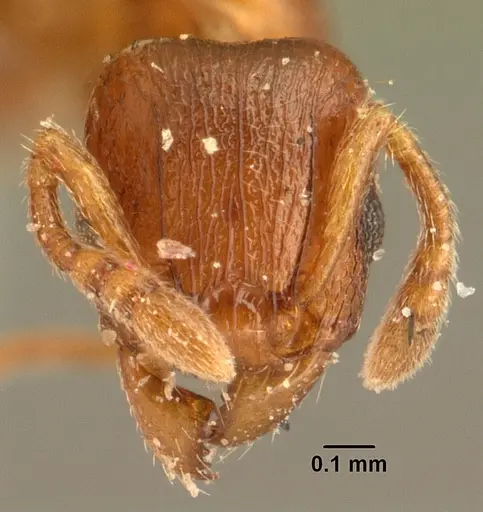
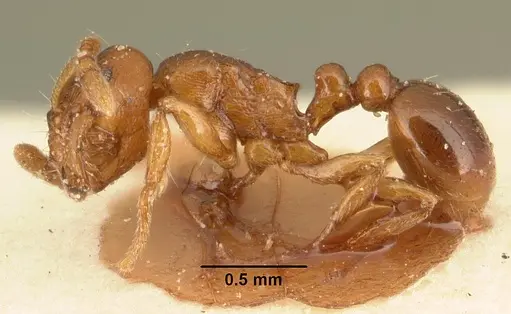
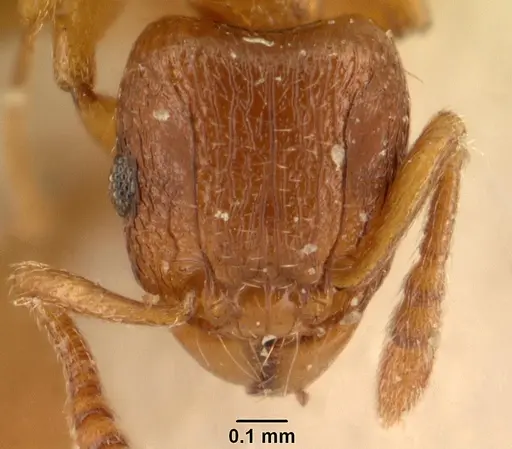
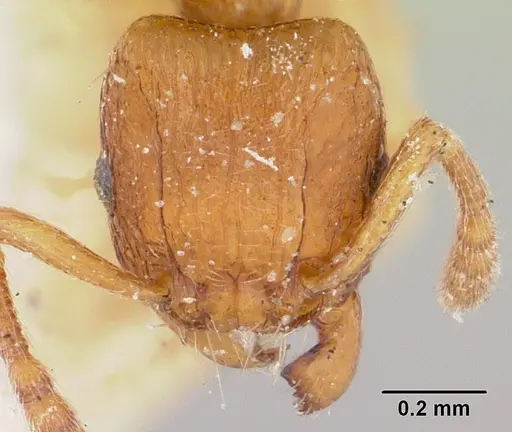
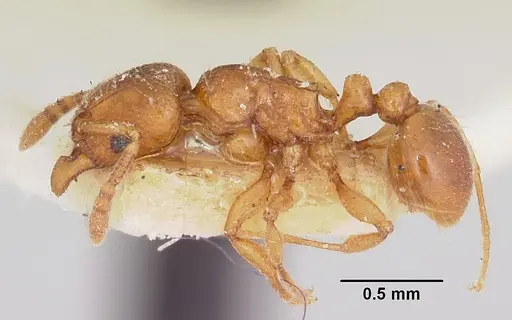
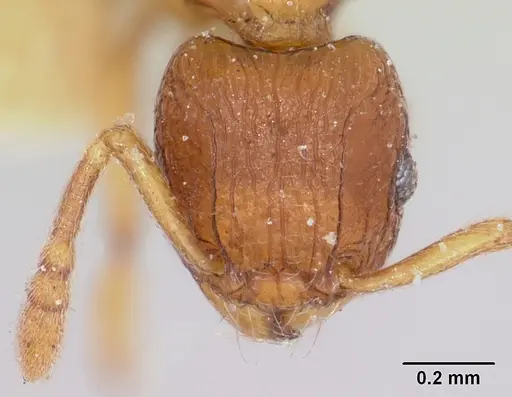
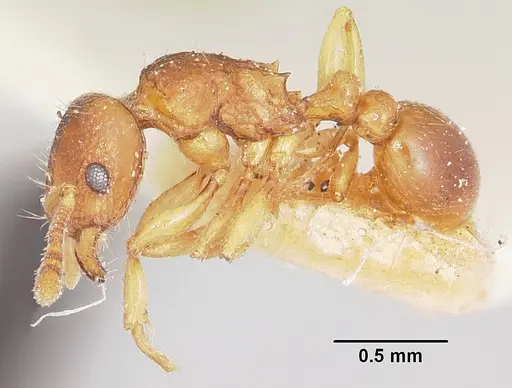
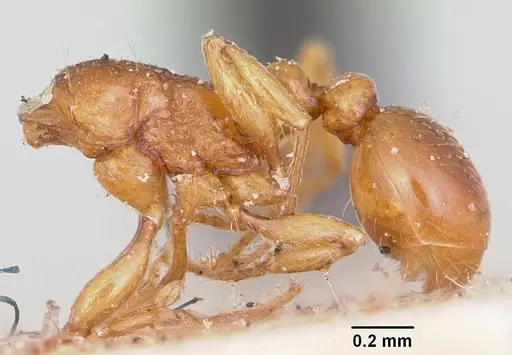
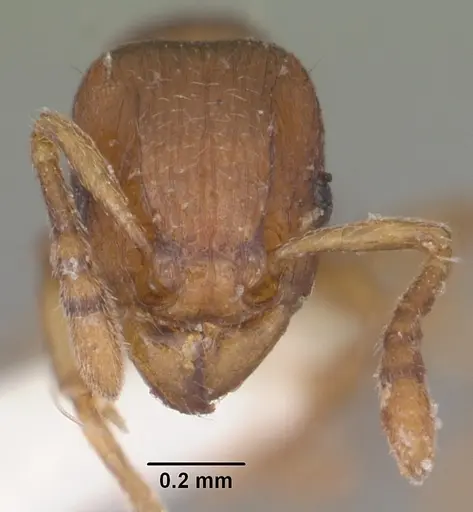
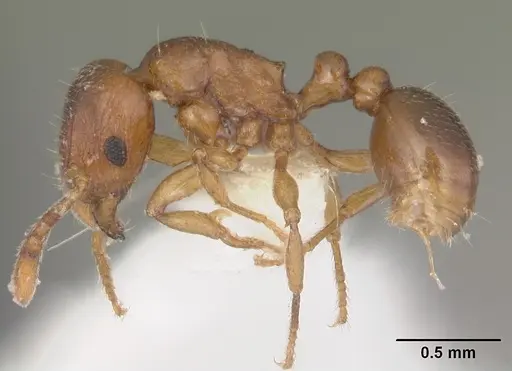
Tetramorium sikorae is a tiny leaf-litter ant native to Madagascar and Réunion. Workers are small, with a head longer than wide, relatively large eyes, and short antennae. Their body is uniformly orange-brown, with lighter yellowish-brown mandibles and legs. A key identifying feature is the complete lack of long standing hairs on the propodeum and waist segments – most other close relatives have such hairs . This species is part of the Tetramorium schaufussii group and is widely distributed across central-eastern Madagascar, from montane rainforests near Torotorofotsy and Andasibe-Mantadia north to Betampona and Zahamena, with isolated populations in western Madagascar . They live in the humid leaf litter layer of montane rainforests, rarely in lowland forests, at elevations between 240 and 1100 m .
Quick Summary
- Difficulty: Medium
- Origin & Habitat: Native to Madagascar and Réunion. Found across central-eastern Madagascar from Andrambovato in the southeast to Binara in the north, with isolated populations in western Madagascar. Prefers montane rainforests at elevations of 240–1100 m, living in the leaf litter layer [1].
- Colony Type: Social structure is unknown. Based on the lack of specific data, it is best to assume single-queen colonies (monogyne) until more information is available, but this is unconfirmed.
- Size & Growth:
- Queen: Size data unavailable
- Worker: Size data unavailable (head width and mesosoma length are recorded but do not represent total body length)
- Colony: Unknown – likely up to several hundred workers based on related species in the schaufussii complex, but this is an estimate.
- Growth: Moderate – estimated from typical Tetramorium development patterns, no specific data for this species.
- Development: Unknown – no data available for this species. (Development likely proceeds faster at warmer, humid conditions, but exact timing is unknown.)
- Antkeeping:
- Temperature: Keep warm and stable, roughly 22–26 °C. They come from tropical montane rainforests, so a gentle daytime/nighttime drop is acceptable. Avoid extremes [1].
- Humidity: High humidity is essential. Keep the nest substrate consistently moist but not waterlogged. The nest should have some condensation on the walls, but good ventilation is needed to prevent mold [1].
- Diapause: No, they do not require hibernation. As a tropical species from Madagascar, they experience warm year-round. Avoid temperatures below 18 °C.
- Nesting: Leaf-litter specialists need tight chambers scaled to their tiny size. Y-tong (AAC) or plaster nests with small chambers work well. Test tubes are fine for founding. Provide a naturalistic setup with moist substrate and flat bark or stones for cover.
- Behavior: Generally peaceful and non-aggressive. Workers are active foragers that search through leaf litter for small prey and honeydew. Their defense mechanism is a modified stinger used to smear venom onto enemies, not pierce (typical of Crematogastrini). Due to their very small size, escape prevention is critical – they can squeeze through tiny gaps. Use fine mesh barriers and tight-fitting lids.
- Common Issues: escape prevention is critical due to their tiny size – use fine mesh (≤0.5 mm) and fluon barriers, high humidity requirements can lead to mold if ventilation is poor, wild-caught colonies may contain parasites that can devastate captive colonies, slow initial colony growth during founding – avoid overfeeding or disturbance, test tube setups require careful water management to prevent flooding
Housing and Nest Setup
Because Tetramorium sikorae is a tiny leaf-litter ant, housing needs careful attention to scale. Y-tong (AAC) nests with narrow chambers or plaster nests with small chambers work well. The chambers should be appropriately sized for their small body width – tight passages help them feel secure. A test tube setup is suitable for founding colonies, but be prepared to move them to a proper formicarium once the colony outgrows it. The outworld should be small and escape-proof – these ants are incredibly small and will find any gap. Use fluon on container edges and fine mesh (≤0.5 mm) for ventilation. Provide a constant water source via test tube with cotton [1].
Feeding and Diet
Like most Tetramorium species, Tetramorium sikorae is an omnivore that accepts both protein and sugar sources. In the wild, they forage through leaf litter collecting small insects, honeydew from aphids, and other organic matter. In captivity, offer small protein sources like fruit flies, pinhead crickets, and mealworm pieces. Sugar water, honey, or diluted maple syrup should be available at all times. Feed small amounts 2–3 times per week, adjusting based on colony size and consumption. Remove uneaten prey after 24 hours to prevent mold. Their small size means even tiny prey items are substantial meals for them [1].
Temperature and Humidity
Tetramorium sikorae comes from Madagascar's montane rainforests, so they need warm and humid conditions. Keep the nest area at 22–26 °C – use a heating cable on one side of the nest if your room temperature is below this range. Place the heating on top of the nest, not underneath, to avoid evaporating moisture too quickly. Humidity should be high – the substrate should feel consistently moist but never waterlogged. Some condensation on the nest walls is normal and indicates good humidity. Mist the outworld occasionally, but focus on maintaining moisture in the nest itself. Good ventilation is essential to prevent mold while maintaining humidity [1].
Colony Founding
Queens likely seal themselves in a small chamber and raise the first brood alone, similar to other claustral Tetramorium species – but this is unconfirmed. The founding queen will lay eggs, tend to larvae, and feed the emerging workers from her stored fat reserves. During this critical period, do not disturb the nest – vibrations and light can cause queens to abandon or eat their brood. Founding colonies should be kept in complete darkness with minimal disturbance until the first workers (nanitics) emerge. Only offer food after workers appear – the queen won't leave the nest to forage during founding. [1]
Behavior and Temperament
Tetramorium sikorae is a peaceful species that typically avoids conflict. Workers are active foragers that search through substrate and leaf litter for food. Their defense is interesting – they have a modified, flattened stinger used to wipe or smear venom onto enemies instead of piercing (typical of the Crematogastrini tribe). This 'smear' defense is more of a chemical deterrent than a painful sting. Due to their tiny size, they are excellent escape artists. Even a gap of 0.5 mm can allow workers to squeeze through. Always use multiple escape prevention methods: fluon on rim edges, tight-fitting lids, and fine mesh on any ventilation. The colony will establish a foraging trail once workers become active. They are diurnal but may show activity patterns that adjust to your lighting schedule. Watch for stress behaviors like excessive climbing or hiding – this usually indicates conditions are too dry or temperatures are wrong [1].
Frequently Asked Questions
Can I keep Tetramorium sikorae in a test tube?
Yes, test tubes work well for founding colonies. Use a small test tube with a cotton water reservoir. Keep it horizontal or with a slight tilt so the cotton is at one end. Cover the tube with a dark cloth during the founding phase – queens need darkness and minimal disturbance. Once the colony outgrows the test tube, consider moving them to a proper formicarium with appropriately sized chambers [1].
How long until Tetramorium sikorae has first workers?
The exact time from egg to worker is unknown – no specific data is available for this species. Based on related Tetramorium species, it may take several weeks under warm, humid conditions. The first workers (nanitics) will be smaller than mature workers but will begin helping the queen. Colony growth is slow initially but accelerates once the first workers establish foraging [1].
Do Tetramorium sikorae ants sting?
No, not in the typical sense. They belong to a group (Crematogastrini) that have a modified stinger used to smear venom onto enemies rather than piercing flesh. The venom is smeared and can be irritating, but it is not a sharp sting. Their primary defense is escaping and hiding, or using this chemical smear [1].
Are Tetramorium sikorae good for beginners?
They are intermediate in difficulty. While not as challenging as some species, their tiny size and high humidity requirements make them less ideal for complete beginners. If you're new to antkeeping, start with larger, more forgiving species. However, if you have experience with small Myrmicinae like Temnothorax or Strumigenys, Tetramorium sikorae can be a rewarding challenge [1].
What do Tetramorium sikorae eat?
They are omnivores accepting both protein and sugar. Offer small insects like fruit flies, pinhead crickets, or mealworm pieces 2–3 times per week. Keep a constant sugar source available – sugar water, honey, or diluted maple syrup work well. Remove uneaten prey after 24 hours. Their small size means even tiny prey items are substantial meals [1].
When should I move Tetramorium sikorae to a formicarium?
Move them once the colony outgrows the test tube – signs include mold buildup, debris accumulation, or the nest becoming too crowded. Choose a formicarium with small, tight chambers scaled to their tiny size. Y-tong or plaster nests work well. Make sure the new nest is pre-humidified and at the correct temperature before transferring. Use a connection tube and let them move naturally rather than forcing them [1].
Do Tetramorium sikorae need hibernation?
No, they likely don't require hibernation. As a tropical species from Madagascar, they experience warm temperatures year-round. However, slight temperature reductions during winter months (dropping a few degrees) may be acceptable if your room temperature fluctuates. Avoid true cold exposure – temperatures below 18 °C could be harmful. Monitor colony activity and adjust accordingly [1].
Why are my Tetramorium sikorae escaping?
Their tiny size makes them excellent escape artists. They can squeeze through gaps you might not notice. Use multiple prevention methods: apply fluon to rim edges, use tight-fitting lids, and ensure all ventilation has fine mesh (≤0.5 mm). Check for gaps around water tube connections and any seams in the formicarium. Even a tiny crack is enough for them to escape [1].
How big do Tetramorium sikorae colonies get?
The exact maximum colony size is unknown – no specific data is available. Based on related species in the schaufussii complex, colonies likely reach up to several hundred workers. Growth is moderate, and a healthy mature colony may contain a few hundred workers, but this is an estimate [1].
Can I keep multiple Tetramorium sikorae queens together?
Not recommended. The social structure of Tetramorium sikorae is unconfirmed, but most Tetramorium species are monogyne (single queen). Combining unrelated queens has not been documented. In captivity, multiple queens typically result in fighting until only one remains. If you acquire multiple founding queens, house them separately [1].
Report an Issue
The current care sheet is based fully on literature. See inconsistencies, or something that's incorrect? Please , it will be resolved after review from an admin. Contributing to the blogs tab also helps providing information, to make us be able to further improve the caresheets. Thank you for your support!
References

This caresheet is licensed under CC BY-SA 4.0 .
Community Blogs
CASENT0050433
View on AntWeb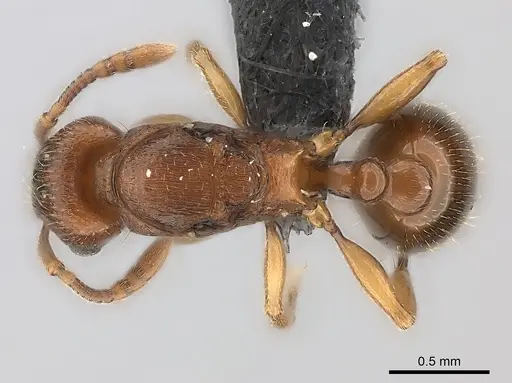
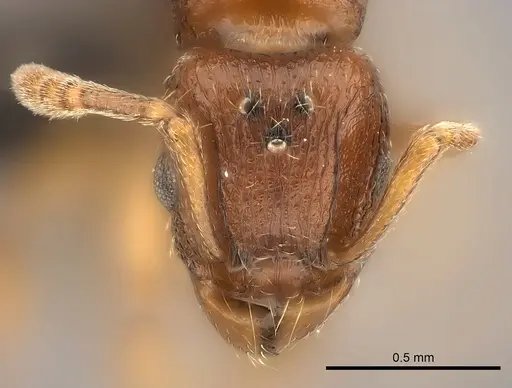
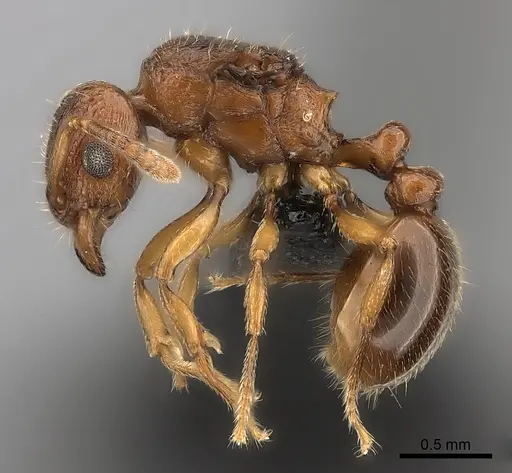
CASENT0051946
View on AntWeb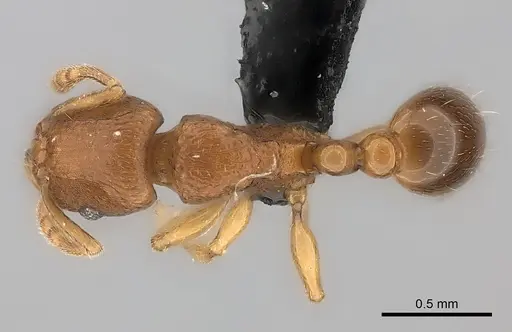
CASENT0101139
View on AntWeb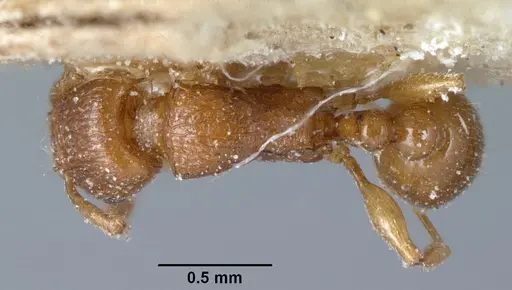
CASENT0101140
View on AntWeb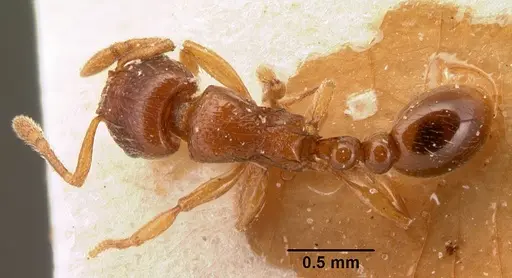
CASENT0101141
View on AntWeb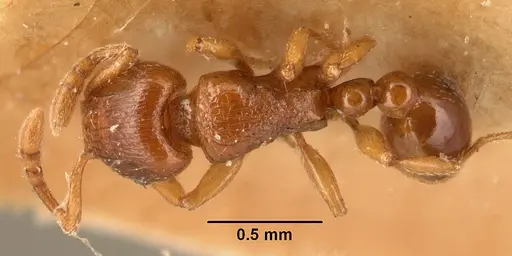
CASENT0101142
View on AntWeb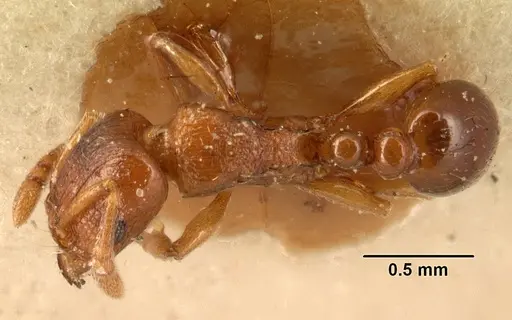
CASENT0101143
View on AntWeb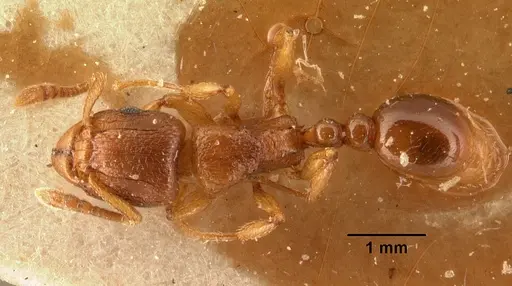
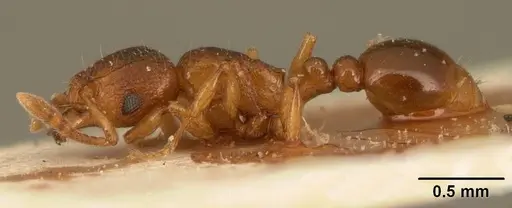
CASENT0101144
View on AntWeb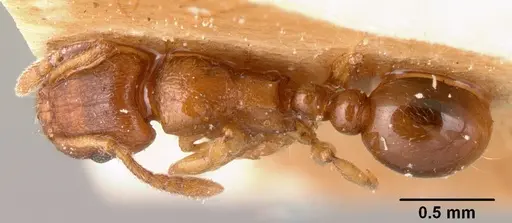
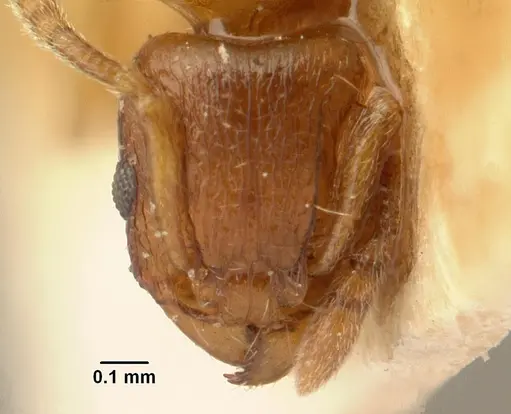
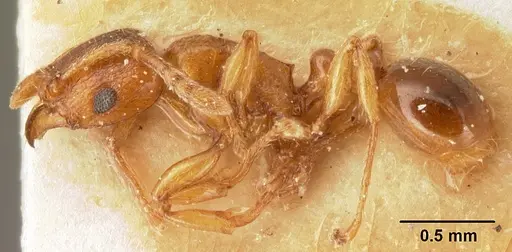
CASENT0101259
View on AntWeb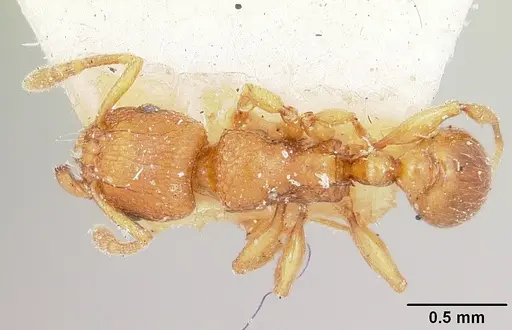
CASENT0101260
View on AntWeb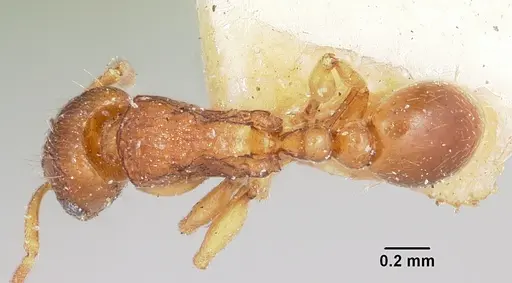
CASENT0101898
View on AntWeb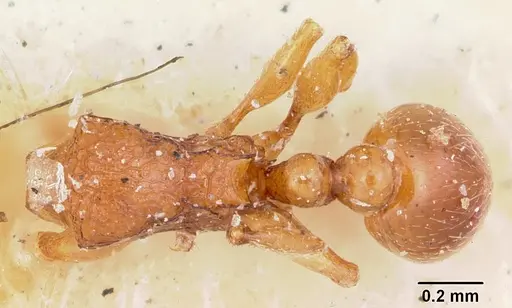
CASENT0102402
View on AntWeb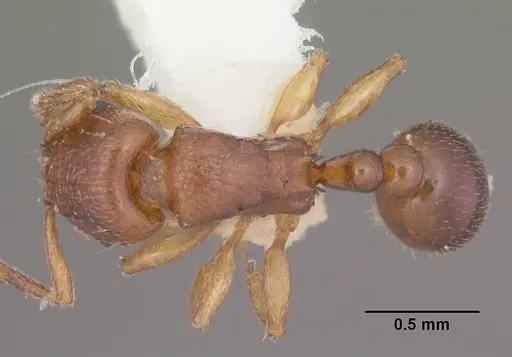
Literature
Loading distribution map...Loading products...